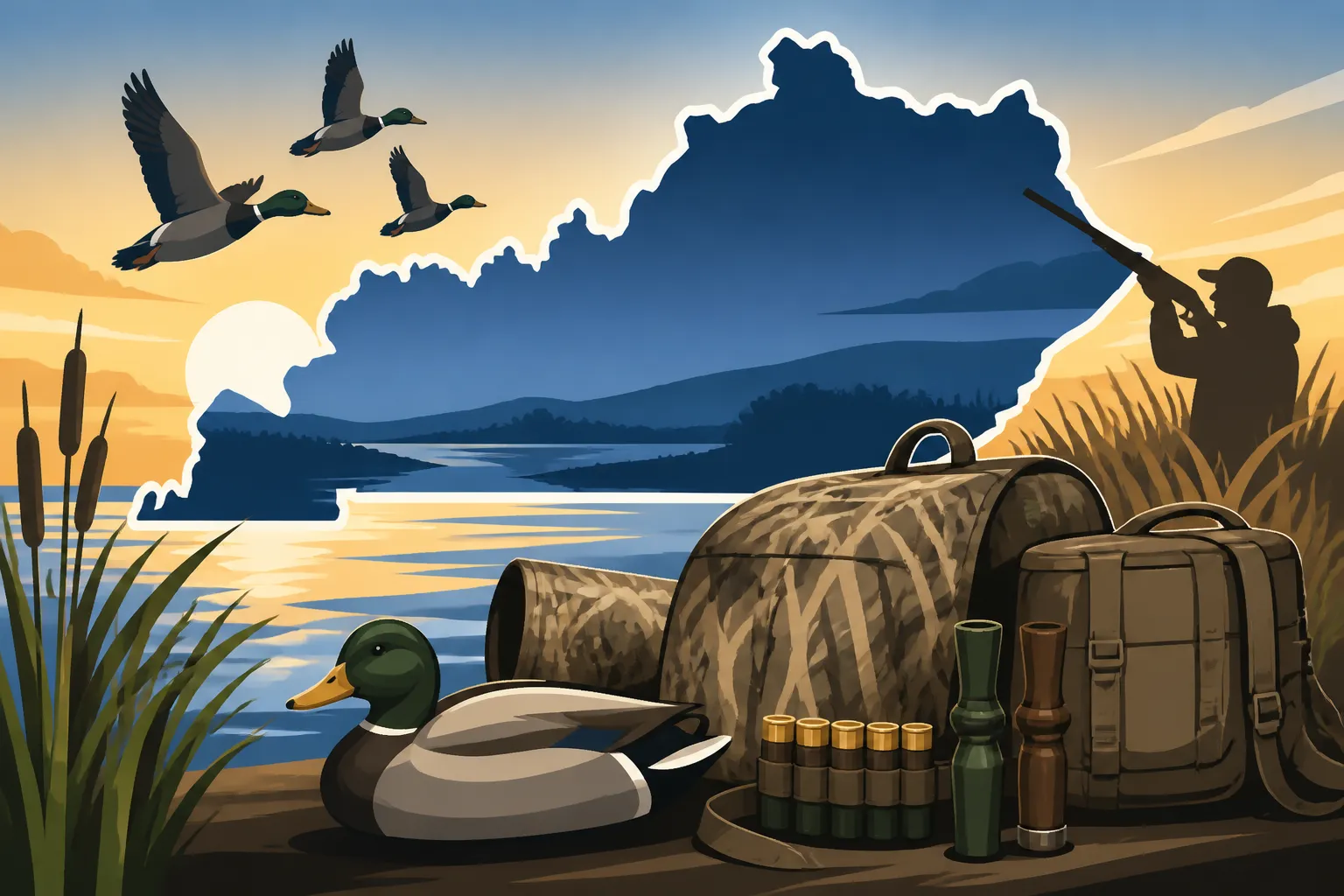
Waterfowl Gear for Kentucky and Barkley Lakes
Hunting Kentucky Lake and Lake Barkley for waterfowl presents a unique set of challenges, from unpredictable weather and vast open water to navigating flooded timber or hidden sloughs. The sheer scale of these impoundments means you're often far from shore, exposed to the elements, and in need of gear that can stand up to the rigorous demands of duck and goose season. This comprehensive guide will walk you through all the essential gear you need to stay safe, comfortable, and successful on Kentucky's premier waterfowl destinations.
Ducks, Geese, and the Boats That Get You There
When you're chasing waterfowl on a body of water as expansive as Kentucky Lake or Lake Barkley, your boat isn't just a means of transport; it's often your mobile base camp, your blind, and your lifeline. Choosing the right vessel and keeping it properly equipped is paramount for both success and safety. The conditions can shift rapidly, from glass-smooth mornings to white-capping chop, so your craft needs to be up to the task.
Boat Types for Big Water
Deciding on the right type of boat is your first major gear decision, and it largely depends on where you plan to hunt and how you prefer to set up. Each type has its advantages and disadvantages on these large, diverse bodies of water.
A common choice among Kentucky waterfowlers is the jon boat. These flat-bottomed boats are incredibly stable, making them excellent for hauling a substantial amount of decoys, blinds, and a hunting dog. Their shallow draft allows you to access skinny water, flooded timber, or overgrown backwaters where ducks often prefer to loaf. However, their flat bottom also means they can pound mercilessly in rough water, making long runs across open expanses uncomfortable and potentially wet. For hunters who plan to primarily stick to protected coves, river arms, or flooded agricultural fields accessible by boat, a jon boat is a versatile workhorse.
For those who prioritize speed and comfort in choppier conditions, a V-hull boat might be a better fit. These boats cut through waves more efficiently, offering a smoother ride when you need to cover significant distances across the main lake or navigate strong winds. The downside is that their deeper V-hull often limits access to very shallow areas, and their higher profile can make them more challenging to conceal in low-lying cover. If you're targeting diver ducks in open water or planning long commutes between distant hunting spots, a V-hull can save you a lot of time and discomfort.
Then there are layout boats, specialized craft designed for open water hunting, particularly popular for diver ducks like bluebills and canvasbacks that prefer to raft up far from shore. These boats are extremely low-profile, often resembling a large, floating coffin, and allow hunters to virtually disappear among a large decoy spread. They are incredibly effective for concealment in open water, but they have significant limitations. They offer minimal capacity for gear, are generally uncomfortable for long periods, and require a larger "mother boat" to tow them to the hunting location. They are a niche but highly effective tool for specific hunting scenarios on Kentucky and Barkley Lakes. Ultimately, your choice should balance the need for stability, speed, and shallow-water access with the specific type of hunting you anticipate doing most often.
Motors and Propulsion
The vastness of Kentucky Lake and Lake Barkley means reliable propulsion is non-negotiable. An adequate outboard motor is essential for getting to your hunting spot efficiently and safely, especially when battling current or covering long distances before daylight. Consider the horsepower rating not just for speed, but for its ability to push a loaded boat against wind and waves. Reliability is key; a motor that won't start in freezing temperatures miles from the ramp can turn a fun hunt into a dangerous situation. Regular maintenance, including checking fuel lines, spark plugs, and fresh fuel, is paramount.
Many waterfowlers also rely on trolling motors for fine-tuning their position within a decoy spread or making a stealthy approach into a small, secluded pocket of water. These electric motors are quiet, allowing for minimal disturbance to wary birds. Battery life is a critical consideration; ensure you have enough battery capacity for several hours of intermittent use, especially on a cold day when batteries drain faster. A reliable, fully charged deep-cycle battery is as important as a full tank of gas for your outboard.
Beyond mechanical power, don't underestimate the importance of manual propulsion. A sturdy pair of paddles or a push pole can be a lifesaver. They are indispensable for navigating extremely shallow water where an outboard might strike bottom, or for quietly maneuvering into a tight spot without spooking birds. More importantly, they serve as crucial backup if your main motor fails. Imagine being adrift on open water without power; paddles or a push pole might be your only way back to safety.
Trailers and Hauling
Getting your boat to the water and back often involves more than just a quick drive. Your boat trailer is an integral part of your waterfowl setup, and its reliability directly impacts your ability to hunt. Frequent trips, especially over rough country roads or through boat ramp mud, can take a toll.
Regular trailer maintenance is vital. Pay close attention to tire pressure and condition, ensuring they are properly inflated and free of dry rot or excessive wear. Bearing buddies or similar systems should be checked and greased regularly, as submerged wheel bearings are prone to corrosion and failure. Lights and wiring also take a beating; always check that brake lights, turn signals, and running lights are functioning before you hit the road. A roadside breakdown with a boat trailer is a frustrating and time-consuming ordeal you definitely want to avoid on a cold, pre-dawn morning.
Launching and retrieving your boat can present its own set of challenges. Some ramps around Kentucky Lake and Lake Barkley can be steep, slippery, or have varying water levels, particularly during drawdowns. Knowing the characteristics of the ramps you plan to use can save you from getting stuck or damaging your trailer. Carrying a heavy-duty tow strap might be a good idea, just in case you or another hunter needs a little extra traction. Finally, ensure your towing vehicle has the appropriate capacity for your boat and all its gear. Overloading your vehicle can be dangerous and damage your transmission.
Decoy Spreads and Calling Strategies
Once you've made it to your hunting spot on Kentucky Lake or Lake Barkley, the next crucial step is convincing wary waterfowl to commit to your spread. This is where your decoy game and calling skills come into play. The sheer volume of birds and the vastness of the water mean you often need a robust and realistic setup to stand out.
Decoy Types and Numbers
The foundation of any successful waterfowl hunt is a well-chosen and well-deployed decoy spread. On these large Kentucky waters, you'll encounter a mix of dabbling ducks, diver ducks, and various geese, so a versatile spread can be beneficial. For dabblers like mallards and wood ducks, a mix of drake and hen decoys, perhaps with a few pintail or teal thrown in for variety, works well. If you're targeting the open waters that divers frequent, you'll want dedicated diver decoys like bluebills, ringnecks, and canvasbacks, which have a different profile and sit lower in the water. Mixing in a few larger "magnum" decoys can increase visibility from a distance.
Goose decoys are a must if geese are in your target species, and they require a different approach. Full-bodied field decoys, shells, and silhouettes can all be effective. The key with geese is often realism and numbers. Geese are herd animals, and a larger, more confident spread can draw them in. Ensure your goose decoys are visible and offer some sense of movement, as static spreads can look unnatural.
The perennial question is, "How many decoys are enough?" On heavily hunted waters like Kentucky Lake and Lake Barkley, especially during peak migration or later in the season, more decoys can often be better. A larger spread offers increased visibility and a greater sense of security to incoming birds. However, quality often trumps quantity. A smaller spread of realistic, well-maintained decoys will always outperform a massive spread of dirty, unconvincing ones. Early in the season, a dozen well-placed decoys might be plenty, but by December, you might want to double or triple that to compete with other spreads or simply make your setup more appealing to pressured birds. Pay attention to how the birds are reacting – are they flaring short, ignoring you completely, or coming in strong? This will help you adjust.
Finally, consider adding motion decoys. Jerk strings can add subtle ripple effects and head movement to stationary decoys, bringing your spread to life. Spinner wings, while sometimes controversial among hunters, can be incredibly effective at attracting attention from afar, especially on calm, overcast days. Just be mindful of local regulations regarding their use. Decoy Spreads for Kentucky Lake Divers often require specific considerations for motion and numbers.
Decoy Anchoring and Rigging
Keeping your decoys in place, especially in current or wind, is crucial. Losing a decoy to the current is not only a waste but can also signal to passing birds that something is amiss. The Texas Rig has become a favorite among many waterfowlers for its simplicity and effectiveness. This system uses a heavy-duty monofilament line with a loop at one end and a weight at the other, allowing decoys to be quickly deployed and retrieved without tangling. It's particularly useful in deeper water and makes for fast packing up when the hunt is over.
Traditional keel weights are also effective, often mushroom-shaped or lead-weighted, attached to a strong line that wraps around the decoy's keel. The key is to use weights heavy enough to hold your decoys in place against currents and strong winds. A decoy that drifts out of position can break the realism of your spread. Ensure your decoy lines are durable, whether tarred line, heavy monofilament, or braided nylon, to withstand harsh conditions and repetitive use. Lines that tangle easily or break under stress are a source of constant frustration.
When setting your spread, consider the wind and current direction. Ducks almost always land into the wind, so understanding prevailing conditions is key to positioning your spread for optimal landing zones. Pay attention to where the natural current pushes your decoys to ensure they settle in a realistic pattern. GoHunt maps can be invaluable for studying water flow and potential current breaks before you even launch your boat.
Calls and Calling Techniques
A well-executed calling sequence can be the icing on your decoy cake, drawing in those last few reluctant birds or catching the attention of a high-flying flock. For ducks, a good duck call is essential. You'll find a wide variety of calls made from wood, acrylic, or polycarbonate, with single or double reeds. Single-reed calls often offer a wider range of tones and are popular with experienced callers, while double-reeds are more forgiving for beginners. Learn the basic repertoire: a confident greeting call, a series of softer quacks to sound like contented feeding birds, and an excited comeback call for birds that are flying past.
Goose calls operate on similar principles but require different techniques. Short-reed calls are popular for Canada geese, allowing for a range of honks, clucks, and murmurs. Flute calls also have their place, especially for longer-range communication. The goal is always to sound like a flock of birds that are comfortable and feeding, inviting others to join them.
The most important "gear" for calling is practice. Spend time learning to make your calls sound natural, not just loud. Listen to real ducks and geese, and try to mimic their cadence and tone. Read the birds' reactions; if they shy away, you might be calling too aggressively. If they're interested but not committing, a softer, more subtle approach might be needed. Sometimes, no calling at all is the best calling. A good call and good calling can make the difference between a bird flying by and one with its feet down in your spread.
Waders, Blinds, and Staying Concealed
Once you've got your boat, decoys, and calls sorted, the next step is to ensure you, the hunter, are ready for the elements and can disappear into the landscape. Waterfowl hunting on Kentucky and Barkley Lakes means dealing with cold water, mud, and the need for absolute concealment. Your choice of waders and blind setup will directly impact your comfort and success.
Wader Choices for Cold Water
Your waders are arguably one of the most critical pieces of personal gear for Kentucky waterfowl hunting, providing warmth and dryness in unforgiving conditions. There are two main types, each with pros and cons for the varied environments of Kentucky's big lakes.
Neoprene waders are renowned for their warmth and durability. Made from a synthetic rubber material, they offer excellent insulation, which is a huge advantage when standing in frigid water for extended periods during late-season hunts. They are also quite robust, capable of handling snags from brush or fallen timber. However, neoprene waders can be bulky and restrictive, making long walks to a blind uncomfortable and prone to overheating once you start moving. For stationary hunts in very cold water, perhaps from a brushed-in boat blind or a permanent spot on a shallow flat, neoprene waders are often the top choice.
In contrast, breathable waders are lighter, more flexible, and allow for better moisture management. Made from multi-layered synthetic fabrics, they wick sweat away from your body, preventing the clammy feeling that can lead to chills. This makes them ideal if your hunt involves significant walking to access remote pockets of water or if the weather is milder. While they don't offer the inherent warmth of neoprene, they excel at layering. You can add or subtract base and mid-layers underneath to perfectly dial in your insulation for the specific temperature. Many hunters prefer breathable waders for early season hunts or when they anticipate a lot of walking. Waders for Flooded Timber Hunting benefit greatly from the flexibility of breathable waders.
Regardless of material, the boot type on your waders matters. Insulated boots are essential for keeping your feet warm, particularly in colder months. Look for boots with aggressive lug soles for good traction in mud and slippery terrain. Some hunters prefer felt soles for extremely slick, rocky bottoms, though these can pick up mud easily. Ensuring your wader boots are comfortable and provide good ankle support will make a world of difference during those long, dark walks to the blind. Proper maintenance—drying them thoroughly after each hunt and checking for leaks—will extend their life and prevent a miserable experience.
Blind Options for Lake Hunting
Achieving effective concealment is paramount for fooling sharp-eyed waterfowl. On Kentucky and Barkley Lakes, your blind setup needs to be adaptable to different environments.
For open fields, mud flats, or shallow shorelines where birds are feeding, a layout blind is often the most effective option. These low-profile blinds allow you to lie virtually flat on the ground, disappearing into the stubble or marsh grass. They are incredibly effective at keeping you hidden from overhead birds. Modern layout blinds are designed for reasonable comfort, with padded headrests and back supports. They also feature brush straps, allowing you to easily add local vegetation to perfectly match your surroundings. The key is to brush them in thoroughly; simply throwing one in a field without natural cover makes you stick out like a sore thumb. Layout Blind Hunting Western Kentucky Fields offers excellent advice on making the most of these blinds.
When hunting from a boat, a boat blind is indispensable. This setup transforms your boat into a mobile, floating hide. Many commercial boat blinds are available, or you can construct your own using conduit or aluminum frames and camouflage netting. The critical factor is to ensure the blind is robust enough to withstand wind and waves, and that it can be quickly and effectively brushed in with natural vegetation like cattails, willow branches, or cornstalks. A well-designed boat blind allows you to hunt from the comfort and safety of your vessel while remaining completely concealed.
Sometimes, the best blind is a natural one. Utilizing existing vegetation, driftwood, or fallen timber along a shoreline or in flooded woods can provide excellent concealment with minimal setup. This requires careful scouting to identify suitable locations. You might need to enhance these natural blinds by cutting and adding more brush to create a more complete hide. The advantage here is that it perfectly matches the environment, making it incredibly hard for birds to spot you. This approach is often ideal for smaller, more secluded areas where a large boat blind might be too cumbersome.
Camouflage Patterns and Materials
Once your blind is in place, your personal camouflage must complete the picture. The goal is to break up your human outline and blend seamlessly with your environment.
Choosing the right camouflage pattern is about matching your surroundings. For the diverse landscapes of Kentucky's lakes, patterns that mimic dead grass, marsh vegetation, or tree bark are generally most effective. Patterns like Mossy Oak's [Bottomland] or various Advantage and Realtree designs that blend browns, tans, and dull greens are versatile. Avoid patterns with too much stark black or white, as these can create unnatural contrasts. The key is to ensure the pattern breaks up your shape, rather than simply coloring you.
Don't forget the importance of face and hand concealment. A full face mask or face paint, along with gloves, is absolutely critical. Birds have incredibly keen eyesight, and a bare face or hands can flare them at the last second, even if the rest of you is perfectly hidden. Keep your gloves and mask readily accessible so you can quickly put them on when birds are approaching.
Finally, pay attention to avoiding shine. Anything that reflects light—the polished barrel of a shotgun, a shiny call lanyard, even the screen of a cell phone—can alert wary waterfowl. Use matte finishes on your firearms, wear non-reflective clothing, and keep shiny items tucked away until needed. The GoHunt app, when used for scouting or mapping, should be on a device with a screen protector and used sparingly when birds are in the air. This meticulous attention to detail can be the difference between a successful hunt and watching birds cup their wings elsewhere.
Clothing and Layering for Lake Conditions
Hunting Kentucky and Barkley Lakes means exposing yourself to a wide range of weather conditions, often within a single day. From bone-chilling pre-dawn boat rides to surprisingly mild afternoons, staying comfortable and safe hinges on a smart layering system. The wrong clothing can quickly turn an enjoyable hunt into a miserable, even dangerous, experience.
Base Layers for Moisture Management
Your clothing system starts with your base layers, worn directly against your skin. Their primary job is to wick moisture (sweat) away from your body, preventing you from getting cold when you stop moving. If sweat remains next to your skin, it rapidly cools and draws heat from your body, a recipe for hypothermia in cold, wet conditions.
When choosing base layers, you'll generally pick between synthetics (like polyester or polypropylene) and Merino wool. Synthetics excel at rapidly wicking moisture and drying quickly, making them a great choice if you anticipate periods of high exertion, such as setting out a large decoy spread. Merino wool, while often slightly slower to dry, offers superior warmth-to-weight ratio, is naturally antimicrobial (meaning it resists odor buildup), and continues to insulate even when damp. Many hunters find Merino wool more comfortable for all-day sits in cold weather.
Regardless of the material, ensure your base layers are relatively form-fitting. Loose clothing can bunch up under your waders or mid-layers, creating uncomfortable pressure points and hindering the wicking process. It's always a good idea to pack an extra set of dry base layers in a reliable dry bag. A fresh, dry layer can provide a significant morale and warmth boost if your primary layers get damp from sweat or an unexpected splash.
Mid-Layers for Insulation
Above your base layer come your mid-layers, which are all about trapping warmth. These layers are your primary insulation and can be adjusted based on the specific temperature and your activity level.
Popular mid-layer materials include fleece, down, and synthetic puffy jackets. Fleece is a versatile and affordable option, providing good warmth and drying relatively quickly if it gets damp. Down insulation offers the best warmth-to-weight ratio, making it incredibly warm for its bulk, but it loses much of its insulating properties when wet. For wet-weather waterfowl hunting, synthetic puffy jackets are often preferred as they maintain much of their warmth even if they get damp.
Look for mid-layers with full-zip fronts or half-zips. This allows you to easily ventilate and dump excess heat while setting up decoys or walking to your blind, preventing you from sweating out your base layers. Once you're settled and static, you can zip up to retain warmth. A critical rule for all layering, but especially mid-layers, is to avoid cotton. Cotton absorbs moisture and holds it against your skin, and once wet, it loses all insulating properties. This is where the old adage "cotton kills" comes from in cold, damp environments. Stick to performance fabrics designed for outdoor use.
Outerwear for Weather Protection
Your outerwear is your final defense against the elements, protecting you from wind, rain, snow, and the spray from boat rides. This layer must be waterproof, windproof, and durable.
A high-quality waterproof and windproof shell jacket and pants or bibs are absolutely essential. This shell will keep you dry through rain showers and protect you from the biting wind that sweeps across the open expanses of Kentucky Lake. Look for materials with taped seams and waterproof zippers for maximum protection. Many dedicated waterfowl jackets come with insulated liners, effectively combining your mid-layer and outer shell.
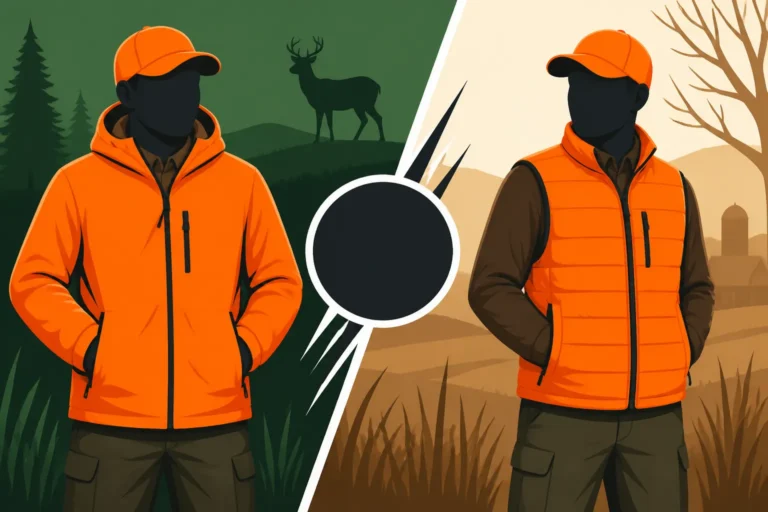
For extreme cold, especially on exposed boat rides or long sits in open blinds, an insulated parka and bibs are indispensable. These are often filled with down or synthetic insulation and feature a durable waterproof outer shell. Look for features like adjustable hoods, internal cuffs to seal out drafts, and deep pockets for gear. Your outerwear should also match your camouflage needs, blending with the environment you're hunting.
Remember that layering isn't just about adding warmth; it's about adaptability. As the day progresses, temperatures change, and your activity levels fluctuate, you should be able to easily add or shed layers to maintain a comfortable body temperature. Staying dry and warm ensures you can focus on the hunt, not on shivering.
Shotguns, Ammunition, and Shooting Accessories
When the ducks and geese finally commit to your spread on Kentucky and Barkley Lakes, your shotgun is the ultimate tool for sealing the deal. Having the right firearm, loaded with appropriate ammunition, and equipped with the correct accessories is crucial for ethical and successful harvesting.
Shotgun Types and Gauges
Choosing the right shotgun for waterfowl hunting often comes down to personal preference, but certain characteristics lend themselves well to the sport.
Semiautomatic shotguns are a popular choice due to their reduced recoil and quick follow-up shots. The gas-operated systems absorb some of the kick, making them more comfortable for shooting heavy waterfowl loads. They also allow for faster cycling of subsequent rounds, which can be critical when a flock is cupped in front of you. Pump-action shotguns are known for their rugged reliability and affordability. While they require manual cycling, many hunters prefer the robust action and the confidence of a simple, effective firearm. Both types are widely available and well-suited for waterfowl.
The 12-gauge remains the most common and versatile gauge for waterfowl hunting. Its ability to handle a wide range of shot sizes and heavy payloads makes it effective for both ducks and larger, tougher geese. While 20-gauge shotguns can be effective for ducks at closer ranges, especially with modern non-toxic loads, the 12-gauge offers a clear advantage in terms of payload and pattern density, particularly when hunting larger birds or at longer distances.
Barrel length is another consideration. While longer barrels (28-30 inches) offer a smoother swing and slightly increased velocity, shorter barrels (26 inches) are more maneuverable in tight boat blinds or thick cover. For the varied environments of Kentucky's lakes, a 26 or 28-inch barrel often strikes a good balance.
Non-Toxic Ammunition
Federal regulations mandate the use of non-toxic ammunition for all waterfowl hunting throughout the United States, including Kentucky. This means lead shot is strictly prohibited. Understanding your non-toxic options is vital.
Steel shot is the most common and affordable non-toxic option. It's effective but has some important characteristics to consider. Steel is lighter than lead, meaning larger pellet sizes are needed to achieve the same energy and penetration. It also has a tendency to pattern tighter than lead, which can be beneficial or detrimental depending on your choke choice. Many hunters will go up one or two shot sizes when using steel compared to what they might use with lead for similar game.
For hunters seeking better performance, several alternative non-toxic materials are available, albeit at a higher cost. These include bismuth, tungsten-matrix, and other blends (like Kent Bismuth or Hevi-Shot). These materials are denser than steel, mimicking the ballistic properties of lead more closely. This means you can often use smaller shot sizes for the same effectiveness, resulting in more pellets per shell and denser patterns. This can be a significant advantage when targeting high-flying geese or wary ducks. Where Nontoxic Shot Is Required in Kentucky and Waterfowl Loads for Kentucky Lake Divers are crucial reads for understanding these requirements and choices.
When selecting shot size, match it to your target species and anticipated ranges. For smaller ducks at closer ranges, #3 or #4 steel shot might suffice. For larger ducks and mid-range shooting, #2 or BB steel is often preferred. When targeting geese, especially larger Canada geese, BBB or T shot in steel, or #2 or BB in denser alternatives, can provide the necessary punch.
Chokes and Patterning
Your shotgun is only as effective as the pattern it produces. Understanding and utilizing different chokes and then patterning your shotgun are crucial steps for maximizing your shooting success.
A choke is a constriction at the end of your shotgun barrel that controls the spread of the shot pattern. Common choices for waterfowl include Modified, Improved Cylinder, and Full. Modified choke is often a versatile choice, providing a good balance of spread and density for shots between 25-40 yards. Improved Cylinder offers a wider pattern, excellent for close-range decoying birds where a broad spread increases your chances. For steel shot, which patterns tighter, many hunters find a Modified or Light Modified choke produces patterns similar to a Full choke with lead. A true Full choke with steel shot can create excessively tight patterns, potentially damaging your barrel or resulting in inconsistent breaks.
The single most important thing you can do for shooting success is to pattern your shotgun with your chosen ammunition. This involves shooting at large paper targets at various distances (e.g., 20, 30, 40 yards) to see how your specific gun, choke, and ammunition combination performs. You might be surprised at the difference between brands or shot sizes. This patterning will reveal your effective range and help you understand how dense your pattern is at those distances. This knowledge allows you to make ethical shots and avoid wounding birds by attempting shots beyond your effective range.
Some hunters also utilize variable chokes or adjustable chokes, which allow you to quickly change the constriction without swapping out a fixed choke tube. This can be very useful if your hunting scenario changes, perhaps from close-in decoying to longer pass-shooting opportunities throughout the day.
Gun Cases and Maintenance
Protecting your shotgun is just as important as choosing it. Waterfowl hunting is notoriously hard on gear, and your firearm is no exception.
A waterproof floating gun case is an absolute necessity for boat hunts on Kentucky and Barkley Lakes. Accidents happen, and a gun overboard in frigid water can be ruined if not protected. These cases will keep your firearm dry and safe from spray, rain, and accidental submersion. Look for cases with robust zippers and padding.
Regular cleaning and maintenance are critical, especially after exposure to moisture. Water, mud, and spent gunpowder residues can quickly lead to rust and malfunction. Break down your shotgun, clean the barrel and action, and apply a light coat of rust preventative oil after every few hunts or after any particularly wet outing. A good cleaning kit, including brushes, patches, and solvent, should always be part of your gear.
Finally, consider a comfortable and durable sling for your shotgun. Walking to and from your blind, especially over uneven terrain or through flooded areas, can be made much easier with a quality sling that distributes the weight. Ensure it's made from a waterproof or quick-drying material that won't absorb water and become heavy or uncomfortable.
Navigation, Safety, and Emergency Gear
Hunting vast bodies of water like Kentucky Lake and Lake Barkley isn't just about bagging birds; it's fundamentally about safety. The unpredictable nature of large lakes, coupled with cold weather and pre-dawn darkness, means you must be prepared for any eventuality. Navigation tools and emergency gear are not optional; they are essential for every waterfowl hunt.
GPS and Mapping Tools
Knowing exactly where you are and where you're going is critical, especially when navigating flooded timber or featureless open water in the dark or fog. A reliable GPS unit or a robust mapping app on your smartphone is indispensable.
Dedicated handheld GPS units are incredibly durable and often waterproof, with long battery lives. They allow you to mark your boat ramp, blind locations, and even retrieve downed birds in thick cover. Many hunters also rely heavily on smartphone apps like GoHunt, which can provide detailed aerial photography, topographic maps, and even public land boundaries. These are invaluable for scouting new spots, understanding water depths, and planning entry and exit routes. The GoHunt app, with its onX Layers for Kentucky Land Status integration, allows you to determine property lines and avoid accidental trespassing, which is crucial when hunting areas adjacent to private land. Always ensure your phone is fully charged and preferably in a waterproof case.
Never rely solely on electronic devices. Waterfowl hunting often takes you to remote areas with no cell service, and batteries can die in the cold. Carrying a physical map of the lake and a compass as a backup is a smart move. Even if you rarely use them, knowing how to interpret them could be a lifesaver in an emergency. Being aware of the lake's constantly changing water levels is also important, as what was open water last week could be a mud flat or an impassable obstruction this week.
Personal Flotation Devices PFDs
This one is simple: Personal Flotation Devices (PFDs), or life jackets, are not optional—they are mandatory and non-negotiable. Every person on your boat must have an easily accessible, Coast Guard-approved PFD. More importantly, everyone should be wearing their PFD, especially during pre-dawn runs, in rough water, or when water temperatures are low.
There are various types of PFDs, from inherent buoyancy vests that are always floating to inflatable models that deploy with a pull cord or upon water immersion. Inflatable PFDs are less bulky and more comfortable to wear, making hunters more likely to keep them on, but they require regular inspection and rearming. Regardless of the type, ensure your PFDs are in good condition, correctly sized for each wearer, and readily available. Hypothermia sets in rapidly in cold lake water, and struggling to don a PFD after falling in could be too late.
Emergency Signaling and Communication
Being able to call for help or signal your location is vital if something goes wrong.
A marine radio (VHF) is critical for communication on large bodies of water. Cell phones may not have service, but a VHF radio can reach the Coast Guard or other boaters. Learn how to use it for routine communication and emergency calls (Channel 16).
Always carry a fully charged cell phone in a waterproof case. While service can be spotty, it's your best bet for direct communication if available. Make sure to tell someone reliable your float plan – where you are going, when you expect to be back, and who is with you. This simple step is one of the most important safety measures you can take.
Beyond electronic communication, carry manual signaling devices. A loud whistle or an air horn can alert nearby boats to your presence, especially in fog or low light. Flares can be used to signal distress over longer distances. A reliable headlamp or flashlight is also essential, not just for navigating in the dark but for signaling if you become stranded.
First Aid and Survival Kits
Even with the best planning, accidents can happen. A well-stocked first aid kit is essential, capable of handling everything from minor cuts and scrapes to more serious injuries. Include items for treating hypothermia, such as a space blanket and chemical hand warmers. Consider where you're hunting – a robust First Aid Kits for Remote Daniel Boone Forest Ground would be applicable to remote lake hunting too.
Beyond basic first aid, a small survival kit can be invaluable. This might include a multi-tool or knife, a fire starter (waterproof matches or a lighter), an emergency space blanket, and some high-energy snacks. Pack enough drinking water, as dehydration can sneak up on you even in cold weather. Being prepared for an unexpected overnight stay can make a significant difference in a survival situation.
Bird Handling, Retrieval, and Meat Care
The moments immediately following a successful shot are crucial, not only for recovering your harvest but also for ensuring the game meat is handled properly. On Kentucky and Barkley Lakes, this often involves navigating challenging terrain and fluctuating temperatures, making the right gear for retrieval and meat care just as important as your shooting setup.
Retrieval Dogs and Dog Gear
For any serious waterfowl hunter, a well-trained retriever is invaluable. Their ability to retrieve downed birds from frigid water, thick cover, or deep mud saves you time, keeps you dry, and ensures fewer birds are lost. A good retriever is more than just a tool; they're a trusted hunting partner.
Your dog needs its own specialized gear to stay safe and effective. A dog blind or stand is essential to keep your retriever warm, dry, and concealed in the boat or on the shoreline. This protects them from the elements and prevents them from moving too much, which could spook incoming birds. Ensure it's stable and provides enough room for your dog to comfortably watch the skies.
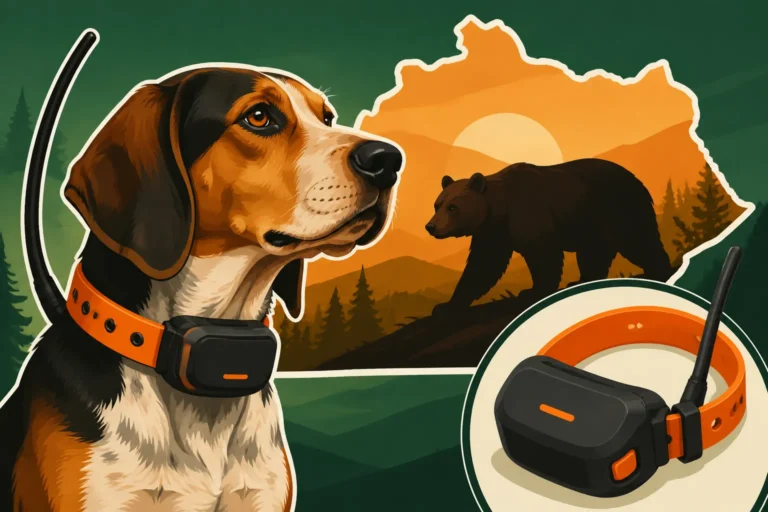
A dog vest serves multiple purposes. It provides additional warmth in cold water, protects against abrasions from ice or submerged debris, and can make your dog more visible in low light or thick cover, especially if it's blaze orange or a bright camo pattern. Choose a vest that fits snugly but allows full range of motion. For training, floating bumpers are excellent, helping your dog develop strong retrieving habits. When considering dog gear, GoHunt also has some excellent articles about selecting the right gear for various hunting dogs. Dog Vests for Cold Water Retrieves is an excellent resource for this.
Game Straps and Bags
Once a bird is retrieved, you need efficient ways to manage your harvest. Game straps are simple yet incredibly useful. These fabric or rope straps with loops allow you to easily carry multiple birds from the blind back to your boat or vehicle, freeing up your hands for other gear or navigating tricky terrain. They keep the birds together and prevent them from dragging through mud or water.
For warmer early season hunts or when you anticipate a longer duration until you can get your birds on ice, mesh game bags are a great choice. The mesh allows for air circulation, which helps to cool the birds down more quickly and can prevent spoilage. These bags are also easy to wash and dry. Always ensure you have a sharp field dressing knife and some disposable gloves on hand for bleeding birds immediately, as proper bleeding is crucial for good meat quality.
Coolers and Ice
Proper meat care starts immediately after the harvest. A large, high-quality insulated cooler is absolutely critical for preserving the quality of your waterfowl. Kentucky's fall and winter days can have surprisingly warm spells, and even on cold days, a pile of ducks left in the sun can quickly degrade.
Fill your cooler with plenty of ice. Block ice lasts significantly longer than cubed ice, making it a better choice for all-day hunts or multi-day trips. Place your birds directly on the ice, ensuring they are well-chilled as quickly as possible. Rapid cooling inhibits bacterial growth and significantly improves the taste and longevity of the meat.
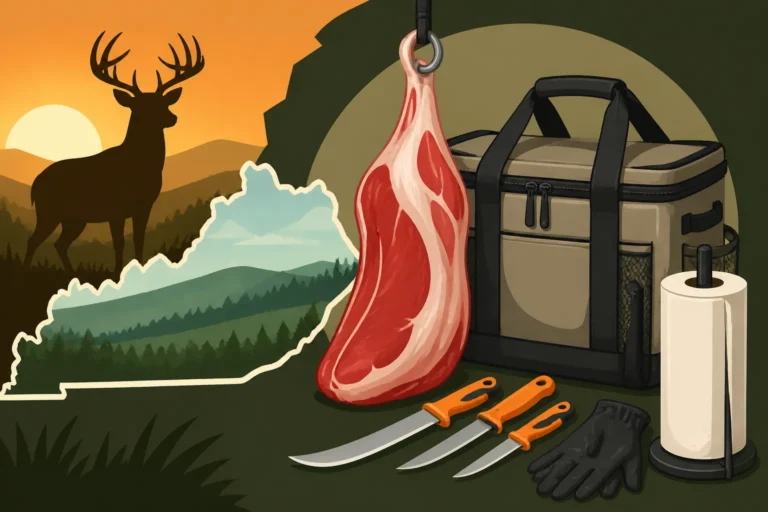
Remember the importance of proper game handling. For example, similar principles apply to waterfowl as handling venison from a CWD surveillance county, in that careful cooling and cleanliness are paramount. If you're hunting near a check station or plan to clean your birds at home, ensure your cooler is large enough to transport your full bag limit. Keeping your game clean and cool from the moment it's harvested is the best way to honor the animal and enjoy the fruits of your labor.
Packs, Bags, and Organization
Efficient organization might not seem as exciting as a new shotgun, but it's the glue that holds a successful waterfowl hunt together on Kentucky and Barkley Lakes. The right packs and bags keep your essential gear dry, protected, and easily accessible, preventing frantic searches in the dark or fumbling in the cold.
Blind Bags and Decoy Bags
Your blind bag is essentially your personal command center in the field. This waterproof, durable bag holds all your immediate essentials. Think calls, extra ammunition, snacks, a thermos of coffee, a spare pair of gloves, a headlamp, and a small first-aid kit. Look for a bag with multiple compartments and internal organizers to keep everything tidy and easy to find in the pre-dawn gloom. A waterproof bottom or feet can keep your gear dry when sitting in shallow water or mud. A good blind bag should be able to withstand getting wet and muddy, yet keep its contents pristine. When packing your blind bag, consider items like those in first aid kits for remote Daniel Boone Forest ground, customized for your waterfowl trip.
Decoy bags are designed specifically for hauling your decoys. Mesh bags are ideal as they allow water to drain quickly, preventing your decoys from becoming waterlogged and heavy. Look for durable, heavy-duty mesh that can withstand the weight and abrasive nature of decoys being loaded and unloaded frequently. Some decoy bags have shoulder straps for easier carrying, while others are designed to fit neatly in a boat. The durability of these bags is key, as they take a lot of abuse throughout the season.
Finally, dedicated shell bags or pouches are fantastic for keeping your ammunition easily accessible in the blind. They often attach to your belt or the inside of your blind, ensuring you can quickly grab more shells without fumbling through your main blind bag.
Dry Bags and Waterproof Cases
Waterfowl hunting and water go hand-in-hand, making dry bags and waterproof cases absolutely essential for protecting sensitive items.
Dry bags are flexible, roll-top bags that, when properly sealed, are completely waterproof. They are perfect for keeping spare clothing, extra base layers, a towel, your lunch, and any non-essential electronics (like a spare phone or camera) completely dry, even if your boat takes on water or your pack gets dunked. Always pack a dry bag with an extra set of clothes, especially socks and a warm mid-layer.
For optics, rangefinders, or other delicate electronics you might carry (such as a device running the GoHunt app), hard cases offer superior protection. These cases are crushproof, waterproof, and often padded, providing the ultimate safeguard against impacts and water damage. While bulkier, they are worth the peace of mind for expensive gear.
Organizational Strategies
Effective organizational strategies simplify your hunt and enhance safety. Before every hunt, create a packing list and methodically go through it. This ensures you don't forget crucial items like your duck stamp, hunting license, or your preferred choke tube.
When packing your boat or blind, compartmentalize your gear. Keep items you'll need first (like calls, shells, headlamps) easily accessible. Store larger, less frequently needed items (like extra decoy weights or backup ropes) in dedicated spots. Securing everything in your boat is paramount. Use bungee cords or tie-downs to prevent coolers, decoy bags, and even your gun case from sliding around or, worse, going overboard in rough water. Loose gear in a boat can become a dangerous projectile during sudden maneuvers or in choppy conditions.
A well-organized hunter is a more efficient hunter, leading to a safer and more enjoyable experience on the vast waters of Kentucky and Barkley Lakes.
Comparative Table of Wader Types
| Feature | Neoprene Waders | Breathable Waders |
|---|---|---|
| Material | Synthetic rubber (Neoprene) | Multi-layered synthetic fabrics (e.g., Gore-Tex) |
| Primary Advantage | Superior warmth, very durable | Lighter, more flexible, better moisture management |
| Insulation | Inherently warm, great for cold water | Requires layering underneath for warmth, insulates less when wet |
| Comfort/Mobility | Bulky, can restrict movement, prone to overheating during exertion | Flexible, allows full range of motion, comfortable for walking |
| Drying Time | Slower to dry | Faster drying |
| Ideal Use | Stationary hunts in frigid water, harsh conditions | Active hunts, warmer weather, varied activity levels |
| Cost | Generally more affordable | Often higher initial cost |
Disclaimer
This article is for general informational purposes only and does not constitute professional advice. Laws, prices and regulations vary by location and change over time. Consult a qualified professional for guidance on your specific situation.