Ballard WMA Duck Blind Draw Rules
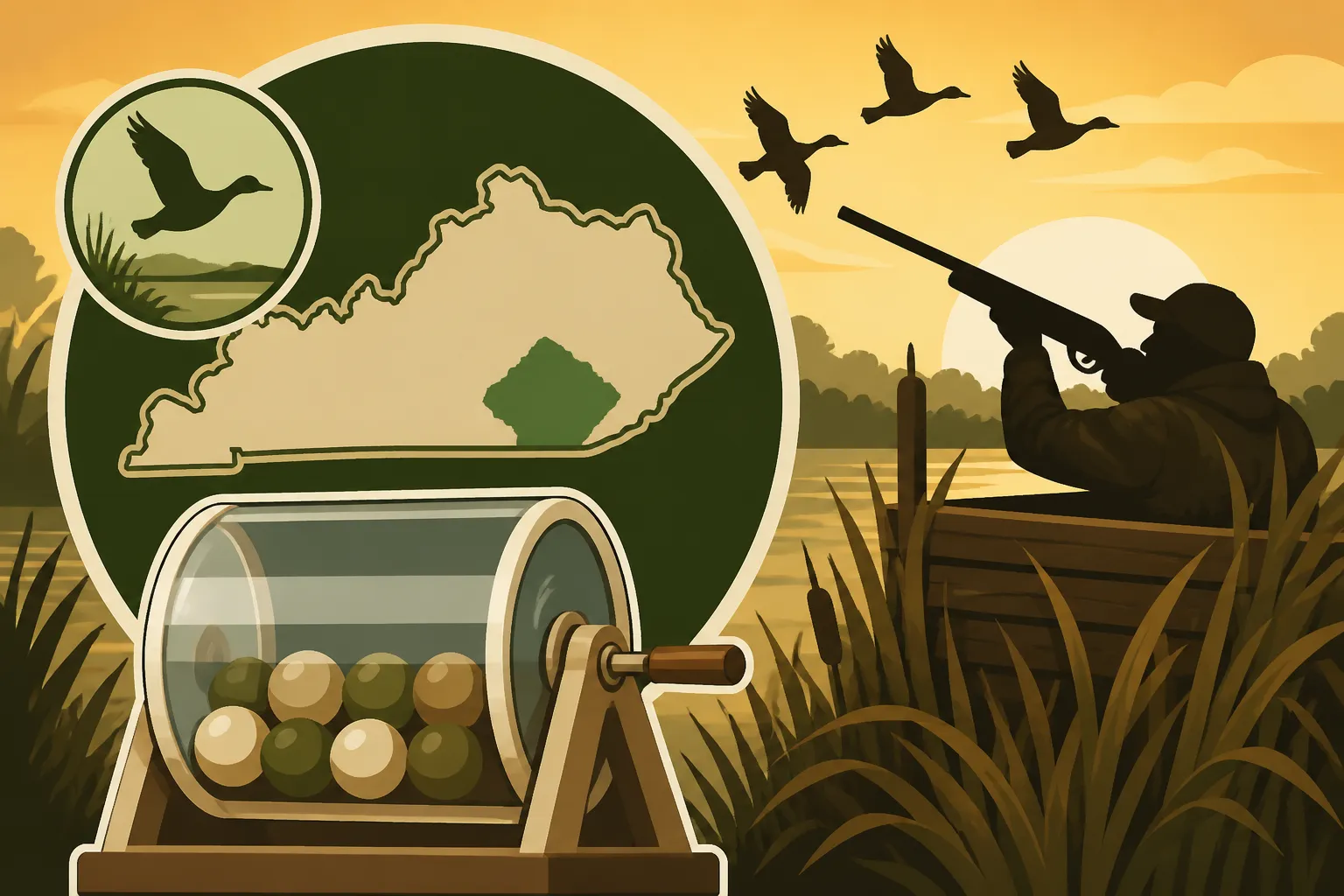
The annual duck blind draw at Ballard WMA can feel like playing the lottery, a high-stakes game for a coveted spot in one of Kentucky's most legendary waterfowl hunting locations. It's a system designed to give everyone a fair shake at hunting prime real estate, but navigating the application, understanding the draw itself, and knowing the specific rules if you're lucky enough to win can be incredibly confusing. This guide is going to break down everything you need to know about the Ballard WMA duck blind draw rules, offering clear explanations and practical advice to help you maximize your chances and understand what comes next.
Understanding the Ballard WMA Blind Draw System
Let's be honest, getting a duck blind at Ballard Wildlife Management Area is a bucket-list item for many Kentucky waterfowlers. This isn't just any old public land; Ballard County is historically significant for its role in the Mississippi Flyway, drawing in massive numbers of ducks and geese year after year. That makes the competition for a prime hunting spot incredibly fierce, and the Kentucky Department of Fish and Wildlife Resources (KDFWR) has put a system in place to try and manage that demand fairly.
Why Ballard WMA Requires a Special Draw
Ballard WMA isn't just a big piece of public land; it's a strategically managed mosaic of fields, sloughs, and water impoundments specifically designed to attract and hold migratory waterfowl. The habitat work here, from growing corn and millet to manipulating water levels, creates a waterfowl magnet. Because of this concentrated activity, and the sheer number of hunters who want a piece of it, a simple first-come, first-served system would lead to chaos, overcrowding, and potentially unsafe conditions. The draw system ensures that those who are successful get an exclusive, managed area for their hunt, reducing pressure on the birds and creating a better experience for hunters. It's frustrating to apply and not get drawn, believe me, I've been there more times than I can count. But it's ultimately for the good of the resource and the quality of the hunting.
Eligibility and Hunter Requirements
Before you even think about applying, you need to make sure you're squared away with your basic hunting requirements. It sounds obvious, but you'd be surprised how many folks overlook the simple stuff. First and foremost, you'll need a valid Kentucky hunting license. Beyond that, anyone planning to hunt waterfowl in Kentucky, including at Ballard WMA, also needs a Kentucky Migratory Bird Permit and a Federal Duck Stamp. These aren't just bureaucratic hurdles; they're vital for funding conservation efforts that directly benefit the birds you're hoping to hunt. If you're planning a trip from out of state, be sure to check the Kentucky Nonresident Hunting License Options as well, because those permits can differ.
It's also crucial to remember that Hunter Education requirements apply here, as they do across the state. If you were born on or after January 1, 1975, you'll need to have completed a KDFWR-approved hunter education course to hunt unsupervised. While an apprentice license can sometimes bridge this gap for new hunters under supervision, for something as competitive as the Ballard draw, you really want to have all your ducks in a row.
Draw Blinds Versus Open Water Hunting
It’s important to understand that the draw system at Ballard WMA specifically allocates fixed blind sites. These are typically permanent or semi-permanent structures (or designated spots where you can put up a temporary blind) in prime locations that are managed for waterfowl. Winning a draw means you get exclusive access to that specific blind and its immediate area for your designated hunt day(s). This is a stark contrast to some other public lands or even portions of Ballard that might offer "open water" hunting, where you can put out decoys from a boat or bank in unassigned areas on a first-come, first-served basis.
The beauty of a draw blind is the exclusivity. You're not competing with other hunters for space or worrying about someone setting up too close to your spread. This allows you to really focus on working the birds and enjoying the experience. However, if you don't get drawn, all hope is not lost for hunting Ballard. While the prime managed areas are blind-only, there are often other opportunities for Waterfowl Hunting Kentucky Lakes and Rivers in surrounding areas, or even some limited public access points outside the official draw zones where you might try your luck. It's just a different kind of hunt, often requiring more scouting and adaptability.
The Application Process for Ballard WMA
Getting your name in the hat for the Ballard WMA duck blind draw is fairly straightforward, but like any lottery, it's all about timing and accuracy. Missing a deadline or making a mistake on your application can cost you a shot at those coveted spots.
How to Submit Your Application
Applications for the Ballard WMA quota waterfowl hunts are generally submitted online through the KDFWR website. It's a digital process these days, which makes it convenient, but also means you need to be mindful of technical details. You'll typically be applying as an individual, and if successful, you'll be the primary permit holder for that blind. The application window is usually announced well in advance, often in late summer, giving hunters a few weeks to apply.
When you log into your KDFWR account, you'll navigate to the "Quota Hunts" or "Special Hunts" section. From there, you'll find the option for the Ballard WMA waterfowl draw. The system will prompt you for your license information and ask you to select the type of permit you're applying for (e.g., duck blind). It's crucial to double-check every piece of information you enter. I've heard stories of hunters who rushed through it, accidentally entered the wrong license number, or simply forgot to finalize their submission, and then kicked themselves when the draw results came out. It's a competitive draw, so every detail matters.
Key Application Dates and Deadlines
This is where many hunters trip up. Deadlines are absolute, and there's usually no grace period. The KDFWR generally announces these dates through press releases, their website, and their social media channels, but it's your responsibility to keep track. Typically, the application period for the Ballard WMA draw opens in late August or early September and closes sometime in late September or early October. The actual draw itself then usually takes place shortly after the application window closes, with results posted online within a few days or a week.
| Event | Typical Window (Approximate) | Important Notes |
|---|---|---|
| Application Period Opens | Late August / Early September | Check KDFWR website for exact dates annually. |
| Application Period Closes | Late September / Early October | No late applications are accepted. |
| Draw Results Announced | Early to Mid-October | Results typically posted online to your KDFWR account. |
| Blind Selection Period | Mid to Late October | Successful applicants choose specific blind dates. |
| Hunt Dates Begin | November (with waterfowl season) | Aligns with regular Kentucky Duck and Goose Zone Rules. |
My advice? As soon as the KDFWR releases the official dates for the year, mark them on every calendar you own – digital, physical, whatever works. Set reminders on your phone. Tell your hunting buddies to remind you. It's too important to miss.
Common Application Mistakes to Avoid
Beyond missing the deadline, there are a few other pitfalls I've seen hunters fall into that can disqualify their application or lead to unnecessary headaches:
- Incomplete Information: Make sure all required fields are filled out accurately. A missing license number or an incorrectly entered ID can invalidate your entry.
- Duplicate Applications: Most draw systems explicitly state that submitting multiple applications under the same name or using different IDs for the same individual is prohibited and will result in disqualification. Don't try to game the system; it rarely works and often leads to bans.
- Assuming Renewal: Just because you applied last year doesn't mean your application is automatically renewed. You have to submit a new application every year.
- Incorrect License Type: Ensure you have purchased the correct Kentucky hunting license, migratory bird permit, and federal duck stamp before you apply. The system will likely verify these credentials. For more details on what's required, review Kentucky Hunting Licenses and What They Cost.
- Not Confirming Submission: After you fill everything out, make sure you hit the "submit" or "confirm" button and receive a confirmation number or email. If you don't get confirmation, assume your application didn't go through.
Taking a few extra minutes to review your application thoroughly before hitting submit can save you a lot of grief and ensure your shot at a Ballard WMA blind is legitimate.
What Happens During and After the Draw
So, you've submitted your application. Now comes the nervous waiting game. It's a nail-biting period, where every email notification has you hoping for good news. But what exactly happens behind the scenes, and what's next if you get drawn (or, let's be realistic, if you don't)?
The Drawing Event and Notification
The Ballard WMA duck blind draw is typically a computerized, random lottery. This ensures fairness and eliminates any human bias. Each valid application is given a unique identifier, and the system randomly selects the winners. The KDFWR typically conducts these draws shortly after the application period closes. While the draw itself isn't a public event, the results are certainly made public, at least to the applicants.
Notification of successful applicants is usually done electronically. You'll often receive an email notification or, more commonly, you'll need to log into your KDFWR account to check your draw results. It's a moment of pure excitement if you see that "successful" message pop up! For those who aren't drawn, it's a familiar feeling of disappointment, but don't let it deter you from trying again next year.
Blind Site Selection for Successful Applicants
This is where winning really starts to feel real. If you're one of the lucky few, you'll be assigned a specific window of time to select your blind site and hunt dates. This selection process is usually done online, on a first-drawn, first-pick basis. What does that mean? If your application was one of the first few drawn, you'll get an earlier time slot to log in and choose your preferred blind and dates. The later you were drawn, the fewer options you'll have.
This part can be intense. Imagine seeing a map of Ballard WMA with all the available blind sites and a calendar of dates. You need to quickly decide which blind offers the best potential for your hunt, considering factors like wind direction, traditional flight paths, and how many other hunters will be in your party. I've always stressed the importance of knowing the WMA well beforehand. Tools like onX Hunt or GoHunt can be invaluable here. You can scout the Ballard Wildlife Management Area virtually, looking at topography, proximity to feed fields, and water features. Having a few backup blind choices and dates already in mind can save you from a frantic, last-minute decision when your selection window opens. It really pays to do your homework!
What to Do If You Don't Win a Blind
Let's face it, the odds are often stacked against you in these popular draws. If you don't get drawn for a Ballard WMA blind, it can sting. But it's not the end of your waterfowl season! Kentucky offers plenty of other fantastic opportunities.
- Explore Other WMAs: Many other Wildlife Management Areas across the state offer excellent waterfowl hunting, often on a first-come, first-served basis for blinds or open water hunting. Places like Sloughs WMA in western Kentucky, or even some areas within Hunting Land Between the Lakes Waterfowl can provide great action.
- Public Lands and Rivers: Don't forget about Kentucky's vast river systems like the Ohio and Mississippi, or large lakes like Kentucky Lake and Lake Barkley. These often have publicly accessible areas where you can run a boat hunt or set up a shore blind. Scouting is key here to find those honey holes where birds consistently funnel. You might find some excellent opportunities by Reading a Bottomland Slough for a Morning Flight.
- Private Land: Sometimes, the best opportunities are found by Knocking on Doors in Western Kentucky Farm Country and asking for permission on private land, especially cut corn or bean fields near water.
- Focus on Other Species: If waterfowl isn't happening, maybe it's a good year to focus on Kentucky's Fall Turkey Season, Grouse and Small Game Hunting in Kentucky, or even predator hunting.
The key is to not get discouraged. Every year is a new opportunity, and sometimes, the best hunts are those you put the most effort into finding yourself, outside of a draw.
Key Rules and Considerations for Blind Holders
Congratulations, you won a blind! That's awesome, but the responsibility doesn't end there. Holding a permit for a Ballard WMA blind comes with a strict set of rules and regulations designed to ensure safety, fair chase, and the continued quality of hunting for everyone. Ignoring these rules can lead to citations, loss of hunting privileges, and even bans from future draws.
Blind Regulations and Use
The blind you've been assigned is your responsibility for your designated hunt dates. Here are some critical points to remember:
- Permit Holder Presence: The individual whose name is on the permit must be present and actively hunting at the blind. You cannot send someone else in your place. This is a common rule for most quota hunts.
- Party Size Limits: There are typically strict limits on the number of hunters allowed in a blind, often two to four people. Make sure your party size adheres to these rules. Overcrowding a blind is unsafe and illegal.
- Blind Integrity: You are generally not allowed to modify or damage the permanent blind structure. If you're in a designated temporary blind site, you can set up your own portable blind, but you must remove it completely at the end of your hunt. Leave no trace.
- Access: Access to your blind will often be via designated routes, which may include specific boat ramps or access points. Do not cut across closed areas or private land to reach your blind.
- Scouting Restrictions: While pre-season scouting is generally permitted, there might be specific regulations regarding when and how you can scout within the WMA, especially near the blinds themselves. Always check the current year's regulations for Ballard WMA.
Hunt Day Rules and Decoy Limits
Once you're in your blind, the rules continue. These are often in place to maintain a high-quality hunt and prevent unfair advantages.
- Shooting Hours: Adhere strictly to legal shooting hours, which are typically one-half hour before sunrise to sunset. These are universal for waterfowl hunting in Kentucky.
- Decoy Limits: Ballard WMA often has specific limits on the number of decoys you can deploy. This helps prevent hunters from "hogging" a huge area of water and makes it fair for everyone. For example, you might be limited to 50 decoys per blind. Always check the official KDFWR waterfowl guide for the current season's specific decoy limits for Ballard. Setting up a realistic spread is key, and sometimes less is more.
- Calls and Electronics: Electronic calls for waterfowl are illegal. You must use mouth-operated calls. Thermal and night vision devices for locating game are also generally prohibited for hunting purposes, though you can use them for tracking wounded game.
- Ammunition: Only non-toxic shot (steel, bismuth, tungsten-alloy, etc.) is permitted for waterfowl hunting in Kentucky, including at Ballard WMA. Lead shot is strictly forbidden. This is a critical environmental regulation.
- Retrieval: While you can use a dog to retrieve birds, they must be kept under control and not interfere with other hunters. Ensure your dog is properly trained and collar-ready.
Checking Requirements and Post-Hunt Responsibilities
Your responsibilities don't end when the birds stop flying. Proper reporting and site cleanup are essential.
- Harvest Reporting (Telecheck): All harvested waterfowl must be reported through the Kentucky Telecheck system. This is a mandatory step that helps the KDFWR gather vital data on harvest numbers, which in turn influences future season dates and bag limits. You'll typically have a specific window, often by midnight on the day of harvest, to report your birds. Information like the species, sex (if applicable), and date of harvest will be required. For a rundown on the process, look up Kentucky Turkey Checking Requirements which details a similar system for other game.
- Site Cleanup: Leave your blind site cleaner than you found it. This means picking up all shell casings, empty food wrappers, discarded decoys, and anything else you brought in. Trash left behind is not only disrespectful to other hunters and the WMA staff but can also lead to citations. Pack it in, pack it out!
- Carcass Disposal: Dispose of bird carcasses properly. Do not leave them scattered around the blind site or dump them in the water. Take them with you for proper disposal, or follow any specific WMA guidelines for off-site disposal. This is particularly important for disease prevention and general sanitation.
The Ballard WMA duck blind draw is a challenging one to win, but the experience of hunting this storied ground is truly special. By understanding the application process, the rules of the draw, and your responsibilities as a permit holder, you'll be well-prepared, whether you're submitting your application or setting your decoys in a hard-won blind. Good luck out there, and may the odds be ever in your favor!
Disclaimer
This article is for general informational purposes only and does not constitute professional advice. Laws, prices and regulations vary by location and change over time. Consult a qualified professional for guidance on your specific situation.