Green River Lake Deer Quota Hunts
The dream of a quality public land deer hunt in Kentucky often bumps up against the reality of crowded woods and heavily pressured deer. It can feel like you're constantly competing for space, or that the best spots are always taken before you even get a chance. This struggle is real, and it can leave you wondering if there's a better way to experience Kentucky's abundant deer resource on public ground. This guide is going to dive deep into Green River Lake's special deer quota hunts, offering a detailed look at how these managed opportunities can provide a more fulfilling and potentially more successful hunting experience for those willing to navigate the application process.
Understanding Kentucky's Deer Quota Hunts
Kentucky's landscape is diverse, from the rugged mountains of the east to the rolling farmland of the west, and with that diversity comes varying deer populations and hunter pressure. To manage these resources effectively and provide unique hunting experiences, the Kentucky Department of Fish and Wildlife Resources (KDFWR) implements special deer quota hunts on certain public lands, including various Wildlife Management Areas (WMAs) and state parks. These hunts are a departure from the general statewide deer seasons, which allow hunters with valid licenses and permits to pursue deer almost anywhere legally open to hunting.
The core idea behind a quota hunt is quite simple: limit the number of hunters in a specific area during a specific timeframe. This isn't about restricting access arbitrarily; it's a strategic management tool. By controlling hunter density, wildlife managers can achieve several goals. Firstly, it often leads to a higher quality hunting experience for those drawn, as you're not bumping into other hunters around every bend. Secondly, it can be used to manage deer populations more precisely in areas that might otherwise experience over-harvest or, conversely, under-harvest due to specific access challenges or social pressures. For hunters, the payoff can be significant: less competition, a more natural deer behavior pattern, and often, the chance to pursue older, more mature deer that might be more elusive in heavily hunted general season areas.
However, getting into a quota hunt isn't as simple as just showing up. These hunts require an application process, which usually involves a specific window of time each year. This means you have to be proactive, stay informed about the KDFWR's announcements, and accept that there's a lottery system involved. You might not get drawn every year, and that can certainly be a source of frustration, especially when you've got your heart set on a particular area. But for many, the potential rewards of a less pressured hunt are well worth the annual gamble. It’s an investment in the experience as much as it is in the hunt itself.
What Makes Green River Lake WMA Special for Deer Hunting?
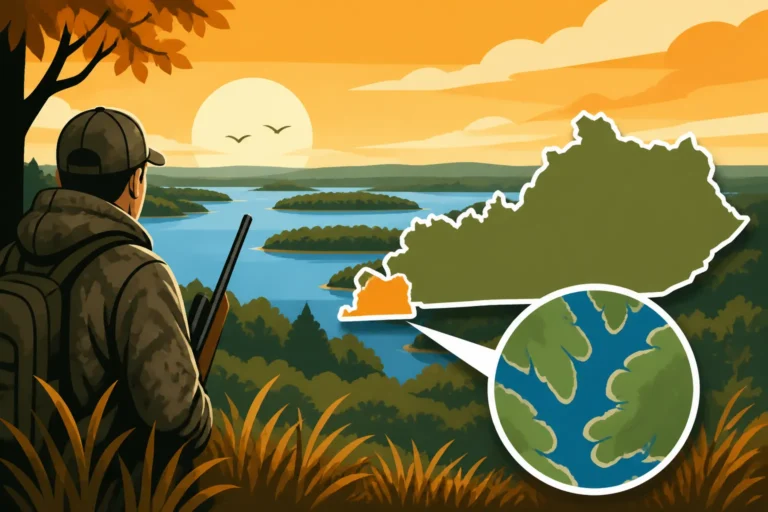
Nestled in the heart of central Kentucky, Green River Lake Wildlife Management Area offers a truly unique backdrop for these special quota hunts. This isn't just another patch of public timber; it's a sprawling area surrounding a massive flood control lake, meaning the landscape is dominated by mature hardwood forests, interspersed with agricultural fields, creek bottoms, and miles of lake shoreline. This diverse habitat creates an ideal environment for white-tailed deer, providing ample food, cover, and water sources.
The terrain at Green River Lake is often rolling, with numerous fingers of timber running down to the lake and its many arms. You'll find everything from steep, challenging slopes to more accessible creek bottoms and flatter ridge tops. This variety means that deer have plenty of places to hide and patterns can shift based on food availability and pressure. The lake itself acts as a natural barrier, creating pockets of less accessible terrain that can hold mature deer year-round. While the area sees significant recreational use, especially during warmer months, the deer quota hunts isolate specific times and sections, transforming it into a dedicated hunting ground. Public Hunting Land in Kentucky gives a broader overview of opportunities, but Green River Lake stands out for its specific managed hunts.
What truly elevates Green River Lake for deer hunting, particularly for quota hunts, is the potential for quality deer. Because hunter numbers are controlled, deer often have a chance to age, leading to a healthier buck-to-doe ratio and larger antler growth than might be seen in areas with constant high pressure. Hunters drawn for these permits often report seeing more deer, and those deer often exhibit less skittish behavior. This isn't to say it's an easy hunt—far from it. The deer are still wild, the woods are still challenging, but the odds of encountering a mature animal acting naturally are significantly improved. The habitat offers excellent bedding cover in thickets and deep hollows, while acorns, browse, and agricultural edges provide consistent food sources throughout the fall and winter, crucial for Late-Season Food Sources for Kentucky Whitetails.
Navigating the Application Process for Green River Lake Quota Hunts
So, you're intrigued by the promise of a Green River Lake quota hunt. The next hurdle is the application process. This isn't like simply buying your annual Kentucky Hunting Licenses and What They Cost and heading out; it requires a bit more foresight and planning.
The KDFWR typically opens the application period for special hunts, including those at Green River Lake, well in advance of the hunting season. This usually happens in the spring or early summer. You'll need to submit your application through the KDFWR's online portal. The key here is to mark your calendar and pay close attention to the announced application dates. Missing the deadline means missing out for the entire season, and trust me, that's a frustrating feeling.
When you apply, you'll need to specify which hunt types and locations you're interested in. For Green River Lake, there might be different hunt types offered – for example, archery-only hunts, or specific firearm hunts. Each type and location will have a limited number of permits available. You'll generally need a valid Kentucky hunting license and the appropriate statewide deer permits before you can even apply for a quota hunt. If you're selected, that quota hunt permit is in addition to your regular licenses. The KDFWR website is your best friend here, as it will detail all current requirements.
One aspect that often causes anxiety for hunters is the draw odds. Let's be realistic: these are popular hunts, and more people usually apply than there are permits available. Some hunters use preference point systems, if available, to improve their chances over time, but for most, it's simply a matter of luck in a lottery system. Don't let this discourage you, though. The only way to get drawn is to apply. If you're fortunate enough to be drawn, you'll receive notification, and your quota hunt permit will be issued. This permit will detail your specific hunt dates, any special regulations for that particular hunt, and the boundaries you're allowed to hunt within. Pay very close attention to these details, as quota hunts often have unique rules that differ from the general statewide season. Remember to follow Kentucky Deer Harvest Reporting Rules diligently if you're successful.
Strategies and Considerations for Hunting Green River Lake
Being drawn for a Green River Lake quota hunt is just the first step; now comes the real work: figuring out how to successfully hunt it. This isn't a walk in the park, but with a strategic approach, your chances improve dramatically.
Pre-Season Scouting is Paramount:
Even with reduced hunter numbers, you can't just show up and expect deer to be waiting. Pre-season scouting, well before your hunt dates, is absolutely critical. Start by utilizing online mapping tools like onX Hunt or even the KDFWR's own Using the Kentucky Hunt Fish Map Tool. These resources allow you to digitally scout for potential bedding areas, food sources, water, and pinch points. Look for topographical features like saddles, ridges, and creek crossings that deer are likely to use. Identify various access points, but also look for areas that are harder to reach, as these often hold less pressured deer. Think about how deer will move from bedding to feeding, and identify funnels. Pay attention to anything that might provide natural cover or a preferred travel corridor. While Green River Lake isn't Daniel Boone National Forest, many of the principles for Reading Aerial Photos for Eastern Kentucky Deer still apply.
Tactics Tailored to the Terrain:
Green River Lake offers diverse terrain, so your tactics need to be adaptable.
- Treestands and Saddles: These are often excellent choices, especially in the mature hardwoods. Focus on travel corridors between bedding and feeding, or along ridge lines. Consider the wind and thermals, especially near water. Treestand Setups in Daniel Boone National Forest provides solid advice that can be adapted for the similar challenges of Green River.
- Ground Blinds: If you're hunting along field edges, thicker creek bottoms, or areas where vertical cover is sparse, a well-brushed-in ground blind can be incredibly effective. Ensure it's set up well in advance if possible, to allow deer to get used to it.
- Still-Hunting: For those who prefer a more active approach, still-hunting through the timber, moving slowly and deliberately, can pay off. Focus on moving into the wind, pausing frequently to observe. This is especially effective in areas with good visibility and less dense undergrowth.
Finding Undisturbed Pockets:
Even with limited permits, some areas will naturally draw more attention. Use your scouting to identify spots that might be harder to access or are simply overlooked. Sometimes this means a longer walk, or finding a less obvious entry point. Think about water access: can you use a small boat or kayak to access areas of the WMA that are otherwise difficult to reach on foot? These "hidden" spots often yield fantastic results simply because deer feel safer there. You’ll want to be mindful of Hunting Pressure on Kentucky Public Land and actively seek out ground others walk past.
Weather, Food, and Timing:
Kentucky weather can be unpredictable. Be prepared for anything from warm, drizzly days to freezing temperatures and snow. Layer your clothing appropriately. The timing of your hunt within the quota season can also impact deer behavior. Early season hunts might find deer still in summer patterns, while late season hunts will see deer heavily focused on calorie-rich food sources. Acorns are a huge draw when available, but if it's a poor acorn year, deer will shift to other mast, browse, or agricultural fields. Researching acorn crop forecasts can be helpful. And of course, if your hunt falls during the peak of the rut, understanding Hunting the Rut in Early November can dramatically increase your chances.
Here's a quick comparison of the general season versus a quota hunt experience:
| Aspect | General Deer Season (Kentucky Public Land) | Green River Lake Deer Quota Hunt |
|---|---|---|
| Hunter Density | Can be very high, especially opening days/weekends | Significantly lower, restricted by permits |
| Deer Behavior | Often skittish, nocturnal, highly pressured | More natural, less pressured, potentially more daytime movement |
| Success Potential | Varies widely, requires intense effort to beat pressure | Generally higher per hunter due to reduced pressure |
| Application Process | No application beyond standard license/permits | Mandatory application, lottery draw required |
| Flexibility | Hunt any open public land | Confined to specific WMA & hunt dates |
| Quality of Experience | Can be frustrating with crowds | Often a more solitary, higher-quality hunt |
| Blaze Orange/Pink Req. | Mandatory during modern gun seasons | Mandatory during most firearm hunts, check specific permit rules |
Always double-check the specific regulations for your Green River Lake quota hunt permit. These hunts often have unique rules regarding antler restrictions, bag limits, and even blaze orange requirements that might differ from the statewide norms. Knowing your permit inside and out, combining that with thorough scouting, and being prepared for the challenge will set you up for a memorable experience at Green River Lake.
Disclaimer
This article is for general informational purposes only and does not constitute professional advice. Laws, prices and regulations vary by location and change over time. Consult a qualified professional for guidance on your specific situation.