Kentucky’s Statewide Modern Gun Season
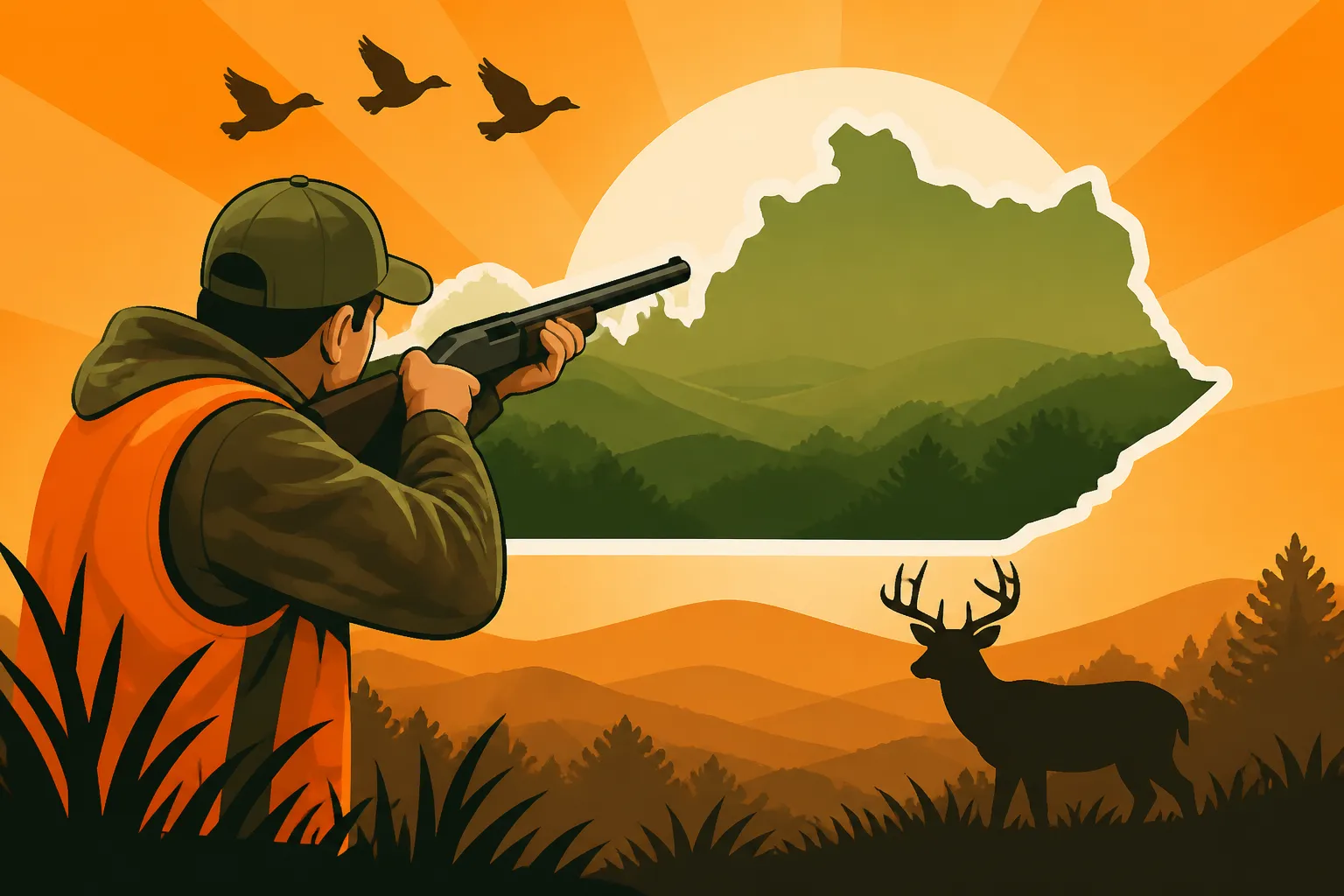
The modern gun season for deer in Kentucky is often seen as the crown jewel of the hunting calendar, drawing countless hunters into the woods. But let's be honest, while it’s incredibly popular, it also comes with its own unique set of challenges, from navigating crowded public land to understanding the nuances of statewide regulations and making the most of a relatively short window. This comprehensive guide is here to walk you through everything you need to know to not just survive, but truly thrive during Kentucky’s statewide modern gun deer season, helping you strategize, prepare, and hopefully, fill your freezer.
Understanding Kentucky's Modern Gun Season Framework
Kentucky's modern gun deer season is a unique beast, standing out with its unified approach that often catches hunters from other states by surprise. It's not a fragmented system with different opening and closing dates for various regions; instead, it blankets the entire state in a consistent set of rules for a specific period. This consistency is both a blessing and a a curse, offering clarity but also concentrating hunting pressure.
Key Dates and Statewide Uniformity
Unlike the staggered openers you might find elsewhere, Kentucky's modern gun season typically kicks off on the second Saturday in November, running for a total of sixteen days. This single, statewide opening weekend is arguably the busiest two days of the year in the Kentucky woods, with deer hunters flocking to their favorite spots. The Kentucky Department of Fish and Wildlife Resources (KDFWR) has structured it this way for good reason, aiming to simplify regulations and provide a significant, accessible hunting opportunity for everyone across the Commonwealth. This approach means that whether you're chasing whitetails in the vast timber of Daniel Boone National Forest or the rolling farmlands of Western Kentucky, the dates are the same. It removes the guesswork and the need to constantly check county-specific schedules, which can be a real headache. Knowing Why Modern Gun Runs the Same Dates Statewide can help you appreciate the KDFWR's strategy.
The Significance of the Statewide Approach
This statewide uniformity has profound implications for hunters and the deer herd alike. For starters, it means a massive influx of hunting pressure hits the woods all at once. Deer, which might have been moving predictably during the quieter archery or early muzzleloader seasons, suddenly become much warier. They adjust their patterns, often becoming more nocturnal or seeking out the thickest, most impenetrable cover they can find. This shift demands a different hunting strategy than you might employ during the calmer phases of Bowhunting Kentucky's Long Archery Season.
Furthermore, the timing of the gun season is critical. It typically falls squarely within the peak of the rut across much of Kentucky, especially for the larger, more mature bucks. This synchronicity means that despite the increased pressure, there's a strong chance to encounter bucks actively cruising for does, making them more susceptible to daylight movement. The uniform season also helps manage the herd effectively by ensuring a significant harvest opportunity across all deer management zones, contributing to overall herd health and balancing populations with habitat capacity.
Common Misconceptions About Gun Season Dates
Many hunters, especially those new to Kentucky or coming from states with different regulations, often misunderstand the rigidity of the statewide modern gun dates. Some might assume there are special weekends or extended periods for certain areas, or that private land offers different date structures. This isn't the case. The 16-day window is it, period. There's no flexibility for individual landowners to open their property early or keep it open late for gun hunters. This strict adherence to a single statewide season for modern firearms simplifies enforcement and ensures fairness, but it means you need to plan your vacation days and hunting trips meticulously around this specific timeframe. Another misconception is that the gun season completely overrides other seasons; while it's the dominant season, archery hunting, for example, often continues concurrently with the gun season, creating a unique overlap for those who hunt with multiple methods. However, always be mindful of Kentucky's Blaze Orange Requirements for archery hunters during these overlapping periods.
Essential Gear and Firearm Regulations for Gun Season
Stepping into the Kentucky woods during modern gun season requires more than just a hunting license and a willingness to be there. You need the right tools for the job, and crucially, you need to understand the legal framework governing those tools. Failing to do so can lead to a ruined hunt, fines, or worse.
Legal Firearms and Ammunition for Deer
Kentucky has a fairly broad, yet specific, set of regulations regarding what firearms are permissible for deer hunting. Generally, centerfire rifles, shotguns, and handguns are allowed. When it comes to rifles, there are minimum caliber requirements to ensure humane kills. For instance, you can't just take any rifle out there; centerfire rifles must be .24 caliber or larger. Straight-wall cartridge firearms are also a popular choice, especially in areas where shorter ranges are expected or where certain local ordinances might apply. Common choices like the .30-06, .308, .270, and 6.5 Creedmoor are all perfectly legal and highly effective for Kentucky whitetails. Even smaller calibers, like the .243, are legal and can be perfectly adequate for deer when paired with appropriate bullets and proper shot placement, though some hunters prefer more knockdown power. For a deep dive into what you can legally carry, check out the comprehensive guide on Kentucky Legal Firearms for Deer Hunting. Ammunition must be expanding type (soft point, hollow point, etc.) to ensure ethical harvesting.
Optics and Sighting for Varied Terrain
Kentucky's diverse topography, from the steep, rugged ridges of Eastern Kentucky to the flat, open agricultural fields of the west, demands versatile optics. While long-range shots are less common in the dense timber of Daniel Boone National Forest, they can certainly present themselves when hunting powerline cuts or agricultural field edges. A good quality rifle scope, ideally with a variable magnification from 3-9x or 4-12x, will serve most hunters well. These ranges allow for quick target acquisition in thick cover on lower power settings, while providing enough magnification for precise shot placement if a deer steps out at 200 yards across a soybean field.
Low-light performance is also a critical factor. Those precious minutes at dawn and dusk are often when mature bucks are most active, and a scope that gathers light efficiently can be the difference between making an ethical shot and having to pass. Binoculars are just as crucial, if not more so, for glassing distant cover, identifying deer, and confirming antler points. An 8×42 or 10×42 binocular is generally ideal, offering a good balance of magnification, field of view, and light-gathering capability without being too bulky to carry all day. A rangefinder is also an invaluable tool, especially when hunting unfamiliar terrain where judging distances can be deceptive. Knowing the exact range to your target removes one variable and boosts confidence, leading to more accurate shooting.
Required Blaze Orange and Safety Considerations
Safety is paramount during modern gun season, particularly due to the increased hunter density. Kentucky law mandates that all hunters, and anyone accompanying them, wear visible blaze orange above the waist. This isn't just a recommendation; it's a legal requirement designed to make you easily identifiable to other hunters, dramatically reducing the risk of accidental shootings. The KDFWR requires a minimum of 500 square inches of solid, unbroken blaze orange, visible from all sides. This can be a vest, a jacket, or a combination. Even if you're bowhunting concurrently, you still need to adhere to these rules during the gun season.
Beyond the legal requirement, common sense safety practices are essential. Always treat every firearm as if it's loaded. Be absolutely sure of your target and what lies beyond it before taking a shot. Avoid shooting at deer on the skyline, as it prevents you from knowing what's behind them. Communicate clearly with hunting partners, especially if you're involved in a deer drive or hunting in a group. It's a busy time in the woods, and extra vigilance can prevent tragic accidents. Remember, you're not just responsible for your own safety, but for contributing to a safe environment for everyone else sharing the woods.
Pre-Season Scouting and Identifying Productive Areas
Success during Kentucky's modern gun season isn't just about what happens during those 16 days; it's heavily influenced by the work you put in beforehand. Good pre-season scouting is the bedrock of a productive hunt, allowing you to locate deer, identify their travel patterns, and find key areas before the woods are flooded with other hunters.
Interpreting Pre-Rut and Early Season Sign
The period leading up to modern gun season, typically in late October and early November, is a critical time for scouting. This is when the pre-rut activity really starts to pick up, and bucks begin to leave undeniable signs of their presence and intentions. Look for fresh rubs, where bucks scrape their antlers on trees, marking their territory. Bigger rubs on larger trees often indicate a more mature buck. Scrapes, areas where bucks paw at the ground, urinate, and sometimes rub a licking branch overhead, are also prime indicators of buck activity. These are communication hubs, and finding active scrape lines can reveal a buck's travel corridor.
Beyond these obvious signs, pay attention to less direct indicators. Bedding areas, often found on south-facing slopes for warmth or in thick, impenetrable cover for security, are crucial to locate. Connecting bedding areas to food sources via trails will show you the deer's highway. Identifying preferred food sources, whether it's acorns in an oak flat, standing corn in a neighboring field, or a lush green plot, is also vital. Deer patterns shift with food availability, and knowing what they're eating can help you predict where they'll be. Using tools like the GoHunt app can overlay property lines, topo maps, and aerial imagery, making it much easier to pinpoint these features from your couch before you even step foot in the woods. This digital scouting can save you countless hours of unproductive walking.
Leveraging Technology for Public Land Scouting
For many Kentucky hunters, public land is the primary hunting ground, and these areas often present unique challenges like high pressure and vastness. This is where modern technology truly shines. Mapping apps like OnX Hunt, BaseMap, or the KDFWR's own Kentucky Hunt Fish App are indispensable. They allow you to study topography, identify potential bedding and feeding areas, locate funnels, and mark potential stand sites all from your phone or computer. You can scout remotely, identifying ridges, saddles, creek bottoms, and thickets that might hold deer.
Look for areas that are difficult to access, perhaps requiring a longer walk or traversing rough terrain. These are often the spots that other hunters overlook, and therefore, tend to hold less pressured deer. Identify clear-cuts, mature timber, and transitions between different habitat types, as these are often hotbeds of deer activity. The KDFWR app also provides specific WMA boundaries and regulations, which can be critical for planning. Even if you don't have cell service in the deep woods, many of these apps allow you to download maps for offline use, ensuring you always know where you are and where you're going. Understanding Scouting With the Kentucky Hunt Fish App can give you a significant advantage.
Understanding Deer Movement During Pressure
Once modern gun season opens, deer behavior changes dramatically. They become acutely aware of human presence, and their survival instincts kick into overdrive. Understanding this behavioral shift is key to success. Deer will often abandon open areas during daylight hours, opting for the security of dense cover. They'll also use terrain features more effectively to avoid detection, slipping through hollows, along creek beds, and staying just inside thickets.
Instead of hitting prime food sources at dawn and dusk, they might hold up in bedding cover until well after dark, only venturing out when the woods are quiet. This means hunters need to adjust their tactics. Consider setting up closer to bedding areas, especially on ingress or egress routes from secure cover to food. Look for pinch points or funnels that deer are forced to use when moving between these areas, such as a narrow strip of woods between two open fields, or a saddle on a ridge line. Targeting these high-traffic corridors, even in midday, can pay off during the gun season, as deer might move cautiously through them. Remember that Hunting Pressure on Kentucky Public Land drastically alters normal deer movement.
Effective Hunting Strategies for Modern Gun Season
With the statewide modern gun season bringing both peak rut activity and increased hunter presence, hunters need a diverse arsenal of strategies to be consistently successful. No single approach works every time, and adaptability is often the most important tool in your kit.
Stand Hunting Tactics for Peak Rut
Stand hunting remains a cornerstone of deer hunting, and during Kentucky's modern gun season, it can be incredibly effective, especially when positioned strategically during the peak of the rut. Bucks are on their feet, actively searching for does, sometimes covering miles in a single day. This means your stand needs to be in a location that intercepts these cruising bucks, or allows you to target does, knowing bucks will eventually come looking for them.
Focus on pinch points, funnels, and terrain features that naturally constrict deer movement. A saddle on a ridge, a creek crossing, a narrow timber strip between two clearings, or a line of thick cover bordering an open field are all prime locations. Setting up on a field edge or overlooking a known food source can be productive, but be prepared for the fact that pressured deer might only hit these spots after dark. Consider hunting transition areas between bedding and feeding, or even setting up deep in bedding cover if you can do so stealthily. This might involve a longer, quieter walk in the dark, but it puts you closer to where deer feel safe and are more likely to move during daylight. Staying still and patient is crucial; the longer you sit undetected, the higher your chances of a buck walking by. A well-placed treestand or a ground blind brushed into thick cover can make all the difference. For more detailed insights, consider scouting for good Treestand Setups in Daniel Boone National Forest.
The Art of Still-Hunting and Stalking
While stand hunting is passive, still-hunting and stalking are active, hands-on approaches that can be incredibly rewarding, particularly in certain types of Kentucky terrain. Still-hunting involves moving very slowly and deliberately through the woods, pausing frequently (often for 5-10 minutes or more) to scan, listen, and glass for deer. The goal is to move so slowly that you become part of the environment, blending in and catching deer unaware. This is especially effective in areas with good visibility but also enough cover to break up your silhouette, such as mature timber with an open understory.
Stalking, on the other hand, is more targeted. It typically involves spotting a deer from a distance and then carefully, painstakingly closing the gap for a shot. This requires extreme stealth, careful attention to wind direction, and an intimate knowledge of the terrain. Both still-hunting and stalking are excellent tactics for Still-Hunting Eastern Kentucky Ridges, where the topography can work to your advantage, using rises and falls to hide your movements. They also work well on public lands where deer are constantly being pushed and may be moving throughout the day. The key to both is patience, keen observation, and the ability to move silently, often taking only a few steps every minute or two.
Organized Deer Drives on Public and Private Land
Deer drives can be a highly effective strategy during modern gun season, particularly when hunting in groups or on larger tracts of land, both public and private. The concept is simple: a group of "drivers" walks through a block of cover, pushing deer towards a line of "standers" positioned at strategic escape routes. On public land, drives can be adapted to push deer out of thickets and into adjacent areas where standers are waiting. They are often used to target deer in dense, overlooked cover that would be nearly impossible to hunt effectively otherwise. For smaller groups, even Deer Drives With Three or Four Hunters can be incredibly productive if done smartly.
The success of a deer drive hinges on careful planning and execution. Standers need to be positioned where deer are most likely to flee, often along ridge lines, across saddles, or at the edges of thick cover. Drivers need to move consistently and at a moderate pace, making enough noise to push deer without causing them to panic and bust out wildly. Communication between drivers and standers is vital for safety and success, often accomplished with two-way radios or pre-arranged signals. Remember to always prioritize safety, ensuring everyone knows where others are located and adhering strictly to shooting lanes and safe backstops. For public land, always scout the area thoroughly beforehand to understand the terrain and identify potential escape routes and safe stander positions. This is also a great time to ensure your group understands Opening Weekend Tactics for Kentucky Gun Season to avoid common pitfalls.
Adapting to Weather and Environmental Conditions
Kentucky weather during modern gun season can be famously unpredictable. One day you might be basking in unseasonably warm sunshine, the next could bring a bitter cold front, driving rain, or even snow. Being prepared and knowing how to adapt your hunting strategy to these changing conditions is critical for success and comfort.
Cold Weather Strategies and Gear Adjustments
When a cold front rolls through, especially after milder temperatures, it can invigorate deer movement. Deer, needing to consume more calories to stay warm, often become more active during daylight hours. This is prime hunting weather. However, it also means hunters need to be properly geared up to withstand the elements. Layering is your best friend. Start with a moisture-wicking base layer, add an insulating mid-layer (fleece or synthetic down), and top it off with a windproof and waterproof outer shell. Wool is an excellent choice for insulation as it retains warmth even when wet. Don't forget insulated boots, thick socks, a warm hat, and gloves or mittens. Hand warmers can be a lifesaver on bitter cold days.
In extremely cold conditions, long all-day sits in a stationary treestand might be unbearable. Consider shorter sits, or incorporate more active still-hunting into your routine to stay warm. Focus on bedding areas or dense cover where deer might try to escape the wind and find thermal cover. When temperatures drop, deer will prioritize warmth and food, so knowing where these resources are concentrated can be key. A good guide on Cold-Weather Sitting Strategy in Kentucky can help you stay out longer.
Hunting During Rain, Snow, or Fog
Rain, snow, or fog can present both challenges and unique opportunities. Light rain, especially a steady drizzle, can be fantastic for hunting. It dampens noise, making it easier to move stealthily, and often gets deer on their feet. Deer will often move more freely, seemingly less wary. However, heavy downpours can shut down movement, sending deer to seek shelter. Good waterproof outer layers are non-negotiable.
Snow, especially a fresh blanket, can be a game-changer. Not only does it make deer incredibly visible against the white backdrop, but it also allows you to track their movements with ease. Fresh tracks in the snow are a gift, telling you exactly where deer are traveling and how recently. Fog, on the other hand, can be tricky. While it can offer excellent concealment for stalking, it drastically limits visibility, making it difficult to identify targets and ensure safe shots. In dense fog, it's often best to hold off on hunting until conditions improve, prioritizing safety above all else. Always be aware of the impact these conditions have on visibility for you and other hunters.
Understanding Wind and Thermals in Kentucky Terrain
Wind direction and thermals are critical considerations in any hunting scenario, but especially in Kentucky's varied terrain during gun season. Wind carries scent, and if a deer catches your scent, your hunt is over. Always position yourself downwind of where you expect deer to approach. Use a wind checker (a small bottle of powder or milkweed fluff) constantly to confirm wind direction, as it can swirl and change, especially in hilly country.
Thermals are air currents created by temperature differences. In the morning, as the sun warms the ground, thermals typically rise, carrying scent uphill. In the evening, as the air cools, thermals fall, carrying scent downhill. In ridge country, this means that in the mornings, scent will generally go up the ridge, and in the evenings, it will come down. Understanding Wind and Thermals on a Kentucky Ridge is crucial. A common mistake is setting up on a ridge top in the morning, only for your scent to be carried directly into a hollow where deer are bedding. Use thermals to your advantage by positioning yourself so your scent is carried away from known deer travel routes and bedding areas. Adapting your stand location or still-hunting path based on current wind and thermal conditions is a sign of an experienced hunter.
Post-Shot Protocol and Game Recovery
The moment of truth—the shot—is only part of the hunting experience. What happens immediately after and in the hours that follow is equally, if not more, important. Ethical hunters prioritize a swift and humane recovery of their game, and knowing the proper post-shot protocol is non-negotiable.
Ethical Tracking and Trailing Techniques
After the shot, the first rule is patience. Unless you see the deer drop, resist the urge to immediately charge in. Give the deer time, at least 30 minutes to an hour for a solid hit, and even longer (3-4 hours, or overnight if conditions allow) for a questionable hit. This allows the deer to bed down and expire, rather than being pushed further into heavy cover. Mark your shooting location and the spot where you last saw the deer. These two points will be invaluable reference points for starting your trail.
Begin tracking slowly and deliberately, looking for any sign of the deer: blood, hair, disturbed leaves, or broken branches. A good quality blood trail can be easy to follow, but often it's sparse and requires careful attention to detail. Pay attention to the type and color of blood, as this can indicate where the deer was hit. Bright red, frothy blood suggests a lung hit; dark red blood with flecks of fat might indicate a liver shot; sparse, watery blood might mean a muscle hit. If the trail goes cold, expand your search in ever-widening circles from the last confirmed sign. Look for any sign of the deer having bedded down. For difficult trails, especially in thick cover or after dark, calling in an experienced blood trailing dog is often the most ethical and effective solution. Don't hesitate to utilize a service like United Blood Trackers if you're struggling, as they provide an invaluable service for hunters. Read up on Blood Trailing After Dark in Kentucky for those challenging scenarios.
Field Dressing and Initial Meat Care in the Field
Once you've recovered your deer, the clock starts ticking on meat care, especially if temperatures are mild. The most immediate step is field dressing (gutting) the animal. This removes the internal organs, which rapidly generate heat and can spoil the meat quickly. Work efficiently and cleanly. Wear gloves if possible, and use a sharp knife. Make sure to remove all organs, including the windpipe and esophagus. Once field dressed, elevate the deer if possible to allow for better airflow and cooling.
If you have a long drag out, or if the weather is warm, consider quartering the animal in the field to make it easier to transport and to allow for faster cooling. This involves separating the four quarters, backstraps, and tenderloins, leaving the rest of the carcass behind. Place the meat in game bags to protect it from dirt, insects, and scavengers. Get the meat cooled down as quickly as possible. This means either packing it with ice in coolers or getting it to a processor or cooler locker promptly. Proper field dressing and immediate cooling are crucial for ensuring high-quality venison for your table. For more insights on handling your harvest, check out Field Dressing a Deer in Cold Weather.
Telechecking Your Harvest and CWD Regulations
After you've successfully recovered and field-dressed your deer, the next critical step is to report your harvest. Kentucky requires all harvested deer to be telechecked within 24 hours of recovery. This can be done online through the KDFWR website or by calling a toll-free number. You'll need your license number, the date and county of harvest, and information about the deer (sex, antlered/antlerless). This data is vital for KDFWR to monitor deer populations and make informed management decisions. Understand Kentucky Deer Harvest Reporting Rules to avoid any issues.
Beyond telechecking, hunters must also be aware of Kentucky's Chronic Wasting Disease (CWD) surveillance zone and associated regulations. CWD is a fatal neurological disease affecting deer, elk, and moose. Kentucky has specific counties designated as CWD surveillance zones, and if you harvest a deer in one of these counties, mandatory testing may be required, along with specific carcass movement restrictions. You cannot transport whole carcasses out of these zones; only deboned meat, antlers, clean skull plates, and certain other processed parts are permitted. Always check the KDFWR regulations annually for the most up-to-date information on CWD zones and testing requirements to ensure you are compliant and help prevent the spread of this serious disease.
Navigating Hunting Pressure and Public Land Etiquette
Kentucky's modern gun season means a lot of hunters converge on the woods, and nowhere is this more apparent than on public lands. Dealing with hunting pressure is a reality, but it doesn't have to ruin your hunt. With smart tactics and good etiquette, you can still find success and enjoy your time outdoors.
Finding Secluded Spots on Popular WMAs
It's a common frustration: you arrive at your favorite WMA on opening weekend, only to find the parking lot full. But don't despair! Even on highly pressured WMAs, there are often secluded spots that fewer hunters are willing to access. The key is to go where others won't. This often means walking further than most, venturing deep into the property away from obvious trails and access points. While other hunters stick to the first ridge or the nearest food plot, those willing to put in the miles often find less pressured deer.
Look for features that deter others, such as steep ravines, dense thorny thickets, or areas with difficult creek crossings. These "nasty" spots are often sanctuaries for deer seeking refuge from human activity. Use your mapping apps, like the GoHunt platform, to identify potential hideaways and plan your routes. Look for changes in topography, natural barriers, or areas that are simply a longer, harder hike from any road. Sometimes, finding ground that others walk past is as simple as going an extra half-mile beyond where the trails seem to peter out. This deeper penetration into public lands can lead you to undisturbed pockets of deer. Remember to always understand the rules for Hunting Pressure on Kentucky Public Land.
Respecting Fellow Hunters and Property Boundaries
Hunting is a shared privilege, and mutual respect is essential, especially during high-pressure seasons. Always be courteous to other hunters you encounter. A friendly nod or a brief, quiet conversation can go a long way. Avoid setting up too close to another hunter, especially if they were there first. A general rule of thumb is to give at least a few hundred yards of space, and more if possible, to avoid interfering with each other's hunt and for safety reasons. If you see someone already in a spot you intended to hunt, graciously move on and find another location.
Knowing property boundaries, particularly where public land borders private, is absolutely critical. Trespassing is illegal and can damage the reputation of all hunters. Use your mapping apps with property line overlays to ensure you always know exactly where you are. If a deer you shot crosses onto private land, you generally need to obtain permission from the landowner before pursuing it. Do not cross fences or "No Trespassing" signs without explicit permission. Respecting private property owners is vital for maintaining positive hunter-landowner relations and ensuring continued access for everyone.
Making the Most of Limited Access Areas
Not all public land is created equal, and some areas might have restricted access, such as designated walk-in-only zones or areas with specific vehicle limitations. Rather than seeing these as obstacles, view them as opportunities. Limited access often equates to less hunting pressure. Walk-in-only areas, for instance, naturally filter out hunters unwilling or unable to hike long distances, making them prime candidates for finding older, less pressured deer.
When hunting these areas, plan your entry and exit routes carefully. Consider using a deer cart or game sled for easier extraction if you're successful. These areas often require a more minimalist approach to gear, as you'll be packing everything in and out on your back. Always check the specific WMA or public land regulations for any unique rules regarding access, vehicle use, or camping. Embracing the challenge of harder-to-reach areas can significantly increase your odds of success during Kentucky's statewide modern gun season, turning potential frustration into a rewarding experience.
Disclaimer
Hunting is an inherently dangerous activity. This guide provides general information and recommendations for hunting in Kentucky's modern gun season. Regulations and conditions can change. It is your sole responsibility to be familiar with and abide by all current Kentucky Department of Fish and Wildlife Resources (KDFWR) regulations, local laws, and landowner permissions before engaging in any hunting activity. Always prioritize safety, practice ethical hunting, and ensure you have the necessary licenses and permits. The author and publisher assume no responsibility for any accidents, injuries, or legal issues that may arise from the use of this information.