Kentucky Deer Antler Growth Timeline
Kentucky deer antler growth timeline details spring velvet emergence, rapid summer bone development, and the hardening process.
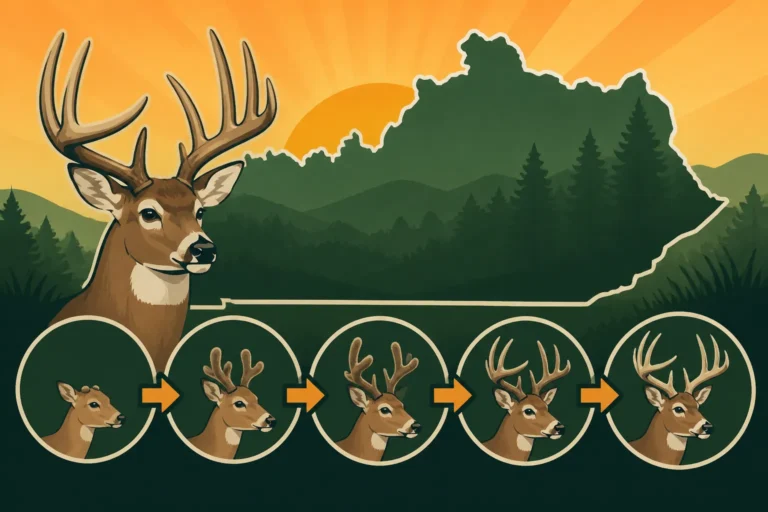
Kentucky deer antler growth timeline details spring velvet emergence, rapid summer bone development, and the hardening process.
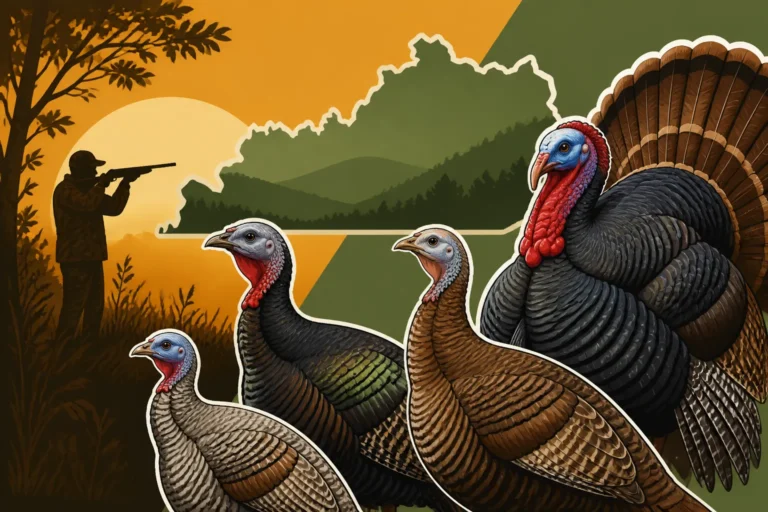
Eastern wild turkeys are the only true wild subspecies living in Kentucky forests, thriving after conservation efforts by wildlife officials.
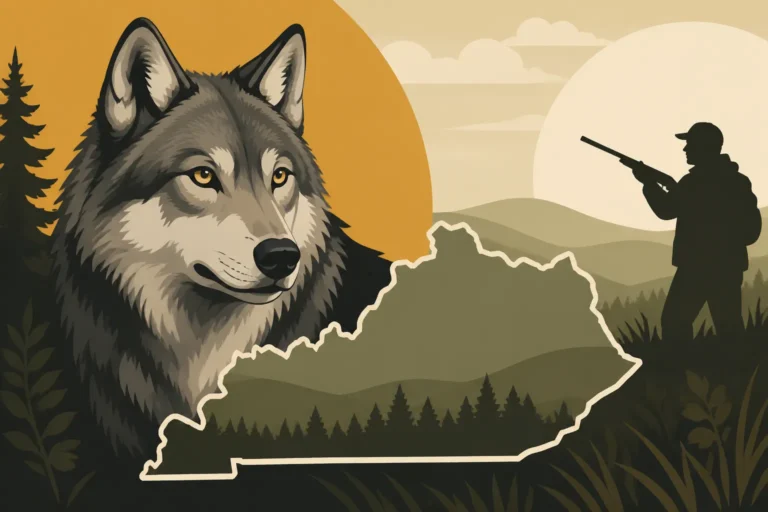
Gray wolves and red wolves inhabited early Kentucky forests, maintaining ecosystem balance before human settlement caused their total extirpation.
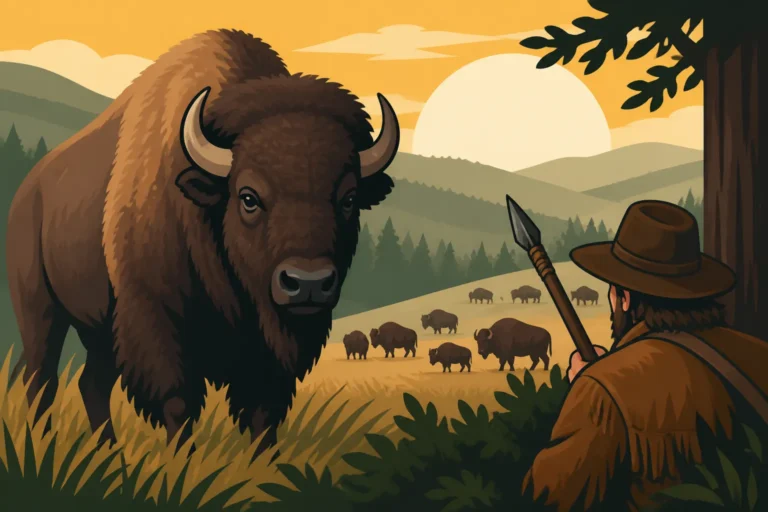
Pre-settlement Kentucky bison shaped ancient open spaces, ecosystems, and salt licks before European settlement arrived.
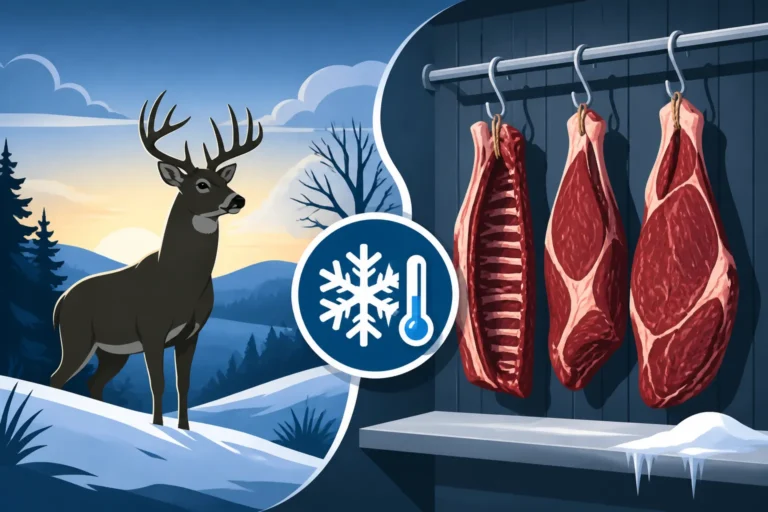
Aging deer carcasses in cold weather uses natural enzymes to break down muscle fibers, creating tender and flavorful cuts of meat.
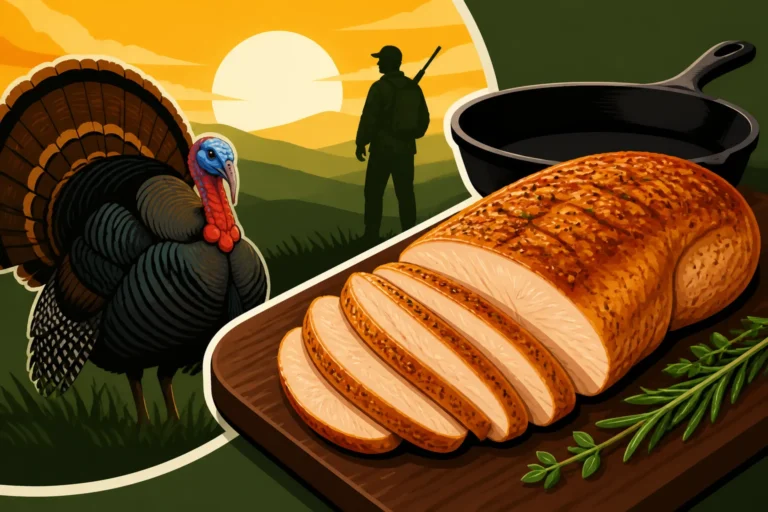
Wild turkey breast cooking methods explain how overnight brining and pounding meat to one inch thickness prevent dry game.
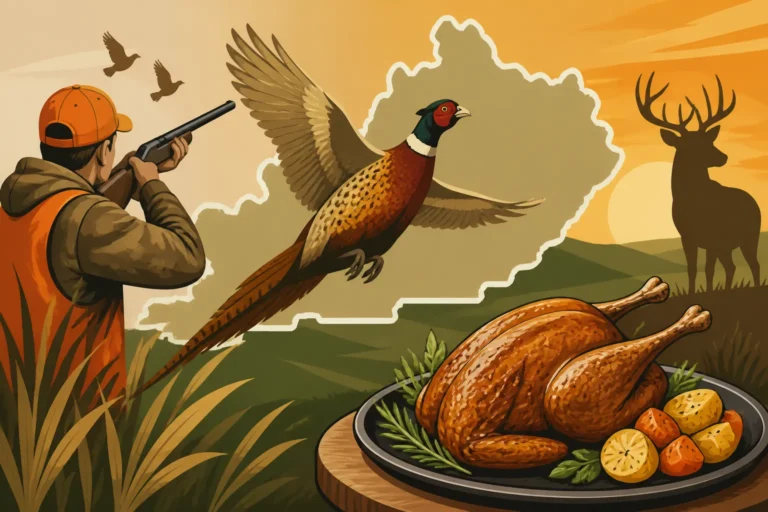
Kentucky game meat options like whitetail deer and wild turkey provide delicious meals from the September archery season.
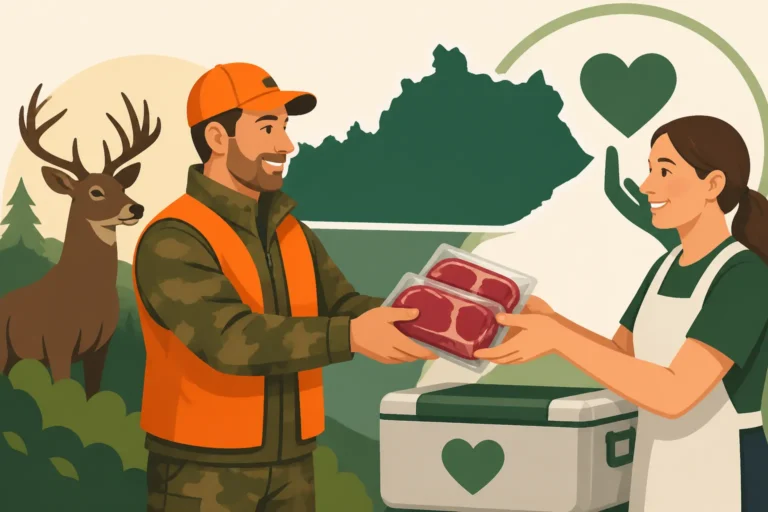
Kentucky hunters can donate excess deer through Kentucky Hunters for the Hungry to help local food banks feed families in need.
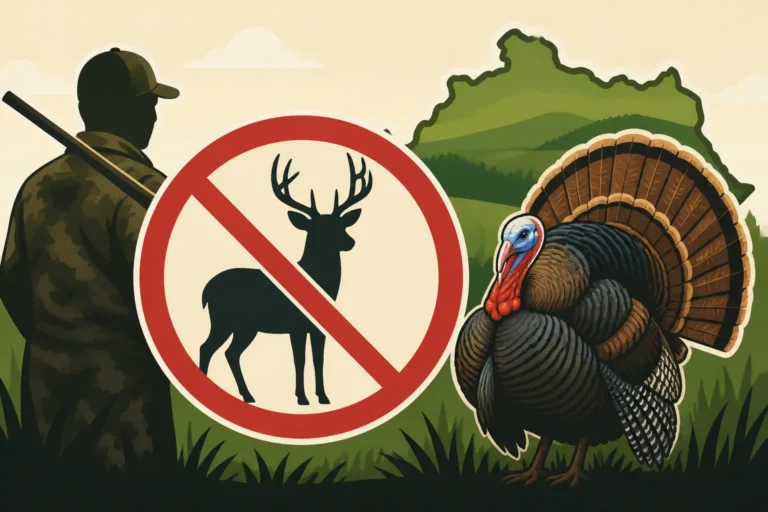
Kentucky wildlife regulations and protected species categories explain which animals are off limits for hunters in the state.
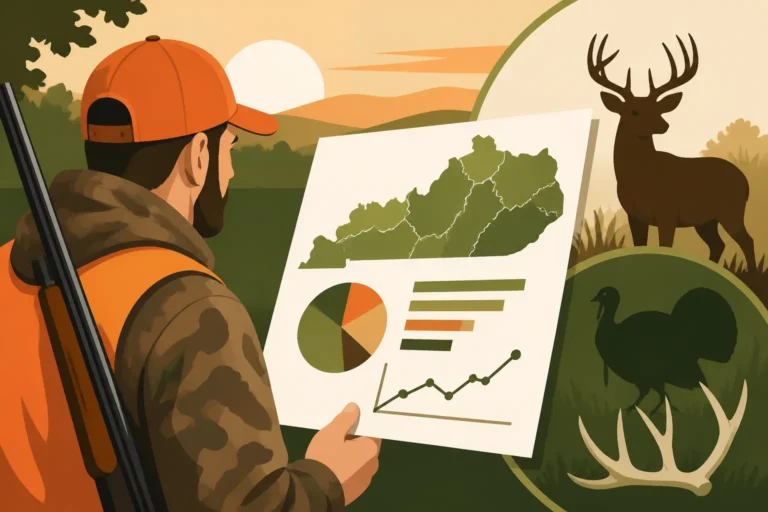
Kentucky harvest reports reveal deer population health, hunter pressure, and county statistics to improve hunting success.