Ballard Wildlife Management Area
Trying to find a truly exceptional public land hunting experience in Kentucky, especially one renowned for its waterfowl, can feel like chasing a ghost. Hunters often hear whispers of incredible opportunities but then get bogged down in the details of complex regulations, specific draw systems, and the sheer volume of pressure on accessible ground. This comprehensive guide is here to cut through that noise and give you a real, in-depth look at Ballard Wildlife Management Area, a gem that truly stands out for those willing to put in the effort.
Ballard WMA: A Waterfowler's Paradise, But So Much More
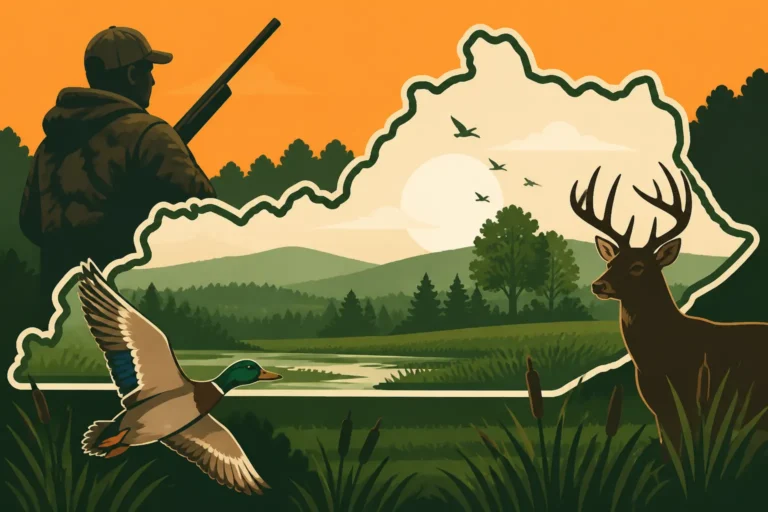
Ballard Wildlife Management Area, tucked away in the westernmost reaches of Kentucky, is often synonymous with waterfowl hunting, and for good reason. Its unique position along the Mississippi Flyway makes it a magnet for ducks and geese, drawing in incredible numbers during migration. But to pigeonhole Ballard as only a waterfowl destination would be to miss a significant part of its charm and potential. Many hunters, myself included, have discovered that while the focus is undeniably on those winged visitors, the area offers a surprising array of other hunting opportunities if you know where to look and how to adapt. The landscape here is a testament to the power of deliberate habitat management, creating a haven for wildlife that goes beyond just flooded timber.
The Landscape and Habitat Diversity
When you first drive into Ballard WMA, you're immediately struck by the sheer scale of the place. It's a vast expanse, primarily characterized by flooded timber, moist-soil units, open agricultural fields, and sloughs that twist and turn. This isn't your typical Appalachian ridge and hollow country; this is flat, fertile ground, heavily influenced by the mighty Ohio River. The management here is incredibly intensive, with water levels meticulously controlled to create prime feeding and loafing areas for waterfowl. You'll see levees, pump stations, and extensive networks of ditches that are all part of the intricate system designed to create optimal conditions. This habitat diversity is what makes Ballard so special. While ducks might be concentrated in specific flooded areas, the edges of those areas, the agricultural fields left fallow, and the surrounding timbered blocks offer cover and forage for deer, turkeys, and a variety of small game.
The standing corn and bean fields, sometimes intentionally left unharvested, provide crucial food sources and thermal cover for deer throughout the colder months. Imagine slipping along a field edge at dawn, the frost crunching underfoot, knowing that a mature buck could be just inside the standing crop, seeking refuge. It's a completely different kind of deer hunting than you might experience in other parts of Kentucky. The timber blocks, often interspersed with brushy undergrowth, provide bedding areas and travel corridors that connect the various water and food sources. This mosaic of habitat, from open water to dense cover, means that while the ducks are drawing the most attention, a keen observer can find plenty of other game utilizing the same rich environment.
Primary Game Species Beyond Ducks and Geese
While the reputation for waterfowl is well-deserved, Ballard WMA holds populations of other game that often fly under the radar. White-tailed deer are present in good numbers, especially in the areas bordering private agricultural lands and the larger timber blocks. Because the WMA is so focused on waterfowl, deer hunters often have less competition, particularly during the earlier archery seasons before the peak of duck season hits. These deer are often accustomed to human activity, but they are also experts at disappearing into thick cover. Hunting pressure can shift them into the densest pockets of brush or the middle of standing crops. You might find yourself still-hunting the edges of a cypress swamp or setting up a ground blind along a levee break.
Wild turkeys also utilize Ballard, though they are not typically the primary focus for most hunters. They can be found roosting in the larger timber stands and feeding in the open fields or along the edges of the moist-soil units. Spring turkey hunting can be a unique challenge here, as you're navigating terrain that often looks more like a duck marsh than traditional turkey woods. Small game, particularly squirrels and rabbits, can offer fantastic opportunities too. The timbered sections are home to squirrels, especially where mast crops like acorns are abundant, and the dense fencerows and brushy areas provide perfect cover for cottontails. It's a great place to introduce a younger hunter to the outdoors, or simply to enjoy a quieter day afield when the waterfowl crowds are focused elsewhere.
| Species | Primary Habitat | Key Opportunity | Typical Hunting Method |
|---|---|---|---|
| Ducks & Geese | Flooded timber, moist-soil units, open water | World-class migration stopover | Blind hunting, decoy spreads |
| White-tailed Deer | Field edges, timber blocks, brushy cover | Less pressure, unique environment | Still-hunting, ground blinds |
| Wild Turkey | Large timber stands, field edges | Spring challenge, unique habitat | Calling, roost hunting |
| Squirrel | Mature timber, oak and pecan trees | Abundant in wooded areas | Still-hunting, bushytail drives |
| Rabbit | Dense fencerows, brushy cover, field edges | Classic small game hunting | Beagles, jump-shooting |
Navigating the Unique Challenges and Opportunities
Hunting Ballard WMA isn't like hunting just any piece of public land. It comes with its own set of rules, its own pace, and its own culture. The very mechanisms that make it such a renowned waterfowl destination—namely, its structured hunt system—also present unique challenges and, paradoxically, some incredible opportunities. You're not just showing up and walking in; there's a process, a rhythm, to how Ballard operates. Understanding this structure is paramount to a successful and enjoyable experience, especially if you're traveling a significant distance.
Understanding the Quota Hunt and Blind Draw System
For waterfowl hunters, the most significant aspect of Ballard WMA is its highly regulated quota hunt and blind draw system. This isn't a free-for-all; access to the prime flooded areas is controlled to ensure quality hunting and prevent overcrowding. Each season, there's a specific application period for quota hunts, and successful applicants are then granted access on certain dates. If you're not drawn for a quota hunt, or if you prefer a more impromptu approach, the daily blind draw is your next option. This involves showing up at the WMA headquarters well before legal shooting light, putting your name in a hat, and hoping your number is called for one of the available blinds or hunting units. This system, while sometimes frustrating if your name isn't drawn, serves to distribute pressure and maintain a quality experience. It's a stark contrast to many other public lands where it's purely first-come, first-served. For the latest details, you'll definitely want to look up Ballard WMA Duck Blind Draw Rules on the Kentucky Fish and Wildlife website.
This draw system creates a level playing field, where luck plays a role, but preparation is still key. Even if you're drawn, knowing the area, understanding the movements of birds, and having your gear dialed in will make all the difference. It also means you can't just show up on a whim during peak season and expect to jump in a prime spot. Pre-planning is absolutely critical. For other species like deer or small game, the access is generally more open, but you still need to be aware of any specific zones or temporary closures that might be in effect, particularly during intense waterfowl periods. Always check the local regulations for any overlaps or special rules.
Dealing with Hunting Pressure and Finding Solitude
Given Ballard's reputation, it’s no surprise that it can attract significant hunting pressure, especially during prime waterfowl season. The blind draw lines can be long, and the parking lots full. This is a reality you have to acknowledge and plan for. However, "pressure" doesn't necessarily mean "no opportunities." It often means you need to adjust your tactics or look for different types of experiences. While the blind draw areas are concentrated, the larger WMA still offers expansive acreage, particularly in areas less suited for traditional duck blinds.
For deer and small game hunters, this pressure can actually work in your favor. Many waterfowl hunters are so focused on their target species that the timber blocks and field edges often see less foot traffic from deer hunters. You might find that by venturing away from the main waterfowl units, particularly into the upland timbered edges or the less-accessible agricultural corners, you can find surprising solitude. Using a mapping app like onX Hunt can be incredibly beneficial here, allowing you to identify remote access points, potential bedding areas away from water, and terrain features that might funnel deer movement where few other hunters venture. It's about finding those less obvious spots that others walk past, or that don't fit the typical waterfowl hunter's objective. For tips on how to identify these spots, you might find some crossover in principles from Hunting Western Kentucky Bottomland Deer.
Essential Gear and Tactics for Ballard's Terrain
Successfully hunting Ballard WMA demands a specific approach to gear and tactics, largely dictated by its unique lowland, water-rich environment. What works in the rolling hills of Central Kentucky might be completely impractical here. Whether you're chasing ducks or deer, understanding the terrain and adapting your equipment and methods accordingly is crucial. You'll often find yourself needing to be more mobile, more weatherproof, and more self-sufficient than on other public lands.
Waterfowl Setup Considerations
For the dedicated waterfowler, Ballard demands a robust and adaptable setup. First and foremost, a reliable shotgun capable of handling non-toxic shot is non-negotiable. Patterning your shotgun with your chosen load is absolutely critical here, as shot distances can vary, and clean kills are paramount. Don't just assume your gun and choke combination will perform optimally; put in the range time. As for decoys, you’ll typically want a diverse spread. Mallards, pintails, gadwalls, and divers are all common visitors. Using a mix of full-body, shell, and floating decoys can create a realistic spread that attracts birds. Consider motion decoys, like a spinning wing decoy, especially on calmer days, as they can add lifelike appeal. You can read more about various options in Waterfowl Gear for Kentucky and Barkley Lakes.
Given the possibility of hunting flooded timber, a good quality set of chest waders is essential. They need to be durable, warm, and offer good traction. A reliable boat or kayak might also be necessary, especially for accessing blinds or retrieving downed birds in larger water bodies or across sloughs. A push pole is often more practical than a paddle in shallow, thick cover. Lastly, ensure you have a good blind bag packed with calls (ducks and geese), extra ammunition, snacks, a thermos of coffee, and robust rain gear. The weather in Western Kentucky can change quickly, and being unprepared for a sudden downpour or a significant temperature drop can quickly end a hunt.
Deer and Small Game Gear Adaptations
For deer and small game hunters at Ballard, the gear list will differ significantly from a typical treestand hunt in hill country. Given the prevalence of water and often soft, muddy ground, waterproof boots are an absolute must – think knee-high rubber boots or even insulated hip boots. Your best leather hiking boots will likely get soaked and ruined. For still-hunting the edges of fields or pushing through thick brush, quiet, durable outer layers are essential. Avoid noisy fabrics that will give you away. Layering for a Kentucky Deer Stand is a good article to review, but be sure to prioritize waterproof outer layers for Ballard.
Because many areas lack suitable trees for traditional hang-on stands, a quality ground blind is often the most practical choice for deer hunting. Make sure it's well-brushed in and allows for good concealment. For scouting, a good pair of binoculars is invaluable, not just for spotting game but also for surveying large, open fields or distant timber lines. A rangefinder is also wise, as shot opportunities across fields can be longer than expected. If you're planning on small game hunting, a lightweight shotgun (20 gauge is often perfect) and a good upland vest with plenty of shell loops and game pockets will serve you well. Don't forget a compass or a GPS unit (like the functionality offered by onX Hunt or GoHunt) to navigate the sometimes disorienting expanses of marsh and timber. The terrain might be flat, but it's easy to lose your bearings in dense cover.
Planning Your Hunt: Permits, Seasons, and Regulations
Hunting Ballard WMA requires more than just showing up; it demands meticulous planning and a deep understanding of Kentucky's hunting regulations, especially those specific to this unique area. Failing to secure the right permits or misunderstanding season dates can quickly turn an exciting trip into a frustrating one. The Kentucky Department of Fish and Wildlife Resources (KDFWR) has established a robust framework, particularly for waterfowl, to manage pressure and conserve wildlife populations.
Kentucky Licenses and Ballard-Specific Requirements
Before you even think about setting foot in Ballard WMA, you need to ensure you have all the necessary statewide Kentucky hunting licenses and permits. This typically includes a base hunting license, a statewide deer permit if you're hunting deer, and for waterfowl, a Kentucky waterfowl permit, a federal duck stamp, and an HIP (Harvest Information Program) certification. You can easily purchase most of these through the KDFWR online portal. If you're a non-resident, the costs will differ, but the requirements for various stamps and certifications remain the same. You can get more details on Kentucky Hunting Licenses and What They Cost. It’s always a good idea to keep digital copies on your phone or printed copies in your wallet.
Beyond the general statewide requirements, Ballard WMA often has specific rules, especially concerning waterfowl. As mentioned, access to prime waterfowl units is often regulated by quota hunts or daily blind draws. This means even if you have all your state licenses, you might need to apply for or draw an additional permit specific to Ballard for certain dates or areas. Always check the KDFWR website for the most current Ballard WMA regulations well in advance of your planned hunt. These can change year to year, and staying updated is entirely your responsibility. Don't rely on last year's knowledge!
Key Dates and Season Overlaps
The timing of your hunt at Ballard WMA is crucial, not only for aligning with peak migration for waterfowl but also for understanding potential season overlaps with other species. Kentucky's waterfowl seasons are divided into specific zones, and Ballard falls within one of the key zones, often having different dates than areas further east. It's vital to consult the KDFWR migratory bird hunting guide each year for the exact Kentucky Duck Zone Boundaries and Kentucky Goose Season Dates. These dates dictate when you can legally pursue ducks and geese.
For deer hunters, understanding how the various deer seasons (archery, crossbow, muzzleloader, modern gun) coincide with waterfowl season is important. While deer hunting is generally more open, areas with heavy waterfowl activity might see increased human presence, even if those individuals aren't targeting deer. Knowing the Kentucky Deer Management Zone Rules for Ballard's specific county is also critical, as bag limits for antlerless deer can vary. Often, the earlier archery season for deer offers a quieter experience before the peak of waterfowl season brings in larger crowds. Fall turkey season, too, will have specific dates, and while it might not draw the same crowds, it's another consideration for multi-species hunters.
Maximizing Your Success at Ballard WMA
Hunting Ballard WMA is a rewarding experience, but it’s rarely easy. It demands preparation, adaptability, and a willingness to learn from each trip. To truly make the most of your time on this unique public land, you need to go beyond simply showing up with your gear. It's about understanding the subtle nuances of the area and leveraging modern tools to improve your odds.
Pre-Season Scouting and Digital Tools
Effective pre-season scouting is paramount for success at Ballard WMA, perhaps even more so than in other areas. The landscape can change with water levels, and new areas of attraction or refuge for game can emerge. Since direct on-the-ground scouting might be limited or difficult in flooded areas, relying on digital mapping tools becomes incredibly valuable. Services like onX Hunt or GoHunt offer detailed satellite imagery, property line overlays, and public land boundaries that can help you identify potential access points, locate timber blocks, pinpoint sloughs, and even estimate walking distances. You can mark potential stand locations, observe historical water patterns if available, and identify subtle changes in vegetation that might indicate game movement. Many hunters now use tools like Scouting With the Kentucky Hunt Fish App to gain an edge.
Even if you can't walk every inch of the WMA before the season, spending time with aerial maps can give you an intimate understanding of the layout. Look for pinch points where deer might cross, unpressured corners of fields, or areas of thicker cover that provide refuge. For waterfowl, scout for flight patterns, potential roosting spots, and key feeding areas outside the regulated blind zones. Observing from a distance with good optics can reveal a lot about where the birds are naturally going.
Adapting to Weather and Water Levels
Ballard WMA's hunting opportunities are heavily influenced by two dynamic factors: weather and water levels. The Ohio River dictates much of the hydrology, and the KDFWR actively manages water levels within the WMA's impoundments. What was dry ground one week could be knee-deep the next. You need to be prepared for fluctuating conditions. Always check local weather forecasts and, if available, inquire about current water levels at the WMA office before you head out. A cold front can push new birds into the area, or dramatically change their behavior. High winds can make decoying challenging but might push birds into more sheltered pockets.
Adaptability is your greatest asset. If your planned spot is too flooded or too dry, have a backup plan. If the wind is blowing from an unexpected direction, be ready to move your setup. For waterfowl, this might mean adjusting your decoy spread or moving your blind to a more sheltered location. For deer, it could mean shifting from a field edge hunt to still-hunting a timber block where deer are seeking cover from the elements. Don't get stuck on a single strategy; let the conditions guide your approach. The hunters who consistently find success at Ballard are those who can read the environment and adjust their tactics on the fly.
Disclaimer
This article is for general informational purposes only and does not constitute professional advice. Laws, prices and regulations vary by location and change over time. Consult a qualified professional for guidance on your specific situation.