Big South Fork Kentucky Side Access
Hunting the vast, rugged expanses of the Big South Fork National River & Recreation Area (NRRA) on the Kentucky side can feel like stepping back in time, offering incredible challenge and reward, but it often leaves hunters scratching their heads about specific access points, unique regulations, and how to effectively navigate such a formidable landscape. This comprehensive guide is designed to cut through that confusion, giving you the boots-on-the-ground knowledge you need to successfully plan and execute your next hunt in this wild and beautiful part of Kentucky.
Understanding the Big South Fork Kentucky Side
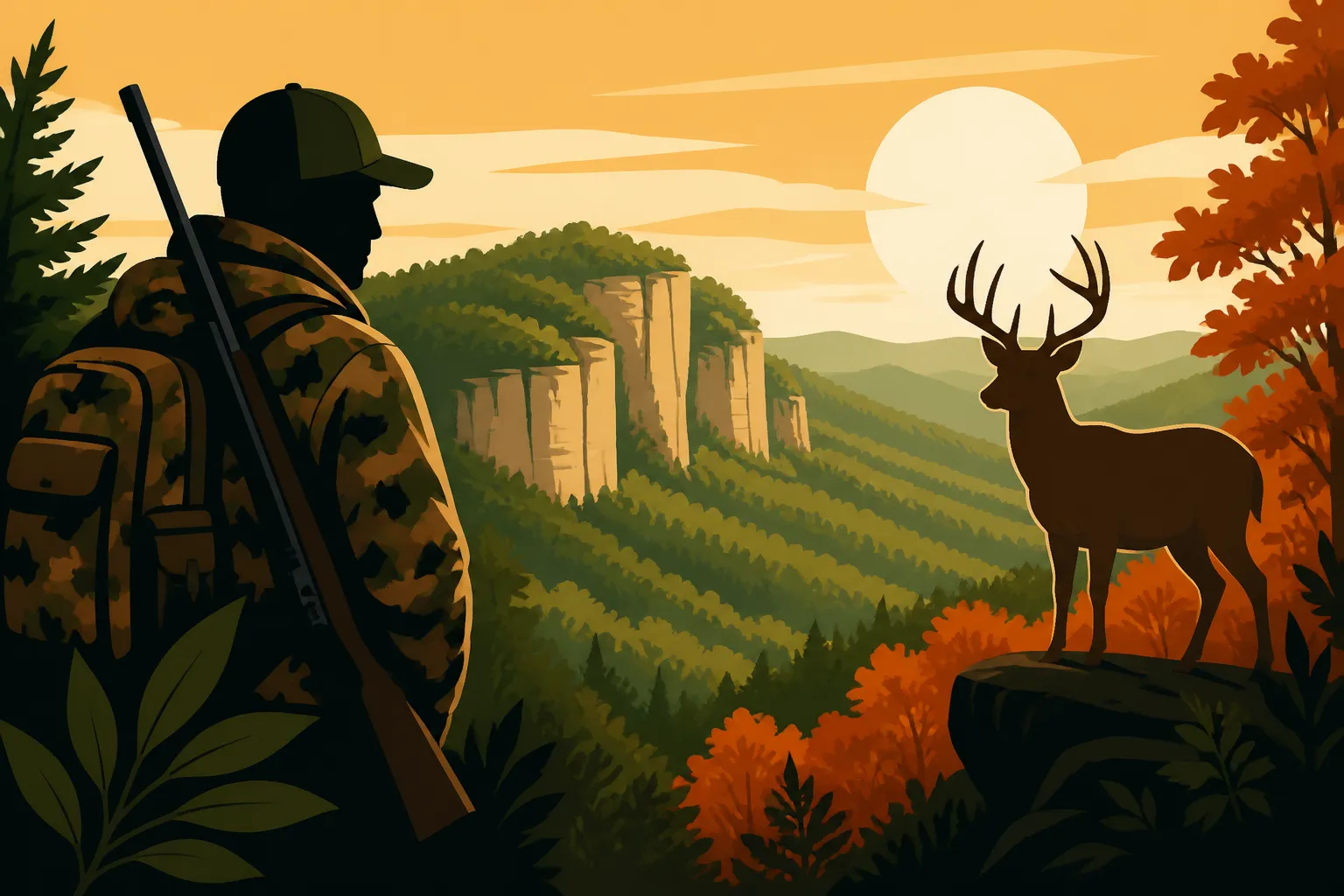
The Big South Fork National River & Recreation Area is a true gem, a massive expanse of federally protected land straddling the Kentucky-Tennessee border. When we talk about "the Kentucky side," we're delving into some of the most remote and untamed wilderness the Bluegrass State has to offer, a stark contrast to the rolling farmlands many associate with Kentucky. This isn't your average WMA; it's a unique blend of steep-sided gorges, towering sandstone bluffs, dense forests, and the wild, free-flowing Big South Fork River itself.
What is the Big South Fork NRRA?
At its heart, the Big South Fork NRRA is a place of dramatic beauty and ecological significance. Established to protect the river and its surrounding gorge, it encompasses over 125,000 acres, offering a haven for a diverse array of wildlife, including healthy populations of deer, turkey, bear, and various small game. The terrain here is relentlessly rugged, a product of millions of years of water carving through sandstone and shale. You'll find deep hollows that seem to swallow sunlight, razor-back ridges that demand respect, and a maze of seasonal creeks and drainages that can quickly change character with a good rain. This is not flat-ground hunting, folks; it's an immersive experience that challenges both your physical endurance and your woodsmanship.
The unique federal designation means that while hunting is permitted and managed in cooperation with the Kentucky Department of Fish and Wildlife Resources (KDFWR), there can be subtle differences in how rules are enforced or how access is maintained compared to state-owned Wildlife Management Areas. It’s crucial to understand that you're operating within a National Park Service unit, even though it's a recreation area. This means an added layer of stewardship and respect for the natural environment. The sheer scale of the landscape means that you can truly get away from it all, escaping the crowds often found on smaller, more accessible public lands. Just remember, with that solitude comes the responsibility to be self-sufficient and prepared for whatever nature throws your way.
The Kentucky Portion: Boundaries and General Overview
The Kentucky portion of the Big South Fork NRRA primarily lies within McCreary County, extending into parts of Wayne and Pulaski counties to a lesser degree. This region is characterized by its high plateaus dissected by the river and its tributaries. Unlike some areas where the public land is checker-boarded with private holdings, a significant chunk of the Kentucky side is contiguous, creating vast areas where you can roam for miles without encountering a property line. This is a huge advantage for hunters looking to find unpressured game.
Key areas to consider within the Kentucky side include the regions around Bear Creek, Yahoo Falls, and the area west of Stearns. These locations offer a mix of habitat types, from mature hardwoods on the ridge tops to thick rhododendron thickets in the hollows. The Big South Fork itself forms a natural boundary to the south, separating Kentucky from Tennessee, but numerous bridges and crossings exist further downstream. Understanding these natural boundaries and key landmarks is essential for safe navigation. The KDFWR works closely with the National Park Service to set seasons and bag limits that align with statewide regulations but also account for the specific ecological characteristics of the Big South Fork. This cooperation ensures that White-Tailed Deer Across Kentucky, wild turkeys, and Kentucky's Black Bear Population can thrive in this unique environment, providing sustainable hunting opportunities. However, hunters must always be vigilant for any specific, local rules that might differ slightly within the NRRA boundaries.
Navigating and Accessing the Kentucky Side
Getting into the depths of the Big South Fork on the Kentucky side can be a challenge in itself. It's not like pulling off a highway onto a gravel road that leads directly to a well-marked food plot. This is wild country, and access often involves navigating winding back roads, knowing where designated parking areas are, and being prepared to put in some serious boot leather. The frustration of driving down what you think is a public access road only to hit a "Private Property" sign is real, and it happens to the best of us.
Key Entry Points and Roads
On the Kentucky side, many of your main access points will stem from roads like KY-92, US-27, and various county routes that spiderweb off into the more remote sections. For instance, the area around Stearns, Kentucky, often serves as a gateway to the eastern sections of the NRRA, with roads like KY-1651 and others providing deeper access. Further west, there are access points off of US-27 near Whitley City that can get you closer to the river gorge itself. It’s not uncommon for these roads to transition from paved to gravel, and then to unmaintained forest roads or old logging trails. A 4×4 vehicle with decent ground clearance can be a real asset here, especially after heavy rains.
Specific areas like the Bear Creek Road or those leading towards Yahoo Falls Recreation Area offer parking and trailheads that can put you on foot into prime hunting territory. However, don't expect well-manicured signs pointing directly to the "best hunting spot." You'll need to do your homework. Some of the best hunting can be found by venturing far beyond these initial access points, hiking miles into the backcountry. Always pay attention to signage regarding specific uses, as some areas might be designated for hiking only, or have seasonal closures due to sensitive wildlife or trail maintenance. Checking the official Big South Fork NRRA website for current conditions and alerts before you head out is always a smart move.
Tools for Navigation: Maps and Apps
In a place as vast and topographically challenging as the Big South Fork, reliable navigation isn't just a convenience; it's a necessity for safety and success. Relying solely on a paper map, while a great backup, won't always cut it when you're trying to pinpoint a specific ridge or a hidden bench. This is where modern tools really shine. Apps like onX Hunt are practically indispensable for hunting public land like the Big South Fork. They allow you to see property boundaries, track your movements, mark waypoints for sign or stand locations, and download maps for offline use—which is critical because cell service is notoriously spotty, or completely nonexistent, in many parts of the NRRA. You can literally watch the public land boundary line on your phone as you walk, preventing accidental trespass and ensuring you stay within legal hunting areas.
Similarly, other mapping services or apps like GoHunt can provide valuable satellite imagery and topographical data that helps you visualize the terrain before you ever set foot on it. You can identify potential funnels, benches, and bedding areas from the comfort of your home, saving precious time and energy in the field. When combining these digital tools with a traditional compass and map, you create a robust navigation system. Never underestimate the importance of understanding contour lines and how they translate to real-world topography. Having a good understanding of the land before you're standing in the middle of it, especially when considering Reading a Ridge for Cumberland Deer, will dramatically increase your confidence and effectiveness.
Vehicle and Camping Regulations
The rules for vehicles and camping within the Big South Fork NRRA are critical to understand to avoid fines or unintended environmental impact. Generally, vehicles are restricted to designated roads and parking areas. Off-road vehicle use is strictly prohibited. This means no driving ATVs or UTVs into the backcountry to retrieve game or scout, which is a common practice in some other hunting areas. You'll be doing a lot of walking, so physically preparing for that is key.
When it comes to camping, the Big South Fork offers a mix of developed campgrounds and extensive backcountry camping opportunities. For hunters, backcountry camping can be a game-changer, allowing you to set up closer to your hunting grounds and minimize travel time in the mornings and evenings. However, there are specific regulations. You usually need to be a certain distance from roads, trails, and water sources. Fires are often restricted to established fire rings or in designated areas, and "Leave No Trace" principles are paramount. Always check with the National Park Service visitor centers or their official website for the most current camping guidelines, permit requirements (if any for backcountry), and fire restrictions, especially during dry periods. Being able to pack in a lightweight camp means you can stay deeper in the woods longer, which can pay dividends in this sprawling landscape.
Hunting Opportunities: Game Species and Seasons
The Big South Fork's diverse habitat, from high ridgetop oaks to thick laurel and hemlock bottoms, creates an ideal environment for a variety of game species. However, hunting here isn't like hunting manicured farmland; it demands a different set of skills and expectations. Understanding what you're likely to encounter and the best times to pursue them is crucial.
Deer Hunting in the Rugged Terrain
Deer hunting in the Kentucky portion of the Big South Fork NRRA is an experience unlike many others in the state. The deer here are truly wild, accustomed to steep climbs, dense cover, and minimal human interaction. You won't find many deer congregating in open fields, at least not during daylight hours. Instead, they often stick to the thickets, benches along the steep hillsides, and the dense cover of the hollows. Success often comes down to covering ground, paying attention to subtle sign, and understanding how deer use the topography to their advantage. Still-Hunting Eastern Kentucky Ridges is a classic tactic that shines here.
Look for saddles in ridges, natural funnels formed by converging hollows, and benches on the steep slopes where deer might travel or bed. During the rut, these areas can be dynamite, as bucks will cruise them looking for does. Food sources will vary greatly; during good mast years, acorns will be king, drawing deer to oak ridges. In leaner years, they'll browse on laurel, rhododendron, and other woody vegetation. This means your scouting needs to be adaptive, focusing on current food sources and travel patterns. Remember, deer here are smart and wary, so quiet movement and scent control are more important than ever. The reward for all that effort is often a truly hard-earned trophy and an incredible sense of accomplishment.
Turkey and Small Game Prospects
Beyond deer, the Big South Fork offers excellent opportunities for wild turkeys, squirrels, and even a chance at grouse. Spring turkey hunting can be phenomenal, though again, it requires serious legwork. Gobblers love to roost high on the ridges overlooking the river or a deep hollow, and you'll need to be willing to climb to get within earshot. Calling can be tough with the echo off the bluffs and the sheer scale of the landscape, so getting close before you start yelping is often the best strategy. Fall turkey season also sees good numbers, and breaking up a flock can lead to some exciting run-and-gun action.
Small game hunting, particularly for squirrels, is also very popular. The abundant oak and hickory trees throughout the NRRA support healthy populations of both fox and gray squirrels. Still-hunting through the hardwoods in early morning or late afternoon, or sitting quietly near a prolific nut tree, can yield plenty of bushy-tails. For those seeking a real challenge, the Big South Fork is one of the last strongholds for ruffed grouse in Kentucky. While their numbers have declined statewide, pockets of good habitat within the NRRA, especially in younger forest growth and dense rhododendron thickets, can still hold birds. It's tough hunting, often described as a "gentleman's sport" with a brutal workout attached, but the flush of a grouse from dense cover is an exhilarating experience. Learning to spot good cover for Grouse Hunting Cumberland Mountain Cover is key.
Bear Hunting in the Big South Fork
The Kentucky portion of the Big South Fork NRRA is a prime area for bear hunting, sitting squarely within Kentucky's designated bear zones. Kentucky's Black Bear Population has seen a remarkable resurgence, and these mountains provide ideal habitat for them. Bear hunting here is a true wilderness pursuit, often requiring long hikes and an intimate knowledge of the terrain. The season windows for bear are typically short and specific, often with separate archery, firearms, and dog seasons, each with its own set of rules and quotas.
Bears in the Big South Fork primarily feed on natural mast crops like acorns, hickory nuts, and berries, moving throughout the landscape to capitalize on whatever is available. Scouting for natural food sources, claw marks on trees, and scat is paramount. Hunting pressure can move bears into the thickest, most remote sections of the NRRA, so being willing to go deep is often the most effective strategy. Given that this area directly borders Tennessee, understanding where Bears Near the Big South Fork Border might move across state lines is also a consideration, although you must always adhere strictly to Kentucky's regulations when hunting on the Kentucky side. Always check the KDFWR regulations pamphlet specifically for bear season dates, zones, and any harvest quotas or checking requirements before heading out.
Kentucky-Specific Regulations and Considerations
Hunting in the Big South Fork NRRA, while a federal area, still falls under Kentucky's hunting regulations. This means you need to be intimately familiar with the KDFWR rulebook, alongside any specific nuances or restrictions imposed by the National Park Service for the NRRA itself. Getting this wrong isn't just a minor inconvenience; it can lead to hefty fines or loss of hunting privileges.
Licenses and Permits for the NRRA
First and foremost, you need the appropriate Kentucky hunting licenses and permits. This typically includes a statewide hunting license and specific permits for the game you intend to pursue, such as a deer permit, turkey permit, or bear permit. Kentucky Hunting Licenses and What They Cost can vary, and it's essential to purchase the correct ones for your residency status (resident vs. nonresident). While the Big South Fork is federally managed, a separate federal permit is generally not required for hunting itself, as KDFWR licenses cover the activity within the framework of the cooperative agreement.
However, specific regulations might require additional check-ins or adherence to certain rules unique to the NRRA. For example, some areas within the Big South Fork might have specific requirements for public access, even if it's not a formal "WMA permit." Always double-check the KDFWR website and the Big South Fork NRRA website for any current, localized requirements that might apply. There are no "quota hunts" specific to the Big South Fork NRRA that require a separate draw or application beyond what KDFWR manages for statewide or zone-specific permits, but staying informed on all regulations is key.
Weapon Restrictions and Hunter Orange
Kentucky has specific regulations regarding legal firearms and archery equipment for hunting various species, and these apply directly to the Big South Fork. For deer, Kentucky Legal Firearms for Deer Hunting include centerfire rifles, shotguns, muzzleloaders, and archery equipment. There are also specific rules about straight-wall cartridges in certain areas, though within the general hunting framework of the Big South Fork, traditional rifle calibers are typically allowed during modern gun season. Always ensure your chosen weapon complies with KDFWR regulations for the specific season you are hunting.
Blaze orange requirements are another critical safety consideration. During modern gun seasons for deer, and often during other specific firearms seasons, Kentucky mandates a certain amount of hunter orange (or blaze pink) visible from all directions. This is not just a suggestion; it's a legal requirement designed to enhance hunter safety, especially in heavily wooded areas like the Big South Fork where visibility can be limited. Even during archery seasons when orange isn't strictly mandated by law, many ethical hunters choose to wear a blaze orange hat or vest when walking in and out of their stand, removing it only when settled, for that added layer of safety. The dense undergrowth and rolling terrain make visibility paramount.
Special Rules and Managed Hunts
While the Big South Fork is generally open to public hunting under statewide regulations, there can be unique rules or considerations for certain areas or activities within the NRRA. For instance, some sections may have specific restrictions on baiting, planting food plots, or even where you can place treestands. Unlike some state WMAs, federal lands often have strict rules about leaving structures in place overnight or permanently. Treestands and ground blinds usually need to be removed daily or within a specified timeframe, and permanent stands are almost universally prohibited.
It's crucial to consult the KDFWR Hunting & Trapping Guide and any specific Big South Fork NRRA hunting regulations or brochures that might be available from the National Park Service. Sometimes, temporary closures may occur due to research projects, prescribed burns, or other management activities. The KDFWR's online mapping tool, or a reliable app like onX Hunt, can often indicate these closures. While the Big South Fork doesn't operate like a typical Kentucky WMA Permit Requirement system with specific managed hunts and permits, staying informed is your responsibility.
Strategies for Success on the Kentucky Side
Hunting the Big South Fork is a marathon, not a sprint. It demands patience, physical conditioning, and a willingness to adapt. What works in a typical Kentucky woodlot simply might not cut it in this rugged wilderness.
Scouting the Steep Terrain
Pre-season scouting is not optional in the Big South Fork; it's absolutely essential. You can't just show up on opening day and expect to stumble into game. The sheer size and difficulty of the terrain mean you need to put in serious effort to learn the land. Use topographical maps and satellite imagery (like those available through GoHunt or onX Hunt) to identify potential pinch points, benches, saddles, and water sources. Look for transition zones where different timber types meet, as these can be natural travel corridors.
Once you're on the ground, focus on finding fresh sign: tracks, rubs, scrapes, and droppings. Pay close attention to subtle terrain features that might funnel deer or turkeys. A small bench on a steep hillside might seem insignificant, but it could be a major travel route. Remember that gravity plays a huge role here; deer will often travel along contours rather than constantly climbing straight up and down. Identifying bedding areas, often in thick cover on the lee side of a ridge, and then figuring out how deer move from those beds to feeding areas, is the ultimate goal. Scouting Kentucky Public Land Before Season here means serious hiking, often simulating hunt conditions with your gear, to truly understand the challenges.
Adapting to Hunting Pressure
The Big South Fork, despite its remote feel, does receive hunting pressure, especially around easily accessible areas and during peak seasons. However, its vastness and difficult terrain mean that pressure tends to drop off dramatically the further you're willing to walk. Your best strategy for finding unpressured game is often to simply out-walk other hunters. While most will stick close to roads and main trails, those willing to hike two, three, or even four miles into the backcountry will find far less competition and often, more relaxed animals.
Consider hunting during weekdays if possible, or later in the season when many fair-weather hunters have packed it in. Don't be afraid to explore areas that look "too steep" or "too thick" on a map; often, that's precisely where the mature deer and turkeys will seek refuge. Using a portable treestand or saddle hunting setup can be advantageous here, allowing you to quickly adapt to where the game is moving and get into overlooked spots. Just make sure your chosen method complies with rules for Treestand Setups in Daniel Boone National Forest or similar public land guidelines for the Big South Fork.
Gear Essentials for the Backcountry
Your gear choices can make or break a hunt in the Big South Fork. This isn't a place for shortcuts on critical items. Good quality boots are paramount – waterproof, supportive, and well broken-in. You'll be traversing rocky, uneven, and often wet terrain, so blister prevention and ankle support are non-negotiable. Layered clothing is also essential, as temperatures can fluctuate wildly, and you'll be exerting yourself climbing hills, then sitting still for hours. Wool or synthetic base layers that wick moisture are far superior to cotton.
Beyond clothing, a reliable pack is crucial. You'll need enough space for water, snacks, navigation tools, first-aid, field dressing supplies, and potentially an extra layer or rain gear. Given the remote nature, a substantial first-aid kit, a headlamp, and a fire-starting kit are all non-negotiables for safety. For navigation, a fully charged smartphone with offline maps (like onX Hunt) is great, but always have a backup, whether it's a dedicated GPS unit or a physical map and compass, and know how to use them. For longer treks or if you plan to pack out meat, a capable day pack or even a frame pack, like those you'd use for Packs for a Daniel Boone Forest Day Hunt, will be invaluable. Remember, anything you take in, you must be prepared to carry out, including your harvested game.
Conservation and Responsible Hunting
Hunting in a national treasure like the Big South Fork NRRA comes with a unique responsibility. We are stewards of this incredible landscape, and our actions directly impact its health and the future of hunting opportunities. Ethical and responsible hunting practices are not just good ideas; they are essential to preserving this special place.
Respecting the Resource
The "Leave No Trace" principles are incredibly important when hunting in the Big South Fork. This means packing out everything you pack in, and then some. Avoid disturbing natural features, leaving behind minimal sign of your presence. This includes spent cartridges, food wrappers, flagging tape, and anything else that doesn't belong. When field dressing game, choose locations away from water sources and popular trails. Bury entrails when possible, or scatter them in dense cover to be quickly reabsorbed into the ecosystem. The goal is to leave the area looking as if you were never there.
Furthermore, respecting other users of the area is vital. Hikers, kayakers, horseback riders, and sightseers also share the Big South Fork. Be courteous, make your presence known, and respect their experience. This often means being mindful of where you hunt, how visible you are, and how your actions might impact others' enjoyment of the area. Public perception of hunting is always a factor, and ethical behavior from hunters goes a long way in fostering positive relationships with non-hunters.
Wildlife Management in a National Recreation Area
The wildlife in the Big South Fork NRRA is a shared resource, managed through a cooperative agreement between the National Park Service and the Kentucky Department of Fish and Wildlife Resources. This partnership ensures that hunting is conducted sustainably, aligning with both conservation goals and recreational opportunities. The KDFWR takes the lead on setting seasons, bag limits, and specific regulations based on population surveys and biological data. The National Park Service, in turn, manages habitat, access, and ensures activities align with the overall mission of the recreation area.
This collaboration is crucial for the long-term health of the game species, from the Kentucky Deer Herd Size to the bear population. Hunters play a critical role in this management by adhering to regulations, reporting harvests accurately through systems like Telecheck, and reporting any suspicious or illegal activities. By participating in legal, ethical hunting, we contribute to the scientific data that helps wildlife agencies make informed decisions. It’s a privilege to hunt in such a wild and beautiful place, and with that privilege comes the responsibility to be an active, informed, and respectful participant in its ongoing conservation.
| Species | Primary Habitat (KY Side) | Common Hunting Method(s) | Season Notes (General) |
|---|---|---|---|
| White-Tailed Deer | Steep ridges, dense hollows, benches, creek bottoms | Still-hunting, stand hunting (portable), spot-and-stalk | Follows statewide KY deer seasons (archery, muzzleloader, gun) |
| Wild Turkey | Ridge tops, mature hardwoods, clearings | Roost hunting, calling, run-and-gun | Follows statewide KY spring and fall turkey seasons |
| Black Bear | Remote thickets, dense laurel/rhododendron, mast-producing forests | Still-hunting, scouting for sign (firearms, archery, dogs) | Specific short season windows, quota-based (check KDFWR) |
| Squirrel | Oak-hickory ridges, creek bottoms, mature timber | Still-hunting, sitting, dog hunting | Generous fall/winter seasons |
| Ruffed Grouse | Young forest growth, dense thickets, rhododendron patches | Flushed by walking, dog hunting (very challenging) | Follows statewide KY grouse season (limited opportunity) |
Disclaimer
This article is for general informational purposes only and does not constitute professional advice. Laws, prices and regulations vary by location and change over time. Consult a qualified professional for guidance on your specific situation.