Robinson Forest Public Hunting Rules
Hunting public land in Kentucky can sometimes feel like navigating a complex maze of rules and regulations, but when you consider a truly unique area like Robinson Forest, which doubles as a critical research facility, it adds another layer of complexity. Many hunters find themselves scratching their heads, wondering what exactly is permitted in a place that serves both scientific and recreational purposes. This guide is here to untangle those specific rules and help you plan a responsible, successful hunt in the John C.C. Mayo Forest, better known as Robinson Forest.
Understanding Robinson Forest: A Unique Public Hunting Opportunity
Robinson Forest isn't just another patch of public land; it holds a very special place in Kentucky's landscape. Located deep in the rugged terrain of the eastern Kentucky coalfields, it’s primarily managed by the University of Kentucky for forestry and ecological research. This academic mission heavily influences how hunting opportunities are structured and the specific regulations hunters must adhere to. It's not uncommon for hunters to arrive expecting typical public land access, only to find themselves puzzled by signs or closures related to ongoing scientific studies. Knowing its unique nature from the outset is key to a smooth experience.
Historical Context and Management Goals
Established back in 1914, Robinson Forest encompasses a vast tract of mature Appalachian hardwoods, steep hollows, and diverse ecosystems. Its primary purpose, as mentioned, is research by the University of Kentucky's Department of Forestry and Natural Resources. This means that while it offers incredible hunting opportunities, the overarching goal is the scientific study of forest ecology, wildlife management, and sustainable forestry practices. You'll encounter active research plots, marked trees, and possibly even scientific equipment during your visit. These elements aren't there to hinder your hunt but are vital to the forest's mission, and respecting them is paramount. The forest is a living laboratory, and hunters are privileged guests within that environment, meaning a different level of awareness is required compared to a standard WMA.
Location and Access Points
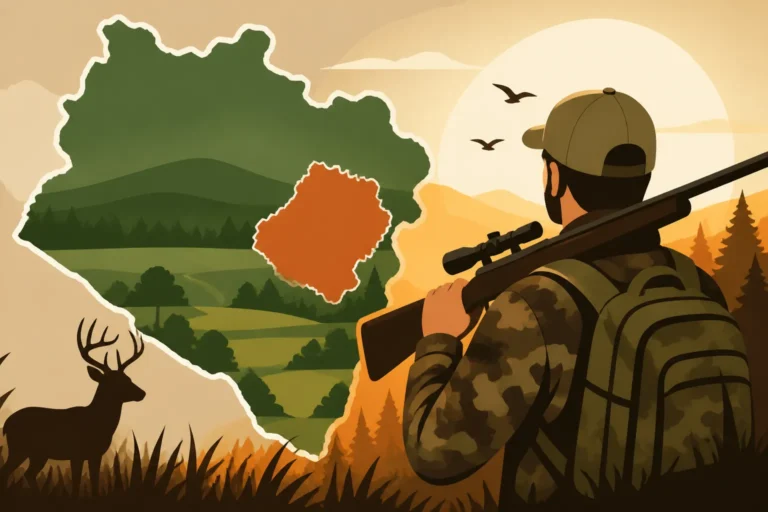
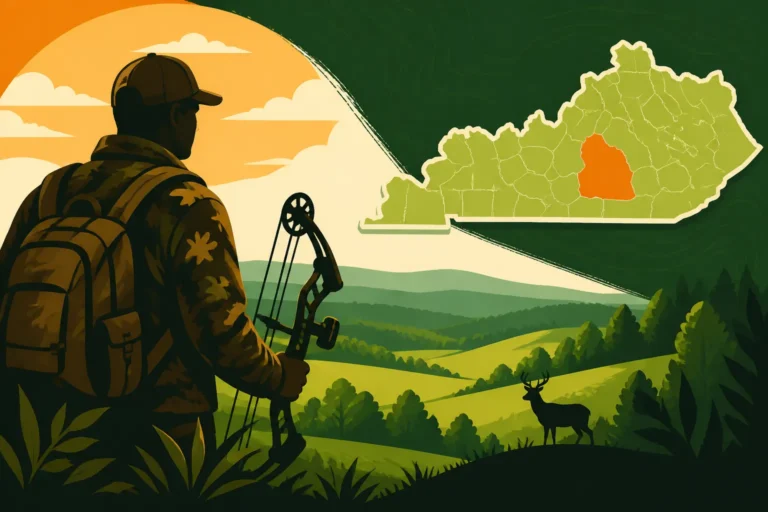
Robinson Forest is situated primarily in Breathitt, Knott, and Perry counties, deep within the heart of eastern Kentucky's mountainous region. This isn't flat, easy-access farm country; it's steep, often remote, and can be challenging to navigate without proper planning. Main access roads, typically gravel, can be found off state highways, but many interior roads are gated or restricted to administrative use only. It's absolutely crucial to identify legal parking areas and entry points before you go. This terrain is wild, and cell service can be spotty at best, making pre-trip mapping and familiarization with the area a non-negotiable step. Understanding the local geography, including the myriad of hollows and ridges, is essential for both navigation and successful hunting in this rugged landscape. For a broader understanding of the region, check out our guide on Hunting Eastern Kentucky Coalfield Country.
General Hunting Regulations and Licensing for Robinson Forest
Before you even think about loading up your gear and heading to Robinson Forest, you need to make sure your paperwork is in order. Like all hunting in Kentucky, there are base requirements for licenses and permits that apply across the board. However, Robinson Forest, due to its research status, often has additional layers of specific regulations that differentiate it from other public hunting grounds. Missing these critical details can quickly turn a hopeful hunting trip into a frustrating one, or worse, a legal infraction.
Required Kentucky Licenses and Permits
To legally hunt any game species in Kentucky, including those found in Robinson Forest, you'll need a valid Kentucky hunting license. If you're a resident, this typically means a basic annual hunting license. Non-residents will need their respective nonresident license. Beyond the general hunting license, specific permits are required for certain game animals. For deer, you'll need a statewide deer permit. For turkeys, a statewide turkey permit is necessary for each season you plan to hunt. Migratory bird hunters will also require a Kentucky Migratory Bird-Waterfowl Permit and a Federal Duck Stamp, along with HIP certification. It's vital to remember that these are the baseline requirements for hunting anywhere in the state. For a complete breakdown, our article Kentucky Hunting Licenses and What They Cost is an excellent resource. Always purchase these well in advance and carry proof of them while in the field.
Special Robinson Forest-Specific Regulations
Here's where Robinson Forest truly distinguishes itself. Because it's a research forest, the University of Kentucky often implements specific rules that supplement or even override standard Kentucky Department of Fish and Wildlife Resources (KDFWR) regulations for certain hunts or areas. These can include:
- Limited Access Areas: Certain sections of the forest might be designated as research plots, temporarily or permanently closed to hunting or public access. These closures are usually well-marked on site.
- Permit Drawings: For some species or specific hunts, Robinson Forest might utilize its own special permit draw, separate from KDFWR statewide draws. This is less common for general seasons but can occur.
- Specific Check-In/Check-Out Procedures: Hunters might be required to sign in and out at designated stations or check with a forest manager before and after their hunt. This helps the university track usage and manage potential conflicts with research activities.
- Harvest Reporting: While all deer and turkey harvests in Kentucky must be telechecked, Robinson Forest might request additional, voluntary data on harvests for their research purposes. Cooperation is highly encouraged.
- Equipment Restrictions: There could be unique restrictions on vehicle access, use of ATVs, or even the placement of trail cameras or permanent stands. These specific rules are designed to protect research integrity and minimize disturbance.
It cannot be stressed enough: always check the current KDFWR hunting guide for Robinson Forest-specific regulations, typically found in the "Special Areas" section, and also consult the University of Kentucky's Robinson Forest website or contact the forest office directly before your hunt. Don't assume.
Species-Specific Hunting Seasons and Bag Limits
Robinson Forest, with its vast tracts of mature timber and diverse habitats, offers fantastic opportunities for hunting various game species. However, as with all public lands, understanding the general Kentucky season dates and bag limits is just the starting point. Hunters must then cross-reference those with any specific allowances or restrictions imposed by the Robinson Forest management. The goal here is to provide a general overview of what you can expect, but always, always confirm the current year's specifics.
Deer Hunting: Archery, Muzzleloader, and Modern Gun Seasons
Deer are abundant in Robinson Forest, thriving in the rugged terrain and dense cover. You can pursue them through all three major seasons: archery, muzzleloader, and modern gun.
- Archery Season: This is typically the longest season, offering bowhunters ample opportunity from early fall well into winter. The challenging topography means that patience and stealth are key. Archers often find success still-hunting creek bottoms or setting up on ridge-top saddles. Remember, even during archery season, Kentucky Crossbow Rules During Archery Season apply, meaning crossbows are generally permitted.
- Muzzleloader Season: Kentucky's early and late muzzleloader seasons provide unique chances to hunt when deer are often in specific patterns, either before the full rut kicks in or during the colder late season. The limited range of a muzzleloader can be well-suited to the thick timber of Robinson Forest, where long shots are rare. Hunters need to be particularly mindful of scent control and quiet movement during these often-frigid hunts.
- Modern Gun Season: The statewide modern gun season usually brings the highest hunter pressure. However, the sheer size and ruggedness of Robinson Forest mean that dedicated hunters willing to walk further and deeper can still find solitude and unpressured deer. Knowledge of Kentucky Deer Season Structure Explained is crucial, as bag limits for antlered and antlerless deer can vary by zone, and Robinson Forest falls into specific regional designations. While the general rules apply, any specific Robinson Forest quotas or check-in requirements for deer must be respected.
| Season Type | Typical Duration | Equipment | General Strategy |
|---|---|---|---|
| Archery | Early Fall – Mid-Jan | Vertical Bow, Crossbow | Still-hunting, treestands near food/cover, funnel points |
| Early Muzzleloader | Mid-October weekend | Muzzleloader (.50 cal minimum) | Scouting for pre-rut movement, focus on mast crops |
| Modern Gun | Mid-November week | Rifle (legal calibers), Shotgun | Still-hunting, strategic drives (check rules), bedding areas |
| Late Muzzleloader | Early-Mid December week | Muzzleloader (.50 cal minimum) | Focus on persistent food sources, thick thermal cover |
Turkey Hunting: Spring and Fall Seasons
Wild turkeys are another popular game animal in Robinson Forest, offering both challenging spring gobbler hunts and unique fall opportunities.
- Spring Turkey Season: The steep hills and hollers echo with gobblers during the spring. This is a run-and-gun hunter's paradise, but it's also physically demanding. Hunters need to be prepared for aggressive scouting, calling, and navigating treacherous terrain. Understanding Kentucky Spring Turkey Season Rules, including daily and season bag limits, is critical. Remember that calling birds off the roost in the morning is a classic tactic here, but persistence through the midday lull can also pay off.
- Fall Turkey Season: Fall turkey hunting presents different challenges, often focusing on breaking up flocks and calling individuals back in. Both archery and shotgun seasons are typically open for fall turkeys. This time of year, turkeys are often found scratching for acorns on hardwood ridges. Patience and observation are key. For strategies specific to this time of year, you might find our guide on Hunting Kentucky's Fall Turkey Season helpful. Always check if Robinson Forest has specific restrictions on fall turkey hunting methods, as some WMAs might.
Small Game and Predator Opportunities
Beyond deer and turkey, Robinson Forest provides excellent habitat for a variety of small game and predators.
- Squirrels and Rabbits: The mature oak-hickory forests are prime squirrel country, especially during a good mast year. Both gray and fox squirrels are present. Rabbit populations thrive in younger clear-cuts and along logging road edges. These hunts are a great way to introduce new hunters to the field or to simply enjoy a less pressured outing. Shotguns (small gauges are popular) or rimfire rifles are common choices.
- Coyotes and Other Predators: Coyotes are prevalent throughout eastern Kentucky, and Robinson Forest is no exception. They can be hunted year-round under general statewide regulations, often without specific permits beyond a general hunting license. Calling coyotes in the rugged terrain can be thrilling. Other furbearers like bobcats, fox, and raccoons also inhabit the forest, with specific trapping and hunting seasons that vary. Always check the KDFWR regulations for current seasons and methods for these species.
Access, Safety, and Ethical Considerations
Hunting in a research forest like Robinson Forest isn't just about knowing the legal seasons and bag limits; it's about being a respectful and responsible visitor to a scientifically important area. Your actions directly impact ongoing research, the experience of other users, and the future of public access to this unique land. Embracing a strong ethical hunting mindset is essential here.
Vehicle and Foot Traffic Rules
The roads within Robinson Forest are primarily for administrative and research purposes, meaning strict rules often apply to public vehicle access.
- Designated Parking: You'll almost certainly be required to park in designated areas. Do not block gates or access roads, even if they appear unused. These gates might lead to active research sites or emergency access routes.
- Limited Vehicle Access: Most interior roads are likely gated and closed to public vehicles. Expect to do a lot of walking. This is true for much of the Daniel Boone National Forest as well, where you often need to Find Ground Others Walk Past by foot. The rugged terrain means these walks can be strenuous, requiring good physical conditioning and appropriate gear, like a sturdy pack for a long hike.
- Foot Traffic: Once you're out of your vehicle, foot traffic is generally permitted across the forest for hunting, provided you're not entering a specifically closed research plot. Pay close attention to signage. Maps, both digital (like onX Hunt) and paper, are crucial for navigating and understanding where you can and cannot go. Using the Kentucky Hunt Fish App can also be very helpful for confirming boundaries.
Treestand, Blind, and Trail Camera Policies
Rules regarding hunting equipment on public lands are often stricter than on private land, and Robinson Forest might have even more specific nuances due to its research nature.
- Treestands and Climbing Sticks: Generally, portable treestands and climbing sticks are allowed on Kentucky public lands, provided they are removed at the end of the season. However, permanent stands, screw-in steps, or anything that damages trees are typically prohibited. Always check the Robinson Forest specific rules, as some areas might have stricter policies regarding the duration a stand can be left or even a complete prohibition on certain types of stands to prevent interference with research or tree marking. Our guide on Treestand Setups in Daniel Boone National Forest offers good general advice, but confirm specific forest rules.
- Ground Blinds: Pop-up ground blinds are generally permitted, but they must be completely removed after your hunt each day. Brushing them in for camouflage is usually fine, but leaving them unattended for extended periods is typically not allowed. Again, verify this, as prolonged presence of artificial structures can impact sensitive research. For general ground blind tactics, see Using a Ground Blind on Kentucky Public Land.
- Trail Cameras: This is an area where specific Robinson Forest rules are most likely to diverge from general KDFWR guidelines. While trail cameras are often permitted on other Kentucky public lands, a research forest might have strict prohibitions to prevent interference with wildlife studies, animal movement patterns, or even theft of valuable research equipment. Assume trail cameras are prohibited unless explicitly stated otherwise by Robinson Forest management.
Respecting the Research Mission and Other Users
Remember that Robinson Forest is first and foremost a research facility. This means:
- Do Not Disturb Research Sites: If you encounter marked trees, scientific instruments, flags, or anything that looks like a research setup, leave it completely undisturbed. These sites are collecting valuable data.
- Be Mindful of Other Users: While hunting seasons are defined, other users (researchers, hikers, birdwatchers) might be present. Be courteous, respectful, and always follow all Kentucky Blaze Orange Requirements during firearm seasons to ensure your visibility and safety.
- Pack It In, Pack It Out: This fundamental rule of outdoor ethics is even more critical in a research environment. Leave absolutely no trace of your presence – no trash, spent casings, or discarded equipment.
Planning Your Hunt in Robinson Forest
A successful hunt in Robinson Forest is less about luck and more about meticulous planning and preparation. Given the unique challenges of a research forest, coupled with the inherent ruggedness of eastern Kentucky, taking the time to scout, understand the terrain, and gather the right gear will significantly increase your chances of a positive experience. Don't underestimate the demands this landscape can place on a hunter.
Maps, Scouting, and Digital Tools
Before you even consider stepping foot in Robinson Forest, you need to understand the land. This starts with comprehensive mapping and scouting.
- Physical Maps: Always carry a detailed topographic map of the area. These maps show elevation changes, creek drainages, and potential access routes that aren't obvious from a road. Pair this with a compass, and know how to use them, especially if your digital tools fail.
- Digital Mapping Apps: This is where modern technology really shines. Apps like onX Hunt are incredibly useful for identifying property boundaries, showing public versus private land, displaying topo lines, and marking points of interest like potential bedding areas, food sources, or water. For Robinson Forest, use it to confirm where you are in relation to any specific restricted areas that might be marked. Even with these tools, remember that cell service can be nonexistent in many parts of the forest, so download offline maps before you leave home. Scouting With the Kentucky Hunt Fish App is another excellent way to leverage technology for pre-season planning.
- Pre-Season Scouting: If possible, visit the forest outside of hunting season. Walk the ridges, explore the hollows, and look for deer sign, turkey scratching, and natural food sources like oak flats with acorns. Even remote desktop scouting by Reading Aerial Photos for Eastern Kentucky Deer can give you a significant advantage, helping you identify potential pinch points, travel corridors, and bedding areas without disturbing the wildlife.
- Harvest Data: While specific Robinson Forest harvest data might not be widely published due to its research nature, general Kentucky harvest reports can still offer insights into deer densities and success rates in the surrounding counties. For broader hunting trend analysis, tools like GoHunt might offer valuable insights, even if their primary focus is different.
Accommodations and Local Services
Robinson Forest is in a relatively remote part of Kentucky, so don't expect a bustling metropolis right outside its boundaries.
- Nearby Towns: Towns like Jackson (Breathitt County), Hindman (Knott County), or Hazard (Perry County) are generally the closest with basic amenities. These towns will offer gas, groceries, and perhaps a few local eateries.
- Lodging: Options might be limited to small motels, bed and breakfasts, or potentially cabin rentals in the broader region. Dispersed camping might be permitted in some sections of the surrounding Daniel Boone National Forest, but check specific regulations for Robinson Forest itself, as primitive camping might be restricted within its direct boundaries. Plan your overnight stays well in advance, especially during peak hunting seasons.
- Emergency Services: Due to the remote nature and potential for limited cell service, understand how to contact emergency services if needed. Let someone know your hunting plans, including your exact location and expected return time.
Preparing for Remote Eastern Kentucky Terrain
Hunting Robinson Forest is a physical challenge, and your preparation needs to reflect that.
- Physical Fitness: Expect steep climbs, slippery leaf litter, and long walks in uneven terrain. Regular exercise, particularly hiking with a pack, will make your hunt much more enjoyable and safer. Dragging a deer out of a steep hollow is no small feat!
- Appropriate Gear:
- Footwear: Sturdy, waterproof hiking boots with good ankle support are absolutely essential.
- Layered Clothing: The weather in eastern Kentucky can change rapidly. Dress in layers to adapt to temperature swings. Our guide on Clothing for a Kentucky Late Season offers great advice on this, even if you're not hunting in December.
- Navigation: Redundant navigation tools (GPS unit and map/compass) are non-negotiable.
- Safety: A well-stocked first-aid kit, headlamp with extra batteries, fire starter, water filter, and enough water and high-energy snacks are crucial, especially for solo hunters.
- Game Retrieval: A quality game cart or deer drag might be useless on the steepest slopes, so be prepared for difficult retrieval and consider the gutless method for bigger game if conditions warrant it.
- Communication: A satellite messenger or two-way radios can be invaluable where cell service is absent.
By understanding Robinson Forest's unique identity as a research area and approaching your hunt with respect, preparation, and a strong ethical compass, you can have a truly rewarding and successful experience in this incredible eastern Kentucky wilderness.
Disclaimer
This article is for general informational purposes only and does not constitute professional advice. Laws, prices and regulations vary by location and change over time. Consult a qualified professional for guidance on your specific situation.