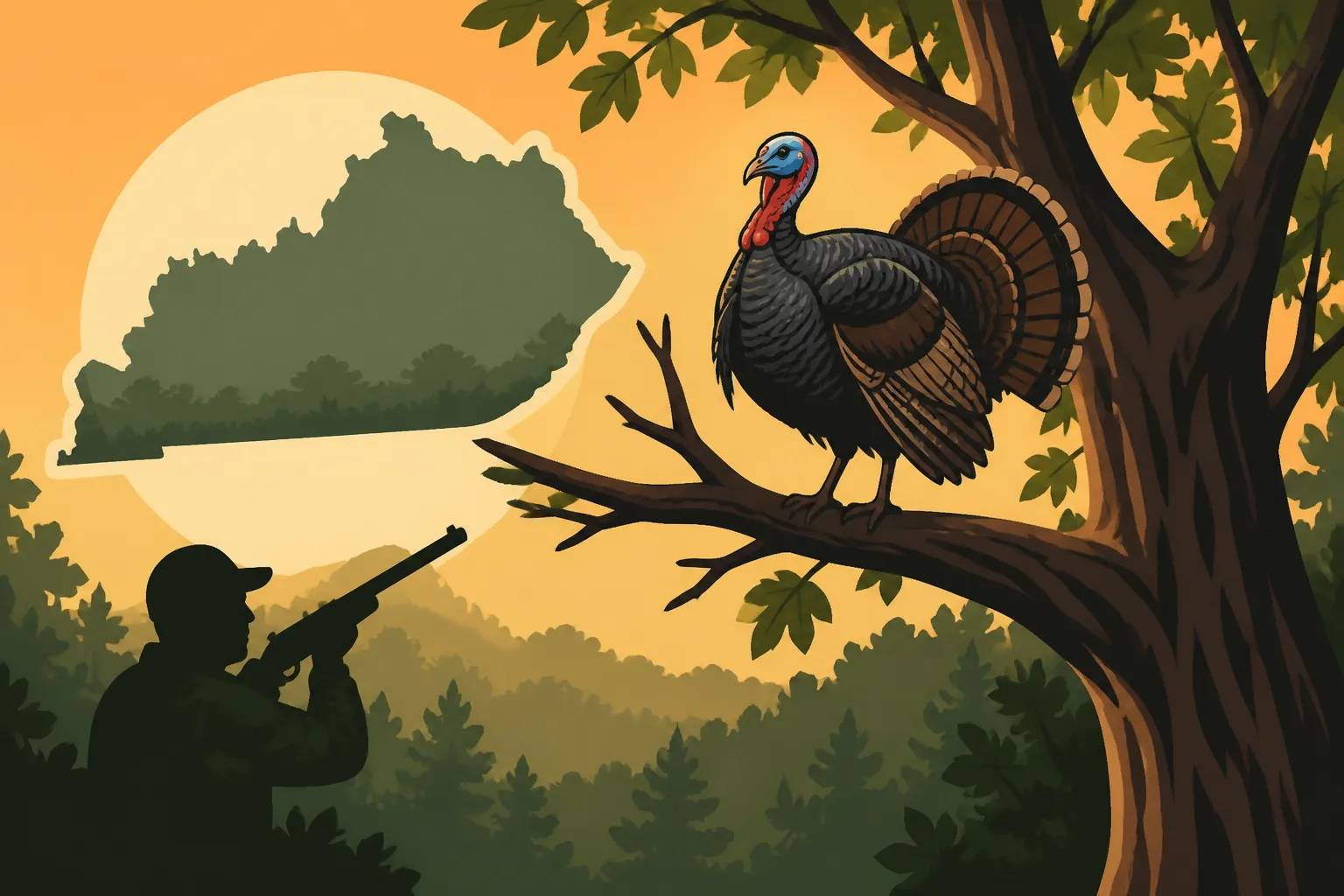
Kentucky Turkey Roost Tree Preferences
There’s nothing quite like the sound of a gobbler hammering at dawn, echoing through the Kentucky hills. It sends shivers down your spine and gets your heart thumping, but often, the biggest challenge isn't just hearing him, it's pinpointing exactly where he's coming from and, more importantly, what kind of tree he chose for the night. Knowing a wild turkey's roosting preferences can be a game-changer for your spring or fall hunt, giving you that crucial edge to be in the right place at the right time. This guide is all about demystifying those overnight hangouts and helping you find those feathered alarms.
Why Turkeys Head for the Trees Every Night
It might seem obvious that turkeys roost in trees for safety, but there's a lot more to it than just getting off the ground. Understanding the 'why' behind their roosting behavior helps us predict the 'where' and the 'what.' It's a complex survival strategy refined over generations, balancing protection, comfort, and immediate access to necessities. If you can think like a turkey on their way to bed, you're halfway to intercepting them in the morning.
Protection from Predators
The most critical reason turkeys fly up to roost each evening is predator avoidance. On the ground, they are vulnerable to a host of nocturnal hunters—coyotes, bobcats, foxes, and even bears in some parts of Kentucky. Imagine a large, slow-moving bird trying to navigate thick underbrush in the dark with a keen-nosed coyote on its trail. It's a recipe for disaster. By getting 30, 40, even 50 feet off the ground, they effectively remove themselves from the immediate threat of most ground predators.
They don't just pick any tree; they choose ones that offer a clear line of sight, allowing them to spot anything approaching the base of their chosen sentinel. This isn't just about escaping an immediate threat; it’s about a feeling of security that allows them to truly rest. They're not completely impervious, as owls or raccoons can certainly pose a threat, but the odds are significantly tilted in their favor compared to staying on terra firma. This instinctual need for safety dictates much of their decision-making process when selecting a nightly perch.
Elevated Vantage Points
Beyond just avoiding what's on the ground, a high roost offers a fantastic vantage point for what's around them. As the first rays of light creep over the eastern horizon, turkeys use their elevated position to survey their surroundings. They're looking for potential dangers that might have moved in overnight, but they're also looking for breakfast. From their perch, they can spot open fields, clearings, or mast crops where they'll likely spend their morning feeding.
This reconnaissance mission from above helps them plan their first movements of the day. A gobbler might crow at first light, trying to locate hens, but he's also listening for other gobblers and taking stock of the landscape. If there’s a juicy insect hatch in a nearby field or a fresh patch of acorns, he’ll know it from his lofty perch. This ability to assess the morning situation before ever touching the ground is a huge advantage, allowing them to descend directly into a favorable feeding or breeding area, minimizing exposure.
Thermal Regulation
While not as critical as predator avoidance, thermal regulation plays a subtle yet important role in roost tree selection, especially during the colder months or during unexpected cold snaps in spring. Getting off the ground can help turkeys escape some of the coldest air, which tends to settle closer to the earth. The dense canopy of a mature tree can also provide a bit of shelter from biting winds or even light rain and snow.
Consider a frigid December morning when you're bundled up for Hunting the Late Muzzleloader Week in December. Turkeys are not immune to the cold, and while they have excellent insulation, finding a spot that offers a slight thermal advantage can conserve precious energy. A thick cluster of pine or cedar, for instance, offers more protection from a brisk wind than a lone deciduous tree with bare branches. While they’re tough birds, given the choice, they’ll opt for a roost that offers a degree of comfort, particularly when conditions are less than ideal.
Key Characteristics of Preferred Roost Trees
When you’re out scouting or even just driving through prime turkey habitat, you can start to train your eye to spot potential roost trees. They aren't just any old tree in the woods. Turkeys are particular, and their preferences are often dictated by structure, species, and the surrounding environment. Knowing what to look for will help you narrow down your search for those birds that sound off before sunrise.
Species and Size Matters
In Kentucky, turkeys often show a strong preference for large, mature deciduous trees, with certain species standing out. Towering oak trees, particularly white oaks, are a classic favorite due to their strong, widespread limbs and often dominant height in the forest canopy. Hickory trees are another common choice, offering similar sturdy perches. Sycamores, especially those growing along creek bottoms or river edges, are also frequently used, their distinctive white bark often standing out against the darker woods.
What makes these species so appealing? It’s not just their size, but the strength and spread of their branches. Turkeys are heavy birds, and they need limbs that can comfortably support their weight without excessive swaying or risk of breaking. Think about a limb that extends horizontally, offering a flat, stable platform. You'll rarely see a turkey trying to balance on a thin, flimsy branch. The older, more mature trees provide these robust limbs, which is why focusing your scouting efforts on areas with mature timber can be incredibly productive. You can use mapping tools, like those found on GoHunt, to identify mature timber blocks.
Branch Structure and Canopy
Beyond just the tree species and its overall size, the internal branch structure and the density of the canopy are crucial factors. Turkeys prefer trees with open, horizontal limbs that allow for an easy, unobstructed flight path both into and out of the roost. They don't want to navigate a maze of vertical twigs and branches when flying up in the dimming light of evening or flying down in the low light of morning. A clear approach and departure angle is paramount for their safety and ease of movement.
Picture a massive old oak with several thick, horizontal limbs extending outward like arms. These are ideal. The canopy density also plays a role. While they appreciate some cover from the elements, they typically avoid trees with overly dense canopies that would obstruct their view or make flying in and out difficult. A moderately open canopy allows them to see potential threats from above and below. You'll often find them just below the very top of the canopy, where they get the best blend of cover and visibility. This kind of branch structure also means that sound travels further from their perch, which is part of their morning communication strategy.
Proximity to Food and Water
While a turkey’s immediate thought when flying to roost is safety, their longer-term survival strategy also involves roosting in areas that offer convenient access to food and water sources. They want to be able to fly down in the morning and quickly get to where they need to be, whether that's a field for insects, a hardwood ridge for acorns, or a water source like a creek or pond. Roosting too far from these necessities means expending more energy and increasing their exposure to predators during travel.
Think about a ridge top overlooking a planted green field or a mature oak flat that's been dropping acorns. A turkey will often roost in the dominant trees on that ridge, knowing they can fly down directly into a prime feeding area. Similarly, trees along river bottoms or near major creek systems are often favored not just for their size, but because they put the birds right next to a reliable water source. This is why when you're Scouting Kentucky Public Land Before Season, it's not enough to just look for big trees; you need to consider those big trees in relation to potential food and water sources. The convenience factor for these birds is a real thing, even if safety is always the primary driver.
Prime Locations for Roost Trees in Kentucky
Knowing what kind of tree a turkey prefers is one thing, but knowing where those trees are likely to be found in the vast Kentucky landscape is another. Turkeys aren't just looking for any big tree; they're looking for big trees in strategic locations that offer that perfect combination of safety, visibility, and proximity to resources. The topography and habitat features of Kentucky create distinct patterns in where turkeys choose to spend their nights.
Ridge Tops and Steep Hollows
In the rolling hills of Kentucky, especially in Eastern Kentucky, ridge tops are classic roosting spots. Turkeys will often choose the tallest trees on the highest points of a ridge. Why? The elevation provides an unmatched vantage point. From these high perches, they can scan for miles, spotting dangers or potential feeding areas below. It also makes them incredibly difficult for ground predators to reach.
Conversely, turkeys might also choose trees on the steep sides of hollows, particularly those with a southern exposure that might catch the morning sun. The steep terrain itself offers a barrier to predators, making it harder for coyotes or bobcats to make a quick approach. When you're Reading a Ridge for Cumberland Deer, remember that turkeys are also utilizing these same topographical advantages. A lone, dominant oak or hickory near the crest of a ridge, especially one with a relatively clear understory, is a textbook roost site. The trick is to identify these dominant trees on your mapping app, such as GoHunt's satellite imagery, and then confirm on the ground.
Creek Bottoms and River Corridors
While ridge tops are popular, don't overlook the allure of creek bottoms and river corridors, especially in the central and western parts of the state. These areas often feature stands of massive, old-growth timber that provide the ideal branch structure and height turkeys seek. Sycamores, large silver maples, and mature oaks commonly line these waterways, providing natural travel corridors and excellent roosting habitat.
The close proximity to water is a significant draw, offering a readily available drink first thing in the morning. These lowland areas also often hold a richer diversity of insects and plant life, providing abundant feeding opportunities immediately upon flying down. A particularly attractive setup is a large stand of mature trees along a creek bottom that borders an open field or agricultural area. The turkeys can roost in the safety of the timber, then glide down to feed in the field as soon as their feet hit the ground. When hunting areas like Hunting Western Kentucky Bottomland Deer, always keep an eye out for turkey sign in the massive trees lining the water features.
Edges of Fields and Openings
Another prime location for turkey roost trees is along the edges of agricultural fields, pastures, or large natural clearings. This strategy allows them to leverage the safety of dense timber while still having direct access to open areas that are often rich in food sources like insects, waste grain, or tender greens. The transition zone between forest and field provides an ideal blend of cover and open space.
Imagine a large, gnarled oak standing guard on the forest edge overlooking a vast cornfield. Turkeys can fly up into its protective canopy at dusk, then, as the sun rises, fly down into the field to scratch for leftovers or pursue insects. This setup also offers great visibility, allowing them to spot dangers approaching from the field or the woods. Hunters often capitalize on this behavior by setting up on these field edges at first light, trying to intercept birds flying down or calling them in from the roost. Consider Turkey Tactics for Farmland Field Edges when scouting these areas. The key is to find the dominant trees on that specific edge, as they’ll be the preferred sentinels.
Scouting and Interpreting Roosting Sign
Finding those elusive turkey roosts isn’t just about guessing; it’s about diligent scouting and learning to read the subtle clues the birds leave behind. Turkeys are creatures of habit, and once they establish a preferred roosting area, they’ll often return to it night after night, season after season, unless pressured. Your ability to scout effectively can dramatically increase your success rate, turning a random walk in the woods into a targeted mission.
Locating Roosts Pre-Season
Pre-season scouting is absolutely invaluable for locating turkey roosts. Before the leaves fully flush out in spring or after they fall in autumn, the bare branches make it easier to spot those massive trees that just scream "turkey roost." Drive rural roads at dawn or dusk, listening for gobbles and clucks as birds fly up or down. Pay attention to specific stands of timber that seem to consistently hold birds. Using a mapping application like GoHunt can help you identify high points, water sources, and mature timber blocks from the comfort of your home, allowing you to narrow down your on-the-ground scouting efforts.
Once you have potential areas identified, physical scouting becomes key. Walk those timber blocks. Look for the defining characteristics we've discussed: large, sturdy trees with open branch structures. Don’t be afraid to put in the miles; the birds that are hardest to find often offer the best hunting opportunities. By understanding Kentucky Turkey Population Trends and local hotspots, you can even prioritize areas for your initial scouting efforts.
Identifying Fresh Sign on the Ground
Once you’ve identified a potential roost tree or area, the next step is to look for physical evidence on the ground. Turkeys leave tell-tale signs beneath their roosts that confirm their presence. The most obvious sign is droppings. Turkey droppings are distinct, and you’ll often find a concentration of them beneath active roost trees. Gobbler droppings are typically J-shaped or coiled, while hen droppings are usually more blob-like or spiraled.
Beyond droppings, look for shed feathers. Turkeys naturally shed feathers, and you'll often find a collection of body feathers or even larger primary wing feathers beneath a roost. In dusty areas, you might even see dust bowls where turkeys have dusted themselves after flying down. On heavily used roosts, the ground might even be visibly disturbed or discolored from the sheer volume of droppings and activity. This fresh sign is your confirmation that you've found an active roost, making it the perfect spot for Calling a Kentucky Gobbler Off the Roost come opening morning.
Using Technology for Roost Identification
Modern hunting technology has made scouting for roosts more efficient than ever. GPS units and smartphone apps like GoHunt are indispensable tools. Start by studying aerial and topographic maps. Look for prominent ridge lines, isolated stands of mature timber, or large trees along creek bottoms or field edges. Topography layers can help you identify high points that offer those coveted vantage points. Identifying these features remotely can save you countless hours of walking.
Once you're in the field, use your device to mark potential roost trees as waypoints. This allows you to revisit them easily and track patterns of use. If you hear a bird gobble at dawn, mark its location immediately. Over time, you’ll start to see clusters of these waypoints, indicating consistent roosting areas. You can also use weather apps to anticipate wind direction, which turkeys factor into their roosting choice for safety and scent dispersion. Technology doesn't replace boots on the ground, but it certainly makes those boots more effective when you're Scouting With the Kentucky Hunt Fish App.
| Tree Species | Branch Structure Preference | Canopy Density | Typical Location | Advantages for Turkeys |
|---|---|---|---|---|
| White Oak | Strong, wide horizontal | Moderate | Ridge tops, hardwood flats | Sturdy perches, abundant mast, height |
| Hickory | Stout, upward-angled | Moderate | Ridge tops, mixed hardwoods | Very strong limbs, good height |
| Sycamore | Large, sprawling | Open | Creek bottoms, river banks | Massive size, often isolated, water access |
| Pine/Cedar | Dense, interlocking | High | Conifer stands, mixed woods | Thermal cover, wind break, concealment |
| Poplar/Tulip Tree | Tall, straighter | Moderate | Bottomlands, fertile slopes | Extreme height, good vertical lift |
Disclaimer
This article is for general informational purposes only and does not constitute professional advice. Laws, prices and regulations vary by location and change over time. Consult a qualified professional for guidance on your specific situation.