Which Kentucky Counties Have the Most Hogs
There's nothing quite as frustrating as seeing your favorite hunting spot or a neighbor's pristine agricultural field torn up by wild hogs. These destructive animals, often called feral swine, are a growing concern across Kentucky, causing significant damage to habitat, crops, and even native wildlife populations. If you've been wondering which counties are hit hardest and where you might encounter the most hog activity, this guide is here to shed some light on the areas where these resilient creatures are most prevalent and what makes those spots so attractive to them.
Understanding Kentucky's Wild Hog Presence
For many years, wild hogs weren't a significant player in Kentucky's wildlife landscape, at least not in the widespread, problematic way they're seen in some southern states. However, that situation has changed, and Kentucky now contends with an established and expanding wild hog population. These aren't just your domestic pigs that got loose; these are hardy, intelligent, and highly adaptable animals that can survive and thrive in a variety of environments, from dense timber to open agricultural fields. Their presence creates a lot of headaches, from habitat destruction to crop depredation, and they can even spread diseases. This is why understanding where they are and why is the first step in any effective management or hunting strategy.
One of the biggest issues with wild hogs is their incredible reproductive rate. A sow can breed at a young age, have multiple litters in a year, and produce a large number of piglets. This rapid breeding means that even if a local population is heavily hunted, it can rebound quickly if not consistently managed. They are also incredibly resilient, able to withstand hunting pressure and adapt their behavior to avoid human contact. This makes them a challenging adversary for hunters and wildlife managers alike. Their impact extends beyond just physical damage; they compete directly with native wildlife for food resources, particularly mast crops like acorns, which are crucial for deer, bear, and turkey.
Pinpointing High-Activity Hog Counties in Kentucky
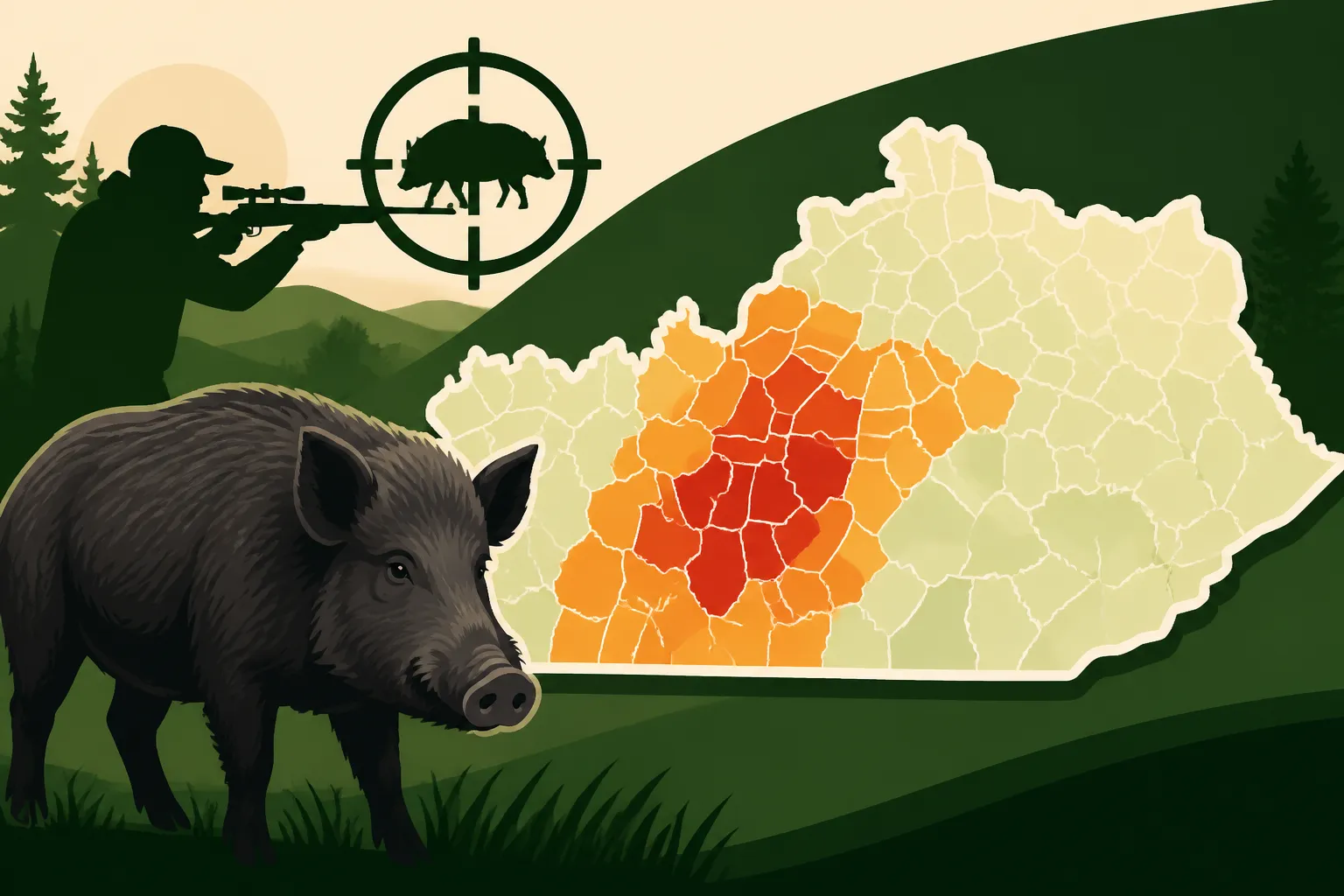
When we talk about where wild hogs are most concentrated in Kentucky, we're generally looking at two primary regions, though their range is certainly not limited to just these. The highest densities and most persistent problems tend to be found in parts of southeastern Kentucky, particularly within the vast tracts of timber and rugged terrain, and also in some western Kentucky counties, especially those with significant river bottomlands and agricultural operations.
Southeastern Kentucky Hotbeds
The rugged, forested landscape of southeastern Kentucky, particularly within and surrounding the Daniel Boone National Forest and areas adjacent to the Big South Fork National River and Recreation Area, provides ideal habitat for wild hogs. Counties like McCreary, Wayne, Clinton, and portions of Pulaski, Whitley, and Bell have historically reported higher instances of wild hog activity. These areas offer dense cover, abundant water sources, and often proximity to agricultural fields on private parcels that border the public lands.
The sheer remoteness and difficulty of access in some of these mountainous regions also allow hog populations to grow relatively unchecked in certain pockets. Hunters targeting deer or bear in these areas often encounter hog sign, from extensive rooting to wallows in muddy creek bottoms. It's not uncommon for hunters Hunting Eastern Kentucky Coalfield Country to cross paths with these animals while pursuing other game. The terrain here is challenging, which can make consistent hog eradication efforts difficult, allowing pockets of animals to persist and expand.
Western Kentucky River Systems and Farmland
Moving to the western part of the state, counties along the Ohio and Mississippi River systems, as well as those with extensive agricultural land, are also known for significant wild hog presence. Counties like Ballard, Carlisle, Hickman, Fulton, and portions of Henderson, Union, and Webster have reported issues. These hogs often use the dense cover of river bottomlands and sloughs as bedding areas, moving into adjacent corn, soybean, and winter wheat fields to feed. The rich alluvial soils are perfect for rooting, and the abundant food sources allow populations to flourish.
The connectivity of river systems acts like a highway for these animals, allowing them to travel considerable distances and colonize new areas. During periods of flooding, hogs can be displaced from their usual haunts, sometimes pushing them into areas where they weren't previously common, leading to new outbreaks. Hunters exploring Hunting Western Kentucky Bottomland Deer or waterfowl areas often find themselves in prime hog country, whether they intended to or not.
Here's a generalized table showing counties with historically higher reported hog activity based on regional patterns:
| Region | Representative Counties with Higher Hog Activity | Typical Habitat | Primary Attractions |
|---|---|---|---|
| Southeastern Mountains | McCreary, Wayne, Clinton, Bell, Whitley, Pulaski | Dense timber, rugged hills, creek bottoms, remote areas | Hard mast (acorns), thick cover, water, limited access |
| Western River Bottoms | Ballard, Carlisle, Hickman, Fulton, Henderson, Union | River bottomlands, sloughs, adjacent agricultural fields | Abundant crops (corn, soybeans), water, dense riparian cover |
| Central Agricultural Edges | Scattered reports, often near large farms | Woodlots bordering large crop fields | Seasonal crop availability, local cover |
It's important to note that wild hog populations are dynamic and can shift. A county that had fewer hogs a few years ago might experience an increase due to dispersal from neighboring areas or new introductions. This table is based on general trends and reported observations.
Factors Contributing to Hog Density and Spread
Several key factors contribute to why certain Kentucky counties become hog hotspots. Understanding these can help hunters and landowners predict where new problems might emerge or where current populations might be sustained.
Habitat and Food Availability
Wild hogs are highly opportunistic feeders and thrive in environments with reliable food sources. This often means areas with a mix of forested land and agricultural fields. In the eastern part of the state, abundant hard mast, particularly acorns, provides a crucial food source, especially in the fall and winter. Combined with the dense cover of Kentucky's mountain forests, it creates a perfect environment for them to hide, breed, and feed. When scouting public land, tools like GoHunt can be invaluable for identifying potential bedding areas in thick timber or locating water sources that hogs frequent.
In western Kentucky, agricultural crops are a major draw. Fields of corn, soybeans, and wheat provide a high-energy diet that allows hogs to grow quickly and reproduce efficiently. The edge habitat where timber meets these crop fields is prime territory for hogs. They can feed under the cover of darkness and retreat to thick woods during the day. Access to water, whether it's a creek, river, or pond, is also paramount, as hogs need to wallow to regulate their body temperature and to ward off parasites. Identifying these critical habitat components is key when you're trying to locate hogs.
Connectivity of Landscapes
The way Kentucky's landscape is connected plays a huge role in hog dispersal. River corridors, for instance, act as natural travel routes, allowing hogs to move between different areas. A hog might travel several miles along a river system, colonizing new bottomlands and eventually moving into adjacent uplands. Logging roads and utility easements through large tracts of timber also create pathways that hogs can exploit, easing their movement across vast distances.
The mosaic of private and public lands can also contribute to hog density. Hogs may find refuge on properties where hunting pressure is lower, or on parcels where landowners aren't actively managing them. This can create "safe zones" from which hogs can then expand into surrounding areas. For a hunter trying to understand these complex land patterns and plan effective strategies, mapping applications like GoHunt can be a game-changer, overlaying property boundaries and public land access points to help you identify prime areas.
Lack of Natural Predators and Year-Round Reproduction
While Kentucky has predators like coyotes and black bears, they generally don't exert enough pressure to control wild hog populations. Adult hogs are formidable animals, and their piglets, while vulnerable, are often protected by the sow. The absence of sustained, high-level predation means that their numbers can continue to climb if not managed by human intervention.
Their year-round breeding cycle is perhaps the most significant factor in their unchecked population growth. Unlike deer or turkeys that have specific breeding seasons, wild hogs can breed throughout the year, with sows often having two litters within a 12-to-15-month period. This constant reproduction makes it incredibly difficult to get ahead of their numbers. Even if a group of hunters removes a significant number of hogs from an area, that void can quickly be filled by new litters or by hogs moving in from adjacent territories. This constant pressure is why many states, including Kentucky, classify them as an unprotected species that can be hunted year-round without bag limits or specific seasons. Why Kentucky Treats Hogs as Unprotected
Strategies for Hunting Hogs in Kentucky's Hotspots
If you're heading to a county known for its hog activity, there are several strategies you can employ to increase your chances of success, whether you're specifically targeting hogs or hoping to take one incidentally during another hunting season. Remember, the goal with wild hogs isn't just sport; it's often about population control and mitigating damage.
Year-Round Opportunity and Methods
One of the unique aspects of hunting wild hogs in Kentucky is that they are generally considered an unprotected species, meaning you can hunt them year-round without closed seasons or bag limits. This offers a fantastic opportunity for hunters to get out in the woods even when other seasons are closed. Hunting Wild Hogs Alongside Deer Season can be a productive way to add another animal to your cooler. Common methods include still-hunting, stalking, and setting up over active feeding areas or wallows.
- Still-Hunting and Stalking: This involves slowly moving through areas known for hog activity, especially around dense bedding cover or along travel corridors between feeding and bedding sites. Pay close attention to fresh rooting, tracks, and droppings. Hogs have an excellent sense of smell, so hunting into the wind is crucial. Their eyesight is poorer, but their hearing is good. This makes sneaking up on them a challenge but a rewarding one.
- Ambush Hunting: Setting up a ground blind or treestand near a known food source (like a crop field or a heavily acorn-laden oak stand) or a wallow can be very effective, especially during dawn and dusk when hogs are most active. You might consider using a sturdy ground blind like those from various brands, ensuring it's well-brushed in for concealment.
- Trapping: For landowners or groups seeking serious population control, trapping can be the most effective method. Large corral traps or box traps baited with corn or fermented grains can capture multiple hogs at once, making a significant dent in local populations. This requires a different set of skills and equipment, but it's often the most impactful way to remove large numbers of animals.
Scouting and Sign Interpretation
Effective hog hunting starts with meticulous scouting. Hogs leave very distinctive signs that are easy to spot once you know what to look for.
- Rooting: This is perhaps the most obvious sign. Hogs use their powerful snouts to dig up the ground in search of roots, tubers, insects, and grubs. Look for areas of disturbed soil, often resembling a rototilled garden. The fresher the rooting, the more recently hogs have been in the area.
- Tracks: Hog tracks are cloven, similar to deer, but they tend to be rounder and wider. The dewclaws (the two small toes at the back of the foot) often show up more prominently in hog tracks, especially in soft ground, because their legs are shorter and their bodies heavier than deer. You can learn a lot from Reading Kentucky Mud for Fresh Deer Movement, and those skills apply directly to hog sign.
- Wallows: Hogs love to roll in mud to cool down and to coat themselves in a protective layer against insects. Look for muddy depressions, especially near water sources, that show evidence of hogs rolling around.
- Rub Marks: Hogs will often rub themselves on trees, fence posts, or rocks, leaving mud and hair behind. These marks are typically lower to the ground than deer rubs.
- Scat: Hog droppings vary widely depending on their diet but are generally more cylindrical and often contain remnants of what they've been eating, such as corn kernels or plant fibers.
Utilizing mapping tools can greatly enhance your scouting. A subscription to a service like GoHunt allows you to view aerial photos, topo maps, and land ownership boundaries. This can help you identify dense cover, creek drainages, and agricultural fields that are likely hog magnets. You can mark hog sign directly on the map, helping you establish patterns and plan your approach.
Gear Considerations
While you don't need highly specialized gear to hunt hogs, a few items can make a big difference:
- Firearms: Hogs are tough animals, so a reliable rifle in a common deer caliber (like a .270, .308, or even a .243 with good bullet placement) or a shotgun with slugs is more than adequate. For close-quarters encounters in thick cover, a powerful pistol or a lever-action rifle can also be effective.
- Optics: Binoculars are essential for scanning thick cover and identifying hogs before they see you. A good quality scope on your rifle will aid in accurate shot placement, especially in dim light.
- Lighting: If you plan to hunt at night, which is legal for hogs in Kentucky, you'll need specialized equipment such as night vision or thermal optics. However, always check local regulations as rules can vary.
- Boots and Clothing: Sturdy, waterproof boots are a must, as you'll often be traversing wet, muddy, or rugged terrain. Durable brush pants can protect you from briars and thick undergrowth. Layered clothing is always a good idea for Kentucky's unpredictable weather.
Hunting wild hogs is a unique challenge, but a rewarding one. By understanding their preferred habitats in Kentucky's hotspots and employing smart hunting strategies, you can contribute to managing these challenging animals while enjoying an exciting pursuit in the great outdoors.
Disclaimer
This article is for general informational purposes only and does not constitute professional advice. Laws, prices and regulations vary by location and change over time. Consult a qualified professional for guidance on your specific situation.