Where to Watch Elk Without a Tag
There's nothing quite like the thrill of seeing a wild elk, especially here in Kentucky where their presence is still relatively new and always feels like a special gift. For many of us, the dream of an elk hunt remains just that – a dream, given the intense competition for tags. But just because you don't have a tag doesn't mean you can't experience the awe of these magnificent creatures. This guide is all about helping you discover where and when you can watch Kentucky's thriving elk herd, completely tag-free, by exploring the public viewing opportunities available to everyone.
Why Spotting Elk in Kentucky is a Big Deal (and a Challenge)
Let's be honest, Kentucky isn't exactly Montana or Colorado when it comes to elk. We have a unique story, and that makes seeing an elk here even more special. It's a testament to incredible conservation efforts, and every sighting feels like a privilege.
Kentucky's Elk Herd: A Success Story
Our state boasts what many consider to be the largest elk herd east of the Mississippi River, a true conservation marvel that started with just a handful of animals reintroduced decades ago. If you want to dive deeper into this amazing comeback, you can read about How the Kentucky Elk Herd Was Rebuilt. Today, the numbers are impressive, with estimates suggesting How Many Elk Live in Kentucky Today. This thriving population is concentrated primarily within our designated Elk Restoration Zone, a vast expanse of eastern Kentucky that has become their new home. Witnessing these animals in their natural habitat is a powerful experience, connecting you directly to the wild spirit of our mountains and hollows. It’s a chance to see a piece of American wildlife history that was once lost to our region, now flourishing once more.
The Reality of Spotting Wild Elk
While the numbers are strong, seeing wild elk isn't like visiting a petting zoo or a safari park. These are genuinely wild animals, and they're often wary of humans, possessing incredible senses that allow them to detect us long before we see them. The terrain in the Elk Restoration Zone, characterized by steep hills, thick forests, and reclaimed mine lands, can make spotting them a real challenge. They're masters of camouflage and can disappear into the landscape with surprising ease. Don't go into this expecting a guaranteed sighting every time you head out. It requires patience, quiet observation, and sometimes a bit of luck. The reward, however, for putting in that effort and finally laying eyes on a bull elk bugling or a cow leading her calves, is absolutely worth it. It’s a moment that will stay with you long after you’ve left the woods.
Prime Public Viewing Areas: Where to Find Them
The key to successfully viewing elk without a tag lies in knowing where to focus your efforts. While elk roam throughout the entire restoration zone, certain public areas offer better access and higher probabilities of a sighting.
The Elk Restoration Zone
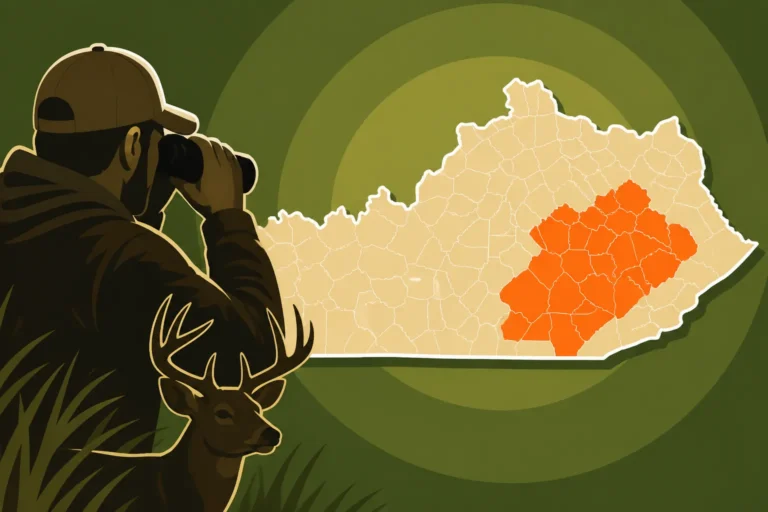
The Elk Restoration Zone encompasses 16 counties in southeastern Kentucky. This is the heart of Kentucky's elk country, and naturally, it's where you'll want to concentrate your viewing trips. Much of this area is a mix of private land, public hunting lands, and reclaimed mine lands. While we often talk about Hunting Kentucky's Elk Restoration Zone, today we're focusing purely on observation. The terrain is rugged, but often provides elevated vantage points that can be excellent for glassing. Roads frequently cut through areas where elk are known to travel, offering opportunities for roadside viewing if you’re patient and observant. It's not uncommon to see elk grazing in open fields, especially those adjacent to timbered hillsides, making them excellent spots for observation, particularly during feeding times.
Specific Hotspots and Overlooks
Within the broader Elk Restoration Zone, certain spots have become well-known for their elk viewing potential. These areas often feature open fields or reclaimed mine lands that elk favor for grazing, especially during the cooler parts of the day.
- Begley Wildlife Management Area (WMA): Located near Hazard in Perry County, Begley WMA is frequently mentioned as an excellent place to see elk. It features a mix of forests and open grasslands, remnants of past mining operations that have been reclaimed into prime elk habitat. The open nature of some of these areas makes spotting elk easier, especially from a distance. You'll often find designated pull-offs or areas where you can safely park and set up your spotting scope.
- The Troublesome Creek Area: This general region, also in Perry County, has a reputation for elk activity. Driving some of the quieter county roads that cut through these areas, especially at dawn or dusk, can lead to sightings. Just remember to be respectful of private property and other users.
- Knox County: Parts of Knox County, particularly around the Barbourville area, are known for their elk presence. Keep an eye out for open fields or pastures, especially those bordering dense timber.
- Harlan County: While very rugged, Harlan County also holds a good number of elk. Some of the higher elevations and more open reclaimed areas can offer impressive views if you're willing to do some driving and patient glassing.
Many dedicated elk viewing sites and scenic overlooks have been established, often signposted, to help visitors. These spots are usually chosen because of historical elk activity and provide relatively safe and accessible viewing opportunities. Before you head out, I highly recommend checking the Kentucky Department of Fish and Wildlife Resources (KDFWR) website or local tourism boards for maps and current information on designated viewing areas. Tools like GoHunt, typically used for planning hunts, can also be useful for studying topography, identifying open areas, and understanding public land boundaries even if your goal is just observation. You can even use it to pinpoint potential travel corridors between feeding and bedding areas.
Utilizing Resources for Scouting
Finding the perfect elk viewing spot can feel like a mini-scouting mission, and that's exactly what it is! Just like preparing for a hunt, you'll want to do a little homework before you go.
- KDFWR Website and Maps: The KDFWR website is your absolute best friend here. They often have maps of the Elk Restoration Zone, highlighting public lands and sometimes even suggesting viewing routes or known hotspots. Pay attention to any advisories, especially concerning private land boundaries or active logging operations.
- Local Tourism Offices: Many of the counties within the Elk Restoration Zone have embraced elk viewing as a form of tourism. Their local tourism offices are often a goldmine of information, offering maps, driving routes, and tips from locals who know the area well. Don't be shy about calling them or stopping in if you're nearby.
- Mapping Apps: Even though you're not hunting, a good mapping app like GoHunt can be invaluable. It allows you to visualize the terrain, identify public land access points, and note potential vantage points from roads or trails. You can mark areas where you've seen elk sign (tracks, scat, rubs) or where you anticipate good viewing opportunities. This level of detail helps you maximize your time in the field.
- Talking to Locals: Sometimes the best advice comes from those who live and work in elk country. Local gas station attendants, diner owners, or shopkeepers can often offer insights into recent elk sightings or good general areas to keep an eye on. Always be polite and respectful, and remember they don't have to share their knowledge.
Timing Your Visit for the Best Elk Viewing Opportunities
Just knowing where to go isn't enough; when you go can dramatically increase your chances of seeing elk. Elk have routines, and understanding them will greatly improve your success.
The Rut: Bugling Season Excitement
Without a doubt, the most exciting time to view elk is during the rut, or breeding season. This typically falls in late September and early October. This is when bulls become vocal, bugling loudly to challenge rivals and attract cows. The sound of a bull elk bugling through a misty Kentucky hollow is an experience you won't soon forget, giving you chills even from a distance. If you're interested in understanding the sounds, you can learn more about Calling a Southeastern Kentucky Bull Elk.
During the rut, elk are often more active during daylight hours, making them easier to spot. Bulls will be sparring, herding cows, and generally putting on a show. While it's an incredible time to visit, be prepared for more people in the popular viewing areas. Everyone wants to witness this spectacle! I've spent many mornings just listening to the woods come alive with their calls. It’s truly something special. For specific dates, refer to resources like When Kentucky Elk Bugle.
Early Morning and Late Evening
Like many large game animals, elk are most active during the crepuscular hours – dawn and dusk. This is when they move between their bedding areas (often dense cover on north-facing slopes) and their feeding grounds (open fields, reclaimed lands, or oak ridges rich with acorns).
- Sunrise: Get to your chosen viewing spot well before the sun comes up. The first light of day often reveals elk still out in fields or moving slowly towards cover. The crisp morning air and quiet surroundings make for an immersive experience.
- Sunset: Similarly, position yourself an hour or two before sunset. Elk will begin to emerge from their daytime beds to feed, offering excellent viewing opportunities as they graze in the fading light.
These times also generally mean less human activity, providing a more peaceful and natural viewing experience for you and less disturbance for the elk. Remember, if you can approach an area with the wind in your face, even if you’re just viewing, you’re less likely to spook them.
Winter and Early Spring
While the rut is dynamic, winter and early spring offer unique advantages for elk viewing, though with different characteristics.
- Winter: Once the leaves fall from the trees, visibility in the forest dramatically improves. Elk might be more concentrated around specific food sources. However, deep snow can make access challenging in some areas, and elk might be more focused on conserving energy, leading to less visible activity. They might be in larger herds though, which can make spotting one a whole group.
- Early Spring: As green-up begins, elk will seek out fresh forage. Like winter, the lack of full foliage can make them easier to spot from a distance. The calving season in late spring means you might see cows with newborn calves, a truly heartwarming sight, but this is also a time when disturbing them is particularly critical to avoid.
Here's a quick comparison of viewing periods:
| Time of Year/Day | Elk Activity | Ease of Spotting | Required Effort | Notes |
|---|---|---|---|---|
| Rut (Sept/Oct) | Very High (bugling, sparring) | Moderate to High | Moderate | Most exciting, but potentially more crowded. Elk are vocal and move more during the day. |
| Early Morning | High (feeding, moving) | Moderate | High | Requires being on site before dawn. Best chance for serene, natural encounters. |
| Late Evening | High (feeding, moving) | Moderate | High | Offers good light for photography. Elk emerge from cover. |
| Midday | Low (bedding, resting) | Low | Low | Less active, often in dense cover. Best for scouting new areas or hiking. |
| Winter | Moderate (feeding) | Moderate (better vis) | Moderate | Bare trees aid visibility. Elk might be in larger groups. Potential for challenging access. |
| Early Spring | Moderate (feeding, calving) | Moderate (better vis) | Moderate | Fresh growth attracts elk. Be extra cautious not to disturb calving cows. |
Etiquette and Safety When Viewing Wild Elk
Viewing wildlife in their natural habitat is a privilege, and it comes with responsibilities. Your actions directly impact the animals and the experience of others.
Respecting Wildlife and Private Property
It's vital to remember that these are wild animals and should be treated with respect and caution.
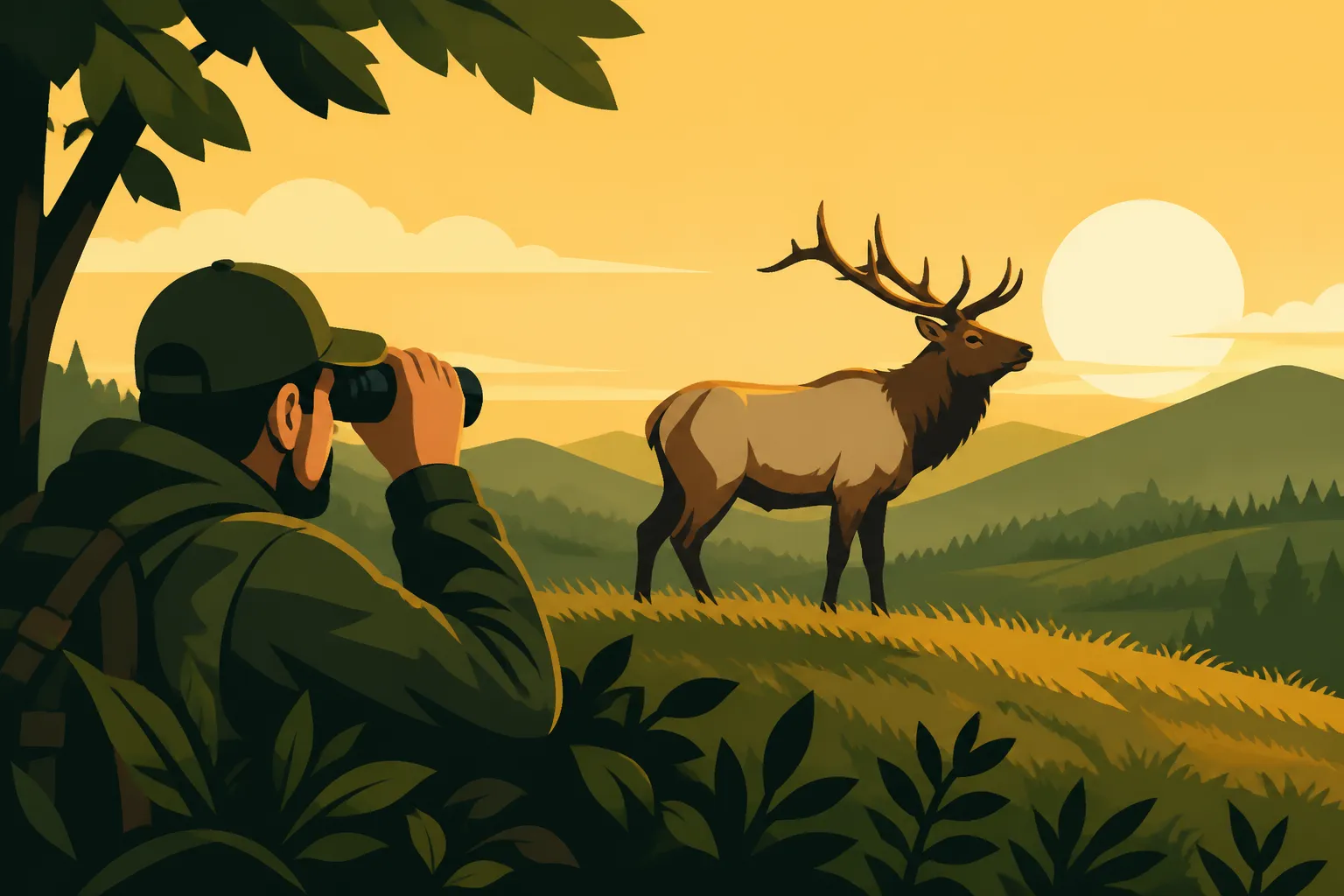
- Maintain a Safe Distance: Never approach elk. Use binoculars, spotting scopes, or telephoto lenses to get a closer look. If an elk changes its behavior because of your presence (stops feeding, looks at you intently, moves away), you are too close. Bulls, especially during the rut, can be aggressive, and cows with calves are extremely protective.
- Stay Quiet: Sudden movements or loud noises can spook elk. Move slowly and speak softly, or ideally, stay silent. Enjoy the natural sounds of the forest.
- Never Feed Elk: Feeding wild animals, especially large ones like elk, is detrimental to their health and can lead to them associating humans with food, which often results in dangerous encounters for both the animals and people. It's illegal and irresponsible.
- Respect Private Property: The Elk Restoration Zone is a patchwork of public and private land. Always know where you are. Use mapping apps like GoHunt to clearly identify land ownership. Never trespass onto private land for a better view. Not only is it illegal, but it can also jeopardize future access for everyone. You can review Kentucky Trespass and Permission Law to understand the regulations. If you suspect you might need to recover game from private land, it's best to have permission beforehand, though for simple viewing, avoiding private land altogether is the best approach.
- Pack It In, Pack It Out: Leave no trace. Take all your trash with you. This preserves the natural beauty of the area and protects the wildlife.
Staying Safe in Elk Country
While the chances of a dangerous encounter are low, being prepared is always smart.
- Be Aware of Your Surroundings: Elk are large, powerful animals. Pay attention to their body language. If you see signs of aggression (head down, ears back, pawing the ground), back away slowly.
- Watch for Other Wildlife: Elk country is also home to black bears, coyotes, and venomous snakes. Be aware of these possibilities, especially when walking in thick cover or near rock outcrops. Carry bear spray if you feel it's necessary, and know how to use it.
- Tell Someone Your Plans: If you're heading into a remote area, let someone know where you're going and when you expect to return. Cell service can be spotty in the mountains.
- Dress Appropriately: The weather in eastern Kentucky can change quickly. Dress in layers, wear sturdy hiking boots, and carry rain gear, even on a sunny day.
- Carry Essentials: A small pack with water, snacks, a first-aid kit, a headlamp (even for daytime trips in case you get delayed), and a fully charged phone are always good ideas.
Photography Tips
Getting that perfect shot of a wild Kentucky elk is a fantastic goal, but it should never come at the expense of the animal's well-being or your safety.
- Telephoto Lenses are Your Friend: The best way to get close-up photos without actually getting close is with a long telephoto lens. This allows you to fill the frame while maintaining a respectful and safe distance.
- Utilize Low Light: As mentioned, dawn and dusk are prime viewing times, and they also offer incredible light for photography – the "golden hours." This soft, warm light can make your elk photos truly stunning.
- Be Patient and Silent: Just like with viewing, patience is key for photography. Set up your camera, find your spot, and wait. The elk will eventually relax and offer more natural poses if they don't perceive you as a threat.
- Capture the Environment: Don't just focus on the animal. Try to capture the beautiful Kentucky landscape in which the elk live. A wide shot showing a bull bugling in a reclaimed meadow can be just as impactful as a tight portrait.
- Consider a Tripod: For long lenses and low-light conditions, a tripod will keep your shots sharp and steady, reducing camera shake.
Remember, the goal is to observe and appreciate these magnificent animals in their wild home. With a little planning, patience, and respect, you can have an unforgettable experience watching Kentucky's elk herd, tag or no tag.
Disclaimer
This article is for general informational purposes only and does not constitute professional advice. Laws, prices and regulations vary by location and change over time. Consult a qualified professional for guidance on your specific situation.