When Kentucky Elk Bugle
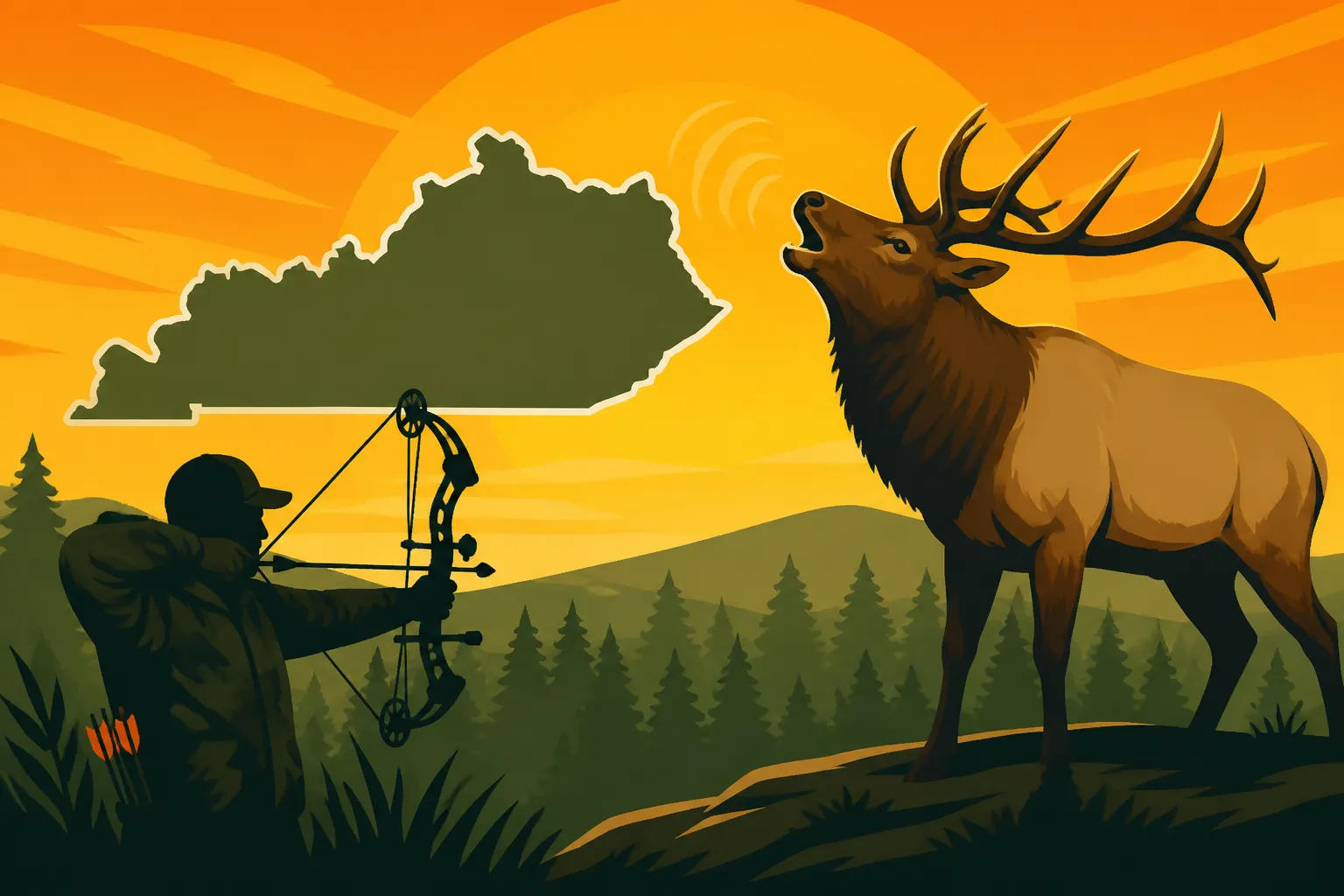
One of the most thrilling and iconic sounds you can experience in the Kentucky wilderness is the eerie, majestic bugle of a bull elk. Many hunters, myself included, spend countless hours trying to time their hunts perfectly to coincide with this vocal spectacle, only to find the timing can be a bit elusive. This guide is here to unravel the mystery of when Kentucky elk truly bugle, helping you understand the nuances of the rut in our beautiful mountains and prepare for a successful encounter.
The Rhythmic Call of the Wild: Understanding Elk Bugling
The sound of an elk bugle cuts through the mountain air like nothing else. It’s a primal call that embodies the wild spirit of our Kentucky's Record Elk Herd. But it’s more than just a loud noise; it’s a complex communication system that plays a critical role in the elk rut, a period of intense activity and competition among these magnificent animals. Understanding when and why they bugle is the first step to truly appreciating and even participating in this natural phenomenon.
More Than Just a Scream: The Purpose of the Bugle
A bull elk's bugle is a multi-faceted vocalization, starting with a low growl, rising into a piercing whistle, and often ending with a series of guttural grunts or chuckles. Each part of this complex call conveys a different message. For the most part, bugling serves several key purposes during the breeding season. It's a way for bulls to announce their presence and fitness to cows, signaling their readiness to breed. Imagine a bull standing on a ridge overlooking a vast hollow, letting out a screaming bugle that echoes for miles – he's essentially putting out an advertisement for any receptive cows in the area.
Beyond attracting cows, bugles are also a powerful display of dominance and a challenge to other bulls. A large, mature bull with a deep, resonating bugle is telling his rivals, "This is my territory, and these are my cows." Younger or less dominant bulls might bugle as well, but often with less frequency or intensity, testing the waters or trying to sneak in without drawing too much attention from the herd masters. Sometimes, two bulls will engage in a bugling duel, each trying to out-vocalize the other before a physical confrontation even begins. It's a true power play, a battle of lungs and intimidation before antlers clash.
Factors Influencing the Kentucky Elk Rut
While the primary driver of the elk rut is photoperiod – the decreasing daylight hours as summer turns to fall – several other factors can influence the intensity and timing of bugling in Kentucky's Elk Restoration Zone. Weather, herd health, and even hunter pressure all play a role in how vocal and active the bulls will be. A sudden cold snap, for example, can often ignite a flurry of bugling activity, as bulls seem to get a burst of energy and aggression. Conversely, a prolonged period of unseasonably warm weather can suppress bugling, making bulls more lethargic and less inclined to expend energy calling.
Herd dynamics also matter. In areas with a healthy Kentucky Elk Bull-to-Cow Ratio and a good distribution of mature bulls, competition tends to be higher, leading to more aggressive and consistent bugling. If the bull numbers are low, or if there's a single dominant bull holding a large harem, other bulls might be more cautious, resulting in less overall vocalization. Hunter pressure, especially in heavily hunted areas, can also cause elk to become more wary and less vocal during daylight hours, pushing their activity more towards the safety of darkness. It's a constant dance between instinct and environmental cues.
The Phases of the Bugle Season in Kentucky's Elk Zone
Just like deer have a distinct rut sequence, the elk bugling season unfolds in phases. It's not a switch that flips on or off, but rather a gradual build-up, a peak, and then a slow decline. Knowing these phases can give you a significant advantage when you're planning your trip to the mountains, whether you're hunting or just trying to experience the magic of the bugle.
Early Whispers: Late August to Early September
You might start hearing the very first, tentative bugles in late August, especially in the cooler mornings or evenings. These are often solitary bulls, perhaps younger ones, testing their pipes or older bulls beginning to feel the first stirrings of the rut. At this stage, the bugles are typically less frequent, less intense, and often isolated. It's more of a "testing the waters" period, where bulls aren't yet fully committed to the intense breeding behavior. They might bugle a few times, move on, and then be silent for hours.
During this early phase, you're unlikely to hear the roaring, multi-bugle sequences that define the peak rut. It's a time for scouting and listening, trying to locate specific bulls or areas where activity is starting to pick up. For those applying for a Kentucky Elk Quota Hunt, this early reconnaissance can be invaluable, helping you identify pockets of elk before the serious competition heats up. Using a mapping platform like GoHunt during this time to mark potential bedding areas, water sources, and travel corridors can be really beneficial, as elk patterns are still somewhat predictable before the chaos of the peak rut kicks in.
The Roaring Peak: Mid-September through Early October
This is the golden window, the time every elk enthusiast dreams about. From mid-September through the first week or two of October, Kentucky's mountains come alive with the sounds of bugling. This is when the cows become receptive, and the bulls are in full rutting mode. You’ll hear everything from guttural grunts to full-blown, screaming challenges as bulls aggressively pursue cows and defend their harems from rivals. It’s an immersive, almost overwhelming experience, with bugles echoing from every hollow and ridge.
During the peak, you're likely to hear constant vocalizations throughout the day, not just at dawn and dusk. Bulls will often herd their cows tightly, chasing off any satellite bulls that dare to approach. This is the period of intense physical confrontations, antler clashes, and the most consistent calling activity. If you're planning to experience Elk Viewing in the Restoration Zone, this is without a doubt the best time to go. The sheer volume and intensity of bugling during this peak can be truly awe-inspiring, a testament to the wild spirit that thrives in these parts of Kentucky.
Tapering Off: Mid-to-Late October
As October progresses, the intensity of the bugling begins to wane. Most of the cows will have been bred, and the dominant bulls, exhausted from weeks of relentless activity, breeding, and fighting, start to quiet down. You might still hear bugles, especially from younger, less dominant bulls who are still looking for any remaining unbred cows, or from bulls that were previously satellite animals now venturing closer to cows that have separated from the main herd.
The bugles become less frequent and often less aggressive. The roaring challenges give way to more sporadic, searching calls. For hunters, this phase can still be productive, as weary bulls might be more responsive to calls, or more easily patterned as they focus on recovering and feeding. While the raw, overwhelming soundscape of the peak rut diminishes, there's still a good chance to hear some vocalizations and witness elk activity, albeit with a different rhythm. It's a time when the mountains begin to settle back into their autumn calm, though the memory of the roaring peak still lingers in the crisp air.
Strategies for Locating and Calling Bugling Elk
Knowing when the elk bugle is only half the battle; the other half is knowing how to use that information to find and potentially call them. It takes patience, good scouting, and a willingness to adapt to the elk's behavior.
Scouting and Timing Your Hunt
Effective scouting is paramount, long before you ever set foot in the woods during season. Start well in advance of the rut by understanding the terrain, identifying potential feeding areas, water sources, and bedding thickets. Platforms like GoHunt offer valuable mapping tools that can help you pour over aerial imagery and topo maps to pinpoint these critical areas. Look for historical movement patterns, subtle benches, and saddles on ridges that funnel elk. Areas with good natural mast crops, like acorns, will often concentrate elk when they're not fully consumed by breeding.
Once bugling activity starts, your scouting shifts to listening. Early September is a great time to pinpoint where those "early whispers" are coming from, giving you a baseline for where elk are starting to stage. If you've been lucky enough to draw one of the coveted permits for Kentucky's Elk Quota Hunt Rules, timing your physical scouting trips to coincide with these early phases can help you narrow down specific drainages or ridge systems where the action is starting to heat up. You'll want to focus on areas where How Many Elk Live in Kentucky Today are concentrated, which often means sticking to the designated elk zone counties in Eastern Kentucky.
Effective Calling Techniques During Different Phases
The type of calling you employ should ideally match the phase of the rut. During the "early whispers" in late August to early September, aggressive bull bugles might actually scare off tentative bulls. Soft cow calls or calf chirps can be more effective, signaling a receptive cow or a lost calf, which might pique a bull's curiosity without directly challenging him. When you're trying to draw in a bull that's not yet fully committed to breeding, subtlety often wins.
As the rut builds to its "roaring peak," around mid-September, you can start to get more aggressive. Loud, challenging Bugle Tubes for Southeastern Kentucky Elk followed by realistic grunts can provoke a response from a dominant bull. If you hear a bull bugling in the distance, you might respond with a less dominant bugle, gradually increasing your intensity if he continues to approach. Then, as he gets closer, switch to aggressive cow calls to suggest a receptive female that he's missing out on. Every situation is unique, and sometimes a simple cow chirp is all it takes to bring a bull in close, especially if he's actively herding cows and doesn't want to leave them to investigate a challenging bull. Knowing when to be subtle and when to be aggressive is key to Calling a Southeastern Kentucky Bull Elk.
Being Realistic About the Action
It’s important to manage your expectations. While the peak rut can be phenomenal, it's not always a non-stop bugle fest. Weather changes, hunting pressure, and individual bull temperament can all affect how vocal elk are on any given day. Some days, despite perfect timing, the woods might seem eerily silent. Don't get discouraged! Persistence is crucial. If you're not hearing bugles, don't just sit and wait; get up and move, covering ground quietly and glassing open areas with quality Rangefinders for Open Elk Meadows at first light or last light. Elk are still active even if they aren't bugling. They're feeding, bedding, and moving between areas. Sometimes, the silent approach can lead to a surprise encounter.
Remember that even during the peak, not all bulls bugle constantly, and some mature bulls are famously quiet, using their eyes and nose more than their voice. These "ghost" bulls can be incredibly challenging but also incredibly rewarding to pursue. Keep an eye on weather patterns, pay attention to the moon phase, and be prepared to put in the hard work. The Kentucky elk country is tough, but it's also incredibly rewarding for those willing to learn its rhythms.
The Influence of Weather and Pressure on Bugling
The weather doesn't just impact whether we want to be out there; it profoundly affects how elk behave, including their vocalizations. Likewise, the presence of hunters, or even the memory of past hunting seasons, can alter how openly and frequently bulls choose to bugle.
How Temperature and Precipitation Affect Activity
When a cold front rolls through Kentucky's elk country, especially after a period of warm weather, it often invigorates the bulls. The cooler temperatures make them more active, less prone to overheating during their strenuous rut activities, and consequently, more vocal. A crisp, clear morning with frost on the ground following a cold front is often prime bugling time. The sound carries better in the cooler, denser air, and the elk just seem to feel more alive.
Rain can be a mixed bag. A light, drizzly rain can sometimes keep elk moving and bugling, especially if it's accompanied by cooler temperatures. The moisture can dampen sound, but it also reduces human scent, making elk feel a bit more secure. However, a heavy downpour can shut down bugling almost entirely, as elk seek shelter and conserve energy. They become much more focused on finding cover than on vocalizing. Similarly, extremely high winds can make elk wary and mute their bugles, as the wind makes it harder for them to hear approaching threats and for their bugles to carry effectively. When high winds hit, focus more on still-hunting thick cover, where elk might be holed up.
Hunter Pressure and Elk Vocalization
Kentucky's elk herd is a remarkable success story, but with popularity comes pressure, especially on public lands within the elk zone. When you consider the limited permits and the number of hopeful hunters, it's easy to see why elk can become wary. High hunter pressure, especially during the firearm portions of the season, can significantly reduce bugling activity during daylight hours. Elk learn quickly, and mature bulls, in particular, will become more cautious and move their vocalizations and activity to the cover of darkness.
You might still hear bugles at night or in the very earliest hours of dawn, but finding a bull that's willing to engage in a calling sequence during the day becomes much harder. This is where strategic thinking and a willingness to hike deeper into remote areas comes into play. If an area is getting hammered, consider seeking out less accessible spots. Using an app like GoHunt can help you identify areas with tough access, which often correlate to less hunter pressure. Sometimes, the "silent treatment" from hunters can cause elk to relax a bit later in the season, but generally, increased pressure means less open vocalization. Always remember to check Kentucky Elk Application Window Dates and plan your hunt around potential pressure points.
| Bugling Phase | Typical Timing | Bugling Intensity | Calling Strategy Recommendation |
|---|---|---|---|
| Early Whispers | Late August – Early Sept. | Low, sporadic | Soft cow/calf calls, light bugles (testing pipes) |
| Roaring Peak | Mid-Sept. – Early Oct. | High, consistent | Aggressive bugles, challenging grunts, urgent cow calls |
| Tapering Off | Mid-to-Late Oct. | Moderate, declining | Varied: some challenging, some subtle cow calls for weary bulls |
| Post-Rut Lull | Late Oct. – November | Very Low, isolated | Locating with glass, very light cow calls, focus on feeding patterns |
Ultimately, experiencing the bugle of a Kentucky elk is a truly unforgettable moment. By understanding the timing, the influences, and adapting your strategies, you increase your chances of witnessing this incredible natural display firsthand. Keep learning, keep scouting, and keep hunting our beautiful Kentucky wilderness.
Disclaimer
This article is for general informational purposes only and does not constitute professional advice. Laws, prices and regulations vary by location and change over time. Consult a qualified professional for guidance on your specific situation.