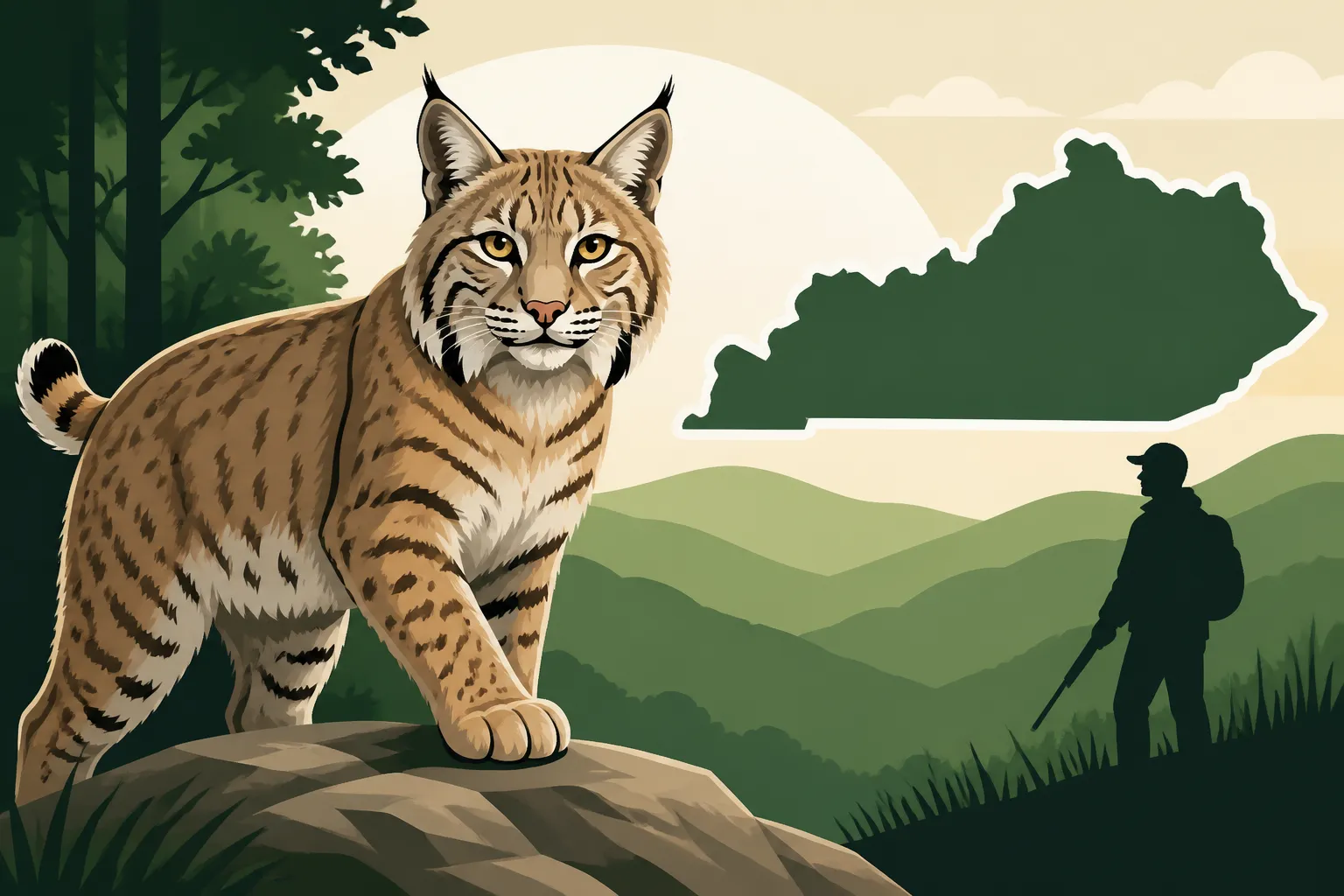
Kentucky’s Recovering Bobcat Population
For many years, the elusive bobcat felt like a ghost in the Kentucky woods – a creature whispered about but rarely seen, a symbol of wildness pushed to the brink. It was a real frustration for folks who remembered hearing tales from their grandparents about a time when these beautiful cats were more common. But thankfully, the tide has turned, and Kentucky's bobcat population is truly making a comeback. This guide will take you through the incredible journey of these secretive felines, exploring their history, their amazing recovery, and what their renewed presence means for the diverse ecosystems and hunters across the Commonwealth.
A Ghost in the Woods: Kentucky's Bobcat History
Once upon a time, bobcats roamed freely across all of Kentucky, playing their vital role as apex predators in the state's rich and varied ecosystems. They were an integral part of the natural balance, a common sight for early settlers, and a formidable hunter in their own right. However, as human populations expanded and agricultural practices intensified, the landscape began to change dramatically.
The Decline of a Native Hunter
By the late 19th and early 20th centuries, bobcats faced immense pressure from several directions. Habitat loss was a primary culprit. Vast tracts of forest were cleared for farming and timber, fragmenting the dense cover these secretive cats relied upon for hunting, denning, and raising their young. This wasn't just about losing trees; it was about losing the entire complex web of life that supported them. When the woods went, so did much of their prey base.
Adding to this, bobcats were often viewed as pests or threats to livestock, leading to extensive hunting and trapping efforts, often without any real management or regulation. There was a general sentiment that wild predators were a nuisance, and bounties were sometimes even offered, which only accelerated their decline. It was a tough time to be a bobcat in Kentucky, and their numbers plummeted, pushing them to the brink in many areas. For a while, it seemed like they might disappear from much of the state entirely, leaving only stories and old photographs.
Early Conservation Efforts and Protection
Recognizing the dire situation, conservationists and wildlife managers in Kentucky began to sound the alarm. It became clear that without intervention, the bobcat, a truly iconic native species, would be lost. By the 1970s, bobcats were granted protected status in Kentucky, bringing an end to unregulated hunting and trapping. This was a critical first step, a recognition that these animals had intrinsic value beyond their perceived impact on human interests.
This protection allowed a small, struggling population to begin to stabilize, primarily in the more rugged, less developed parts of Eastern Kentucky where expansive forests still offered some refuge. These isolated pockets became the crucial strongholds from which the species would eventually begin its slow, arduous journey toward recovery. It wasn't an overnight fix, but it laid the groundwork for the remarkable comeback we see today.
The Resurgence: Factors Driving Bobcat Recovery
The story of Kentucky's bobcat recovery is a testament to the resilience of nature and the effectiveness of modern wildlife management. It wasn't a single magic bullet, but rather a combination of factors that allowed these stealthy hunters to reclaim their place in the wild.
Habitat Rebound and Forest Maturation
One of the most significant drivers of the bobcat comeback has been the remarkable regeneration of Kentucky's forests. As farming practices shifted and many marginal agricultural lands were abandoned, the trees began to grow back, slowly but surely reclaiming the landscape. In Eastern Kentucky, particularly in areas like the Daniel Boone National Forest, vast tracts of timber have matured, providing the dense, diverse cover that bobcats thrive in.
This isn't just about trees; it's about the entire ecosystem coming back to life. These recovering forests offer ideal ambush cover for hunting, secure den sites in rocky outcroppings or hollow logs, and safe travel corridors. They also support a healthier prey base, which is absolutely essential for a predator like the bobcat to flourish. Without this improved habitat, all other efforts would have been in vain.
Abundant Prey Species
A bobcat's diet is incredibly varied, but they primarily target small to medium-sized mammals like rabbits, squirrels, and voles. They'll also readily take birds and, when opportunities arise, even young deer. The good news for Kentucky's bobcats is that populations of many of these prey species have remained robust or have also experienced their own recoveries.
For example, our strong deer herd means that fawns, especially during the spring and early summer, can provide a significant food source. Similarly, healthy populations of small game like rabbits and squirrels, particularly in areas with good brushy cover and mature hardwoods, ensure a steady food supply throughout the year. The presence of a reliable food source is fundamental to any predator population's health and expansion, allowing bobcats to raise healthy litters and extend their range.
Modern Wildlife Management and Regulation
The decision to protect bobcats in Kentucky was a pivotal moment, but it was just the beginning. The Kentucky Department of Fish and Wildlife Resources (KDFWR) has continued to implement sound management strategies. This includes careful monitoring of populations, setting regulated hunting and trapping seasons when numbers allow, and educating the public about these animals.
For many years, the season remained closed, allowing the population to fully recover. Then, as populations grew strong and stable enough, regulated harvest opportunities were introduced, but with strict limits and reporting requirements. This ensures that the harvest remains sustainable and doesn't push the population back into decline. You can often find details on Kentucky Fox and Bobcat Trapping Season in the annual hunting and trapping guide, highlighting the careful balance struck by wildlife managers. It's this adaptive, science-based approach that has allowed bobcats to thrive once again without over-protection leading to conflicts, or under-protection leading to declines.
Where the Wild Things Are: Current Bobcat Status and Distribution
Kentucky's bobcat population has come a long way from its precarious past. Today, these adaptable felines are found in greater numbers and across a wider range than many hunters and outdoor enthusiasts might realize. While still elusive, their presence is a clear indicator of a healthy, recovering ecosystem.
Population Estimates and Density
While exact numbers are tough to pin down for such a secretive creature, current estimates suggest a strong and growing bobcat population across the Commonwealth. Researchers use various methods, including trail camera surveys, harvest data from regulated trapping and hunting seasons, and incidental sightings, to track their numbers. The trend lines are overwhelmingly positive, showing an upward trajectory over the last few decades.
Density varies, of course. You're far more likely to encounter dense bobcat populations in the rugged, heavily forested regions of Eastern Kentucky, which served as their original strongholds. Areas like the Cumberland Plateau and the eastern portions of the Daniel Boone National Forest provide prime habitat. However, their range has expanded considerably, and they are now documented in every county in Kentucky, even if their presence is more scattered in the flatter, more agricultural Western Kentucky or the more developed Central Bluegrass region.
Geographic Distribution Across Kentucky
While they're everywhere, some areas just scream "bobcat country" more than others.
Eastern Kentucky's Mountainous Forests: This region remains the heartland of Kentucky's bobcats. The dense, mature forests, steep ridges, and rocky outcroppings of the eastern coalfields offer perfect habitat. The rugged terrain means less human disturbance and abundant natural cover, which suits their stealthy nature. If you're out Still-Hunting Eastern Kentucky Ridges for deer, you might just get a fleeting glimpse of a bobcat slipping through the underbrush. This is where you'll find the highest densities and the most consistent presence.
Central Kentucky's Woodlots and River Corridors: Even in areas with more agriculture and development, bobcats are finding ways to thrive. They utilize riparian corridors along rivers and creeks, as well as fragmented woodlots and reclaimed industrial lands. These areas provide crucial travel routes and pockets of cover, allowing them to move between larger habitat blocks and find prey. They're masters of adapting to human-modified landscapes, often living right under our noses without us ever knowing.
Western Kentucky's Bottomlands and Swamps: While generally flatter and more intensely farmed, Western Kentucky still offers significant bobcat habitat, particularly in the extensive river bottomlands, cypress swamps, and large public land tracts like those around Land Between the Lakes or the Sloughs WMA. These areas provide dense cover, plentiful small game, and relative seclusion. The interconnectedness of these natural areas allows for dispersal and establishment of populations, proving that bobcats can indeed make a living in diverse Kentucky landscapes.
Table: Key Indicators of Bobcat Presence by Region
| Region | Typical Habitat | Prey Abundance (General) | Likelihood of Sighting | Notable Features for Bobcats |
|---|---|---|---|---|
| Eastern Kentucky | Dense, mature Appalachian forests, steep ridges, rocky bluffs | High (rabbits, squirrels, rodents, fawns) | Moderate to High | Expansive contiguous forest, remote areas, minimal human impact |
| Central Kentucky | Woodlots, creek bottoms, riparian zones, scattered forest patches | Moderate (rodents, rabbits, some birds) | Low to Moderate | Connective corridors, adaptation to fragmented landscapes |
| Western Kentucky | River bottomlands, swamps, agricultural edge habitat, large WMAs | Moderate to High (rabbits, waterfowl, rodents) | Low to Moderate | Wetlands, dense brush, large public land blocks |
This table provides a generalized overview, and individual experiences will vary widely based on specific locations and time spent in the woods.
Bobcat Hunting and Trapping: Rules and Opportunities
For many years, seeing a bobcat in Kentucky was a rare, almost mythical experience. Now, with the population having made such a strong comeback, the Kentucky Department of Fish and Wildlife Resources (KDFWR) manages a regulated season for both hunting and trapping these fascinating furbearers. It's a testament to successful conservation that we can now enjoy this opportunity responsibly.
Regulations and Licensing
Before you even think about heading into the woods for bobcats, you absolutely have to understand the current regulations and ensure you have the proper licenses. This isn't just a suggestion; it's the law, and wildlife enforcement takes it very seriously. You'll need a valid Kentucky hunting license, and if you plan to trap, a furbearer trapping license is also required. Always check the current KDFWR Hunting and Trapping Guide, as rules can change from year to year. They'll outline specific season dates, bag limits, and any special restrictions that apply to bobcats.
For instance, the season might open later than other small game and could have different requirements for reporting your harvest. It's crucial to know these details inside and out. Unlike deer or turkey, bobcat hunting and trapping might have more specific legal equipment requirements or restrictions on certain methods. It’s also wise to check for any special WMA rules; some areas might have specific limitations on Kentucky WMA Permit Requirement or even prohibit furbearer harvest.
Hunting Methods and Ethics
Bobcat hunting is typically done using methods similar to those for other predators. Calling is a popular and effective technique. Using distress calls, like a rabbit in distress, can often draw in a curious bobcat. Patience is key, as they are incredibly stealthy and often approach with extreme caution. Spot-and-stalk can also be effective in more open areas, particularly in agricultural settings where bobcats might be seen moving along field edges or creek bottoms at dawn and dusk. Some hunters use dogs, often hounds, to track and tree bobcats, which can be an exciting and challenging way to pursue them, especially in dense cover.
Ethical hunting practices are paramount. This means ensuring a clean, humane kill, following all fair chase principles, and respecting the animal. Because bobcats are predators, understanding their behavior patterns is vital. They are most active at night, but it's not uncommon to see them moving during the low-light hours of dawn and dusk. When Predator and Furbearer Hunting in Kentucky, remember that these animals are incredibly wary, and scent control, quiet movement, and patience will be your best allies.
Trapping as a Management Tool
Trapping bobcats is a highly regulated activity that requires skill, knowledge, and adherence to ethical practices. Trapping provides a valuable tool for wildlife managers to monitor populations and, when necessary, help manage their numbers in certain areas. Trappers play a crucial role in providing data to the KDFWR. Foothold traps and conibear traps (of appropriate size) are commonly used, always set in a manner that minimizes non-target catches and ensures the safety of the animal.
Understanding bobcat travel routes, their preferred hunting grounds, and their territorial nature is essential for successful and ethical trapping. Setting traps near natural pinch points, old logging roads, or along creek beds where bobcats are known to travel can increase success. Just like hunting, all trapped bobcats must be reported according to KDFWR guidelines, which helps biologists maintain accurate population assessments. If you're new to it, seeking mentorship from an experienced furbearer trapper is highly recommended to ensure you're employing the most humane and effective techniques. Using tools like GoHunt's mapping features can be a real game-changer for trappers, helping you identify prime habitat and potential travel corridors for setting traps, especially in unfamiliar public lands or large private tracts.
Coexisting with Wildcats: Understanding Their Role in Kentucky's Ecosystem
The presence of a thriving bobcat population is a true indicator of a healthy ecosystem. These fascinating creatures play a vital, often unsung, role in maintaining the balance of nature in Kentucky. Understanding their habits and their place in the food web helps us appreciate their value beyond just a potential hunting opportunity.
The Bobcat's Place in the Food Web
Bobcats are mesopredators, meaning they occupy a middle position in the food chain. They hunt a wide variety of smaller animals, helping to keep populations of rabbits, squirrels, rodents, and even raccoons in check. This predation is natural and helps prevent overpopulation of these prey species, which could otherwise lead to habitat degradation or the spread of disease. For instance, a high rodent population can decimate native plant life, but bobcats provide a natural control.
They also occasionally prey on sick or weak individuals from larger species, like young deer, which helps to strengthen the overall health of the deer herd by culling those less fit to survive. While coyotes also fill a similar niche, bobcats often hunt differently, preferring ambush tactics and dense cover, which means they can exert pressure on different parts of the prey population. Think of them as nature's pest control, working silently to maintain equilibrium in the forests and fields. Their return ensures a more complete and robust predator community in Kentucky.
Distinguishing Bobcats from Coyotes
It's actually pretty common for folks to mistake a bobcat for a coyote, especially if they only get a quick glimpse. Both are wild canids (coyotes) or felines (bobcats) that can be seen in similar habitats. However, there are some pretty clear distinctions that can help you tell them apart.
Let's break down the key differences:
| Feature | Bobcat | Coyote |
|---|---|---|
| Size | Smaller (20-30 lbs average) | Larger (30-50 lbs average) |
| Appearance | Stocky, short "bobbed" tail, tufted ears, often spotted/striped fur | Lean, bushy tail, pointed ears, gray/tan fur |
| Tail | Short, black tip on top, white underneath | Long, bushy, black tip on top, usually held low |
| Ears | Pointed, often with short tufts of hair | Pointed, no tufts |
| Paws | Large, round (cat-like) | Smaller, elongated (dog-like) |
| Movement | Stealthy, stalking, fluid, agile | Dog-like trot or run, often more open |
| Vocalizations | Quiet, hisses, growls, caterwauls (rarely heard) | Howls, yips, barks, often in groups |
Understanding these differences is important not only for identification but also for knowing what kind of behavior to expect if you encounter either animal in the wild. While you might Coyote Calling in Kentucky Farm Country to lure in a coyote, you'd use different techniques for a bobcat.
Minimizing Conflicts with Humans and Livestock
With any recovering predator population, there's always a natural concern about potential conflicts, particularly with livestock or domestic animals. However, serious conflicts with bobcats are actually quite rare in Kentucky. Bobcats are naturally shy and generally avoid humans. Their primary diet consists of small wild prey, and they much prefer to hunt in dense cover away from human activity.
To minimize any potential issues, basic common-sense practices go a long way. Secure your small domestic animals, especially poultry or house cats, at night. If you live in an area with known bobcat activity, keep pet food indoors and ensure garbage cans are securely closed, as these can attract rodents and other small prey, which in turn might draw in predators. GoHunt's detailed land ownership and topographic maps can even help landowners identify potential denning areas or travel corridors on their property, allowing them to take proactive steps to secure vulnerable livestock or poultry. Educating yourself about their behavior and being aware of their presence is the best way to coexist peacefully with these magnificent wildcats. Their return is something to celebrate, a true win for Kentucky's natural heritage.
Disclaimer
This article is for general informational purposes only and does not constitute professional advice. Laws, prices and regulations vary by location and change over time. Consult a qualified professional for guidance on your specific situation.