Kentucky Coyote Hunting Season Rules
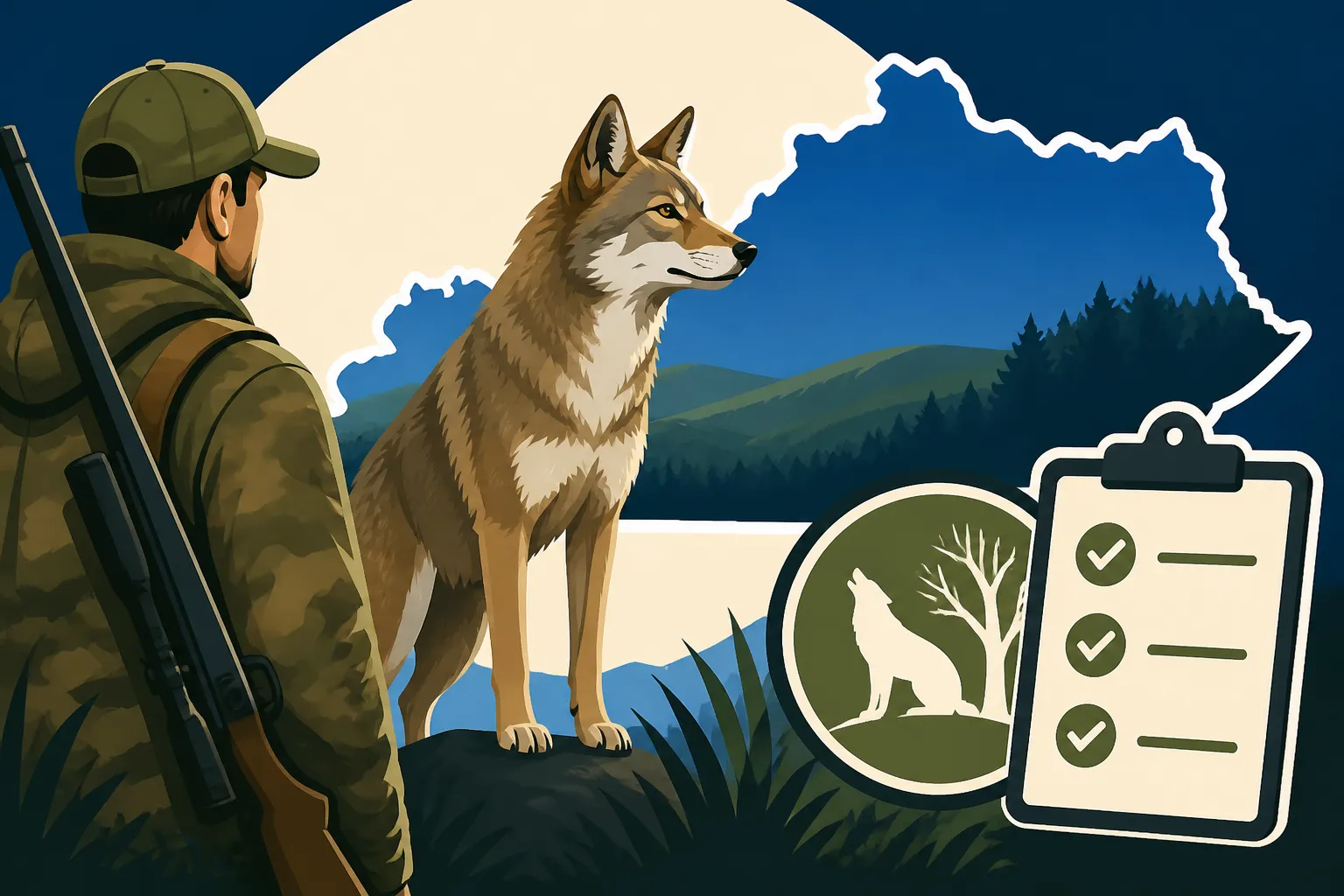
Oh, the wily coyote! If you're a hunter in Kentucky, you've likely seen them, heard their haunting calls, or perhaps even felt the frustration of losing a deer fawn or turkey poult to their ever-expanding presence. These clever canids are incredibly adaptable, and their growing numbers mean they're impacting our cherished game species and even livestock. This guide is all about understanding the ins and outs of coyote hunting in Kentucky, so you can contribute to managing their population and do so legally and effectively.
The Year-Round Reality of Coyote Hunting in Kentucky
Coyotes in Kentucky aren't like our other game animals with specific, often short, seasons. They operate under a different set of rules entirely, and understanding this distinction is the first step to becoming an effective coyote hunter. It acknowledges the unique challenges they present to the ecosystem and to other hunting pursuits.
Why Coyotes are Different from Other Game Species
Unlike deer, turkey, or even small game, coyotes (and other predators like bobcats and foxes, though those have specific seasons) are often viewed through a lens of management rather than pure sport hunting with strict quotas. The Kentucky Department of Fish and Wildlife Resources (KDFWR) recognizes the impact these highly successful predators have. We've all heard the stories, haven't we? A farmer losing a calf, a deer hunter finding fewer fawns, or a turkey hunter noticing a drop in poult-to-hen ratios in their favorite spot. These aren't just anecdotes; they're real concerns, and the KDFWR's approach to coyotes reflects that.
Coyotes are an unprotected species in Kentucky, which fundamentally changes how they are managed. This isn't to say they're seen as "bad" animals – they play a role in the ecosystem – but their unchecked proliferation can throw things out of balance. Their adaptability is truly remarkable; they thrive in everything from the dense forests of Daniel Boone National Forest to the sprawling farmlands of Western Kentucky. This resilience, combined with a high reproductive rate, means hunting pressure helps keep their numbers in check, offering a benefit to other wildlife populations, especially our whitetails and wild turkeys. If you're passionate about White-Tailed Deer Across Kentucky or Wild Turkeys in Kentucky, then understanding coyote control is part of the equation.
General Statewide Season and Hours
Here's the absolute best news for any aspiring coyote hunter: there is no closed season for coyotes in Kentucky. That's right, you can hunt coyotes year-round, 365 days a year. This makes them unique among most species you'd pursue in the Commonwealth. But it gets even better: there are also no daily or seasonal bag limits. If you're fortunate enough to call in multiple coyotes in a single stand, you can harvest them all.
This year-round, unlimited approach isn't just a convenience; it's a recognition of the continuous pressure coyotes exert on other species. It means you don't have to wait for a specific calendar date to address a coyote problem on your land or to simply enjoy the challenge of calling in one of these clever animals. Furthermore, the KDFWR allows for night hunting, expanding your opportunities considerably. This means you can be out there whenever you feel the conditions are right, whether it's the dead of a winter night under a full moon or a brisk autumn morning. This flexibility also makes them an excellent target for off-season practice, keeping your skills sharp for deer or turkey season.
Specific Regulations and Legal Considerations for Coyote Hunters
While the season is wide open, you can't just run out into the woods with any weapon at any time without some understanding of the rules. Like all hunting activities in Kentucky, there are specific regulations governing how you can legally pursue coyotes. It's crucial to be informed to ensure a safe and lawful hunt.
Legal Methods of Take and Equipment
When it comes to the legal methods for taking coyotes in Kentucky, you have a lot of flexibility, which is fantastic for hunters who might specialize in different disciplines. You're permitted to use:
- Firearms: This includes rifles, shotguns, and handguns. Essentially, if it's a legal firearm for Rifle Setups for Kentucky Deer Hunting, it's generally legal for coyotes. There are no minimum caliber restrictions for coyotes, giving you freedom of choice. Just ensure you're using appropriate ammunition for the firearm and the situation, keeping safety and bullet trajectory in mind.
- Archery Equipment: Vertical bows and crossbows are perfectly legal. This opens up opportunities for bowhunters to extend their season and hone their skills during what might otherwise be the off-season. Broadheads should be sharp and suited for quick, ethical kills.
- Calls: Both mouth calls (like diaphragm, open reed, or closed reed calls) and electronic calls are completely legal for coyotes in Kentucky. Electronic calls, in particular, can be incredibly effective, allowing you to project a wide variety of sounds, from rabbit distress to coyote howls, across long distances.
- Artificial Lights & Thermal/Night Vision: This is where coyote hunting gets especially interesting, as it allows for Night Hunting Rules for Kentucky Coyotes. Kentucky explicitly permits the use of artificial lights (like spotlights or headlamps), thermal imaging devices, and night vision scopes for hunting coyotes. This capability is a game-changer, as coyotes are often most active during nocturnal hours, making night hunting an incredibly productive method. However, when using lights or night vision, extreme caution and target identification are paramount. Always ensure you have a clear backstop and positive identification of your target before taking a shot, as you would in any hunting scenario.
- Trapping: While this guide focuses primarily on hunting, it's worth noting that coyotes can also be trapped, subject to specific furbearer trapping regulations and seasons set by the KDFWR.
Kentucky does not impose any lead-free ammunition requirements for coyote hunting, so you can use your preferred bullet type. The key is to select gear that you are proficient with, that is safe to operate in the given environment, and that will achieve an ethical harvest.
Licensing Requirements and Landowner Permission
Navigating the licensing landscape can sometimes feel like trying to untangle a ball of fishing line, but for coyotes, it's relatively straightforward.
- Hunting License: If you are a Kentucky resident and you're hunting coyotes off your own property, you are required to possess a valid annual Kentucky hunting license. For non-residents, a Kentucky nonresident hunting license is necessary. These licenses can be purchased online through the KDFWR portal, at license vendors across the state, or by phone. It's always a good idea to ensure you understand the current year's requirements, which you can find by looking into Kentucky Resident Hunting License Options or Kentucky Nonresident Hunting License Options. Remember, these licenses are critical for upholding our hunting traditions and funding wildlife conservation efforts throughout the Commonwealth.
- Hunter Education: While not directly tied to the purchase of a license for adults, if you were born on or after January 1, 1975, you must have successfully completed a hunter education course to hunt in Kentucky, unless you are hunting under the direct supervision of an adult mentor as an apprentice. This is a crucial safety measure that benefits all hunters. You can learn more about this by checking out Kentucky Hunter Education Requirements.
- Landowner Permission: This point cannot be stressed enough: always obtain permission before hunting on private land. Even if coyotes are an unprotected species, the land itself is protected. Failure to get explicit permission from the landowner before you set foot on their property constitutes trespassing, which is a serious offense. This applies whether you're actively hunting, scouting, or just tracking a harvested animal. A good practice is to get written permission, especially if you're venturing into unfamiliar territory. Sites like GoHunt can be invaluable here. Its mapping layers often show property boundaries and landowner names, making it easier to identify who to contact for permission. Building a good relationship with landowners is priceless for access, and it ensures you understand any specific requests they might have for hunting on their property. This is a fundamental aspect of ethical hunting and is covered in depth when considering Getting Private Land Permission in Kentucky.
- Public Lands: Coyotes can also be hunted on most Public Hunting Land in Kentucky, including Wildlife Management Areas (WMAs) and portions of the Daniel Boone National Forest. However, when hunting on public land, you must adhere to any specific rules or restrictions for that particular area. Some WMAs might have seasonal closures for other game species, or specific regulations regarding vehicle access or camping. Always check the KDFWR hunting guide or the specific WMA's regulations before you go. The Kentucky Hunt Fish app or the KDFWR website are excellent resources for finding specific rules for Kentucky Wildlife Management Areas. Using mapping tools like GoHunt on public land can help you understand boundary lines, identify potential access points, and even show areas with less Hunting Pressure on Kentucky Public Land by analyzing topo and satellite imagery.
Practical Advice for Successful and Ethical Coyote Hunting in Kentucky
Now that you've got a handle on the rules, let's talk strategy. Coyote hunting is a game of wits, stealth, and sometimes, a little luck. Being prepared with the right tactics and a strong ethical compass will significantly increase your chances of success and ensure you're a responsible hunter.
Best Times and Tactics for Kentucky Coyotes
Hunting coyotes effectively in Kentucky involves understanding their behavior, movement patterns, and how to exploit them. It's truly a chess match, and these creatures are grandmasters.
- Day Hunting Strategies: During daylight hours, coyotes are often most active during the early morning and late evening, similar to deer. Focus your efforts during these crepuscular periods. When setting up, look for areas that offer good visibility and allow you to project your calls. This might be a field edge bordering thick timber, a ridge line with a view into a hollow, or a logging road that offers natural travel corridors. When calling during the day, a common strategy is to use distress calls (rabbit, fawn, bird) to pique their curiosity. Set up with the wind in your face or crosswind, as coyotes have an incredible sense of smell. Be patient, but also be prepared for a quick response – they can come in silently and fast. For specific techniques, our guide on Coyote Calling in Kentucky Farm Country delves deeper into these strategies.
- Night Hunting Strategies: Night hunting offers a whole new dimension, and it's often when coyotes are most comfortable and active. The use of artificial lights, thermal, and night vision makes this possible. When hunting at night, safety is paramount. Hunt with a partner, communicate constantly, and have a clear understanding of your shooting lanes and what lies beyond. Thermal imagers allow you to scan vast areas for heat signatures, while night vision helps with positive identification once a target is spotted. Utilizing a red or green light for the final shot can also be effective, as coyotes often react less to these colors. Wind direction is even more critical at night, as your scent will travel farther. Consider hunting under a full moon, as the natural light can give you an edge even before you flick on your artificial light.
- Call Types and Their Effectiveness:
- Distress Calls: These are universally effective, mimicking an injured or vulnerable animal. Rabbit distress, fawn bleats, and bird distress calls work year-round. They appeal to a coyote's predatory instinct.
- Howls: Coyote howls (lonely howls, interrogation howls, group howls) can be used for locating coyotes, especially when you're just starting your hunt. They can also elicit a territorial response, drawing in dominant animals. Pup distress calls are particularly effective in late spring and summer when adults are protective of their young.
- Barks and Chirps: These are often used as finishing sounds to stop a coyote that's moving too fast or to get a better shot opportunity.
- Scouting for Success: Before you even make a call, good scouting can drastically increase your odds. Look for coyote sign: tracks in mud or snow, scat along trails or logging roads, and even den sites (especially in spring). Pay attention to areas where you've seen deer or turkey activity, as coyotes will naturally follow their food sources. GoHunt's satellite imagery and topographical maps can be incredibly helpful for identifying potential travel corridors, pinch points, and good calling locations. Understanding the terrain, as discussed in Reading Aerial Photos for Eastern Kentucky Deer, applies directly to finding good coyote country too.
Safety and Ethical Considerations
Every hunter bears the responsibility of upholding safety and ethical standards, and coyote hunting is no exception. In fact, due to the nature of the prey and the methods used (especially night hunting), these considerations become even more critical.
- Backstop Awareness and Target Identification: This is non-negotiable, particularly when hunting at night or with high-powered rifles. Always know what's beyond your target. Ensure you have a safe backstop, whether it's a hillside, a thicket, or simply open ground where you know no one will be. Positive target identification is paramount. Never shoot at a sound or a "blob" in the dark. Use your optics, lights, and any available aids to confirm 100% that it's a coyote and not another animal, a domestic dog, or, heaven forbid, another person.
- Proximity to Dwellings and Roads: Be keenly aware of local ordinances regarding discharge of firearms near homes or public roads. Even if statewide regulations allow it, local rules might be stricter. Always maintain a safe distance from any occupied dwellings, livestock, or areas where non-hunters might be present.
- Respect for Wildlife and Land: While coyotes are considered an unprotected species, ethical hunting practices still apply. Strive for quick, humane kills. Respect the land you're hunting on, whether it's public or private. Leave no trace, pack out all your trash, and avoid damaging property.
- Managing Conflicts During Other Seasons: If you're hunting coyotes during deer or turkey season, be mindful of other hunters. Avoid calling or making excessive noise that might disturb their hunts. Also, be aware that in some areas, especially the Kentucky's Bear Zone System, there might be bear hunters using hounds, and while different species, common courtesy goes a long way. Conversely, if you're specifically targeting coyotes, understand that you might encounter deer or other game.
- What to Do with a Harvested Coyote: Coyotes can be valuable for their fur, especially during colder months when their pelts are prime. If you're interested in fur harvesting, research local fur buyers or taxidermists. Otherwise, proper disposal of the carcass is important. If you’re on private land, check with the landowner. On public land, follow KDFWR guidelines for carcass disposal, usually involving moving it away from trails and water sources, allowing nature to take its course.
Coyote hunting is a challenging and rewarding pursuit that offers year-round opportunities for hunters in Kentucky. By understanding the regulations, employing effective tactics, and adhering to strict ethical standards, you can enjoy this unique hunting experience while contributing to wildlife management in the Commonwealth.
Kentucky Coyote Hunting Quick Reference Guide
| Feature | Regulation Detail |
|---|---|
| Season Dates | Year-round, no closed season |
| Legal Hours | 24 hours a day, 7 days a week (day and night hunting permitted) |
| Bag Limits | No daily or season bag limits |
| License Required | Yes, valid KY hunting license (resident/nonresident), unless on own land |
| Hunter Ed Required | Yes, if born Jan 1, 1975 or after (unless apprentice hunting) |
| Legal Firearms | Rifles, shotguns, handguns (any legal for deer, no minimum caliber) |
| Archery Equipment | Vertical bows, crossbows |
| Calls | Mouth calls and electronic calls are legal |
| Artificial Lights | Legal for hunting coyotes |
| Thermal/Night Vision | Legal for hunting coyotes |
| Landowner Permission | Absolutely required for private land |
| Public Land | Legal on most WMAs and National Forests, check specific area rules for Hunting Areas |
Disclaimer
The information provided in this guide is intended for educational and informational purposes only and is not a substitute for official regulations. Hunting laws and regulations in Kentucky are subject to change. It is the responsibility of every hunter to consult the most current Kentucky Department of Fish and Wildlife Resources (KDFWR) hunting guide and local ordinances before engaging in any hunting activities. Always prioritize safety and ethical hunting practices.