Kentucky Turkey Checking Requirements
You’ve just called in a gobbler, made a clean shot, and now it’s lying there, magnificent and still. Your heart is pounding, adrenaline is coursing, and you're filled with that incomparable sense of accomplishment. But amidst the excitement, a crucial question arises: "Now what?" This guide is here to walk you through Kentucky's mandatory turkey checking requirements, ensuring you understand every step to legally report your harvest and avoid any unwelcome surprises.
The Absolute Must-Do: Telecheck Your Turkey
Congratulations, you've successfully harvested a wild turkey in Kentucky! But the hunt isn't truly over until your bird is legally reported. The Kentucky Department of Fish and Wildlife Resources (KDFWR) mandates a "Telecheck" system for all harvested deer and turkeys, and for good reason. It's not just bureaucratic red tape; it's a vital part of game management that ensures the health and sustainability of Kentucky's turkey population. Ignoring this step can turn a celebratory hunt into a legal headache, complete with fines and possible license suspension.
Why Telechecking is Non-Negotiable
Think of Telecheck as your civic duty as a hunter. Every single turkey harvest reported contributes to a massive database that the KDFWR uses to make informed decisions about future seasons, bag limits, and overall management strategies. Without accurate data on how many birds are being harvested, wildlife biologists would be flying blind, unable to properly assess the health and distribution of the state’s turkey population. This data helps them understand trends in Kentucky Turkey Population Trends, determine if populations are thriving or struggling, and decide on appropriate hunting pressure.
Imagine a scenario: you’re so pumped after your hunt that you head straight home, show off your bird, and forget all about the reporting. A few weeks later, you might receive a letter, or worse, have an encounter with a conservation officer who questions the legality of your harvest. Even if it’s an honest mistake, ignorance of the law is rarely an excuse, and penalties can range from hefty fines to the loss of your hunting privileges. It's a small step that protects both you and the resource.
Step-by-Step Telecheck Process
The Telecheck process in Kentucky is designed to be straightforward, offering both online and phone options for your convenience. You have 24 hours from the time of harvest to complete it. Here's what you'll need and how it works:
- Gather Your Information: Before you start, have your Kentucky hunting license number and turkey permit number handy. You'll also need to know the date and time of harvest, the county where you killed the bird, whether it was a male or female, and if you harvested it on a Wildlife Management Area (WMA). The KDFWR website or app are great places to access your license information if you've misplaced your physical card.
- Choose Your Method:
- Online: Head to the KDFWR's official website. Look for the "Telecheck" or "Harvest Reporting" section. You’ll be prompted to enter your license information and then details about your turkey. The online system is generally quick and user-friendly. Many hunters find using a mapping app like GoHunt useful for confirming the exact county they are in, especially if they are hunting near county lines.
- Phone: You can call the Telecheck system directly at 1-800-245-4263. An automated voice will guide you through the process, asking for the same information as the online system.
- Receive Your Confirmation Number: This is the most critical part. Once you've successfully submitted your harvest information, you will receive a confirmation number. Write this number down immediately! It's your proof that you legally checked your turkey. Some hunters even write it on their physical permit or on the bird’s tag. Without this number, you technically haven’t completed the process.
It might seem like a lot of steps, but it only takes a few minutes, and it gives you peace of mind knowing you've fulfilled your legal obligation.
Deadlines and What to Do If You're Remote
As mentioned, you have a strict 24-hour window from the moment you recover your bird to complete the Telecheck. This is where planning ahead becomes crucial, especially if you're hunting deep in the backcountry or on remote public lands.
Imagine you've successfully harvested a gobbler on a rugged ridge in the Daniel Boone National Forest, hours from the nearest town. You might not have cell service out there. What do you do? The 24-hour rule still applies. This means you need to strategize your exit. Perhaps you know a specific point on the main logging road where you can usually catch a bar of service, or you have a satellite messenger device. Many hunters using apps like GoHunt can download offline maps to navigate, but sending data still requires a signal.
If you know you'll be in an area with spotty or no service, make it a priority to get to a location with connectivity as soon as possible after your hunt. Don’t wait until you’re completely settled back home, showered, and fed – that’s when things get forgotten, and the 24-hour clock keeps ticking. Sometimes, it means driving a bit out of your way to a gas station or small community with Wi-Fi before heading all the way back. It’s a small inconvenience for a legal harvest.
Understanding Your Turkey Permit and Physical Tagging
Before you can even think about Telechecking, you need the right permit in hand. Kentucky's turkey hunting regulations are built around a permit system that ensures hunters are legally authorized to pursue these birds. Your physical permit isn't just a piece of paper; it's the foundation of your legal harvest, and understanding how to use it correctly is paramount.
The Kentucky Turkey Permit: Your First Step
To hunt wild turkeys in Kentucky, you must first purchase a valid Kentucky hunting license and a Kentucky Turkey Permit. This permit allows you to harvest the legally allotted number of birds for the season, typically one per hunter during the spring season and more during the fall, depending on the method. The Kentucky Turkey Permit Cost is a small investment for the incredible experience of a turkey hunt.
Your permit will have a unique number printed on it. This permit number is critical because it's one of the pieces of information you'll provide during the Telecheck process. It links your specific harvest to your individual permit, preventing any ambiguity. It’s also crucial to have your physical permit (or an electronic version on your phone, if readily accessible) on your person at all times while hunting. A conservation officer may ask to see it, along with your hunting license, to verify your legal status. Make sure you're familiar with the Kentucky General Spring Turkey Season dates as well, to ensure your permit is valid for the time you are hunting.
Properly Attaching Your Physical Tag
Kentucky's regulations don't just stop at having a permit; they require a physical tag to be immediately attached to your harvested turkey. This tag is usually part of your permit or printed along with it.
Here’s the breakdown:
- Locate the Tag: Your turkey permit will have a section designated as the "tag." This is typically perforated, allowing you to easily detach it.
- Fill it Out: Before detaching, you must clearly and legibly write the date of harvest, the time of harvest, and the county where the bird was taken directly onto the tag. Some tags might also ask for your name or license number; follow the instructions precisely.
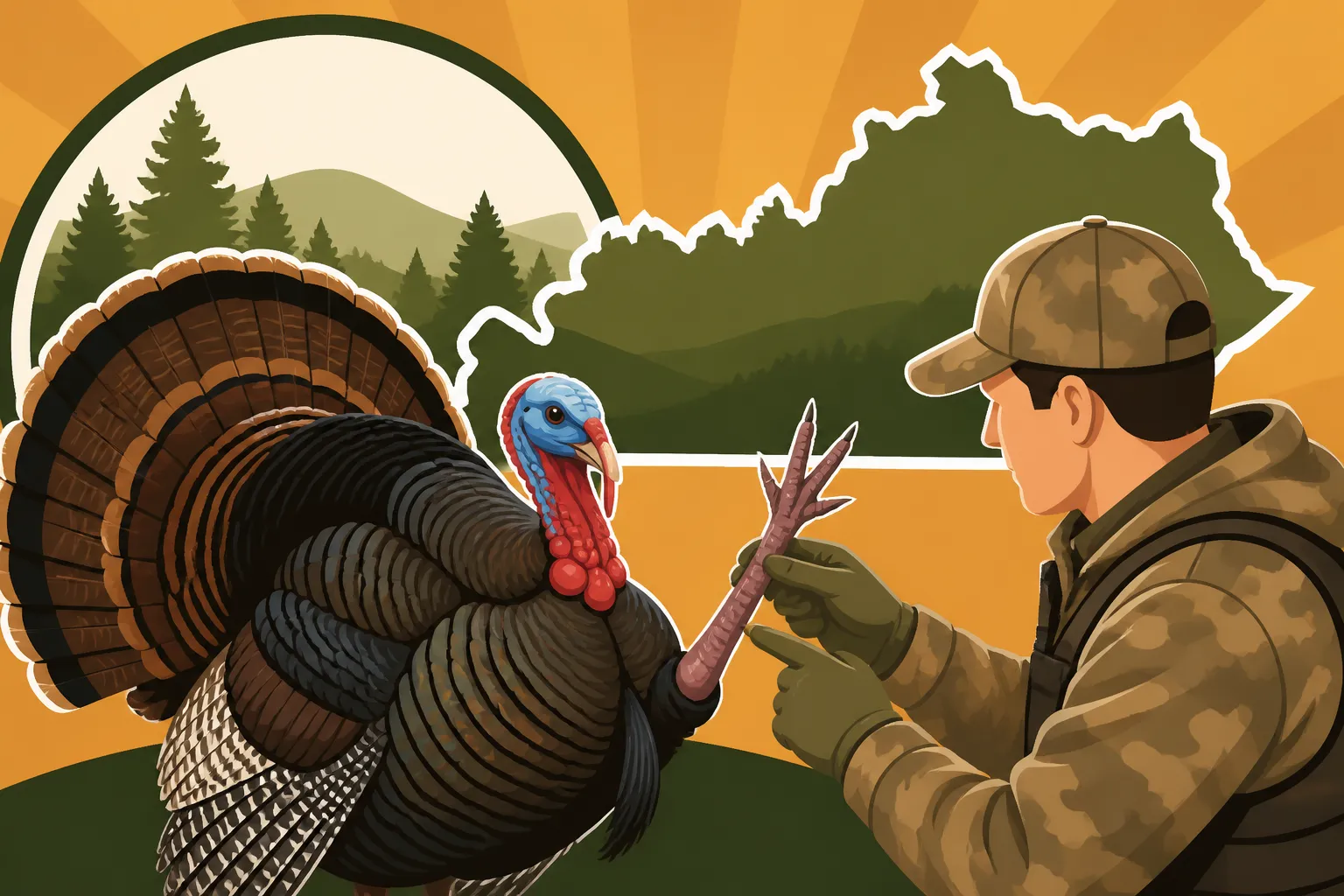
- Attach Immediately: This is key! The law states that you must attach this tag to your turkey immediately upon harvest and before moving the bird from the site of the kill. The most common and accepted practice is to attach it securely to one of the bird's legs. Use a zip tie, string, or wire to ensure it won't fall off during transport.
- Why This Rule Exists: This immediate tagging prevents any confusion or potential for illegal activity, such as attempting to claim a second bird on the same permit or mistaking your bird for another hunter's.
Consider this hypothetical: you down a magnificent gobbler, and you're so excited that you pick it up, sling it over your shoulder, and start walking back to your truck, thinking you'll tag it when you get there. Along the way, you encounter a KDFWR warden. Even if your intentions were pure, the fact that you moved the bird without the tag physically attached puts you in violation of the law. It’s a simple step, but one that has serious implications if overlooked. Always tag your bird right where it falls.
Common Pitfalls and Troubleshooting
Even the most experienced hunters can run into unexpected snags when dealing with licenses, permits, and reporting. While Kentucky’s system is designed for ease of use, things happen. Batteries die, papers get lost, and sometimes, in the excitement of the moment, details can be overlooked. Knowing how to navigate these common pitfalls can save you a lot of stress.
Lost License or Permit? Don't Panic!
It happens to the best of us. You're out in the field, reach for your wallet, and realize your hunting license or turkey permit isn't there, or perhaps you just can't remember your license number for the Telecheck system. Before you let panic set in, remember that the KDFWR has systems in place to help.
- Online Access: Your license and permit information is always accessible through the KDFWR's official website. You can log in using your personal details and often print a copy or simply view your numbers. This is a lifesaver if your physical card is lost or forgotten.
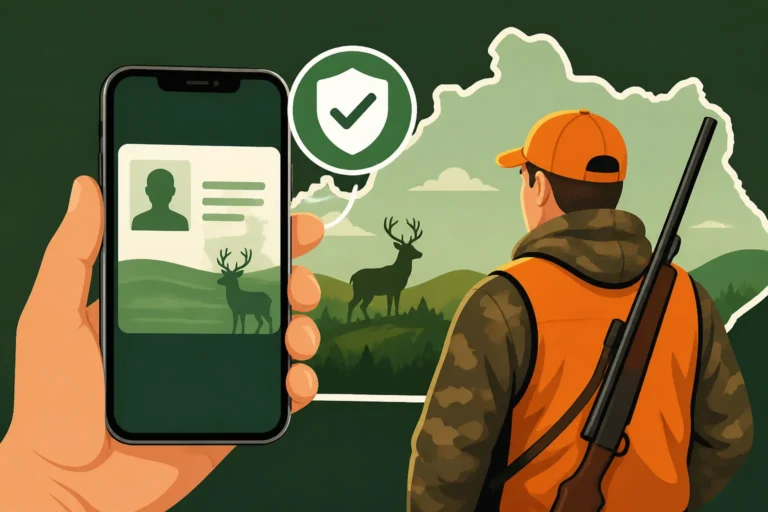
- Mobile Apps: Many hunters utilize apps like GoHunt, which can store digital copies of your hunting licenses and permits right on your phone. This provides a convenient backup, though always remember that a dead phone battery is no excuse for not having your license. Ensure your phone is charged, or carry a portable power bank, especially during the Kentucky Spring Turkey Season Rules when you might be out all day.
- KDFWR Customer Service: If you're really in a bind and can't access your information online, you can contact the KDFWR customer service during business hours. They can usually help you retrieve your license and permit numbers over the phone. While this won't help you with an immediate field check, it's a good option if you need to Telecheck a bird later in the day and can't find your documents.
What if My Telecheck Fails or I Make a Mistake?
So, you went through the Telecheck process, but maybe you lost your internet connection right after hitting submit, or you accidentally entered the wrong county. It's frustrating, but it's not the end of the world.
- No Confirmation Number = No Check: If you didn't receive a confirmation number, your Telecheck did not go through. You'll need to re-attempt the process. Don't assume it went through just because you hit "submit."
- Correcting Errors: If you realize you made a mistake (e.g., entered male instead of female, or the wrong county), it's crucial to rectify it. The best course of action is to contact KDFWR customer service immediately. Explain the situation clearly, provide your initial confirmation number (if you got one), and they will guide you through correcting the information. It's always better to be proactive and fix the error yourself than to have it discovered later.
- Double-Check Everything: To avoid these issues, take an extra minute to review all the information you've entered before finalizing your Telecheck. A quick review can prevent a lot of headaches down the line.
Special Circumstances: WMAs and Youth Hunts
Kentucky hunting regulations sometimes have specific nuances depending on where you hunt or who is hunting. It's vital to be aware of these special circumstances.
- Wildlife Management Areas (WMAs): Many WMAs have unique rules that supplement statewide regulations. For instance, some WMAs might have different access times, specific check-in/check-out procedures, or even separate bag limits. It’s a good idea to research the specific WMA you plan to hunt before you go. For example, you might encounter WMAs where there's a Why Kentucky Caps Turkeys at One Per WMA rule, even if the statewide limit is higher. Always consult the KDFWR website or the "Kentucky Hunting & Trapping Guide" for WMA-specific rules.
- Youth Hunts: Kentucky strongly supports youth hunting opportunities, including special weekends like the Kentucky Youth Spring Turkey Weekend. While the core Telecheck requirements remain the same, youth hunters often operate under the guidance of a mentor. It’s the mentor’s responsibility to ensure the youth hunter understands and follows all tagging and reporting requirements. This is a prime teaching opportunity to instill responsible hunting ethics. Make sure the youth's license and permit are correctly filled out, and the Telecheck is completed in their name.
Staying informed about these particular regulations ensures that your hunting experience, regardless of location or participant, remains legal and ethical.
Beyond the Check: Post-Harvest Considerations
Once you've successfully Telechecked your turkey and have that precious confirmation number, you’ve crossed a major hurdle. But the journey isn't quite over. There are still important considerations for transporting your bird and preparing it, whether it's destined for the dinner table or a taxidermist's shop.
Transporting Your Legally Checked Turkey
With your confirmation number in hand and the physical tag securely attached to your bird's leg, you're legally good to go for transporting your turkey within Kentucky.
- Proof of Legal Harvest: Your confirmation number is your proof. If you encounter a conservation officer during transport, they might ask for this number to verify your harvest. Having it readily available, perhaps written on your permit or in your hunting notes, is always a good practice.
- Tag Integrity: Ensure the physical tag remains attached and legible during transport. A lost tag could raise questions, even if you have your confirmation number.
- Whole Bird vs. Breasted Out: Within Kentucky, you can typically transport your turkey either whole or "breasted out" (meaning only the breast meat and other parts you plan to keep are transported, often with a wing or leg to prove species identification). However, if you plan to cross state lines, always check the regulations of both Kentucky and the destination state. Many states require the entire bird or specific parts to remain intact to prove species, sex, and legal harvest until you reach your final destination or residence. Don't risk a federal violation by not checking.
Preparing Your Harvest for the Table or Taxidermist
The effort you put into field dressing and caring for your turkey immediately after the shot will directly impact the quality of the meat or the condition of a mount.
- Field Dressing: If you're planning to eat your turkey, field dressing it as soon as possible is crucial, especially on warmer spring days. This involves removing the internal organs to allow the carcass to cool down quickly, preventing spoilage. Find a clean, flat spot, use a sharp knife, and be mindful of hygiene.
- Cooling and Care: Once field dressed, get your turkey cooled down. If it's a mild spring day, getting it on ice (but not submerged in water) or into a cooler as quickly as possible is vital. Hanging it in a cool, shaded area can also help, but proper refrigeration is best. This care helps ensure the meat is delicious when you finally get to enjoy a meal, perhaps by Cooking a Wild Turkey Breast.
- Taxidermy Prep: If you plan to have your gobbler mounted, take extra care to preserve the feathers and avoid damaging the head and neck. Avoid dragging the bird by the head or neck. When field dressing, be meticulous and try not to get blood on the feathers you want to save. Many taxidermists prefer to do the skinning themselves, so simply cooling the bird and getting it to them quickly (or freezing it properly if there will be a delay) is often the best approach. Contact your chosen taxidermist before your hunt to get their specific instructions.
By following these post-harvest steps, you not only respect the animal but also maximize the enjoyment and utility of your successful Kentucky turkey hunt.
| Requirement | Detail | Deadline | Notes |
|---|---|---|---|
| Valid License/Permit | Kentucky Hunting License & Kentucky Turkey Permit | Before hunting | Must be on person (physical or digital). |
| Physical Tagging | Attach tag from permit to bird's leg, filled out with date, time, county. | Immediately upon harvest, before moving bird. | Use string/zip tie for security. |
| Telecheck Reporting | Report harvest via KDFWR website or phone (1-800-245-4263). | Within 24 hours of harvest. | Requires license #, permit #, date, time, county, male/female, WMA (if any). |
| Confirmation Number | Receive and record the confirmation number from Telecheck. | After successful Telecheck submission. | Crucial proof of legal harvest. |
| Transport | Ensure tag remains attached; confirmation number available. | During transport within Kentucky. | Check state laws if crossing state lines. |
Disclaimer
The information provided in this guide is intended for general informational purposes only and is subject to change. While we strive to offer accurate and up-to-date content, hunting regulations, season dates, and permit requirements are established and enforced by the Kentucky Department of Fish and Wildlife Resources (KDFWR) and can be modified. It is the responsibility of every hunter to consult the most current official KDFWR Hunting & Trapping Guide, relevant online resources, or contact the KDFWR directly to ensure full compliance with all applicable laws and regulations before engaging in any hunting activities. Failure to do so may result in penalties.