Minimum Age for Unsupervised Kentucky Hunting
It can feel pretty confusing trying to figure out all the different rules and regulations when you’re introducing someone, especially a younger hunter, to the woods. One of the biggest questions that pops up is always about when a child can finally hunt on their own without an adult right there with them. This guide aims to clear up all that head-scratching by explaining the minimum age for unsupervised hunting in Kentucky, along with the crucial steps and certifications required.
Understanding Kentucky's Unsupervised Hunting Age Requirement
Kentucky has always championed getting young people involved in hunting, but safety is paramount. That's why there are very specific guidelines in place for when a hunter can truly go out solo, without a mentor by their side. It's not just about a birthday; it's about a combination of age and demonstrated responsibility through training.
The Twelve-Year-Old Threshold
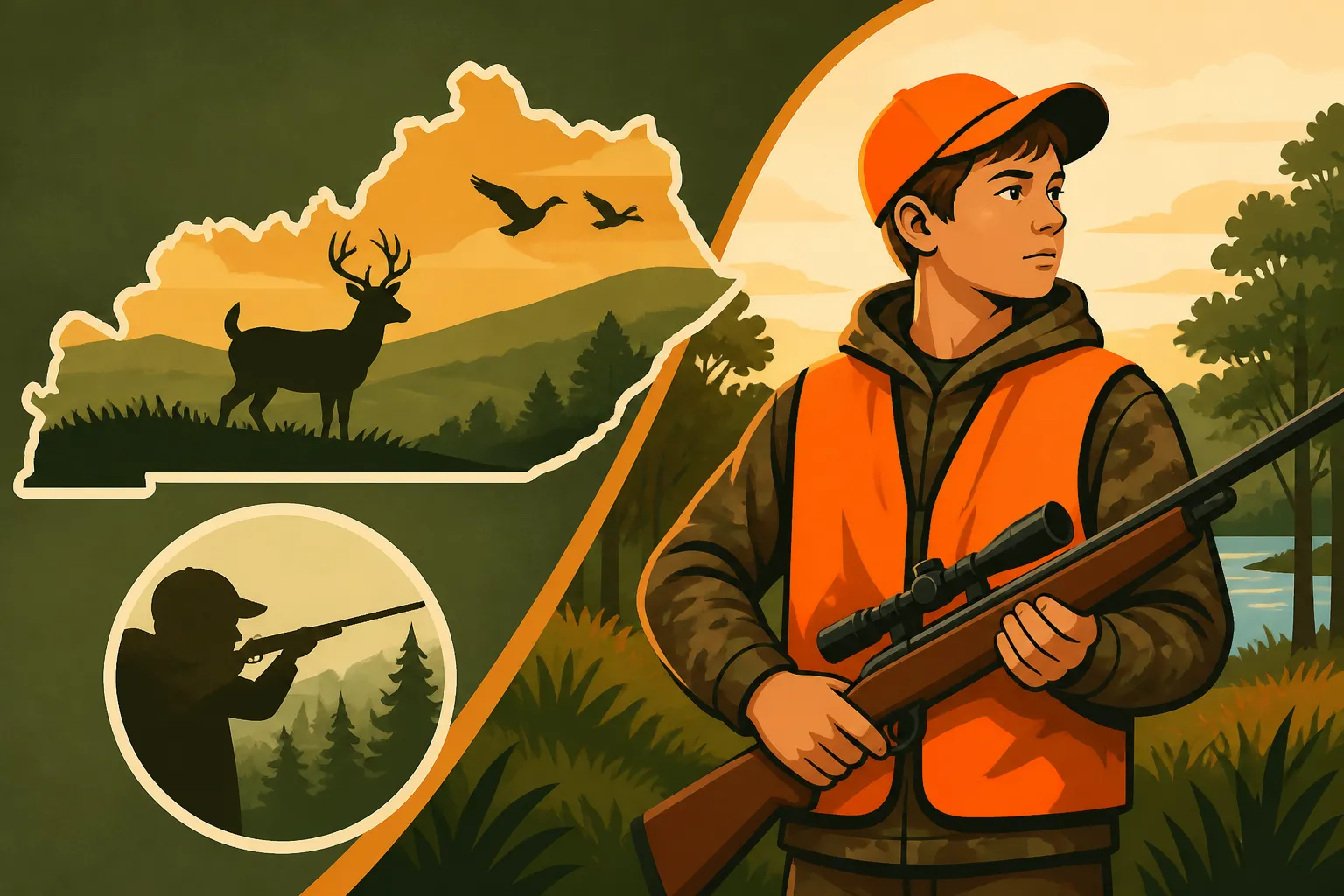
When it comes to stepping into the field without direct adult supervision in Kentucky, the magic number is 12 years old. This isn't just an arbitrary number plucked from thin air; it's a carefully considered age where, generally, young individuals are deemed mature enough to handle the immense responsibility of carrying a firearm or archery equipment, making ethical decisions, and understanding the potential dangers of the wilderness on their own. Until a hunter reaches this age, they are always required to be directly supervised by a qualified adult. Think of it as a crucial developmental benchmark where physical capability, mental readiness, and an understanding of consequences are typically more established.
This age requirement is designed to foster a safe and responsible hunting culture. It means that while a younger child can absolutely participate in hunting, they'll always have an experienced pair of eyes and hands nearby to guide them, offer advice, and step in if a dangerous situation arises. It's not about holding them back, but setting them up for success and, most importantly, safety.
What "Unsupervised" Really Means
The term "unsupervised" in the context of Kentucky hunting regulations is key, and it goes beyond simply being out of sight. When the Kentucky Department of Fish and Wildlife Resources (KDFWR) talks about unsupervised hunting, they mean that the hunter can legally be in the field, actively pursuing game, without a licensed and qualified adult mentor within immediate reach or constant communication. This means they are making all their own decisions, from stalking to shot placement, and are solely responsible for adhering to all hunting laws and safety protocols.
For a younger hunter to qualify for this "unsupervised" status, they must not only be 12 years old but also have successfully completed the state's hunter education course. Without both of these criteria met, any hunting activity, regardless of age, falls under the supervised category. This distinction is vital for anyone planning a hunt, whether it's an aspiring young hunter eager for independence or an adult looking to mentor a new participant. Understanding this clarifies why simply turning 12 isn't enough; the educational component is equally critical for proving readiness.
The Critical Role of Hunter Education Certification
You can't talk about hunting unsupervised in Kentucky without talking about hunter education. It's the bedrock of safe and responsible hunting practices and a mandatory step for most hunters in the Commonwealth. This certification isn't just a hurdle; it's an invaluable learning experience.
Who Needs Hunter Education
Kentucky's regulations are pretty clear: anyone born on or after January 1, 1970, must complete an approved hunter education course to legally hunt unsupervised in the state. This rule applies across the board, whether you're chasing whitetails during Kentucky Deer Season Structure Explained or calling in gobblers during Kentucky Spring Turkey Season Rules. If you were born before that date, you're generally exempt from the hunter education requirement, though taking a course is always a good idea for a refresher on best practices and current regulations.
This requirement ensures that all hunters have a foundational understanding of firearm safety, wildlife identification, hunting ethics, and the state's specific hunting laws. It covers everything from safe firearm handling in the field and at home to understanding proper shot placement and recovery techniques. It’s an investment in safety that pays dividends for every hunter and for the future of wildlife conservation. Many experienced hunters born before 1970 even opt to take the course just to stay sharp and brush up on any new developments in hunting strategy or regulations, which is always a smart move.
Taking Kentucky Hunter Education Online
The Kentucky Department of Fish and Wildlife Resources has made it incredibly accessible for aspiring hunters to get their certification. While traditional in-person classes are still available and highly recommended for the hands-on experience, you can also fulfill the academic portion of the requirement online. This flexibility makes it easier for busy families and young hunters to fit the course into their schedules. You can learn more about the specifics of the various options, including Kentucky Hunter Education Requirements, directly through the KDFWR website.
Typically, the online course covers all the theoretical knowledge needed, from wildlife biology to ethical considerations. After completing the online portion, most individuals are required to attend a field day. This in-person session is where you get to apply what you've learned. It often includes practical exercises like safe firearm handling, target shooting, and navigating simulated hunting scenarios. It's during these field days that instructors can directly observe a student's safety habits and proficiency, ensuring they're truly ready for the responsibilities of hunting. Services like GoHunt can sometimes offer insights into course schedules or resources, though registration is typically directly through the KDFWR.
Navigating Supervised Hunting with Mentors and Apprentice Licenses
For those who haven't reached the magical age of 12 and completed hunter education, or even for older individuals new to hunting, Kentucky offers fantastic opportunities to get started under the wing of an experienced mentor. This supervised pathway is crucial for fostering new hunters and ensuring they learn the ropes safely and ethically.
No Minimum Age for Supervised Hunting
One of the beautiful things about Kentucky's hunting regulations is that there is no minimum age to begin hunting, as long as the hunter is under direct supervision. This means a parent or guardian can start teaching a child as young as five or six about tracking, woodcraft, and safe gun handling, all while carrying a legal weapon in the field. This early exposure, done correctly, can instill a deep respect for nature and the traditions of hunting. It's all about making sure the mentor is always present, guiding, and in control.
The "direct supervision" aspect is crucial here. It means the mentor must be close enough to take immediate control of the hunting device if necessary, and to provide continuous, face-to-face instruction and oversight. This isn't just about sharing a blind; it's about active, engaged mentorship where safety is the top priority. It's a fantastic way to bond with younger family members and pass down skills, whether you're out Squirrel Hunting Kentucky Bottomland Hardwoods or setting up for deer.
Kentucky Apprentice Hunter License Rules
For those who are not yet hunter education certified, regardless of age, the Kentucky Apprentice Hunter License is a brilliant pathway into the sport. This license allows an individual to hunt under the supervision of a licensed, hunter-education-certified mentor (or a mentor born before January 1, 1970). It's designed to give new hunters a chance to experience hunting firsthand before committing to the full hunter education course. You can dive deeper into the specifics of Kentucky Apprentice Hunter License Rules to understand its nuances.
This license serves as a bridge, allowing individuals to learn by doing in a controlled environment. Imagine a teenager who's interested in hunting but isn't sure if they want to dedicate the time to hunter education just yet. The apprentice license lets them join a seasoned hunter, like a parent or a family friend, for a season. They get to see what it's all about, experience the challenges and rewards, and then decide if they want to pursue the full certification. It's a low-barrier entry point that prioritizes hands-on learning with a safety net. GoHunt sometimes features discussions or articles about getting started for new hunters, and an apprentice license is almost always part of that conversation.
The Mentor's Responsibilities
Being a mentor in Kentucky is more than just walking alongside a new hunter; it's a significant responsibility. The regulations stipulate that a mentor must be at least 18 years old and either have completed hunter education themselves or been born before January 1, 1970. Furthermore, the mentor must be in immediate physical control of the apprentice hunter, meaning they must be close enough to take direct physical control of the apprentice's hunting device, offer immediate instruction, and intervene in any unsafe situation. This usually means within arm's length or certainly within normal voice communication.
The mentor is essentially taking on the legal and ethical responsibility for the apprentice's actions in the field. This extends to ensuring the apprentice understands and follows all hunting laws, from observing bag limits to proper identification of game. It's a role that demands patience, knowledge, and an unwavering commitment to safety. For instance, when a mentor is teaching someone how to set up Treestand Setups in Daniel Boone National Forest, they need to be right there, explaining every step and ensuring proper harness use. It’s an invaluable way to pass on the tradition and ensure future generations of responsible hunters.
Youth Hunting Opportunities and Safety
Kentucky is truly invested in fostering the next generation of hunters, and beyond the general age regulations, there are specific seasons and safety measures designed with young people in mind. These opportunities not only offer a chance to hunt but also reinforce the principles of safety and ethical hunting.
Kentucky Youth Firearms Season
One of the most exciting opportunities for young hunters is the dedicated Kentucky Youth Firearms Season. This special weekend allows youth hunters (typically those under 16, though exact age ranges can vary by season, so always check current regulations) to hunt deer with firearms before the general statewide modern gun season opens. This provides a less pressured environment, often with fewer hunters in the woods, making for a more focused and enjoyable experience for the young hunter and their mentor.
During these youth seasons, the emphasis remains heavily on supervision and education. Mentors are still required to accompany youth hunters, but the dedicated nature of the season provides a unique opportunity for concentrated learning and skill development. It's a fantastic way to introduce new hunters to the thrill of deer hunting in Kentucky, building confidence and competence. There's also often a The Free Youth Weekend in December which provides even more avenues for youth to get out into the woods.
Prioritizing Safety for Young Hunters
Ultimately, all these regulations and opportunities boil down to one critical principle: safety. Introducing youth to hunting requires a deep commitment to teaching and enforcing safe practices from day one. This includes proper firearm handling, understanding zones of fire, always identifying your target and what's beyond it, and knowing how to use a safety harness when hunting from an elevated position. Even understanding How Much Blaze Orange Kentucky Requires is a crucial safety lesson.
Moreover, preparing for various conditions, understanding what to do in emergencies, and having the right gear are all part of the safety equation. Using resources like the Kentucky Hunt Fish App for mapping and planning can enhance safety by ensuring everyone knows their location and exit routes. Whether it's practicing at a shooting range before the season or reviewing hunting regulations with the GoHunt app, preparedness is key. The goal isn't just for young hunters to harvest an animal, but to do so safely, ethically, and responsibly, ensuring they become lifelong stewards of the outdoors.
Comparison Table: Kentucky Hunting Eligibility at a Glance
This table summarizes the general requirements for hunting in Kentucky based on age and certification status. Always check the current KDFWR regulations for precise details, as rules can occasionally be updated.
| Age Group | Hunter Education Required? | Supervision Required? | Eligible for Apprentice License? | Unsupervised Hunting Allowed? | Primary Hunting Pathway |
|---|---|---|---|---|---|
| Under 12 | Not required to hunt (but good to start learning) | YES | YES | NO | Supervised by qualified mentor (18+, HE certified/born before 1970) |
| 12-15 (No HE) | YES (to hunt unsupervised) | YES | YES | NO | Supervised by qualified mentor, can get Apprentice License |
| 12-15 (With HE) | YES | NO | N/A | YES | Unsupervised (after 12th birthday and HE complete) |
| 16+ (No HE, born after 1/1/1970) | YES | YES | YES | NO | Supervised by qualified mentor, can get Apprentice License |
| 16+ (With HE, born after 1/1/1970) | YES | NO | N/A | YES | Unsupervised |
| Born Before 1/1/1970 | NO (exempt from HE, but can supervise others) | NO | N/A | YES | Unsupervised (no HE needed) |
Disclaimer
The information provided in this guide is for general informational purposes only and is not intended as legal advice. Hunting regulations in Kentucky can change, and it is the responsibility of every hunter to consult the most current Kentucky Department of Fish and Wildlife Resources (KDFWR) hunting guide and official regulations before participating in any hunting activity. Always confirm specific season dates, bag limits, licensing requirements, and hunter education rules with the KDFWR directly.