Kentucky Bear Zone One and Two Rules
Navigating Kentucky's bear hunting regulations can feel like trying to track a ghost through a thicket. With different zones, varying season dates, and specific rules for firearms versus archery or even using hounds, it's easy for even seasoned hunters to get tangled up in the details. This comprehensive guide is here to untangle that knot, specifically focusing on the ins and outs of Kentucky's Bear Zone One and Zone Two, so you can plan your hunt with confidence and clarity.
Understanding Kentucky's Bear Zone System
Kentucky's black bear population has experienced a remarkable resurgence over the last few decades, expanding significantly from its traditional strongholds. This growth, while a fantastic conservation success story, also necessitates careful management to balance bear populations with human-bear interactions and hunting opportunities. That's where the bear zone system comes in, designed by the Kentucky Department of Fish and Wildlife Resources (KDFWR) to offer flexible management across different regions based on bear density and distribution. It's a dynamic approach, evolving as the bears continue to expand their range, which is why understanding the specific zones you plan to hunt is absolutely critical.
Why Kentucky Has Bear Zones
The primary reason behind establishing distinct bear zones is to apply tailored management strategies. In areas with higher bear densities, like the core of the state's bear range, more liberal harvest opportunities might be offered to help manage population growth and mitigate potential conflicts with landowners. Conversely, in areas where bears are just beginning to establish a foothold, or where populations are less dense, hunting might be more restricted to allow these populations to continue to grow and expand. It's all about balancing conservation goals with sustainable hunting practices, ensuring the long-term health of the herd while providing incredible hunting experiences. This system allows the KDFWR to be agile, adapting regulations to the realities on the ground rather than a one-size-fits-all approach that simply wouldn't work across the state's diverse landscapes.
How Bear Zones are Defined and Monitored
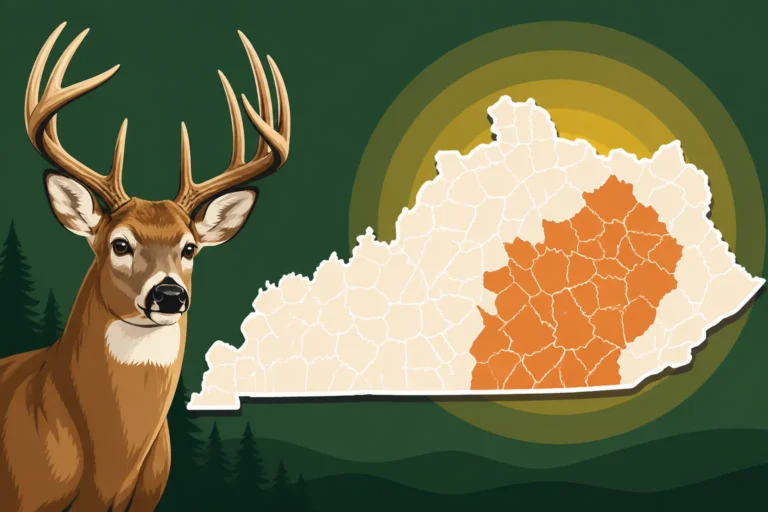
The KDFWR uses a variety of data, including population estimates, harvest data from previous seasons, and reports of bear sightings and conflicts, to define and adjust these zones. Typically, these zones are defined by specific county lines, creating clear geographic boundaries for hunters. For instance, Zone One encompasses the core range where bears are most established, while Zone Two often includes adjacent counties where bears are present but perhaps in lower numbers or are part of an expanding front. As you plan your hunt, checking the most current regulations and maps published by KDFWR is non-negotiable, as these boundaries can sometimes shift to reflect the latest population dynamics. Many hunters also use mapping applications like GoHunt to overlay these zone boundaries with public and private land information, which can be invaluable for scouting and strategizing. This vigilant monitoring ensures that hunting pressure is distributed appropriately, supporting the overall health and expansion of Kentucky's Black Bear Population.
Diving Deep into Kentucky Bear Zone One Rules
Zone One represents the heart of Kentucky's bear country, encompassing the counties where black bears are most prevalent and well-established. Because of the robust bear population in these areas, KDFWR often provides more opportunities for hunters, including longer seasons or broader weapon choices, to help manage the population effectively. However, with these increased opportunities come specific responsibilities and regulations that hunters must meticulously follow to ensure a legal and ethical hunt. It's not just about knowing where to go, but how to hunt there legally.
Geographical Scope and Specific Counties
Historically, Kentucky Bear Zone One has included counties like Bell, Clay, Harlan, Knox, Leslie, Letcher, McCreary, Perry, Pike, Whitley, and sometimes others that share similar high bear densities in the rugged southeastern coalfields. These are the counties where you’ll find some of the most consistent bear sign, often near the vast expanses of the Daniel Boone National Forest or the various state wildlife management areas scattered throughout the region. The mountainous terrain, dense cover, and abundant mast crops make these areas prime bear habitat, drawing hunters who are ready for a challenging and rewarding experience. Before heading out, it's always best to consult the most current KDFWR hunting guide to confirm the exact counties designated as Kentucky Bear Zone One County List, as these can be updated periodically based on population trends and research.
Season Dates and Weapon Restrictions in Zone One
Bear hunting in Zone One typically offers a variety of season options, catering to different hunting preferences and styles. You'll generally find distinct windows for archery, firearms, and often a separate season dedicated to hunting with hounds. For example, the Kentucky Bear Archery Season Dates might kick off in late September or early October, aligning with early deer seasons, offering hunters a chance to pursue bears with vertical bows or crossbows. This early season usually precedes the general Kentucky Bear Firearms Season Dates, which often runs for a shorter, more concentrated period in late October or early November. The use of modern firearms is permitted, subject to specific caliber and magazine capacity regulations. Additionally, for those who participate in it, there's usually a specific Kentucky Bear Dog Season Windows that allows for the use of trained hounds to pursue bears, a tradition deeply rooted in the region. Each of these seasons has precise opening and closing dates, as well as weapon-specific rules, so always cross-reference with the official KDFWR regulations for the exact year you plan to hunt. Hunters need to be particularly aware of the rules around baiting and dogs in these areas, as they are often very specific.
Harvest Quotas and Bag Limits for Zone One
Perhaps one of the most critical aspects of hunting in Zone One is understanding the harvest quotas and bag limits. Historically, Kentucky has often managed its bear season using a quota system, meaning that the season for a particular sex or total number of bears will close once a predetermined statewide or zone-specific number of bears has been harvested. For example, there might be separate quotas for male (boar) bears and female (sow) bears, or an overall quota that, once met, shuts down the season immediately. This dynamic closure system means hunters must stay vigilant and check the KDFWR website or telecheck system frequently to know if the season is still open. The individual bag limit for a hunter in Zone One is typically one bear per license year, regardless of the method used or the specific season hunted. Hunters are allowed to take either a boar or a sow, unless specific quotas dictate otherwise. It's a system designed to ensure the sustainable harvest of bears while providing ample opportunity, making the hunt both thrilling and responsive to the health of the population. Remember, once you harvest a bear, the Kentucky Bear Checking Requirements are stringent and immediate.
Exploring Kentucky Bear Zone Two Regulations
Bear Zone Two typically includes counties adjacent to, or slightly removed from, the core Zone One areas. These are counties where bear populations are still establishing or expanding, or where densities are lower than in Zone One. As such, the regulations in Zone Two are often more conservative, designed to allow for continued population growth while still offering limited hunting opportunities. Hunters pursuing bears in Zone Two should expect more restrictive season dates, potentially different weapon choices, and sometimes lower bag limits compared to Zone One. It's all part of the KDFWR's strategy to manage the statewide bear population holistically, ensuring healthy growth everywhere.
Counties Included in Kentucky Bear Zone Two
The counties falling into Bear Zone Two can vary from year to year, reflecting the dynamic nature of bear population expansion. Generally, these are counties bordering the main bear range, such as parts of Knox, Laurel, McCreary, and sometimes others like Wayne or Clinton, which have seen a steady increase in bear activity over recent years. While bears might be less concentrated here than in Zone One, they are definitely present, offering exciting opportunities for hunters willing to scout and put in the effort. The terrain can still be rugged, with plenty of forested areas and river bottoms that provide excellent bear habitat. Much like Zone One, hunters should refer to the latest KDFWR regulations to confirm the specific list of counties for Kentucky Bear Zone Two County List, as the exact boundaries can fluctuate. Using up-to-date mapping resources, perhaps from a subscription service like GoHunt, can help clarify these boundaries when you're planning your hunts, especially if you're exploring areas near the zone lines.
Season Lengths and Allowed Weapons in Zone Two
Hunting opportunities in Zone Two are often more limited than in Zone One, reflecting the KDFWR's goal of fostering continued population growth in these areas. For instance, the archery season might be shorter, or the firearm season might be restricted to an even more condensed timeframe. In some cases, certain weapon types or hunting methods, like hunting with hounds, might be completely prohibited in Zone Two to reduce hunting pressure. When you're considering hunting in Zone Two, be prepared for potentially narrower windows of opportunity and make sure your gear complies with all regulations. If you're planning to hunt bears with archery gear, ensure you fully understand the specific rules governing Hunting Bear With Archery Gear in Kentucky. For firearms, it's essential to check for any specific caliber or ammunition restrictions that might apply. These tighter controls are not meant to frustrate hunters but to ensure that the burgeoning bear populations in these peripheral zones have every chance to thrive and further establish themselves across the landscape.
Quotas and Bag Limits in Zone Two Explained
Similar to Zone One, bear hunting in Zone Two is also managed through a quota system, but these quotas are typically much lower. The goal here is to allow for some harvest while still prioritizing population expansion. It's not uncommon for Zone Two to have an even more conservative quota, sometimes limited to only male bears (boars) or a very small total number of bears. This means the season can close very quickly, sometimes within a matter of days, if the quota is met. Hunters planning to pursue bears in Zone Two must stay connected to the KDFWR's Telecheck system or their official website to monitor the harvest numbers in real-time. Bag limits per hunter usually remain at one bear per license year, consistent with Zone One, but the overall fewer opportunities mean success in Zone Two often comes down to timing, diligent scouting, and a good bit of luck. The immediacy of the quota system underscores the challenge and excitement of hunting in these expanding bear ranges.
Obtaining Your Kentucky Bear Permit and Tags
Getting ready for a bear hunt in Kentucky isn't just about knowing the rules and scouting your spot; it's also about making sure all your paperwork is in order. This starts with purchasing the correct licenses and permits. The system is designed to be straightforward, but missing a single step can invalidate your hunt, so pay close attention to the details.
License Requirements and Permit Costs
Before you can even think about chasing a Kentucky black bear, you'll need to ensure you have a valid Kentucky hunting license. For residents, this typically means a Resident Annual Hunting License. Non-residents will need to purchase a Nonresident Annual Hunting License. Beyond the general hunting license, all bear hunters, both resident and non-resident, are required to purchase a specific Kentucky bear permit. This permit is an additional cost and is specifically designated for bear hunting. The Kentucky Bear Tag Cost is usually a separate fee from your general hunting license and your deer or turkey permits, so don't mistake one for the other. It's crucial to purchase this permit before you head into the woods, as you cannot legally pursue a bear without it. You can typically purchase licenses and permits online through the KDFWR website, at local vendors, or by phone. Always keep proof of your license and permit on your person while hunting.
Application Process for Limited Opportunities
While the bear permit itself is generally available for purchase by anyone with a valid hunting license, there might be specific, limited quota hunts or managed hunts that require an application process. These special hunts are usually for areas with very specific management goals or to provide highly controlled access to certain lands. For the standard statewide bear season in Zones One and Two, the bear permit is bought over-the-counter. However, if KDFWR decides to offer any unique bear hunting opportunities in the future that are quota-based or managed, you would typically find information about an application period, draw odds, and specific deadlines on their website. For the time being, the bear permit system is open for direct purchase. This allows more hunters to participate, as long as they stay within the established quotas and adhere to all other regulations for Kentucky's Bear Zone One and Two Rules.
Telecheck and Checking Your Harvest
One of the most critical steps after successfully harvesting a bear in Kentucky is immediately reporting your kill through the Telecheck system. This is not optional; it's a mandatory step that ensures your harvest is legally documented and, crucially, allows the KDFWR to monitor the statewide and zone-specific quotas. The Kentucky Bear Checking Requirements dictate that you must Telecheck your bear by midnight on the day of harvest. You can do this online or by phone. During the Telecheck process, you’ll provide details about your harvest, including the county, date, and sex of the bear. You'll then receive a confirmation number, which must be immediately recorded and kept with the bear until it is processed. This system is vital, especially when hunting in a quota-based season; failing to Telecheck promptly could lead to the season closing before your bear is registered, or worse, legal repercussions. It also plays a crucial role in tracking bear populations and informs future season regulations, ensuring the long-term sustainability of the herd.
Managing Your Hunt in Kentucky's Bear Zones
Hunting in Kentucky's bear zones isn't just about understanding the regulations; it's also about developing effective strategies to find and harvest a bear. Whether you're new to bear hunting or a seasoned veteran, approaching these zones with a solid plan will significantly increase your chances of success.
Scouting Strategies for Bear Sign
Effective scouting is paramount when hunting bears, especially in the rugged terrain of Zone One and Zone Two. Bears are creatures of habit, often following consistent travel corridors, especially during the fall mast season when they're fattening up for winter. Look for fresh tracks around creek bottoms, along ridgelines, and near natural food sources like oak flats or berry patches. Scat can tell you what they're eating and how recently they've been in the area. Torn-up logs, claw marks on trees, and flipped rocks are all indicators of a bear feeding. Areas with abundant acorns, particularly white oaks, are often bear magnets. Don't be afraid to put some miles on your boots, climbing steep hollows and traversing dense timber, as bears often prefer thick, secluded areas. Using aerial maps from services like GoHunt or the Kentucky Hunt Fish App can help you identify potential travel corridors, water sources, and mast crop locations before you even step foot in the woods, allowing you to focus your ground scouting efforts more effectively. Understanding how bears use the varied landscape will give you an edge, whether you're in the deep woods of Harlan County or a more transitional area of Knox County.
Tactical Approaches: Spot-and-Stalk vs. Stand Hunting
There are several effective ways to hunt bears in Kentucky, and your chosen method might depend on the specific zone, terrain, and your personal hunting style. Spot-and-stalk hunting, as detailed in Spot-and-Stalk Tactics for Pine Mountain Bears, can be incredibly exciting in the more open clearings and powerline cuts found in parts of the eastern Kentucky coalfields. This involves patiently glassing large areas from a high vantage point, spotting a bear, and then carefully planning an approach to get within shooting range. This method requires excellent optics, stealth, and a keen understanding of wind and thermals.
Alternatively, stand hunting is a popular and effective method, especially if you've identified a consistent food source or travel route. This could involve setting up a treestand overlooking a productive acorn flat, a well-used game trail, or a secluded water source. Ground blinds can also be effective, particularly in areas with dense cover where you can brush in naturally. The key to stand hunting is patience and minimizing your scent and movement. Regardless of your chosen method, remember that bears are intelligent animals with incredible senses, so meticulous attention to detail is crucial.
Considerations for Hunting with Hounds in Kentucky
For those participating in Kentucky's Bear Dog Season Windows, the dynamics of the hunt shift considerably. Hunting with hounds is a deeply traditional method, particularly in the rugged Appalachian Mountains of Kentucky. This approach typically involves releasing trained bear hounds on fresh bear tracks, allowing the dogs to follow the bear until it's treed or bayed on the ground. Hunters then track the dogs using GPS collars to reach the location. This method requires a significant investment in trained dogs, specialized equipment (like GPS collars), and a deep understanding of dog handling and bear behavior. Specific regulations apply to hound hunting, including restrictions on the number of dogs allowed and rules for handling treed or bayed bears. It’s also vital to be aware of property boundaries and ensure you have permission to cross private lands if your dogs might pursue a bear there. This intensive method provides a unique and challenging experience, often requiring significant physical stamina to navigate the steep, unforgiving terrain where bears roam.
Comparative Overview of Kentucky's Bear Zones
To help clarify the distinctions between Zone One and Zone Two, here's a quick overview of some key differences you might encounter. Keep in mind that specific dates and quotas are subject to annual changes by KDFWR.
| Feature | Kentucky Bear Zone One (Core Bear Range) | Kentucky Bear Zone Two (Expanding Bear Range) |
|---|---|---|
| Counties | Typically Bell, Clay, Harlan, Knox, Leslie, Letcher, McCreary, Perry, Pike, Whitley, etc. (High Density) | Typically adjacent counties to Zone One; sometimes parts of Knox, Laurel, McCreary, Wayne, Clinton, etc. (Lower/Expanding Density) |
| Season Length | Generally longer and more varied (Archery, Firearms, Dogs) | Generally shorter and more restrictive (Often limited Archery/Firearms) |
| Weapon Types | Archery (vertical bow, crossbow), Firearms, Hounds (specific season) | Archery (vertical bow, crossbow), Firearms (check for specific rules); hound hunting often not permitted or highly restricted. |
| Harvest Quota | Higher quotas (e.g., separate boar/sow quotas, or higher overall) | Lower quotas (e.g., smaller overall quota, sometimes only for boars) |
| Bag Limit | One bear per hunter per license year | One bear per hunter per license year |
| Population | Well-established, healthy, and high density | Establishing, expanding, and lower density |
| Hunting Pressure | Can be higher due to more opportunities | Generally lower, but success rates can be challenging due to fewer bears and shorter seasons |
Navigating the Ethical Considerations of Bear Hunting
Beyond the rules and regulations, being an ethical bear hunter in Kentucky, or anywhere for that matter, is about demonstrating respect for the animal, the land, and your fellow hunters. This encompasses a range of considerations, from shot placement to responsible carcass handling and understanding the role of hunting in conservation.
Responsible Shot Placement and Recovery
Ethical bear hunting demands careful shot placement to ensure a quick, humane harvest and minimize the risk of a wounded animal escaping. Bear anatomy can be deceiving; their thick hide and dense muscle can make them surprisingly tough. Aim for the vital organs—the lungs and heart—which typically lie just behind the shoulder. Take only clear, ethical shots within your effective range, and never rush a shot. After the shot, if the bear doesn't drop immediately, give it ample time before beginning your recovery efforts. Bears can travel a significant distance, even with a fatal wound, and pushing a wounded bear too soon can make recovery much harder. Learn Blood Trailing After Dark in Kentucky techniques, as many bears are harvested late in the day, necessitating after-dark tracking. If you are uncertain about the shot, wait several hours, or even overnight if conditions allow, to ensure the bear expires and to avoid pushing it further. Your responsibility as a hunter extends far beyond the trigger pull.
Handling Your Harvest: From Field to Freezer
Once you've successfully harvested your bear and completed your Telecheck, the work isn't over. Proper field dressing is crucial, especially if hunting in warmer early archery seasons. Bears have a thick layer of fat, which can spoil quickly if not cooled rapidly. Gutting the bear immediately helps cool the carcass. If you're on public land or deep in the backcountry, consider the gutless method to lighten your load for the pack out, especially if you're alone. If you've been successful, consider how to transport your bear from Recovering a Deer From a Steep Hollow, as bear habitat can be equally challenging. Skinning and quartering the bear quickly, and getting the meat on ice or in a cooler, is paramount to ensure the quality of your venison. Remember that in some areas, particularly in CWD surveillance zones (though primarily for deer, it highlights the importance of carcass movement), there might be restrictions on moving whole carcasses. While these generally don't apply to bears, it's a good reminder to always be aware of any health-related regulations that could impact your harvest transport and processing.
The Role of Bear Hunting in Conservation
Bear hunting, when properly managed, plays a vital role in wildlife conservation in Kentucky. Through regulated hunting seasons and established zones, the KDFWR can effectively manage bear populations, preventing overpopulation in certain areas while encouraging growth in others. This helps reduce conflicts with humans, such as property damage or encounters in residential areas, and maintains a healthy balance within the ecosystem. The revenue generated from hunting licenses and permits also directly funds conservation efforts, habitat restoration, and ongoing research into Kentucky's Black Bear Population. As ethical hunters, we are not just participants in a sport; we are active stewards of the environment, contributing directly to the health and future of Kentucky's magnificent wildlife.
Disclaimer
The information provided in this guide is intended for general informational purposes only and is subject to change. Hunting regulations are dynamic and can be updated annually or even mid-season by the Kentucky Department of Fish and Wildlife Resources (KDFWR). Always consult the most current official KDFWR hunting guide and regulations before planning and embarking on any hunting trip. Failure to comply with all state laws and regulations may result in penalties.