Hunting a Green Field Planted for Deer
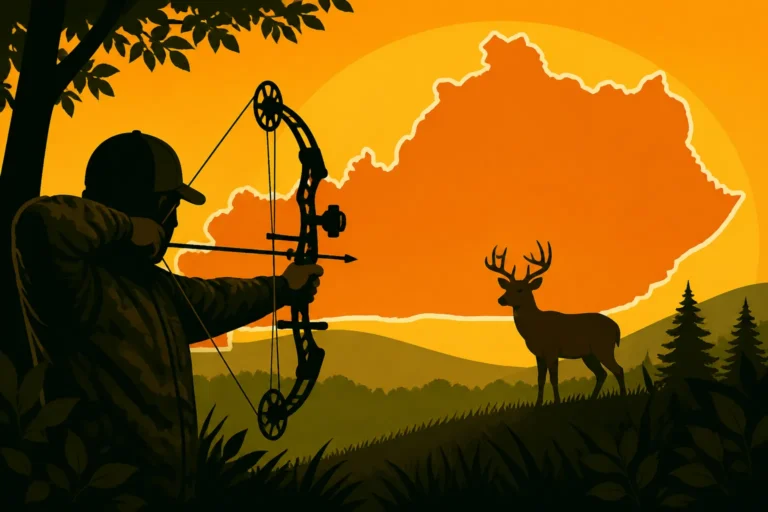
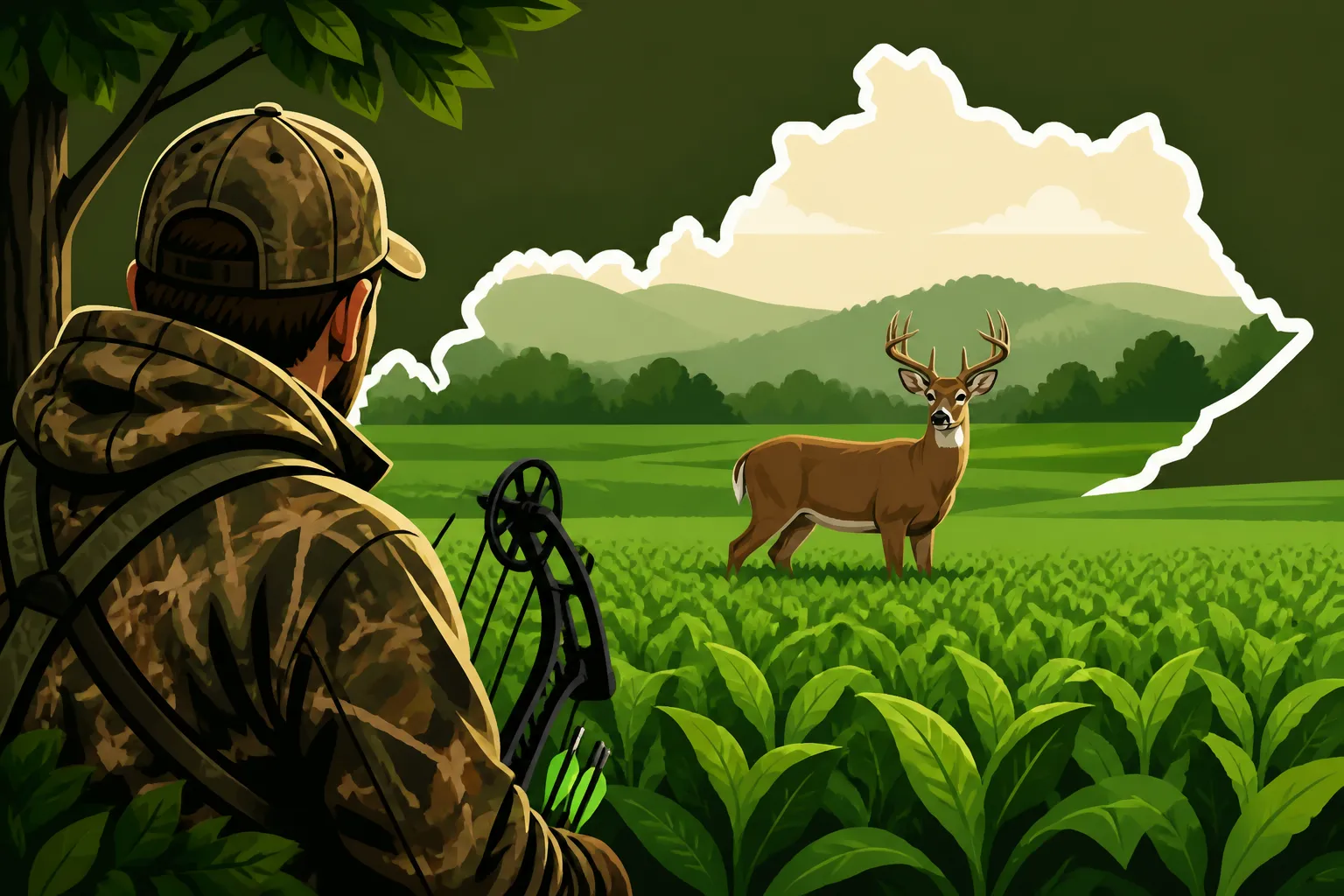
There's nothing quite like the anticipation of hunting a well-maintained green field, but many Kentucky hunters feel the sting of disappointment when those picture-perfect plots don't produce consistent deer sightings. Deer can be frustratingly unpredictable, often using these prime food sources only under the cloak of darkness or when pressure is minimal. This comprehensive guide aims to peel back the layers of mystery surrounding deer behavior on planted green fields, offering you actionable strategies and a deeper understanding of how to hunt these magnets effectively throughout Kentucky's diverse seasons.
Understanding Deer Movement and Green Field Dynamics
Green fields are more than just a buffet for deer; they're dynamic environments that influence deer behavior in complex ways. Understanding these dynamics is the first step toward consistent success.
The Allure of a Fresh Green Field
For a deer, a green field is often an irresistible draw. Why? Because it offers a concentrated source of high-quality nutrition that's often more palatable and digestible than natural forage, especially as the seasons progress. Think about a lush plot of clover in early fall, bursting with protein, or a brassica field holding strong long into the frigid Kentucky winter. These cultivated food sources are designed to be attractive, providing essential energy and nutrients deer need to thrive, grow antlers, and support fawns.
Different types of forage have different appeals. Early in the season, varieties like clover, chicory, and winter wheat are highly sought after. As autumn deepens and temperatures drop, brassicas, like rape, turnips, and kale, become incredibly palatable after a hard frost converts their starches to sugars. Oats and cereal rye also provide excellent fall and winter sustenance. Deer are not just eating for hunger; they're strategically building reserves, and green fields offer an efficient way to do so. This concentrated food source also often provides a greater sense of security than browsing scattered forage in thick woods, as deer can often see farther, especially in smaller plots.
The difference between a natural food source and a planted green field can be stark. While acorns, persimmons, and honeysuckle are important, they can be sporadic or localized. A well-maintained green field, however, is a consistent, reliable food source that deer will travel to utilize. This reliability makes them predictable deer magnets, but also, paradoxically, makes them prone to heavy hunting pressure. Hunters often make the mistake of assuming a field will be productive simply because deer are present, without fully understanding when and how those deer are using it in relation to other food, cover, and hunting pressure.
Daily and Seasonal Deer Patterns Around Green Fields
Deer usage of green fields isn't static; it evolves with the day, the season, and the amount of human disturbance. Early in the season, during September and October, you might see bachelor groups of bucks or family units of does frequenting fields right at dusk, often before the sun dips below the horizon. As hunting pressure mounts with the opening of Kentucky Archery Season Opening Day, these patterns can quickly shift, pushing deer into more nocturnal habits. They might still visit the field, but only after dark, making daytime sightings a rarity.
As the season progresses into late October and November, especially during the rut, patterns can become more sporadic and daytime movement around fields can increase. Bucks are cruising, scent-checking, and looking for does, which are often drawn to green fields. This means a buck might pop out at any time of day, driven by the urge to breed. Understanding The Kentucky Rut in Early November is critical, as a field that was quiet in October might become a hotspot overnight. Morning sits can be just as productive as evenings, especially if bucks are trailing does through bedding areas towards the field.
Come late season, from December through January, green fields become an absolute lifeline, particularly if there's snow cover or a deep freeze. When natural browse is scarce, the hardy forage in a well-managed brassica or winter grain plot can be the only dependable food source for miles. Deer will often brave daylight to feed, especially on bitter cold afternoons, making these fields prime hunting locations. However, even then, high pressure can still push wary old bucks to wait until the last sliver of daylight, or even after dark, before venturing out.
Strategic Scouting and Stand Placement for Green Fields
Effective hunting of green fields in Kentucky boils down to meticulous scouting and smart stand placement. You can't just throw up a stand on the edge and expect results.
Pre-Season Reconnaissance and Trail Camera Usage
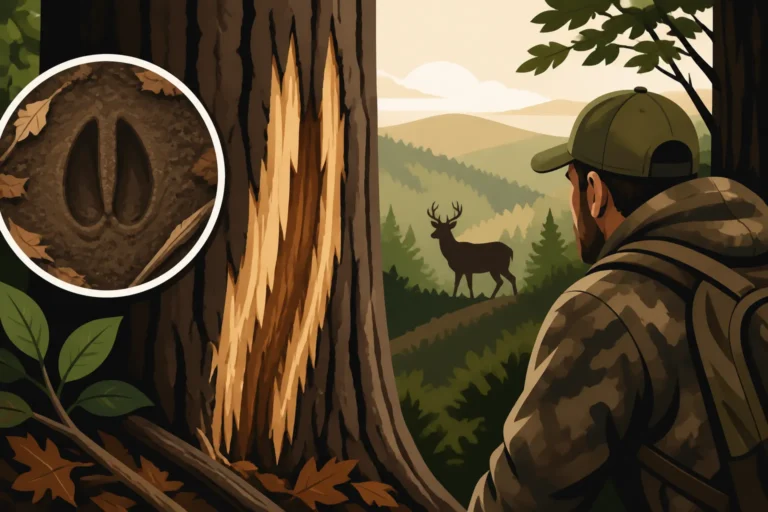
Before the season even kicks off, your scouting efforts around green fields should be in full swing. This isn't just about knowing that deer are using the field, but how and when. Walk the perimeter, identifying every potential entry and exit point. Look for well-worn trails, tracks, rub lines, and scrape lines. These tell a story of consistent travel and deer activity. Pay close attention to corners, natural funnels created by terrain or thickets, and any areas where deer seem to pause before entering the main field. These "staging areas" are critical for setting up close to the action without directly hunting the main feeding plot.
Trail cameras are your eyes in the woods when you can't be there, and they are indispensable for green field hunting. Place cameras not just on the field edge, but also on those distinct entry trails and staging areas. This allows you to gather intelligence without disturbing the deer. You'll learn which specific deer (bucks you're targeting!) are using the field, their preferred entry points, and—most importantly—their peak times of activity. Are they coming out at 6 PM sharp, or is it 30 minutes after dark? This data is gold. For extensive mapping and pinpointing these crucial points, I often recommend tools like GoHunt, which can help visualize terrain, identify hidden funnels, and mark potential stand locations with incredible precision. You can also use GoHunt to overlay property lines and ensure you're setting up legally and respectfully.
Identifying bedding areas and the primary travel corridors leading to your green field is also paramount. Deer don't just appear out of thin air; they travel from safe cover. By understanding where they bed, you can position yourself along their travel route rather than waiting at the destination. Look for thickets, dense cedar patches, or south-facing slopes that offer warmth and cover. Remember, the goal is to observe and gather information with minimal intrusion. Every time you walk through the field or bump a deer, you're teaching them to be warier, so keep your visits brief and strategic. Reading aerial photos for Eastern Kentucky Deer is a fantastic way to identify these crucial bedding areas and travel routes from a distance.
Optimizing Stand Location and Entry/Exit Routes
Once you've done your scouting homework, it's time to choose your stand locations. This is where many hunters make their biggest mistake: setting up directly on the field edge. While this can offer great views, it often puts you in plain sight and makes silent entry and exit nearly impossible without alerting deer. Instead, consider setting your stand 50-100 yards back into the timber, along a main travel corridor, or overlooking a staging area where deer might mill about before stepping into the open. This allows you to intercept them before they're fully exposed, often offering a more relaxed, higher-percentage shot opportunity.
Wind direction and thermals are non-negotiable considerations. Always hunt with the wind in your favor, blowing your scent away from where the deer will approach. In hilly Kentucky terrain, thermals are also a huge factor. In the mornings, thermals tend to drop downhill, while in the evenings, they rise. If you're hunting an evening green field in a hollow, a stand high on a ridge might carry your scent down to approaching deer. Conversely, a morning stand low in the hollow might have rising thermals carrying your scent to deer bedding above. Planning your entry and exit routes for each stand is just as important. These routes must be silent and allow you to get in and out without spooking deer in or near the field. Use natural features like creek bottoms, ditches, or dense timber to mask your approach.
Consider different stand types for different situations. A hang-on stand with climbing sticks offers versatility for placing you precisely where you need to be, especially in areas with mature trees and good cover. For more open field edges or areas where trees are sparse, a well-brushed-in ground blind can be an excellent option. Make sure if you're using a ground blind on Kentucky Public Land that you get it brushed in weeks, if not months, ahead of time so the deer become accustomed to it. Remember that deer are constantly assessing their environment for threats, so a stand that blends into its surroundings and offers good concealment is always superior. Sometimes, even sitting on a field edge, it’s best to place yourself at a natural choke point or funnel where deer have to pass, rather than a wide-open section.
Hunting Green Fields Through Kentucky's Seasons
Green fields offer opportunities throughout the entire deer season, but your tactics need to change with the calendar. What works in September won't necessarily work in January.
Early Season Archery Tactics (September-October)
The early archery season in Kentucky, typically starting in early September, often presents the challenge of warm weather and relatively abundant natural food sources. Deer haven't felt much pressure yet, but they're still largely in their summer patterns, meaning they might be more visible but also less predictable in their field usage. Focus your efforts primarily on evening hunts, as deer are often moving from bedding to feeding. During these warmer periods, deer will still gravitate to the most palatable food, and a lush green field of clover or chicory can be just the ticket.
In these early weeks, you might still observe bachelor groups of bucks feeding together or family units of does. Pay attention to how they enter the field – do they pop out at a consistent spot? Are they following a specific trail? Your trail camera data from pre-season will be invaluable here. While hunting the field edge can be tempting, consider setting up on the fringe of the timber where a well-used trail enters the field. Deer, especially bucks, are often cautious and will hang up in these staging areas, scent-checking and surveying the field before committing. This offers a shot opportunity before they're fully exposed.
The key to early season green field hunting is minimal intrusion. The deer are still relatively unpressured, and one bad hunt where you spook deer can set back their daytime use for weeks. Plan your entry and exit meticulously, perhaps using Entry Routes Through Standing Beans if they border the field, and leave immediately after dark, even if deer are still in the field. Your goal is to keep them feeling safe and comfortable using the field during daylight hours. A quiet approach, good scent control, and patience will be your best allies.
Mid-Season and Rut Strategies (Late October-November)
As late October transitions into November, Kentucky's deer woods ignite with the rut. This is arguably the most exciting time to hunt green fields. While they remain a vital food source for does, they become a prime cruising ground for bucks looking for those does. You might see bucks actively chasing, scent-checking, and even sparring in or near fields. The patterns become less about feeding efficiency and more about breeding urgency. During this period, understanding the full scope of Hunting the Rut in Early November is paramount, and green fields play a central role.
During the rut, bucks might show up at any time of day, driven by the need to find receptive does. Don't restrict yourself to just evening hunts; all-day sits can be incredibly productive. A buck might follow a hot doe from deep cover, across a ridge, and right into a green field in the middle of the afternoon. This is also an excellent time to incorporate calling and scent strategies. Grunt calls can pique a buck's curiosity, especially if he thinks another buck is near a doe in the field. You might even consider using rattling antlers, as bucks are often looking for a fight or to assert dominance. Learning effective Rattling and Grunting in Kentucky can significantly increase your odds.
While field edge stands are still an option, setting up on major travel corridors or pinch points that funnel deer towards the green field from bedding areas can be even more effective. Bucks are often covering a lot of ground, and they might just skirt the edge of the field or use a nearby trail to check for does without ever fully stepping out into the open. Using a mapping app like GoHunt can help you visualize these travel patterns and identify strategic ambush points that capitalize on deer movement towards, but not necessarily in, the field.
Late Season Opportunities (December-January)
When the temperatures plummet and winter truly sets in, usually from December through January, green fields become a critical survival resource for deer. Natural food sources like acorns are often depleted, and palatable browse can be scarce. Hardy green field plantings like brassicas (after a hard freeze sweetens them) or late-season winter wheat and oats provide the consistent, high-energy forage deer desperately need to maintain body weight and survive the cold. This makes them incredibly attractive, even to the most reclusive bucks.
Hunting Late-Season Food Sources for Kentucky Whitetails in green fields requires patience and a tolerance for cold weather. Deer will often wait until the last possible moment of daylight to enter a field, making those final minutes before dark absolutely crucial. If snow covers the ground, fresh tracks in and out of the field can tell you exactly where deer are entering and exiting, and how recently. Cold, clear afternoons with light wind are often the best, as deer need to replenish energy and will be more inclined to move.
Consider setting up on the downwind side of the most frequently used entry point, deep enough in the cover to remain undetected, but with a clear view of the field. Thermal advantages are key here; as the sun sets, cool air will start to sink, so position yourself accordingly. Dress in warm layers – wool and synthetics are your friend – and be prepared for a long, cold sit. For late-season hunting, especially on days when deer might be reluctant to move far, knowing precisely where they are coming from and going to is critical.
Adapting to Pressure and Maximizing Success
The biggest challenge with green fields, especially on public land or heavily hunted private ground, is often the sheer amount of hunting pressure. Deer learn quickly, and adapting your tactics is crucial.
Dealing with Hunting Pressure Around Green Fields
Kentucky deer are smart, and they don't take long to figure out that green fields, while delicious, can be dangerous during daylight hours. If your green field is seeing a lot of human activity, whether from other hunters or even regular farm work, you'll notice deer shifting their activity to become increasingly nocturnal. They'll still visit, but mostly under the cover of darkness. This is a common frustration, and it requires a change in strategy rather than abandoning the field altogether.
When deer are pressured, instead of hunting the field itself, focus on the areas around it. This means moving deeper into the timber, identifying the staging areas where deer gather before stepping out, or finding pinch points and funnels in the woods that lead directly to the field. Deer will often stage in thick cover 50-150 yards from the field, waiting for confidence-building darkness before entering. If you can intercept them in this staging area, you'll have a better chance at a daytime encounter.
Sometimes, the best solution to pressure is to use a different setup. If traditional treestands are too visible or difficult to position stealthily, consider using a ground blind. When properly set up and brushed in, a ground blind can offer excellent concealment. Remember that using a Ground Blind on Kentucky Public Land requires careful adherence to regulations, but if you select a spot and take the time to brush it in naturally with local vegetation weeks before you hunt, deer will become accustomed to its presence. Avoid hunting the same stand repeatedly if you're spooking deer; rotate between multiple stand sites to keep the deer guessing and minimize your impact.
Integrating Other Tactics with Green Field Hunts
While green fields are powerful attractants, they work even better when integrated with other hunting strategies. During the peak rut, combining a green field sit with active calling can be deadly. A buck cruising nearby might be drawn into the field by the sound of a grunt or the visual of a doe decoy. This is where your full bag of tricks, especially your ability to call effectively, comes into play.
Don't overlook small, overlooked green plots. While large, manicured food plots grab attention, a small, half-acre kill plot tucked away in a remote corner of private land or a neglected patch on public ground might see less pressure and more consistent daytime usage. These "hidden gems" are often the most productive, as deer feel safer in smaller, more concealed openings. Using tools like GoHunt or even the Kentucky Hunt Fish App can help you zoom in on detailed aerial photos to find these smaller, less obvious plots that other hunters might miss.
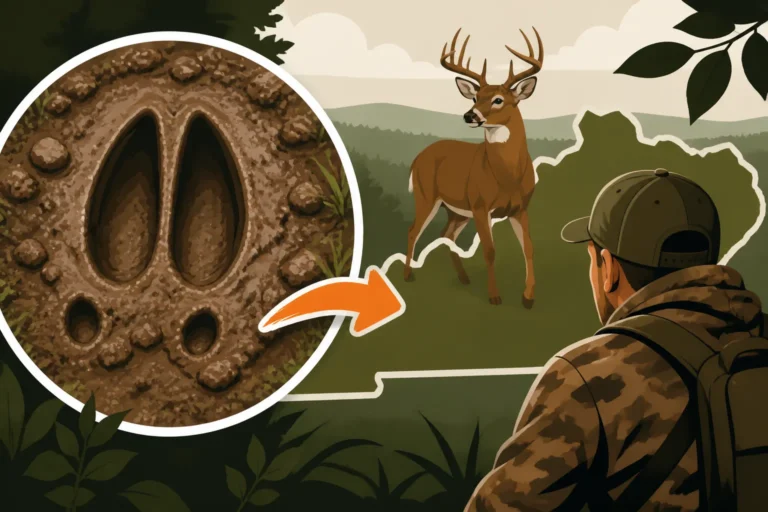
Finally, always be scouting, even when you're hunting. Reading Kentucky Mud for Fresh Deer Movement around your green field can tell you if patterns have changed. Are the tracks fresh? Are there new rub lines appearing? Deer behavior is fluid, and the most successful hunters are those who are constantly observing and adapting. Even if the green field isn't producing, the information you gather from its perimeter can lead you to success in nearby bedding or travel corridors.
Here’s a quick overview of common green field forages and their peak attraction times:
| Forage Type | Prime Growth Season | Peak Deer Attraction | Best Hunting Season | Notes |
|---|---|---|---|---|
| Clover (White/Red) | Spring-Fall | Spring-Early Winter | Early-Mid Archery | High protein, palatable. Frost can increase palatability. |
| Chicory | Spring-Fall | Spring-Early Winter | Early-Mid Archery | Drought resistant, high protein. Good mixed with clover. |
| Winter Wheat/Oats | Fall-Spring | Fall-Early Winter | Early-Late Archery, Muzzleloader | Fast growing, highly palatable. Good cold weather forage. |
| Brassicas (Rape, Turnips, Kale) | Fall | Late Fall-Winter | Late Archery, Gun, Muzzleloader | Palatability increases greatly after first hard frost. |
| Alfalfa | Spring-Fall | Spring-Fall | Early-Mid Archery | High protein. Can be expensive to establish. |
| Annual Ryegrass | Fall-Spring | Fall-Early Winter | Early-Mid Archery | Quick to establish, good cover crop. Often mixed with others. |
Disclaimer
Hunting is an inherently dangerous activity. This guide provides general information and recommendations for hunting green fields in Kentucky. Always prioritize safety, understand and adhere to all Kentucky Department of Fish and Wildlife Resources regulations, and obtain appropriate licenses and permits. It is your responsibility to know and follow all local, state, and federal laws related to hunting. The information provided here is not a substitute for professional guidance or hands-on experience.