Tracking a Deer Through Kentucky Leaf Litter
There’s nothing quite like the heart-stopping moment after the shot, when you know you’ve connected, but then the deer vanishes into the dense Kentucky woods. The initial excitement quickly turns to gnawing anxiety as you approach the last known location, only to be met by a sprawling carpet of rustling leaves, often masking any clear sign of your quarry. Losing a blood trail in Kentucky’s notorious leaf litter, especially after a long day or with fading light, is a frustrating reality many hunters face. This guide is here to walk you through proven strategies for meticulously tracking a deer, even when the forest floor seems determined to swallow every clue.
Understanding Kentucky's Forest Floor Challenges
Kentucky’s diverse landscape, from the rolling hills of the Bluegrass to the rugged Appalachian foothills, presents unique challenges when it comes to tracking game. The very beauty of our autumn woods, with their vibrant tapestry of fallen leaves, can become a tracker’s worst nightmare.
The Deceptive Nature of Leaf Litter
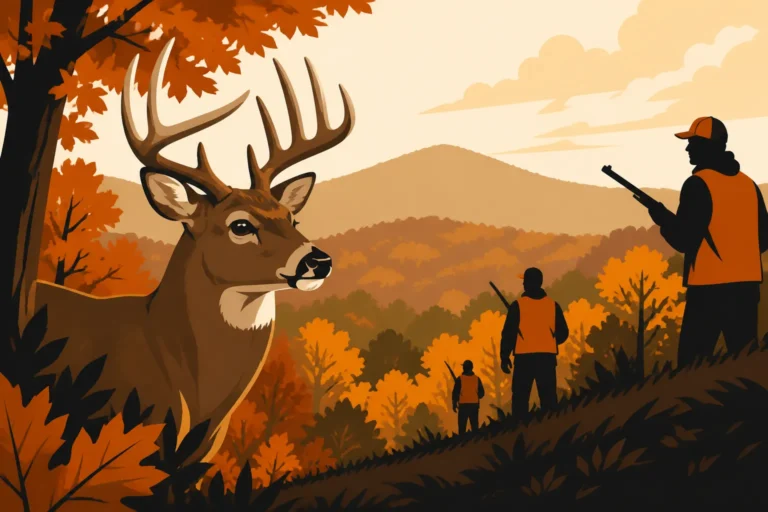
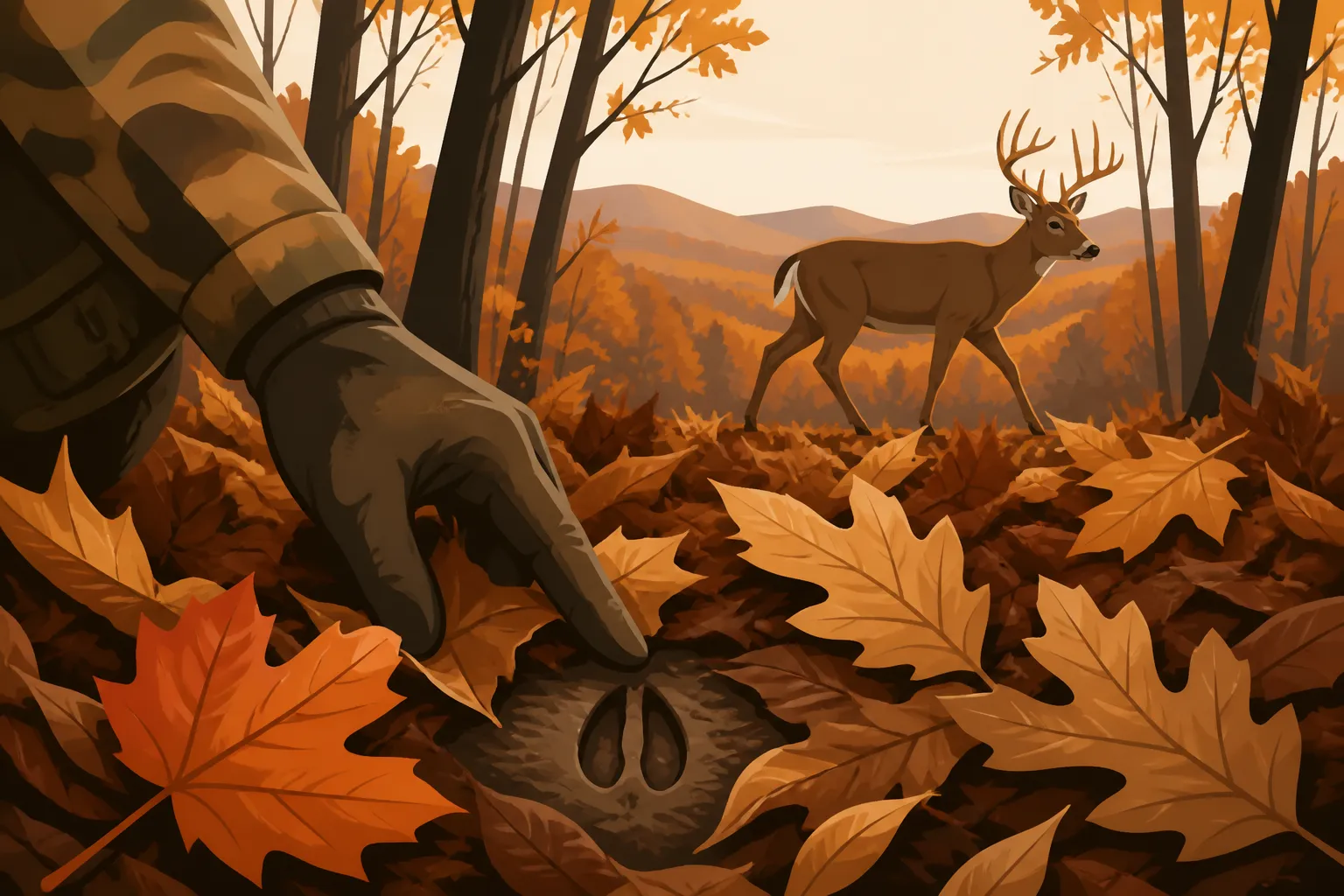
Imagine standing at the edge of a timber patch in November, the leaves from towering oaks, maples, and hickories having settled into a deep, uneven carpet. This isn't just a picturesque scene; it's a formidable obstacle for blood trailing. A small trickle of blood, perhaps from an exit wound or a low-lying graze, can disappear instantly into the dry, crinkled folds of a single leaf. Even larger drops can be absorbed or scattered by the sheer volume of organic matter, making them nearly impossible to discern without getting on your hands and knees.
The nature of this leaf litter changes too, depending on recent weather. After a dry spell, every step you take sounds like a marching band, and the crunchy leaves easily obliterate any subtle disturbance from a wounded deer. Conversely, a recent rain can mat the leaves down, creating a damp, dark surface that readily absorbs blood and hides faint tracks. In either scenario, the ground works against you, demanding a slow, methodical approach to find those precious, often minuscule, clues. This is particularly true in areas where the forest floor hasn't been disturbed by frequent traffic or recent prescribed burns, allowing leaf accumulation to reach significant depths.
Terrain and Vegetation as Obstacles
Beyond the leaf litter itself, Kentucky’s varied terrain and dense vegetation add multiple layers of complexity to any tracking effort. Picture yourself trying to follow a faint blood trail through a steep hollow in the Daniel Boone National Forest. The deer, now wounded, is likely to take the path of least resistance downhill, but that path might be choked with tangled briar thickets, dense rhododendron, or a maze of downed timber from past storms or logging operations. These natural barriers not only obscure the ground further but can force a deer to change its direction abruptly, leading you off course.
Sometimes, the deer might even bed down in such thick cover, making it incredibly difficult to spot, even if you’re close. Negotiating these obstacles while keeping your eyes peeled for a blood sign requires immense concentration and physical effort. And let’s not forget the multitude of small creek beds and drainages that crisscross much of Kentucky’s hunting land. A wounded deer will often seek water or follow these natural funnels, potentially washing away critical blood evidence or forcing you into even more challenging navigation. Knowing how to Recovering a Deer From a Steep Hollow is a skill you'll absolutely need in these situations, as deer often seek the path of least resistance downhill when injured.
Essential Pre-Tracking Preparations and Mindset
Successfully tracking a deer in challenging conditions begins long before you even pick up the trail. It's about patience, proper preparation, and having the right tools at hand.
The Critical Wait Period
One of the hardest parts of deer hunting is not immediately pursuing a shot animal. That adrenaline surge screams at you to go, go, go! But resist that urge. Pushing a wounded deer, especially one that isn't fatally hit or is gut-shot, is the quickest way to turn a recoverable animal into a lost one. A pushed deer will often travel much farther, sometimes for miles, making an already tough tracking job nearly impossible.
The general rule of thumb for waiting varies drastically depending on your perceived shot placement. If you're confident it was a good lung or heart shot, waiting 30-60 minutes allows the deer to lie down and bleed out. For a liver shot, extend that to 3-4 hours. A gut shot, however, requires extreme patience; waiting 6-8 hours, or even overnight if conditions allow, is often necessary to prevent the deer from getting up and running again. Always err on the side of caution. If it's warm and humid, overnight might not be an option without risk of spoilage, but in cooler November temperatures, an overnight wait is often the best strategy for a gut shot, giving the animal time to expire.
Assembling Your Tracking Toolkit
Before you even step into the woods, make sure you've got your "tracking kit" ready. A good headlamp, even if you're tracking during the day, is absolutely non-negotiable. It allows you to get low to the ground and illuminate faint blood spatters that are invisible in natural light, especially in the dark timber of a hollow. If you find yourself Blood Trailing After Dark in Kentucky, a powerful headlamp becomes your most valuable asset.
Flagging tape (the brightly colored, non-adhesive kind) is another must-have. Use it liberally to mark every blood spot you find and the direction of travel. This helps you maintain your line and prevents you from losing your place if the trail temporarily disappears. A reliable GPS unit or a hunting app on your phone, like GoHunt, is also crucial. Mark your shot location, every significant blood find, and the last confirmed blood. This creates a virtual breadcrumb trail that helps you visualize the deer's path and plan your search patterns. Binoculars, too, are surprisingly useful for spotting the deer itself if it's bedded down ahead or for scanning for more obvious blood smears on distant saplings. Don't forget water, a small first-aid kit, and ideally, a hunting buddy. A fresh pair of eyes can spot clues you've overlooked, and two heads are always better than one when the trail gets tough.
Step-by-Step Tracking Techniques
Once the wait is over and your gear is assembled, it's time to become a detective in the woods. Every step must be deliberate, every detail observed.
Establishing the Point of Impact and Initial Trail
Your tracking journey begins at the exact spot where the deer was standing when you shot it. This is your "point of impact" and it's absolutely critical to find. Look for disturbed leaves, scuffed earth, and any pieces of hair, bone fragments, or arrow/bolt if you're bowhunting. This initial sign can tell you a lot about the hit. Mark this spot immediately with flagging tape and drop a pin on your GoHunt app or GPS. From here, begin your search for the first blood.
Once you find the initial blood, carefully examine it. The color, consistency, and amount of blood can give you valuable clues about the wound. Bright red, frothy blood with air bubbles often indicates a lung hit – a good sign. Dark red blood, often in smaller, less frequent drops, might suggest a muscle hit or liver. Blood mixed with greenish or brownish material and stomach contents points to a gut shot, which means a longer wait and more challenging tracking ahead. Knowing what kind of hit you likely made helps you adjust your mindset and tracking strategy. Continue marking each successive blood drop, creating a clear line of travel. When you're confident of the deer's initial direction, you can start to think about specific strategies for following that path, especially in thicker cover.
The Grid Search and "Last Blood" Method
When the blood trail inevitably peters out in Kentucky's thick leaf litter, don't panic. This is where the "last blood" method truly shines. The last confirmed spot of blood becomes your new focal point. Mark it clearly with flagging tape. Now, instead of just walking forward, broaden your search. Picture an expanding circle around that last blood sign. Get on your hands and knees and meticulously comb the ground, looking for the smallest speck of red.
If you can't find anything directly ahead, start searching in a grid pattern. One person can slowly move in an arc ahead of the last blood, while another stays at the last blood spot, guiding the searcher. Look not only for blood but for secondary signs: freshly scuffed leaves (often overturned to reveal their damp undersides), broken twigs, disturbed moss, or even a faint track in a patch of soft dirt near a creek bed. Remember to use your binoculars to scan ahead for any movement or for the deer itself bedded down. If you're Reading Kentucky Mud for Fresh Deer Movement, you might find valuable clues here that are invisible on dry leaves. As soon as you find another drop, mark it, and repeat the process. This slow, deliberate movement is taxing but far more effective than blindly pushing forward and potentially walking past your deer.
Interpreting Signs in Tough Conditions
Tracking in challenging conditions requires a keen eye and an understanding of subtle disturbances. The forest floor is constantly changing, but a wounded deer leaves a signature. When the blood is scarce, you have to become a master of interpreting these fainter signs. Freshly scuffed leaves, for instance, will often look different from surrounding untouched litter. They might be overturned, exposing a darker, damp underside, or they might be pushed into small piles along the deer's path.
Also, pay attention to the vegetation around you. Look for snapped twigs at knee height or higher, indicating a deer struggling through dense brush. Check the undersides of low-hanging branches or saplings for blood smears, especially if the deer was bleeding from a higher wound. Even subtle disturbances like broken spiderwebs or freshly dislodged rocks can be indicators. Get low to the ground; often, blood that's invisible from a standing height will become apparent when you're eye-level with the leaf litter. Sometimes, you'll even find deer hair snagged on briars or rough bark. If you're utilizing a hunting app like GoHunt, you can drop pins for these secondary signs, too, helping you piece together the deer's likely travel route, even without consistent blood.
Overcoming Common Tracking Obstacles in Kentucky
Kentucky's weather and unique hunting regulations can throw curveballs at even the most experienced trackers. Being prepared for these eventualities is crucial.
Rain, Snow, and Extreme Weather
Kentucky weather can be notoriously unpredictable, and a sudden change can dramatically impact a blood trail. Rain is perhaps the most common adversary, capable of washing away all but the heaviest blood trails. If it starts to rain while you're tracking, double your efforts to mark the last known blood, and try to establish the deer's direction of travel as precisely as possible. After the rain, focus on fresh tracks in any mud or soft earth, and look for blood that might be smeared on wet leaves or bark rather than pooling. Sometimes, a rain can actually help by flattening leaves, making tracks more visible, but it almost always dilutes or removes blood.
Snow, on the other hand, can be a blessing or a curse. Fresh, light snow can provide a perfect canvas for tracks and blood, making tracking a breeze. However, heavy, falling snow can quickly cover a trail, and melting snow can make it just as difficult as rain. In freezing temperatures, blood can crystallize or blend with frost, making it very hard to see. Always be prepared for varying conditions, and if the forecast calls for precipitation, be extra diligent in your initial tracking efforts immediately after the shot, before the weather has a chance to erase your clues. This is particularly important during Hunting the Late-Season January Lull, when cold fronts and snow are common.
Enlisting Aid and Dog Tracking
Don't let pride get in the way of recovering your deer. If you've exhausted your best efforts and the trail is cold, it's time to call for help. A fresh pair of eyes, especially from an experienced tracker, can often spot a clue you've overlooked. Gather a few trusted hunting buddies, explain what you've found (and not found), and go over your GoHunt map of marked signs. Assign each person a section of the grid to search, expanding outwards from the last known blood.
In Kentucky, tracking dogs are a legal and increasingly popular resource for recovering wounded game. Certified tracking dog handlers use highly trained dogs to follow even the faintest scent trails, often succeeding where human eyes have failed. If you decide to call a tracking dog, it's absolutely critical that you stop searching and do not further contaminate the trail. Mark the last blood spot and quietly back out. Provide the handler with as much detail as possible about the shot, the deer's reaction, and your tracking efforts. You can often find lists of certified tracking dog services through online hunter forums or state wildlife agencies. Using a professional tracking dog can be a game-changer, especially for those frustrating gut shots or when the blood trail completely vanishes.
Comparing Blood Trail Indicators
Understanding what different blood signs mean is crucial for deciding how to proceed with your tracking effort.
| Blood Characteristic | Likely Source / Shot Placement | Implication for Tracking & Waiting Time |
|---|---|---|
| Bright Red, Frothy/Bubbly | Lungs (aerated blood) | Good shot. Deer likely won't go far. Wait 30-60 minutes. |
| Dark Red, Clotting | Muscle, Vein, Liver | Longer trail, potentially less blood. Liver hits: wait 3-4 hours. |
| Sparse, Pinkish/Watery | Superficial wound, diluted by rain | Difficult trail. Focus on secondary signs. May require longer wait/dog. |
| Green/Brownish, Contents | Stomach/Intestines (gut shot) | Very challenging. Long wait (6-8+ hours, or overnight) is crucial to avoid pushing. |
| Heavy, Continuous Spray | Arterial hit (e.g., neck, major artery) | Short trail, quick recovery. Still wait 30 minutes to be safe. |
| Small, Isolated Drops | Leg/muscle hit, low exit wound | Slow, meticulous tracking required. Look for pattern and direction. |
Final Thoughts on Persistence
Tracking a deer in Kentucky’s leaf litter is a true test of patience, skill, and persistence. It’s physically and mentally draining, but the reward of recovering your game, knowing you honored the animal with your best effort, is immense. Don’t get discouraged if the trail goes cold; broaden your search, use all your tools, and don’t be afraid to call for help. Every hunter has faced the challenge of a lost blood trail, and with these techniques, you’ll be better equipped to turn that frustration into a successful recovery. Good luck out there, and remember to use your GoHunt app to mark those crucial details!
Disclaimer
This guide offers general advice for tracking wounded deer. Hunting regulations, including those pertaining to tracking dogs, can vary by state and sometimes by specific hunting areas. Always consult the latest Kentucky Department of Fish and Wildlife Resources regulations before heading afield to ensure compliance. Safety should always be your top priority.