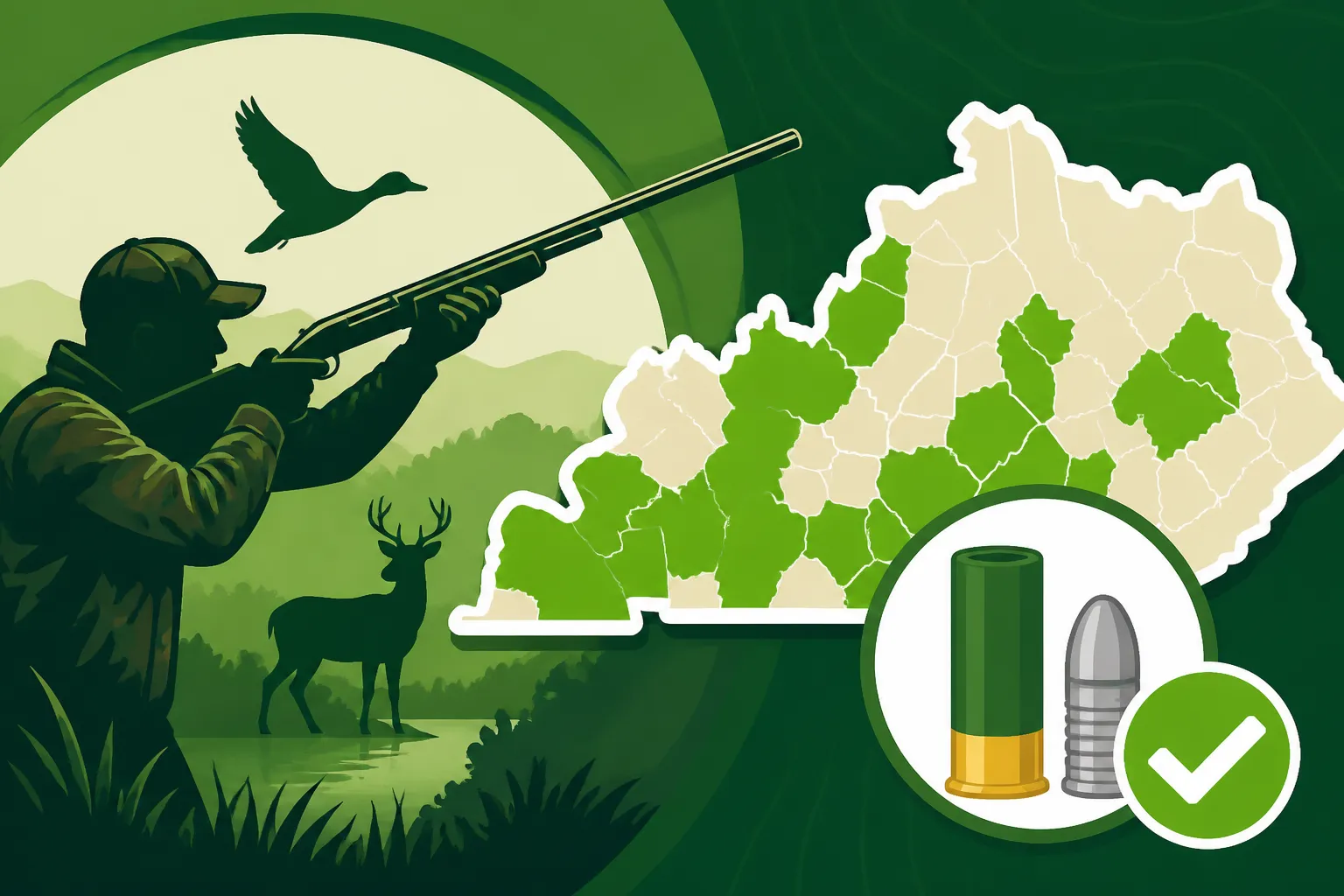
Where Nontoxic Shot Is Required in Kentucky
It can be incredibly confusing trying to keep up with all the hunting regulations, especially when it comes to specific gear requirements like ammunition or shot. You've got federal rules, state rules, and then sometimes even individual wildlife management areas throw in their own twists, leaving you scratching your head wondering if that box of shells in your vest is even legal. This guide is here to untangle the web, specifically clarifying exactly where and when nontoxic shot is required for hunting in Kentucky, so you can hunt with confidence and stay on the right side of the law.
The Mandate for Nontoxic Shot: Understanding the Core Rules
Let's start with the fundamental truth that often trips hunters up: not all shot is created equal in the eyes of the law, especially when it comes to certain hunting scenarios. For decades, lead shot was the universal standard, affordable and effective. However, scientific understanding of its environmental impact, particularly on wildlife, has evolved, leading to significant regulatory changes. Kentucky, like all states, operates within these federal and sometimes its own state-specific guidelines, which means knowing when to reach for that nontoxic option is crucial.
What Exactly is "Nontoxic" Shot?
When we talk about nontoxic shot, we're simply referring to ammunition made from materials other than lead. The most common alternatives you'll find on store shelves include steel, bismuth, and various tungsten-alloy composites. Each material has its own characteristics in terms of density, hardness, and cost, which influences its ballistic performance and effectiveness in the field. Steel, for instance, is lighter than lead and requires larger shot sizes or faster velocities to achieve similar knockdown power, while bismuth and tungsten alloys are denser, offering performance closer to traditional lead but often at a higher price point. This isn't just about what's not in the shell; it's about what is there and how it impacts the environment once it's dispersed. The whole point is to mitigate the ingestion of spent shot by wildlife.
Why the Shift Away From Lead?
The primary driver behind the move to nontoxic shot, particularly for waterfowl, is environmental protection and wildlife health. When lead shot is fired, it spreads across the landscape, settling in wetlands, fields, and other habitats. Waterfowl, being bottom feeders, often ingest these spent pellets while foraging for grit or food, mistaking them for seeds or small stones. This leads to lead poisoning, a debilitating and often fatal condition that can impact their nervous system, digestive tract, and overall health. Beyond waterfowl, scavengers like bald eagles and other raptors can also suffer from secondary lead poisoning by consuming the carcasses of animals that have ingested lead shot. It's a cascading effect through the food chain that has significant implications for wildlife populations, making the switch a vital conservation measure.
The General Rule of Thumb in Kentucky
For many Kentucky hunters, the simplest way to remember the primary nontoxic shot rule is this: if you're hunting migratory waterfowl, you must use nontoxic shot. This isn't a suggestion; it's a hard and fast federal law that applies across the entire United States, including every square inch of Kentucky. This includes ducks, geese, coots, and even other migratory game birds like snipe and rails, though many hunters primarily associate the rule with duck and goose hunting. Beyond this federal mandate, Kentucky often adds its own layers of regulation for specific public lands or managed hunts, which is where things can get a bit more nuanced. Always double-check the current Kentucky Department of Fish and Wildlife Resources (KDFWR) regulations each year, as details can shift slightly from season to season, but the core waterfowl rule remains steadfast.
Specific Areas and Species Requiring Nontoxic Shot
While the federal waterfowl mandate is paramount, Kentucky goes a step further in certain situations. It’s not just about what you’re hunting, but where you’re hunting it. Navigating these location-specific rules can be tricky, especially for hunters who frequent multiple public lands or participate in special hunts. The best practice is always to consult the specific WMA or public land regulations before you even load your gear into the truck.
Waterfowl Hunting: A Non-Negotiable Rule
As mentioned, for all migratory waterfowl (ducks, geese, coots, gallinules, sora, rails, and snipe) anywhere in Kentucky, nontoxic shot is absolutely mandatory. This applies whether you're hunting a major flyway like the Mississippi River bottomlands or a small farm pond in the rolling hills. There's simply no exception to this rule. Imagine trying to hunt ducks at Ballard Wildlife Management Area or Hunting Land Between the Lakes Waterfowl – these are prime waterfowl areas, and using lead shot would not only be illegal but also counterproductive to the very habitat management that makes these places so productive for hunters. The KDFWR strongly manages these wetlands, and protecting their integrity from lead contamination is a top priority.
One common frustration here is the cost. Nontoxic shot, especially the higher-performing bismuth or tungsten alternatives, can be significantly more expensive than lead. This can make a seasoned waterfowler feel a pinch in their wallet. However, modern steel shot has improved dramatically over the years, and for most duck and goose hunting scenarios, it performs exceptionally well, especially within ethical shooting ranges. It might require you to adjust your choke selection or shot size slightly compared to what you'd use with lead, but the performance is there.
State Wildlife Management Areas (WMAs) and Public Lands
This is where Kentucky's specific regulations really come into play. Many of Kentucky's Wildlife Management Areas (WMAs) have additional nontoxic shot requirements that extend beyond just waterfowl. These rules are usually implemented to protect sensitive habitats, ensure consistent management practices, or prevent lead accumulation in areas that see high hunting pressure for various species.
For example, on many WMAs managed intensively for wetland or upland game birds, all shotgun hunting might require nontoxic shot, regardless of the species being pursued. This means if you're pheasant hunting on one of these specific WMAs, or even rabbit hunting along a fencerow that happens to be within a designated nontoxic-only zone, you'd need to be using steel, bismuth, or another approved nontoxic material. These regulations are often clearly marked on WMA signage and detailed in the annual hunting guide. It's not always intuitive, especially if you're used to hunting general private land where lead shot might be perfectly fine for small game. This is why tools like the Scouting With the Kentucky Hunt Fish App or the KDFWR website's WMA descriptions are invaluable; they often list these specific requirements right alongside the boundary maps.
Special Hunts and Quota Areas
Another scenario where nontoxic shot might be required is during special managed hunts or quota hunts, particularly those held on state parks or other environmentally sensitive public lands. Even if the primary target isn't waterfowl, the management plan for these specific events might stipulate nontoxic shot for all shotgun use. This is often done to protect the broader ecosystem of the managed area, ensuring that lead doesn't accumulate in areas where it could harm a variety of wildlife species or even domestic animals if the area has mixed use.
For instance, certain deer quota hunts that allow shotguns in areas like Green River Lake Public Hunting Ground or specific state parks might mandate nontoxic slugs or shot. These rules are usually clearly outlined in the permit information or hunt description when you apply. You can't just assume; you have to read the fine print. Missing this detail could lead to a citation, or worse, having your hunt cut short. It’s a good idea to research your specific hunt area thoroughly, perhaps using online resources like GoHunt, which often compile WMA information and special hunt details.
To help visualize some of these distinctions, here’s a quick overview:
| Scenario | Species Involved | Shot Type Required |
|---|---|---|
| Federal Waterfowl Regulations | All ducks, geese, coots, rails, snipe | Nontoxic Shot (Mandatory) |
| Specific WMAs (as designated) | Waterfowl, often small game, sometimes deer with shotguns | Nontoxic Shot (Mandatory) |
| Special/Quota Hunts (as designated) | Varies by hunt (e.g., deer, turkey, small game) | Nontoxic Shot (Mandatory) |
| General Private Land (non-waterfowl) | Deer, turkey, small game (no waterfowl) | Lead Shot (Typically Allowed) |
| Public Land (non-waterfowl, non-WMA rules) | Deer, turkey, small game (no waterfowl) | Lead Shot (Typically Allowed) |
Note: This table provides a general guide. Always consult current KDFWR regulations for specific, up-to-date requirements for your chosen hunting area and species.
Understanding the "Why" Behind Nontoxic Shot Rules
It's easy to just see a regulation as another hurdle or an added expense, but understanding the rationale behind the nontoxic shot requirements can help hunters appreciate their role in broader conservation efforts. These rules aren't arbitrary; they stem from scientific research and a commitment to preserving Kentucky's diverse wildlife populations for future generations.
Environmental Impact and Wildlife Health
The primary reason for mandating nontoxic shot, particularly in wetlands and high-traffic hunting areas, is to prevent lead poisoning in wildlife. When you think about Kentucky Waterfowl on the Mississippi Flyway, millions of birds utilize these critical habitats. Each year, hunters discharge thousands of shotgun shells, and historically, a significant amount of lead was deposited into these environments. Lead is a persistent environmental contaminant; it doesn't break down quickly. Over time, it accumulates, especially in the shallow waters and muddy bottoms where waterfowl feed.
Ingestion of even a single lead pellet can be lethal to a duck or goose. The lead is slowly absorbed into the bird's bloodstream, causing neurological damage, paralysis, and severe weight loss. It's a slow, agonizing death. Beyond direct ingestion by waterfowl, the problem extends to raptors and scavengers. For example, a hawk or eagle might feed on a duck that has ingested lead, or even a deer carcass containing lead fragments from a rifle bullet, leading to secondary poisoning. These regulations, while sometimes inconvenient, are a direct response to documented wildlife mortality and a proactive step to protect sensitive ecosystems and iconic species that are crucial to Kentucky's natural heritage.
Habitat Management and Conservation Efforts
The decision to implement nontoxic shot zones on certain WMAs is often a key component of a larger habitat management strategy. Areas like Ballard Wildlife Management Area or Sloughs WMA Waterfowl Access are critical wintering and breeding grounds for migratory birds. The KDFWR and other conservation partners invest heavily in managing these lands through water level manipulation, food plot creation, and habitat restoration. Part of that management involves ensuring the habitat itself is safe and healthy.
By requiring nontoxic shot in these areas, managers are actively working to reduce the lead load in the soil and water, making the environment safer for all wildlife that uses it, not just the hunted species. It's a long-term investment in the health of the entire ecosystem. This commitment reflects the core mission of wildlife agencies: to conserve, protect, and enhance fish and wildlife resources and their habitats. Hunters, by complying with these rules, become active participants in this conservation mission, directly contributing to healthier habitats and more robust wildlife populations. It's a tangible way to give back to the resources we enjoy.
Addressing Hunter Concerns: Cost and Performance
It's completely understandable for hunters to voice concerns about the cost and perceived performance differences of nontoxic shot. When you're used to a certain load and its characteristics, switching to something new can feel like a disadvantage, and the higher price tag certainly doesn't help. However, ammunition technology has come a long, long way. Modern steel shot loads, for instance, are incredibly effective, and manufacturers have developed innovative wads and propellants to maximize their potential. They might require a different approach to choke selection – often more open chokes than you'd use with lead – but they get the job done efficiently.
Bismuth and tungsten-alloy loads offer even greater density, allowing for smaller shot sizes and performance that rivals or even exceeds lead, especially at longer ranges. While these options are pricier, they provide excellent knockdown power and cleaner kills. The market has responded to demand, and while you might not find as many budget options as with lead, the availability and quality of nontoxic shot have dramatically improved. Remember, investing in good quality ammunition, whether lead or nontoxic, is always part of ethical hunting. Knowing that your shot choice is also protecting the environment adds an extra layer of satisfaction to a successful hunt.
Practical Advice for Kentucky Hunters
Navigating the nuances of nontoxic shot requirements can seem daunting at first, but with a few practical strategies, you can ensure you're always prepared and compliant. It's all about proactive planning and staying informed.
Checking Regulations Before You Hunt
This is, without a doubt, the single most important piece of advice: always check the current Kentucky hunting regulations before each season and before heading to a new hunting area. Regulations can change, and what was true last year might have been updated. The KDFWR publishes an annual hunting guide that clearly outlines all species-specific and area-specific rules, including nontoxic shot requirements. You can usually find these online or pick up a physical copy wherever hunting licenses are sold.
Don't rely on hearsay or what a friend "thinks" the rules are. Take the time to confirm. Many hunters find digital resources incredibly helpful; the KDFWR website is a treasure trove of information, and using mapping apps like GoHunt can often layer regulation details directly onto public land maps. It might seem tedious, but taking five minutes to review the rules can save you a lot of headache and potential legal trouble in the field. This proactive approach is fundamental to responsible hunting in Kentucky.
Stocking Up and Patterning Your Shotgun
Once you know where and what you'll be hunting, and if nontoxic shot is required, don't wait until the last minute to buy your ammunition. Supply chains can be unpredictable, and specialized nontoxic loads might not always be readily available at every local sporting goods store. Plan ahead, purchase your shells well in advance of the season, and make sure you have enough for your planned hunts.
Equally important, pattern your shotgun with your chosen nontoxic loads. Steel, bismuth, and tungsten loads often pattern differently than lead, and different choke tubes might produce optimal results. What worked perfectly with your lead loads might not be ideal with steel. Spend some time at the range, trying different shot sizes and choke combinations to see what provides the best pattern at typical hunting distances. This not only ensures compliance but also maximizes your effectiveness and ensures clean, ethical kills. For example, if you're Turkey Shotgun Gauge Choice for fall turkeys on a WMA where nontoxic shot is required, you'll want to be sure that your chosen nontoxic load patterns effectively for that particular setup.
Knowing Your Hunting Area and Its Specifics
Beyond just the state-wide regulations, truly understanding the local rules for your specific hunting spot is paramount. If you're heading to a specific WMA, look up that WMA by name on the KDFWR website or use a tool like the GoHunt app to find its dedicated page. Often, WMAs will have special regulations listed, including unique nontoxic shot requirements for species beyond waterfowl. Finding a Kentucky WMA Near You is a great starting point for this research. Some areas might have specific rules about Treestand Rules on Kentucky Public Land or Ground Blind Rules on Kentucky WMAs that are unique to that particular tract of land, and the same applies to ammunition.
For public lands that are not WMAs, such as portions of the Daniel Boone National Forest, the default regulations usually apply unless otherwise specified. However, it's always wise to confirm. When hunting private land, make sure you understand the landowner's wishes regarding ammunition, even if it's not legally required. Many landowners appreciate hunters using nontoxic alternatives to minimize environmental impact on their property, so a conversation beforehand is always a good idea. Being knowledgeable about these specifics not only keeps you legal but also makes you a more effective and respected hunter.
Embracing Responsible Hunting Practices
Ultimately, the move towards nontoxic shot is part of a larger ethos of responsible hunting and conservation. As hunters, we are often the staunchest advocates for wildlife and wild places, and embracing practices that minimize our impact aligns perfectly with that commitment. Even in areas where nontoxic shot isn't explicitly required, some hunters choose to use it, particularly for small game or upland birds, to further reduce lead in the environment. This conscious choice reflects a deep respect for the land and its creatures.
Staying informed, being prepared, and making ethical decisions about your gear, like your ammunition, contributes directly to the health of Kentucky's ecosystems and the long-term sustainability of our hunting traditions. Whether you're chasing White-Tailed Deer Across Kentucky or Waterfowl Hunting Kentucky Lakes and Rivers, your actions in the field have an impact, and choosing nontoxic shot when and where it's appropriate is a powerful way to leave a positive mark.
Disclaimer
This article is for general informational purposes only and does not constitute professional advice. Laws, prices and regulations vary by location and change over time. Consult a qualified professional for guidance on your specific situation.