Boots for Walking Kentucky Ridges
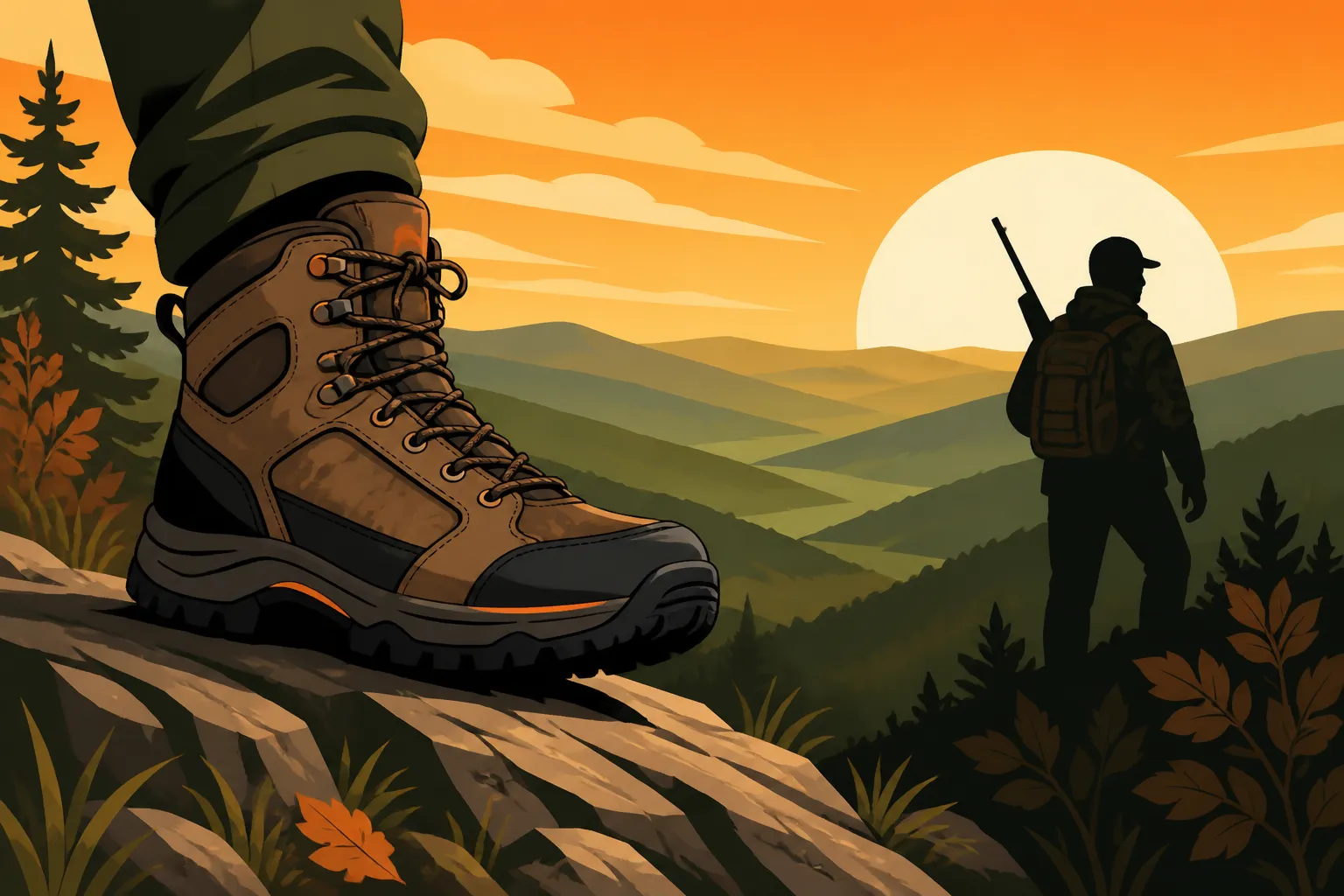
If you've spent any time at all chasing deer or turkeys up and down the steep, unforgiving ridges of Eastern Kentucky, you know that your feet are often the first thing to give out. Blisters, wet socks, twisted ankles, and just plain aching soles can turn an otherwise perfect morning hunt into a miserable trek back to the truck. This guide is all about helping you find the right boots to conquer Kentucky's rugged ridge country, ensuring your feet stay comfortable, protected, and ready for whatever the hunt throws your way.
Understanding the Unique Challenges of Kentucky Ridge Terrain
Kentucky's ridge country, especially in areas like Daniel Boone National Forest or the Cumberland Mountains, presents a very specific set of challenges for your footwear. It's not like walking flat farm fields; it's a dynamic environment that demands a lot from your boots.
Steep Inclines and Declines
When you're Still-Hunting Eastern Kentucky Ridges, you're often facing relentless uphill climbs followed by equally demanding descents. This isn't just a workout for your legs; it puts immense pressure on your feet. On the ascents, your toes push against the front of your boots, while on the descents, your heels take the brunt, and your feet can slide forward, causing painful toe bang if the fit isn't right. You need boots that hold your foot securely in place and offer excellent ankle support to prevent rolls on uneven ground.
Varied Ground Conditions
One minute you might be walking on a relatively flat, hard-packed logging road, the next you're navigating loose shale and rocks on a steep hillside. Then, you might drop into a hollow filled with slick mud, wet leaves, or even a small creek. This constant change means your boots need to be versatile. Excellent traction is paramount to prevent slips and falls, and a good waterproofing membrane is essential to keep your feet dry through unexpected puddles or heavy dew.
Long Miles and Heavy Packs
Let's be real, public land hunting in Kentucky often means putting in the miles. Whether you're Scouting Kentucky Public Land Before Season or packing out a deer from a deep hollow, your boots need to handle prolonged wear under load. If you're carrying a pack with your Packs for a Daniel Boone Forest Day Hunt, the added weight only amplifies the demands on your footwear. Comfort over long distances is critical, as is cushioning that can absorb the impact of uneven terrain without compressing too quickly.
Essential Features for Ridge-Ready Hunting Boots
When you're sifting through all the options out there, it's easy to get overwhelmed. But for Kentucky's ridges, there are a few non-negotiable features you absolutely must prioritize.
Superior Ankle Support
This might be the single most important factor for hunting steep, rocky terrain. A sprained ankle deep in a hollow can end your hunt, or worse, put you in a dangerous situation. Look for boots with a high-cut design that cradles your ankle firmly. The stiffness of the collar and the lacing system should work together to lock your foot in place, preventing lateral movement that can lead to twists. You want to feel supported, not restricted. If you're often finding yourself Recovering a Deer From a Steep Hollow, you'll quickly appreciate robust ankle support.
Unbeatable Traction and Sole Design
Kentucky's ridges are a minefield of slick leaves, wet rocks, and mud-slicked paths. Your boot soles need to be aggressive. Look for deep, multi-directional lugs that can bite into loose dirt, mud, and slippery leaf litter. A stiff sole also helps when traversing sharp rocks or climbing over downed timber, distributing pressure evenly across your foot and protecting it from punctures or bruising. Vibram soles are a common and highly regarded option known for their grip and durability. The tread pattern should also be designed to shed mud easily, so you're not carrying extra weight around.
Reliable Waterproofing and Breathability
There's nothing quite as miserable as wet feet on a cold day. Whether it's morning dew, a pop-up shower, or crossing a shallow stream, your boots will get wet if they're not adequately protected. Look for boots that feature a quality waterproof membrane, like Gore-Tex or similar proprietary technologies. These membranes are designed to keep external water out while still allowing perspiration to escape, helping your feet stay dry and comfortable. However, remember that "waterproof" doesn't mean "invincible." You still need to maintain your boots to keep that waterproofing effective.
Durability and Materials
Hunting boots on Kentucky ridges take a beating. They encounter briars, sharp rocks, abrasive dirt, and constant friction. Look for boots constructed from tough materials like full-grain leather, durable synthetics, or a combination of both. Reinforced toe caps and heel counters are a huge plus, protecting your feet from impacts and extending the life of the boot. Stitching should be robust, and hardware (eyelets, hooks) should be strong and resistant to corrosion. Some boots might feature a rubber rand around the base, which adds an extra layer of protection against scrapes and moisture.
Choosing the Right Boot Type for Your Hunting Style
Not all ridge hunts are created equal. The type of boot that's perfect for an early-season bow hunt might be entirely different from what you need for a late-season rifle hunt in the snow.
Lightweight Hiking Boots for Early Season
For those warmer early-season archery hunts in September or October, when the leaves are still mostly on the trees and the temperatures are mild, a lightweight, breathable hiking boot can be a great choice. These boots often prioritize comfort and agility, allowing you to move quietly and quickly through the woods. They'll still offer decent ankle support and traction, but they'll be less insulated and generally lighter on your feet.
- Pros: Excellent breathability, reduced fatigue on long walks, quick break-in.
- Cons: Less insulation for cold weather, potentially less durable for truly abusive terrain, may not offer maximum ankle stiffness.
Mid-Weight All-Around Hunting Boots
This is often the sweet spot for many Kentucky hunters. A good mid-weight boot will offer a balance of support, durability, waterproofing, and moderate insulation. These are your workhorse boots, capable of handling everything from a crisp fall morning tracking a deer to navigating muddy trails after a rain. They typically feature a sturdier sole than a lightweight hiker and provide more robust ankle protection. This type of boot is ideal for general deer season, including Muzzleloader Deer Hunting in Kentucky or even early Kentucky's Statewide Modern Gun Season.
- Pros: Versatile for most conditions, good balance of features, often a good compromise on price and performance.
- Cons: Can be overkill for very warm days, might not be warm enough for extreme cold.
Heavy-Duty Insulated Boots for Late Season
When the temperatures plummet, the snow starts to fly, and you're planning a Cold-Weather Sitting Strategy in Kentucky, you'll want to reach for a heavy-duty, insulated boot. These boots prioritize warmth and maximum protection. They'll typically have substantial insulation (measured in grams, e.g., 800g, 1200g), a very stiff sole for stability, and often a higher cut for deep snow. While they are heavier and can be less agile, the warmth and protection they offer are invaluable when standing or sitting for hours in freezing conditions. Just be sure to break them in well, as they can be stiffer initially.
- Pros: Maximum warmth, superior protection from cold and wet, extremely durable.
- Cons: Heavy and bulky, slower to break in, less breathable for active hunting, not suitable for warm weather.
| Boot Type | Primary Use Case | Key Features Recommended | Ideal Weather/Season | Considerations |
|---|---|---|---|---|
| Lightweight Hiker | Early season archery, active scouting | Breathable, flexible sole, moderate ankle support | Mild to warm, dry | Good for agility, but less durable/warm |
| Mid-Weight All-Around | General deer season, varied terrain | Waterproof, good traction, solid ankle support | Cool to cold, moderate wet | Versatile workhorse, balance of features |
| Heavy-Duty Insulated | Late season gun, extreme cold, deep snow | High insulation, stiff sole, maximum ankle support | Freezing, heavy snow/wet | Bulky and heavy, best for static hunts |
Breaking In and Maintaining Your Boots
Even the best boots in the world won't perform their best if you don't treat them right. A little upfront effort and ongoing care can make all the difference in comfort and longevity.
The Critical Break-In Period
Never, ever wear a brand-new pair of hunting boots straight out of the box on a long, arduous hunt. This is a recipe for blisters, hot spots, and misery. Instead, wear them around the house for short periods, then on increasingly longer walks, gradually introducing them to terrain similar to what you'll encounter on your hunt. Take them on a few scouting trips up and down those local ridges. Pay attention to any pressure points and adjust lacing as needed. This process allows the boots to mold to your feet and identify any fit issues before they become major problems. A good rule of thumb is at least 10-20 hours of wear before a serious hunt.
Proper Cleaning and Drying
After every hunt, especially if your boots got wet or muddy, take the time to clean them. Remove any large clumps of mud or debris with a brush and water. If they're waterproof, you can even rinse them off. The goal is to get all the grit out of the seams and away from the leather or fabric, which can cause premature wear.
Once clean, allow them to dry naturally at room temperature. Never force dry them with a heat source like a campfire, radiator, or direct sunlight. High heat can damage waterproofing membranes, dry out leather, and weaken adhesives, drastically shortening the life of your boots. If the insoles are removable, take them out to speed up drying and prevent odors. You can stuff the boots with newspaper to absorb moisture, changing it periodically.
Waterproofing Treatment and Conditioning
Over time, the durable water repellent (DWR) coating on the outside of your boots will wear off, and even waterproof membranes can degrade if the outer material becomes saturated. Regularly re-treat your boots with a DWR spray or a waterproofing wax, especially if they are leather. This helps water bead up and roll off, preventing the boots from becoming waterlogged and keeping the internal membrane from having to work overtime. For leather boots, a good leather conditioner will prevent the material from drying out and cracking, maintaining its suppleness and durability. Check the manufacturer's recommendations for specific cleaning and care products; some materials might react poorly to certain chemicals.
Socks: The Unsung Hero of Foot Comfort
You can have the most expensive, high-tech boots in the world, but if you're wearing cheap cotton socks, you're setting yourself up for failure. Socks are a crucial part of your foot system.
Material Matters
Forget cotton for hunting. When cotton gets wet (from sweat or external moisture), it stays wet, loses its insulating properties, and creates friction, leading to blisters. Instead, opt for wool (especially merino wool) or synthetic blends.
- Merino Wool: Naturally wicks moisture, regulates temperature (warm in cold, cool in heat), and resists odor. It also retains some insulating properties even when wet. This is often the top choice for serious hunters.
- Synthetics: Polyester, nylon, and other synthetic fibers are excellent at wicking moisture away from your skin. They dry quickly and are very durable.
Thickness and Fit
Choose sock thickness based on the season and the fit of your boots. Thicker socks provide more cushioning and warmth but can make your boots feel tight. Thinner socks are better for warmer weather or if your boots have a snug fit.
The fit of the sock itself is also important. It should be snug but not restrictive, with no bunching or sagging. Many hunters prefer a crew or knee-high length to prevent rubbing from the boot cuff. A quality sock should also have reinforced heel and toe areas for added durability and cushioning where you need it most. And remember, when you're preparing for those long days using your GoHunt app to pinpoint the best ridge crossings, having the right socks can make or break your comfort.
Common Boot Problems and Solutions in Ridge Country
Despite your best efforts, sometimes problems arise. Knowing how to address them quickly can save your hunt.
Blisters and Hot Spots
These are usually a sign of friction, often caused by ill-fitting boots or inadequate socks.
- Solution: Address hot spots immediately by covering them with moleskin, athletic tape, or specialized blister bandages. Ensure your boots are properly broken in and your socks are wicking and fit well. Sometimes, adjusting your lacing pattern can alleviate pressure points. You might need to experiment with different sock thicknesses.
Wet Feet
Beyond just discomfort, wet feet can lead to chilling and even frostbite in extreme cold.
- Solution: Prevention is key: good waterproof boots, regularly re-treated. If your feet do get wet, change into dry socks as soon as safely possible. Carry an extra pair of wool or synthetic socks in a waterproof bag. Consider waterproof gaiters to prevent water from entering over the top of your boots when traversing deep snow or brush.
Lack of Ankle Support
A wobbly feeling or recurring ankle twists.
- Solution: Ensure your boots are laced tightly and correctly. If your current boots consistently feel inadequate, it might be time to invest in a pair with a stiffer, higher ankle collar. Remember, when you're navigating steep terrain after spotting a promising Scrape Lines Along a Logging Road on your GoHunt map, you need all the ankle stability you can get.
Foot Fatigue and Soreness
Long days on rough ground can leave your feet screaming.
- Solution: Good quality insoles can make a huge difference, offering additional cushioning and arch support. Many stock insoles are subpar. Aftermarket insoles from brands like Superfeet or Dr. Scholl's can greatly improve comfort. Also, ensure your boots have sufficient cushioning in the sole and that the fit is not too tight, which can restrict circulation.
Choosing the right boots for walking Kentucky ridges isn't just about comfort; it's about safety, endurance, and ultimately, your success in the field. By understanding the unique demands of our rugged terrain and prioritizing features like ankle support, traction, and waterproofing, you can equip your feet to carry you further and longer on your hunting adventures. Don't underestimate the power of a good pair of boots – they are truly the foundation of a successful hunt in the Bluegrass State.
Disclaimer
This article is for general informational purposes only and does not constitute professional advice. Laws, prices and regulations vary by location and change over time. Consult a qualified professional for guidance on your specific situation.