Trigg County Land Between the Lakes Access
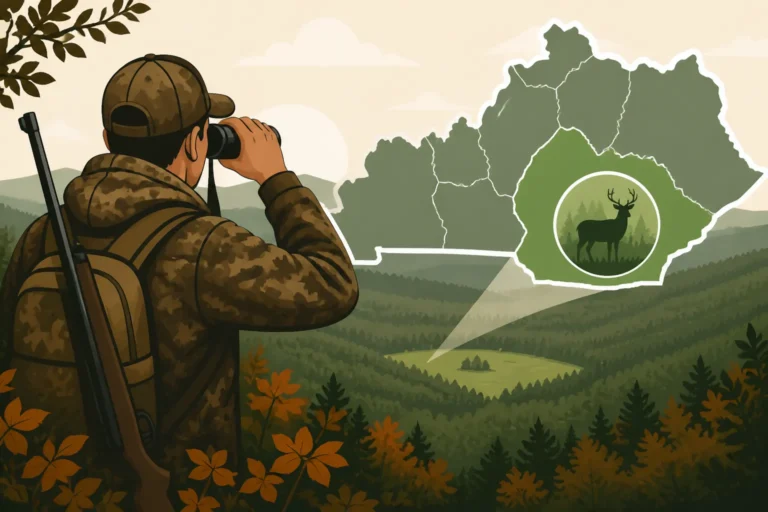
For many Kentucky hunters, the Land Between the Lakes (LBL) in Trigg County holds a special allure. It's a vast expanse of public land, promising diverse hunting opportunities. But let's be honest, navigating the unique regulations, permits, and access points for a federal property that straddles state lines can feel like a maze, leaving many seasoned hunters scratching their heads. This guide is here to untangle that complexity, focusing specifically on how you can gain access and successfully hunt within the Trigg County portion of this incredible resource.
Understanding Land Between the Lakes (LBL) Access in Trigg County
The Land Between the Lakes National Recreation Area is truly a gem, a sprawling peninsula bordered by Kentucky Lake and Lake Barkley. What often confuses hunters is that LBL isn't managed solely by the Kentucky Department of Fish and Wildlife Resources (KDFWR) like state wildlife management areas. Instead, it falls under the purview of the USDA Forest Service, which means there's a unique blend of state and federal rules to consider. This dual management can be a real headache if you're not prepared, making it feel like you need a law degree just to figure out where you can park your truck.
Within Kentucky, LBL spans both Lyon and Trigg counties. Our focus here is on the Trigg County side, which offers a mix of habitats ranging from rolling timberlands to bottomland areas near the lakes, all of which present unique hunting scenarios. This federal oversight means that while your general Kentucky hunting license is a must, you'll also need to comply with specific LBL-issued permits and rules. Ignoring these extra layers of regulation isn't just a minor oversight; it can lead to frustrating encounters with law enforcement and ruin a perfectly good hunting trip.
Accessing the Trigg County portion of LBL typically involves using the main arterial roads, such as US-68/KY-80, which runs east-west through the peninsula, or various smaller paved and gravel roads that spiderweb off into the interior. Specific boat ramps also provide direct access to the lake shorelines, opening up opportunities for waterfowl or reaching secluded timber pockets. Understanding these entry points is the first step, but just as critical is knowing the designated hunt zones, safety zones around developed areas, and any temporary closures that the Forest Service might implement for timber operations or other management activities. It's not enough to just pull off the road; you need to know where you are allowed to pull off and what you can do once you're there.
The Unique Nature of LBL and its Boundaries
Land Between the Lakes isn't just another patch of woods; it’s a national recreation area, managed by the USDA Forest Service, which gives it a different flavor compared to your typical state-run WMA. This distinction is crucial because it means that while KDFWR sets statewide hunting seasons and bag limits, LBL often has its own set of rules that overlay or sometimes even supersede state regulations, especially when it comes to specific hunt dates, zones, or permit requirements. Think of it as Kentucky's rules being the general framework, but LBL adds a few extra floors and hallways to the building. This can be particularly frustrating when you're used to the straightforward guidelines of a state-managed area and suddenly have to contend with additional federal layers.
The sheer size of LBL, encompassing over 170,000 acres, means that within Trigg County alone, you're looking at a substantial amount of land to explore. Much of this terrain is a mosaic of mature hardwood forests, pine plantations, open fields, and numerous small ponds and creeks, all influenced by the surrounding waters of Kentucky Lake and Lake Barkley. This diverse habitat is what makes LBL so appealing for a variety of game, but it also means that "access" isn't just about driving in; it's about understanding which types of habitat are available in which hunt zones, and how to reach them. Many hunters find that the most productive areas require a good hike away from the road, making initial access and knowing the lay of the land even more critical.
Because it's a national recreation area, LBL also balances hunting with other recreational activities like camping, hiking, and even horseback riding. This means that certain areas are designated "safety zones" or "recreation zones" where hunting is prohibited or highly restricted. You absolutely cannot assume that every acre of public land within LBL is open to hunting. Always consult the most current LBL Hunting and Trapping Guide and maps to identify these areas. These maps will clearly delineate huntable zones from no-hunt zones, helping you avoid accidental trespassing into areas where you're not allowed to carry a firearm or bow, which is a mistake no one wants to make.
Key Entry Points and General Regulations for Trigg County
Accessing the Trigg County side of Land Between the Lakes is primarily facilitated by a network of paved and gravel roads. The main thoroughfare is The Trace, which runs north-south through the heart of LBL, offering numerous turn-offs into the woods. While The Trace itself is generally easy to navigate, many of the smaller, unpaved Forest Service roads that branch off it can be rugged, especially during wet weather, so a reliable vehicle is certainly a plus. Always be mindful of road conditions and any seasonal closures that might restrict vehicle access to certain areas, as the Forest Service does close roads periodically for maintenance or to protect wildlife.
Beyond vehicular access, the numerous embayments and coves along Kentucky Lake and Lake Barkley provide excellent opportunities for boat access. For waterfowl hunters, or those looking to reach secluded deer and turkey haunts far from road noise, launching a boat can open up entirely new territories within Trigg County's LBL. There are several public boat ramps available, but always check the specific regulations for hunting from a boat or within close proximity to waterways. Some areas might have restrictions on discharge of firearms near certain recreational boat traffic or developed areas, and it’s always wise to err on the side of caution.
General LBL regulations, apart from hunting specifics, are also important to heed. For instance, camping is allowed in designated campgrounds or dispersed camping areas, but specific rules apply regarding fire, trash, and length of stay. While LBL is federal land, state laws regarding things like littering, drug use, and public intoxication are still in full effect. It’s also important to remember that most of LBL is timbered, and fallen timber may be removed only with a permit. These general rules are in place to preserve the resource for everyone, and adhering to them ensures a smoother experience for all users, including hunters. Always carry a copy of the LBL Visitor Map and their annual hunting guide for quick reference, as these documents are invaluable when trying to navigate the area's many nuances.
Navigating Hunting Permits and Rules for LBL in Trigg County
Hunting LBL isn't like hunting any other public land in Kentucky. You can't just show up with your statewide license and assume you're good to go. This is a federal facility, and that means extra hoops to jump through. I've seen countless hunters get frustrated because they thought their standard Kentucky license was all they needed, only to find out at the last minute they were missing a critical LBL-specific permit. It's an easy mistake to make, but it's one that can definitely cost you time and money, and nobody wants to drive all the way to their hunting spot just to find out they can't legally step foot in the woods.
The rules for LBL are designed to manage the significant hunting pressure this popular area receives, as well as to achieve specific wildlife management goals. These rules can change annually, so relying on what you remember from five years ago is a recipe for trouble. For instance, some areas within Trigg County's LBL might be part of a quota hunt for deer, requiring a special drawing and permit, while others might be open to general hunting with an LBL-specific permit purchase. There are also designated safety zones around campgrounds, picnic areas, and other developed sites where hunting is strictly prohibited. Understanding these distinctions is not just about staying legal; it's about staying safe and respectful of other LBL users.
One of the biggest differences is the requirement for a separate LBL hunting permit. This isn't just a formality; it's a necessary step to ensure compliance with federal management objectives. You'll typically purchase this permit directly from the LBL administrative office or approved vendors, often online. Think of it as a special access pass for this particular hunting club. Without it, even with a valid Kentucky hunting license and appropriate tags, you're technically hunting illegally on federal property. This added layer of bureaucracy can feel like a chore, but it's part of the deal when you're hunting such a unique and heavily-managed area.
Kentucky vs. LBL Specific Permits
Let's clear up a common misconception right off the bat: merely possessing a valid Kentucky Hunting Licenses and What They Cost is not enough to legally hunt within Land Between the Lakes in Trigg County. While your Kentucky license forms the foundational requirement, you absolutely must obtain an additional, LBL-specific hunting permit. This is a critical point that trips up many hunters, especially those new to the area or accustomed to hunting only state-managed properties. The Forest Service manages LBL as a distinct entity, and their permit system reflects that unique oversight. Don't let this catch you off guard; plan ahead to secure both your state license and the necessary LBL permit.
The LBL permit itself typically comes in different forms. There's a general hunting and trapping permit that covers most open-hunting areas and species. However, LBL also hosts special quota hunts for specific game species, most notably for deer, in certain zones or during particular seasons. These quota hunts require a separate application process and a draw, meaning you might not even get a permit even if you apply. It's vital to check the annual LBL Hunting and Trapping Guide well in advance to understand which type of permit you need for your desired hunt in the Trigg County zones. Missing these deadlines or applying for the wrong type of permit is a common pitfall that can derail your entire season.
Purchasing your LBL permit is usually done through the LBL website or at the LBL Visitor Center. Unlike the KDFWR portal for state licenses, the LBL permit system is entirely separate. This often means remembering another login, another payment portal, and another set of rules. However, for a place as special as LBL, taking these extra steps is definitely worth it. Remember, these permits are not just about revenue; they're about managing hunter numbers and ensuring sustainable populations of game animals across the vast landscape. Always carry both your Kentucky hunting license and your LBL permit on your person while hunting within the recreation area, as compliance checks are routine.
Understanding LBL Hunt Zones and Special Regulations
LBL is a massive area, and to effectively manage hunting pressure and wildlife populations, it's divided into distinct hunt zones. For hunters focusing on Trigg County, it’s imperative to identify which zones fall within the county and what specific regulations apply to each. These zones often have varying open dates, bag limits, and even weapon restrictions that can differ from statewide Kentucky rules, especially for deer and turkey. Failing to understand these zone-specific nuances can quickly turn a legal hunt into a violation. You wouldn't want to unknowingly be hunting in a limited quota zone when you only have a general permit, or using a weapon not allowed for that particular area or season.
For instance, while Kentucky Deer Season Structure Explained provides the statewide framework, LBL's internal zones might have different archery, muzzleloader, or modern gun dates, or even specific antlerless deer limits within those zones. Some zones might be entirely closed during certain periods, or restricted to archery-only to manage localized pressure. These zone maps are usually found in the annual LBL hunting guide and are critical for planning your trip. It's not uncommon for a road to serve as a boundary between two zones with entirely different rules, so having a good map, like one provided by onX Hunt, which clearly delineates these boundaries, is non-negotiable.
Beyond hunt zones, LBL also implements special regulations that are worth noting. Blaze orange requirements, for example, may have different specifications or apply during different periods than statewide rules, particularly during gun seasons. There might also be rules about the placement and type of treestands you can use on federal property, or restrictions on baiting that differ from what you might be accustomed to elsewhere in Kentucky. Always verify the latest information in the current LBL Hunting and Trapping Guide. This guide will also detail any Kentucky Deer Harvest Reporting Rules specific to LBL, which might involve reporting to an LBL check station in addition to the KDFWR Telecheck system. It’s a lot to keep track of, but the depth of information available is there to help you succeed.
Practical Access Strategies and Tools for Trigg County LBL Hunting
Hunting in Trigg County's LBL offers a fantastic opportunity to immerse yourself in wild Kentucky. However, it's a big place, and simply showing up can feel overwhelming. Without a solid plan for accessing and navigating the terrain, you might spend more time wandering than hunting. This is where practical strategies and modern tools really shine, transforming a potentially frustrating experience into an efficient and enjoyable one. I've learned over the years that preparation is half the battle, especially when you're dealing with vast public lands like LBL.
One of the best strategies for LBL is to focus on areas that are less accessible to the casual hunter. That might mean walking a little further, or using a boat to access remote coves along Kentucky Lake or Lake Barkley. Pressure from other hunters is a real factor, especially during peak seasons, and if you're not willing to put in a little extra effort to get away from the roads, you'll likely be hunting over someone else's tracks. This isn't just about finding game; it's about finding quality hunting experiences away from the crowds, something that becomes increasingly important on popular public lands.
Modern technology has also revolutionized how we access and scout these areas. Gone are the days of relying solely on paper maps that might be outdated or lack crucial details. Now, with powerful mapping applications and digital resources, we can gain a significant edge. These tools not only show you the physical layout of the land but can also help you understand property boundaries, identify prime habitat features, and even track your movements in the field, ensuring you're always aware of your location and staying within legal hunting zones.
Utilizing Mapping Tools for LBL Access
When it comes to navigating Land Between the Lakes in Trigg County, especially the vast interior, reliable mapping tools are an absolute game-changer. Forget about fumbling with folded paper maps that get soaked in the rain or tear at the creases. Digital mapping applications like onX Hunt have become indispensable for serious hunters. These apps overlay property lines, public land boundaries, roads (including many unmaintained forest roads), trails, and topographic features right on your smartphone or GPS device. For LBL, this means you can clearly see the designated hunt zones, identify safety zones around recreation areas, and pinpoint where your Kentucky hunting license and LBL permit grant you legal access.
Imagine you're scouting new ground in Trigg County LBL. With an app like onX Hunt, you can sit at home and meticulously plan your routes, identify potential bedding areas, food sources (like oak ridges for Reading a Ridge for Cumberland Deer), and travel corridors. You can drop waypoints for promising sign, parking spots, or even potential treestand locations. Once you're in the field, these apps provide real-time GPS tracking, showing your exact location on the map. This is incredibly useful for ensuring you don't inadvertently wander into a restricted area or onto private land adjacent to LBL, which can happen in some boundary areas. It's peace of mind wrapped up in a digital package.
Another fantastic resource is GoHunt, which, while often associated with Western big game, offers invaluable tools for understanding and dissecting public land opportunities. While their mapping features might overlap with onX Hunt, GoHunt excels in providing detailed information about hunt units, harvest statistics (where available), and land ownership data that can help you prioritize areas within Trigg County LBL. Combining the detailed mapping of onX Hunt with the analytical data of GoHunt creates a powerful scouting advantage, allowing you to make informed decisions about where to focus your time and effort. These tools help take the guesswork out of LBL hunting, making your time in the woods much more productive and enjoyable. Don't go without them.
Scouting and Foot Traffic Considerations
Scouting is paramount for success in Trigg County's LBL, and it’s a year-round commitment if you really want to learn the ground. The sheer size and varied terrain mean that you can’t simply drive in and expect to find prime hunting spots without putting in some legwork. Think about the landscape: you’ll encounter everything from steep, timbered ridges to flatter, sometimes swampy, bottomland areas near the lakes. Each type of terrain holds different appeal for various game species at different times of the year. This is why a good pre-season scouting routine is just as important as the hunt itself. For more general guidance, check out Scouting Kentucky Public Land Before Season.
When you're out scouting, look for obvious signs of game movement, such as well-worn trails, fresh rubs and scrapes (especially during the pre-rut and rut phases), and areas with abundant mast crops like acorns or persimmons. Water sources, even small ephemeral creeks or ponds, can be magnets for deer and turkey, particularly during drier periods. Don't be afraid to get off the beaten path. Most hunters stick close to roads and established trails, so pushing a quarter-mile or more into the timber can often put you into less pressured areas where deer feel more comfortable moving during daylight hours. This "foot traffic" effort is often the difference between seeing a few deer and having consistent encounters.
Consider the time of year you're scouting, too. During the spring and summer, you might identify turkey roosts or areas with abundant soft mast. In the fall, focus on hard mast production and transition areas where deer will move between bedding and feeding. Pay attention to prevailing winds and thermal currents, particularly on ridge tops and in hollows, as these will dictate your approach routes and stand placements during the actual hunt. And remember, LBL can be popular, so part of your scouting should be identifying areas that are naturally harder to access or further from main roads, which often translates to less hunter competition, even on busy days like Opening Weekend Crowds on Kentucky Public Land.
Challenges and Tips for Hunting LBL in Trigg County
Hunting Land Between the Lakes in Trigg County, while incredibly rewarding, isn't without its unique set of challenges. It's not a place for the faint of heart or the ill-prepared. The vastness of the area, combined with its popularity and distinct regulations, means you need to be strategic and smart about how you approach your hunt. Many hunters come to LBL with high hopes but leave frustrated because they underestimated these factors. Let's talk about how to anticipate these hurdles and turn them into opportunities for a more successful and enjoyable experience.
One of the biggest hurdles is simply getting around. While there are main roads, many of the interior Forest Service roads can be rough, and large sections of LBL require extensive walking. This means being physically prepared, having good footwear, and carrying all your essentials. The terrain itself can be unforgiving, with steep climbs and thick undergrowth in certain areas. It's a wilderness experience, and you need to treat it as such, bringing appropriate gear and a mindset ready for the effort.
Beyond the physical demands, the regulatory environment is a constant consideration. Between state laws and LBL-specific rules, staying compliant requires diligence. But don't let these challenges deter you. With the right approach, a bit of grit, and the proper tools, hunting LBL can be an unforgettable experience, connecting you to some of the wildest parts of Kentucky.
Managing Crowds and Hunter Pressure
It's no secret that Land Between the Lakes is a popular destination, and that popularity extends to its hunting opportunities. This means that, especially during peak seasons like the opening of modern gun season or the early archery weeks, hunter pressure can be a significant factor in Trigg County's LBL. You're not going to be alone out there, and acknowledging this is the first step to developing a successful strategy. Trying to compete with the crowds in the most easily accessible areas is often a recipe for frustration and seeing more blaze orange than whitetails.
To effectively manage crowds, you need to think like the game you're pursuing. Deer and turkey, being intelligent animals, will quickly adapt their behavior to avoid human disturbance. This often means they'll gravitate towards areas with less pressure, typically deeper in the woods, further from main roads, or in terrain that's more difficult for most hunters to navigate. So, your strategy should involve identifying these overlooked pockets. This might mean walking an extra mile or two further than the average hunter, or finding ways to access areas that are physically demanding, like steep hollows or dense thickets.
Another tactic is to hunt during off-peak times. While opening weekend always draws a crowd, the middle of the week, or later in the season (when many fair-weather hunters have packed it in), can offer a much more peaceful and productive experience. Also, consider the species you're targeting. While deer hunting draws the most attention, exploring opportunities for Grouse and Small Game Hunting in Kentucky or Waterfowl Hunting Kentucky Lakes and Rivers in less conventional LBL spots might lead you to areas with significantly less human presence. Using a boat to access otherwise unreachable lake shorelines or islands can also be a fantastic way to escape the terrestrial crowds in Trigg County.
Specific Game Species and Habitat in Trigg County LBL
Trigg County's portion of LBL boasts a rich diversity of habitats, making it a productive hunting ground for a variety of game species. The blend of mature hardwood forests, interspersed pine plantations, managed clearings, and the extensive lake shorelines create a mosaic that appeals to many animals. Understanding these habitat types and how they influence game movement is key to successful hunting here. It’s not just about finding any woods; it’s about finding the right woods for your target.
For White-Tailed Deer Across Kentucky, Trigg County LBL offers excellent opportunities. Deer thrive in the mixed timber, utilizing the dense pine thickets for bedding cover and moving into the oak-hickory forests and managed fields for forage. Focusing your efforts around edges where different habitat types meet – like a hardwood stand bordering a pine plantation, or a field edge next to thick timber – can be highly productive. During the early season, deer will often be found near water sources and lush vegetation. As the fall progresses, they'll key into hard mast crops. Hunting Western Kentucky Bottomland Deer might offer some relevant strategies for areas close to the lake or creek bottoms within LBL.
Wild turkeys are also abundant throughout Trigg County LBL, benefiting from the extensive timber and open areas. During Spring Turkey Hunting in Kentucky, gobblers can be found roosting in tall trees along ridge lines and flying down into clearings or open woods to strut and feed. Later in the season, hens will lead poults through thicker cover. Fall turkey hunting offers different tactics, often involving breaking up flocks and calling birds back in. Don't forget the opportunities for small game either. Squirrels are plentiful in the oak and hickory stands, while rabbits can be found in brushy areas and along fencerows. Waterfowl hunting also exists along the lake edges and smaller ponds, though it requires specific scouting for flight patterns and appropriate setup for those birds.
| Game Species | Primary Habitat Types in Trigg County LBL | Key Hunting Considerations |
|---|---|---|
| White-tailed Deer | Mixed hardwoods, pine plantations, dense thickets, field edges, creek bottoms | Focus on transition zones, mast crops, water sources. High pressure areas require deeper penetration. |
| Wild Turkey | Mature hardwoods, open clearings, ridge lines, creek bottoms | Roosting locations are key in spring; flock dynamics for fall. |
| Squirrel | Oak and Hickory forests, nut-producing areas | Look for active feeding signs (cuttings), hunt early mornings. |
| Rabbit | Brushy areas, fencerows, dense undergrowth, field edges | Often found near cover, good for hunting with dogs. |
| Waterfowl | Kentucky Lake/Lake Barkley embayments, small ponds, flooded timber (seasonal) | Requires scouting for flight paths and blind placement. Specific federal regulations apply. |
Disclaimer
This article is for general informational purposes only and does not constitute professional advice. Laws, prices and regulations vary by location and change over time. Consult a qualified professional for guidance on your specific situation.