How Far to Walk From a Forest Road
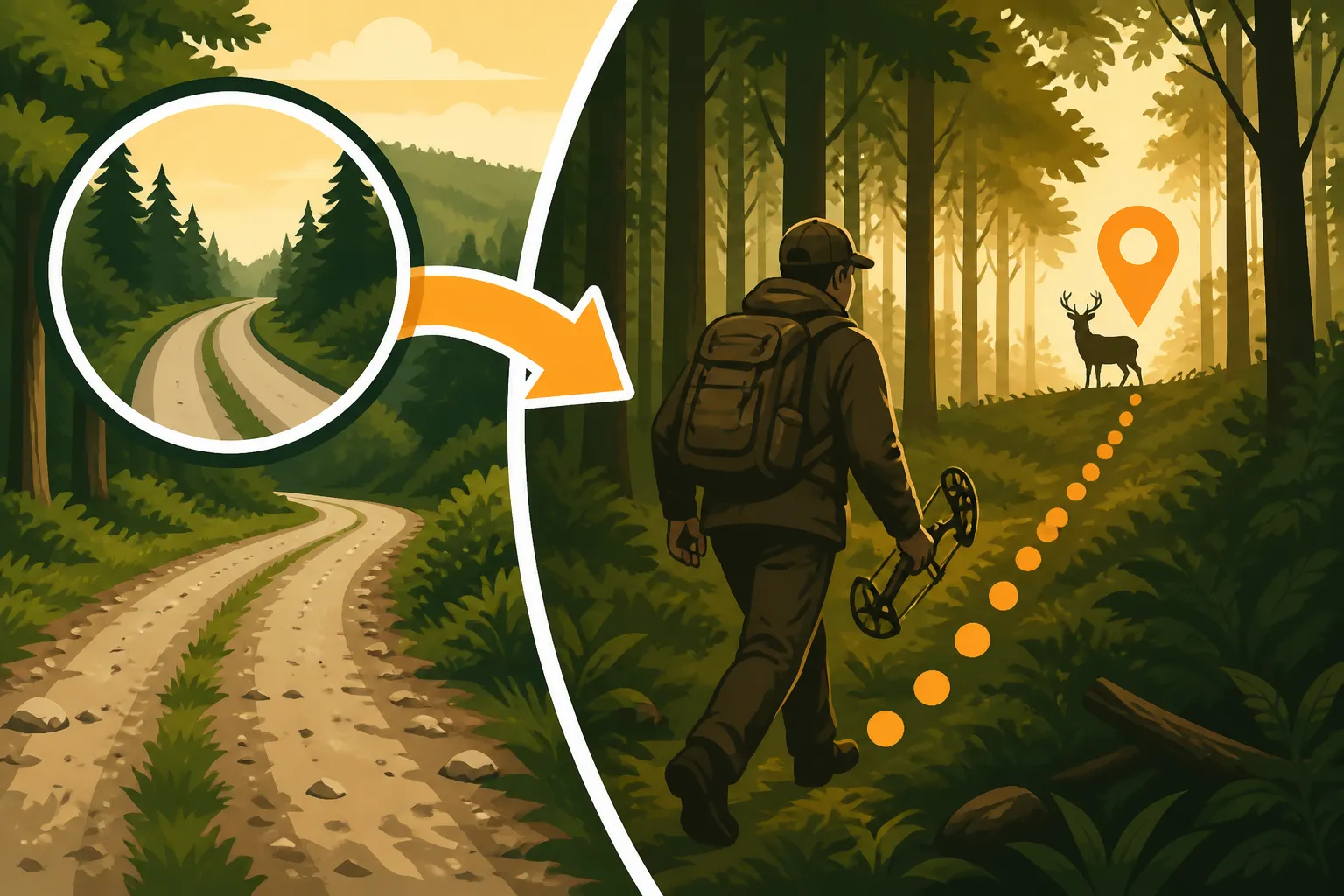
It's a familiar sight for anyone who hunts Kentucky's public lands, especially during modern gun season or opening weekend: trucks and cars lining the forest roads, sometimes for a mile in each direction. You pull up, hoping to find a quiet spot, only to realize you're surrounded by other hunters who had the exact same idea. This guide is all about helping you understand why walking further from those well-traveled forest roads is often the key to finding less pressured deer and more consistent success, and how to do it effectively.
The Harsh Reality of Roadside Hunting Pressure
Let's be honest, we all love convenience. Parking right off the road and taking a short stroll to a stand sounds ideal. But the truth is, everyone else thinks so too. Kentucky's public hunting areas, particularly those with good road access, see a tremendous amount of foot traffic, especially during peak seasons. This constant human presence fundamentally changes how deer behave, pushing them deeper into cover and away from the noise and scent of hunters. If you're consistently seeing few deer or only small, young animals near the roads, pressure is almost certainly the culprit.
Why the Easy Access Spots Get Hit Hardest
Think about it from a deer's perspective. Every morning and evening, countless hunters are walking in and out of the woods, slamming truck doors, talking, and leaving their scent trails. Deer are incredibly sensitive creatures, and they learn very quickly where danger lurks. Those nice, open stands of timber directly off a forest road, or that inviting field edge within a quarter-mile of the pavement? They're often scouted, hunted, and spooked repeatedly.
This isn't to say you can't harvest a deer close to a road, especially if you're hunting an anomaly like a dense, unappealing briar patch that everyone else avoids, or you're simply in the right place at the right time. But relying on these spots means you're almost always hunting pressured animals that are on high alert, moving mostly at night, or skirting the edges of the busiest areas. You're competing with a lot of other hunters for a limited number of deer that haven't been pushed out of the area yet.
Understanding the "Road Hunter" Mentality
The term "road hunter" isn't always fair, as it implies laziness. Often, it's about physical limitations, time constraints, or just a lack of knowledge about how far is far enough. Many hunters, especially newer ones, simply don't have the gear, the physical stamina, or the experience to comfortably venture miles into the backcountry. They stick to what they know, which is typically within a few hundred yards of their vehicle.
This common behavior creates a "buffer zone" around forest roads. Beyond this zone, the hunting pressure often drops off dramatically. If you can push past where most other hunters are willing to go, you significantly increase your odds of encountering deer that are less wary, more likely to move during daylight hours, and potentially larger. It's not about being the toughest, but about being strategic. You're looking for that sweet spot where the convenience of the road fades, and the wildness of the deeper woods truly begins. Finding Ground Others Walk Past is a principle that applies directly to this scenario.
Deciding How Deep to Go: Factors to Consider
There's no magic number for how far you must walk. It's not always a mile, or two, or three. The ideal distance is highly variable and depends on a mix of factors specific to your hunting location and the current conditions. Understanding these variables will help you make an informed decision on how far to push yourself on any given day.
Topography and Terrain as Your Ally (or Foe)
Kentucky is renowned for its diverse landscapes, from the rolling hills and deep hollows of Daniel Boone National Forest to the flat river bottoms of Western Kentucky. This terrain plays a huge role in how far you need to walk to escape pressure.
In mountainous or heavily timbered regions like Eastern Kentucky, a steep ridge or a deep, brushy hollow can be a barrier that deters many hunters. Sometimes, walking just a half-mile vertically or through incredibly dense, uninviting cover can put you miles away from the nearest hunter psychologically, even if you're not that far as the crow flies. Deer often use these difficult-to-traverse areas as sanctuaries. Conversely, flat, open woods might require a much longer horizontal walk to achieve the same sense of isolation, because walking is simply easier there. When Reading Aerial Photos for Eastern Kentucky Deer, look for those natural barriers that funnel or discourage human movement.
Consider also how terrain influences sound. A deep hollow or a thick pine stand can muffle sounds from the road or other hunters, making deer feel safer closer to the "edge" than they might in wide-open hardwood ridges.
Game Species and Their Tolerance for Pressure
While this guide focuses generally on deer, the species you're pursuing also dictates how far you might need to walk.
- Deer: Whitetails are incredibly adaptable but also keenly aware of human presence. Heavily pressured deer will move to the thickest cover, often far from roads, and become largely nocturnal. During the rut, however, bucks might make bold moves closer to roads as they search for does, offering a brief window of opportunity.
- Turkeys: Spring gobblers can be found relatively close to roads, especially if there's good roosting timber and food. However, as the season progresses and they get pressured, they'll often retreat to quieter, more remote areas. Fall turkeys, especially after initial pressure, can be found far from human disturbance.
- Small Game (Squirrels, Rabbits): These animals can often be found much closer to roads, as their home ranges are smaller and their tolerance for human activity is somewhat higher, especially if there's good forage and cover. You might not need to walk miles to find squirrels, but a little distance can get you away from other hunters and into more productive groves.
- Elk/Bear: If you're lucky enough to draw an elk or bear tag in Kentucky, these animals typically inhabit much larger, wilder landscapes. While you might find signs near roads, the most consistent success often comes from venturing deep into their preferred, remote habitats. Hunting Kentucky's Record Elk Herd or Bear Hunting Southeastern Kentucky often involves significant hiking.
Time of Year and Season Specifics
The calendar itself dictates deer movement and hunter pressure, which in turn influences how far you need to walk.
- Early Archery Season (September): With lush foliage and milder temperatures, deer often hold tight in thick cover. Pressure can be lower than gun season, meaning a shorter walk might suffice, especially if you're targeting a specific food source. However, warm weather also means field dressing and packing out a deer becomes a bigger concern the deeper you go.
- The Rut (Late October/Early November): This is a unique time. While there's immense hunter pressure, bucks are actively seeking does and sometimes throw caution to the wind. You might catch a rutting buck cruising a timber edge surprisingly close to a road. However, the does are still pressured, and often the biggest, oldest bucks are found where does feel safest—deeper in. Hunting the Rut in Early November involves understanding this dynamic.
- Modern Gun Season (November): This is peak pressure time. Expect hunters everywhere. To truly get away from the orange army, you often need to walk significantly further than during archery season. Deer will be pushed into the thickest, nastiest cover and the most remote hollows they can find.
- Late Season (December/January): After the gun season, pressure subsides, but deer are also highly educated and seeking winter food sources and thermal cover. You might not need to walk as far to escape other hunters, but you might need to walk a considerable distance to find the specific food and cover deer are using, which could be far from roads in unharvested fields or sheltered draws. Hunting the Late-Season January Lull benefits from scouting these specific late-season patterns.
Here's a quick summary table of how these factors might influence your walking distance:
| Factor | Closer to Road (less walking) | Deeper into Woods (more walking) |
|---|---|---|
| Terrain | Thick, undesirable cover; steep, difficult access; open clearings | Easy walking; gentle slopes; dense, uniform timber |
| Species | Small game; pressured turkeys (early season); rutting bucks | Unpressured deer; late-season turkeys; elk/bear |
| Season | Early archery (low pressure); rut (bucks sometimes reckless) | Modern gun season (high pressure); late-season (food sources) |
| Hunter Density | High (e.g., opening weekend, easy access points) | Low (e.g., mid-week, difficult terrain, long walk-ins) |
Practical Strategies for Venturing Deeper
Deciding to walk further is one thing; executing it effectively is another. It requires planning, the right tools, and an understanding of how to make those long walks count.
Utilizing Mapping Tools for Strategic Access
Before you even step foot in the woods, modern mapping applications are your best friend. Tools like onX Hunt or GoHunt allow you to scrutinize aerial imagery, topographical maps, and public/private land boundaries from the comfort of your home.
Here's how to use them:
- Identify Remote Access Points: Don't just look for the obvious parking areas. Zoom in and look for logging roads, old two-tracks, or even faint trails that might not be visible from the main road, but could get you a bit further in before you start hiking. Remember to verify public access on these.
- Pinpoint Terrain Features: Look for natural funnels like saddles, pinch points between ridges, or narrow strips of timber connecting larger blocks of cover. Also, identify areas of thick, nasty cover that look unappealing to other hunters – these are often deer magnets. Hunting a Funnel Between Two Hollows is a classic strategy that relies on knowing the terrain.
- Find Water Sources and Bedding Areas: Deer need water and safe places to bed. Look for creek bottoms, small ponds, or thick stands of pines or cedars that offer thermal cover, especially on north-facing slopes in winter. These areas, particularly if they are tucked far away from roads, can be gold mines.
- Scout from Above: Before you burn boot leather, mark potential stand locations or travel routes on your app. Look for benches on hillsides, hidden draws, or areas where timber changes density. This virtual scouting helps minimize wasted steps once you're on the ground.
- Offline Maps: Crucially, download offline maps to your phone before you go. Cell service is notoriously spotty in many of Kentucky's deeper public lands, especially in the hollows of Daniel Boone National Forest. Having those maps downloaded means you can still navigate even without a signal. Scouting With the Kentucky Hunt Fish App is another great tool for this, offering detailed WMA information.
Packing Smart for the Long Haul
Walking miles into the woods means every ounce counts. You need essential gear, but you also need to avoid overpacking.
- Hydration and Snacks: This is non-negotiable. Carry enough water for your walk in, the duration of your sit, and your walk out. High-energy snacks like trail mix, jerky, or energy bars are crucial for maintaining stamina.
- Navigation: Your phone with downloaded maps (like onX Hunt) should be your primary tool, but a physical compass and map are invaluable backups. A portable charger for your phone is also a lifesaver.
- First Aid Kit: A compact kit with essentials for blisters, cuts, and minor injuries is a must. You're a long way from help if something goes wrong.
- Comfort for the Sit: A lightweight, comfortable seat cushion or small pad can make a long sit much more bearable. Don't underestimate how much a bit of comfort can help you stay on stand longer.
- Game Processing Tools: If you're successful, you'll need a good field dressing knife, game bags, and perhaps a small saw. Consider how you'll get the animal out. If you're going miles deep, the gutless method and quartering the animal out into a frame pack might be your best option. Check out Packs for a Daniel Boone Forest Day Hunt for ideas on what to carry.
- Appropriate Footwear: This might seem obvious, but comfortable, broken-in boots with good ankle support are paramount. Wet feet can ruin a hunt and cause serious problems. Boots for Kentucky Hollows and Creek Bottoms are designed for this kind of rigorous terrain.
The Art of the Quiet Entry and Exit
Walking further is only half the battle; getting in and out without spooking every deer in the county is the other.
- Timing is Everything: Plan your entry to arrive well before daylight. This allows you to navigate slowly and quietly to your stand, letting the woods settle before deer start moving. For your exit, wait until after dark, or at least until deer have moved off to bed.
- Wind and Thermals: Always, always, always play the wind. When walking deep, a swirling wind can carry your scent far. Utilize topographical maps to understand how thermals will move your scent. In the morning, thermals typically pull scent uphill; in the evening, they push it downhill. Plan your entry and exit routes to take advantage of these patterns, even if it means a slightly longer walk. Wind and Thermals on a Kentucky Ridge is crucial reading for this.
- Stealthy Movement: Move slowly and deliberately. Watch where you step, avoiding crunchy leaves, snapping twigs, and noisy patches of briars whenever possible. Use natural cover to break up your silhouette. Minimize talking and metallic clanging from gear.
- "Ghosting In": Try to get to your spot completely undetected. This means not only being quiet but also moving along natural breaks in terrain, like creek beds, the bottom of hollows, or along the back of a ridge, rather than skylining yourself. The idea is to leave as little trace of your presence as possible until you're settled in your stand.
- Extraction Plan: Before you even leave your truck, have a plan for getting a deer out if you're successful. A deer sled or a game cart might be viable for relatively flat stretches, but in steep, rugged terrain, you might be looking at quartering the animal and packing it out. Consider bringing a buddy for deeper excursions; it makes extraction infinitely easier. Sleds and Drags for Ridge Country covers options for this.
Disclaimer
This article is for general informational purposes only and does not constitute professional advice. Laws, prices and regulations vary by location and change over time. Consult a qualified professional for guidance on your specific situation.