Barren River Lake Public Hunting Access
It's incredibly frustrating when you're trying to find quality public land to hunt in Kentucky, only to encounter conflicting information or areas that are clearly overcrowded. You need reliable details to make the most of your time afield. This comprehensive guide is designed to cut through the confusion and provide you with actionable insights into hunting the public access areas around Barren River Lake, helping you plan a successful and enjoyable trip.
Understanding Barren River Lake's Public Hunting Lands
Barren River Lake, nestled in the rolling hills of south-central Kentucky, offers a diverse array of public hunting opportunities that are often overlooked by hunters focused on larger, more prominent public areas. It's a significant resource for those willing to do a bit of homework and scouting.
Overview of the Area and Available Acreage
Barren River Lake is a U.S. Army Corps of Engineers (USACE) project, and a considerable amount of the land surrounding its shores is designated for public use, including hunting. The lake itself is expansive, covering thousands of acres, but the public hunting lands are primarily found within the "fee title" boundary managed by the USACE. These areas consist of a varied landscape: mature hardwood forests, dense cedar thickets, brushy old fields reverting to timber, and winding creek bottoms that feed into the lake. While the exact acreage available for hunting isn't always contiguous or easily summarized by a single number, it's substantial enough to provide ample room for hunters seeking solitude and diverse habitat. You'll find pockets of public ground interspersed with private holdings, which makes understanding the boundaries absolutely crucial. The topography can range from gently sloping hills to more abrupt bluffs overlooking the water, offering a mix of challenges and opportunities for different hunting styles.
Permitted Game Species
The primary draw for many hunters at Barren River Lake is the healthy population of white-tailed deer. The mix of habitat—from dense bedding cover to oak ridges providing mast—creates excellent conditions for deer to thrive. You'll find both antlered and antlerless deer, with success often hinging on identifying key travel corridors between bedding and feeding areas. Beyond deer, the lake region is also home to a good number of wild turkeys, particularly in the spring. These birds often roost along the mature timber lines near water or in deep hollows, and their presence adds another exciting dimension to the hunting season. For those interested in Kentucky Small Game and Furbearers, squirrel and rabbit populations are generally robust in the wooded and brushy areas, offering year-round opportunities. Given the lake environment, waterfowl hunting can also be a possibility, especially along the numerous fingers and embayments when water levels are conducive, though this often requires specialized gear and scouting for flight paths. Finally, coyotes are abundant throughout the area, providing an open season challenge and an important role in wildlife management.
Navigating Access and Regulations
Hunting public land successfully, especially around a major recreational lake like Barren River, hinges on a clear understanding of where you can go and what rules you need to follow. It's not always as simple as seeing "public land" on a map and assuming everything is fair game.
Locating Public Hunting Portions
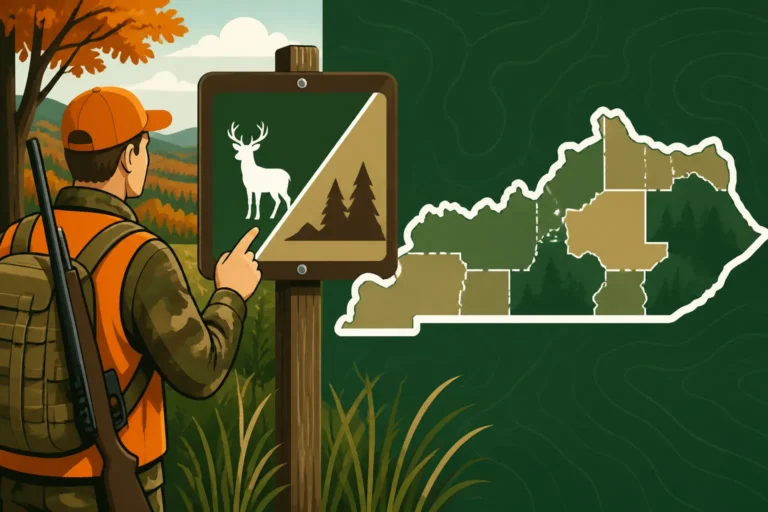
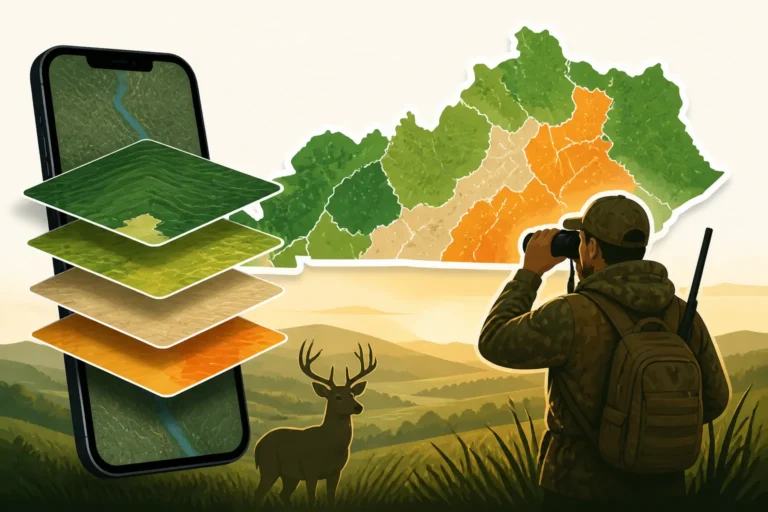
One of the biggest hurdles for new hunters to Barren River Lake's public lands is distinguishing the huntable areas from private property, developed recreation zones, or state park lands that have different regulations. Not all USACE-managed land is open to hunting, and you'll find private tracts interwoven with the public access points. This is where modern mapping technology becomes an absolute game-changer. Tools like onX Hunt are invaluable for visualizing public and private land boundaries directly on your phone or GPS device. They allow you to overlay property ownership information, ensuring you know exactly where you stand and avoiding accidental trespassing. Beyond digital maps, it's always a good idea to consult official Kentucky Department of Fish and Wildlife Resources (KDFWR) maps or specific USACE land use maps for the Barren River Lake area. These can sometimes highlight designated hunting zones or areas with specific restrictions. Always double-check any signs on the ground, as they can indicate local rules or recent changes. Using the Kentucky Hunt Fish Map Tool can be a great starting point for familiarizing yourself with the general layout before diving into more detailed mapping applications.
Specific Hunting Regulations at Barren River Lake
While the general statewide Kentucky Deer Season Structure Explained and other species regulations apply to Barren River Lake's public hunting lands, there can sometimes be localized nuances. It's paramount to consult the current KDFWR hunting guide for any area-specific rules that might pertain to USACE lands or any state-managed parcels adjacent to the lake. Key regulations to always keep in mind include mandatory blaze orange requirements during certain firearm seasons, especially for deer, and completing your Kentucky Hunter Education Requirements if you fall within the age guidelines. Be aware of any special weapon restrictions or limitations on ATV use. For instance, some areas might be archery-only, or have specific restrictions on the use of modern firearms during certain periods to manage game populations or minimize conflicts with other recreational users. Waterfowl hunting often has its own set of rules regarding blind placement and retrieval, so if you're targeting ducks or geese, dive deep into those specific regulations.
Vehicle, Camping, and Treestand Rules
When hunting public land, understanding the rules for vehicles, camping, and treestands is critical to avoid citations and maintain access for everyone. Generally, motorized vehicles are restricted to designated roads and parking areas; venturing off-road into the timber for game retrieval is usually prohibited and can lead to serious fines. For camping, some areas might allow dispersed primitive camping, while others require use of developed campgrounds. Always look for signage or check with the USACE office directly for specific camping policies on the land you plan to hunt.
Treestand usage is another area where regulations can vary. On most Kentucky public lands, including those around Barren River Lake, it's generally required that portable treestands be removed at the end of each hunting day, or at least at the end of the season. Permanent stands, screw-in steps, or anything that causes damage to trees are almost universally prohibited. This is designed to protect the timber resource and ensure fairness among hunters. Always use a full-body harness when in a treestand, as safety is paramount. Speaking of safety, be mindful of any rules regarding trail cameras. While often permitted, some public lands have specific guidelines on their placement or require them to be marked with your contact information. Lastly, check for any rules on baiting or feeding deer, which is generally prohibited on public lands. For more general guidelines on how to use treestands responsibly, you might find information in Treestand Rules on Kentucky Public Land.
Strategies for Success at Barren River Lake
Hunting public land is about more than just knowing the rules; it's about outsmarting the game and often, other hunters. Barren River Lake presents unique challenges and rewards that favor the prepared and persistent.
Scouting and Habitat Interpretation
Effective scouting is your most potent weapon when hunting Barren River Lake. Before the season even begins, dedicate time to physically explore the public hunting zones. Start by pouring over aerial maps using platforms like onX Hunt or GoHunt. These apps provide invaluable satellite imagery that can reveal hidden clearings, distinct timber changes, logging roads, and subtle topographical features like saddles and benches that act as natural funnels for deer. Look for areas of dense cover where deer might bed, and identify potential food sources such as oak stands for acorns or brushy areas for browse. Pay attention to how the lake's fingers and creeks could create pinch points in the terrain.
Once you've identified promising areas on the map, hit the ground. Look for fresh deer sign: tracks, droppings, rubs, and scrapes. During the spring, scout for turkey sign like droppings, feathers, and strut marks. Understanding how water levels fluctuate can also be key, especially for waterfowl or deer utilizing creek bottoms. Low water might open up new access points or expose valuable browse, while high water could push deer to higher ground. Understanding Scouting Kentucky Public Land Before Season will give you a solid foundation for your pre-hunt preparation.
Dealing with Hunting Pressure
Let's be realistic: if you're hunting public land, you're going to encounter other hunters. Barren River Lake is no exception, especially on opening weekends or during the peak of the rut. The key to success often lies in mitigating the impact of this pressure. One common strategy is to simply walk further. Most hunters tend to stick close to roads and easy access points. By pushing a quarter-mile, a half-mile, or even a mile deeper into the woods, you can often find untouched pockets of deer and turkey. This isn't just about physical distance; it's about navigating tougher terrain that discourages others. Look for steep ravines, dense thickets, or areas that require crossing water – places other hunters might bypass.
Another approach is to hunt during weekdays when pressure typically subsides. Mornings, especially very early ones, can also offer a window of opportunity before other hunters are fully settled. Stealth is critical. Plan your entry and exit routes carefully, minimizing disturbance. If you notice other vehicles parked at a common access point, consider finding an alternative or pushing in a different direction. Hunting Pressure on Kentucky Public Land discusses more strategies for navigating these shared spaces. Remember, deer and turkeys on pressured land quickly learn to avoid high-traffic areas, so finding those quieter spots is paramount.
Adaptable Tactics for Diverse Terrain
The varied terrain around Barren River Lake demands adaptable hunting tactics. You won't find a one-size-fits-all approach here. For instance, in the thick bottomlands and creek drainages, still-hunting can be incredibly effective. Moving slowly, pausing frequently, and using the natural cover to your advantage can allow you to intercept deer moving between bedding and feeding areas. If you're targeting deer in these areas, understanding tactics like Hunting Western Kentucky Bottomland Deer will be very beneficial.
On the other hand, if you're in an area with a good field edge or a natural pinch point, setting up a ground blind can be an excellent strategy, especially if you can brush it in effectively to blend with the surroundings. Using a Ground Blind on Kentucky Public Land can provide advantages in certain situations, offering concealment and comfort, particularly for longer sits or when hunting with youth. For rutting bucks, focusing on ridge-top saddles, creek crossings, or areas with fresh scrape lines can be highly productive. During the early November rut, rattling and grunting can sometimes draw in curious bucks, especially if you've done your scouting and know there are deer in the area. Always adapt your approach based on the specific habitat, the time of year, and the observed animal behavior.
Here's a quick reference for planning your hunt at Barren River Lake:
| Aspect | Key Considerations |
|---|---|
| Primary Game | Deer, Turkey, Squirrel, Rabbit, Waterfowl (seasonal), Coyote |
| Terrain Types | Hardwood forests, cedar thickets, old fields, creek bottoms, lake edges |
| Access | USACE-managed land interspersed with private; use mapping apps (onX Hunt) |
| Regulations | Statewide KDFWR rules apply, check for local USACE specifics; blaze orange req. |
| Vehicle Use | Restricted to designated roads; no off-road vehicle use for retrieval |
| Treestands | Portable stands generally allowed, must be removed daily/seasonally; no damage |
| Camping | Consult USACE for primitive camping rules; developed campgrounds available |
| Scouting | Essential for finding sign, funnels, and avoiding pressure; use GoHunt for intel |
| Pressure | Expect it, especially near easy access; walk further, hunt weekdays |
| Tactics | Adapt to terrain: still-hunt bottoms, blinds on edges, focus on pinch points |
Barren River Lake offers Kentucky hunters a fantastic opportunity to chase a variety of game across diverse public landscapes. With diligent scouting, adherence to regulations, and adaptable tactics, you can carve out your own piece of success in this beautiful part of the Commonwealth. Always prioritize safety, respect the land, and enjoy the experience of being out in Kentucky's wild spaces.
Disclaimer
This article is for general informational purposes only and does not constitute professional advice. Laws, prices and regulations vary by location and change over time. Consult a qualified professional for guidance on your specific situation.