Green River Lake Public Hunting Ground
Finding quality public land to hunt in Kentucky can feel like a daunting task, especially when you're trying to escape the crowds and discover productive habitat. Hunters often struggle to pinpoint areas that offer diverse game opportunities and accessible terrain without feeling overly pressured. This comprehensive guide will walk you through everything you need to know about the Green River Lake Public Hunting Ground, helping you understand its unique characteristics, navigate regulations, and develop effective strategies for a successful hunt.
Understanding Green River Lake Public Hunting Ground
The Green River Lake Public Hunting Ground (PHG) is a gem for Kentucky hunters, offering a significant amount of public access around one of the state's most beloved impoundments. It's a place where the landscape tells a story of water, timber, and diverse wildlife, presenting unique challenges and rewards for those willing to learn its secrets.
A Landscape Shaped by Water and Wildlife
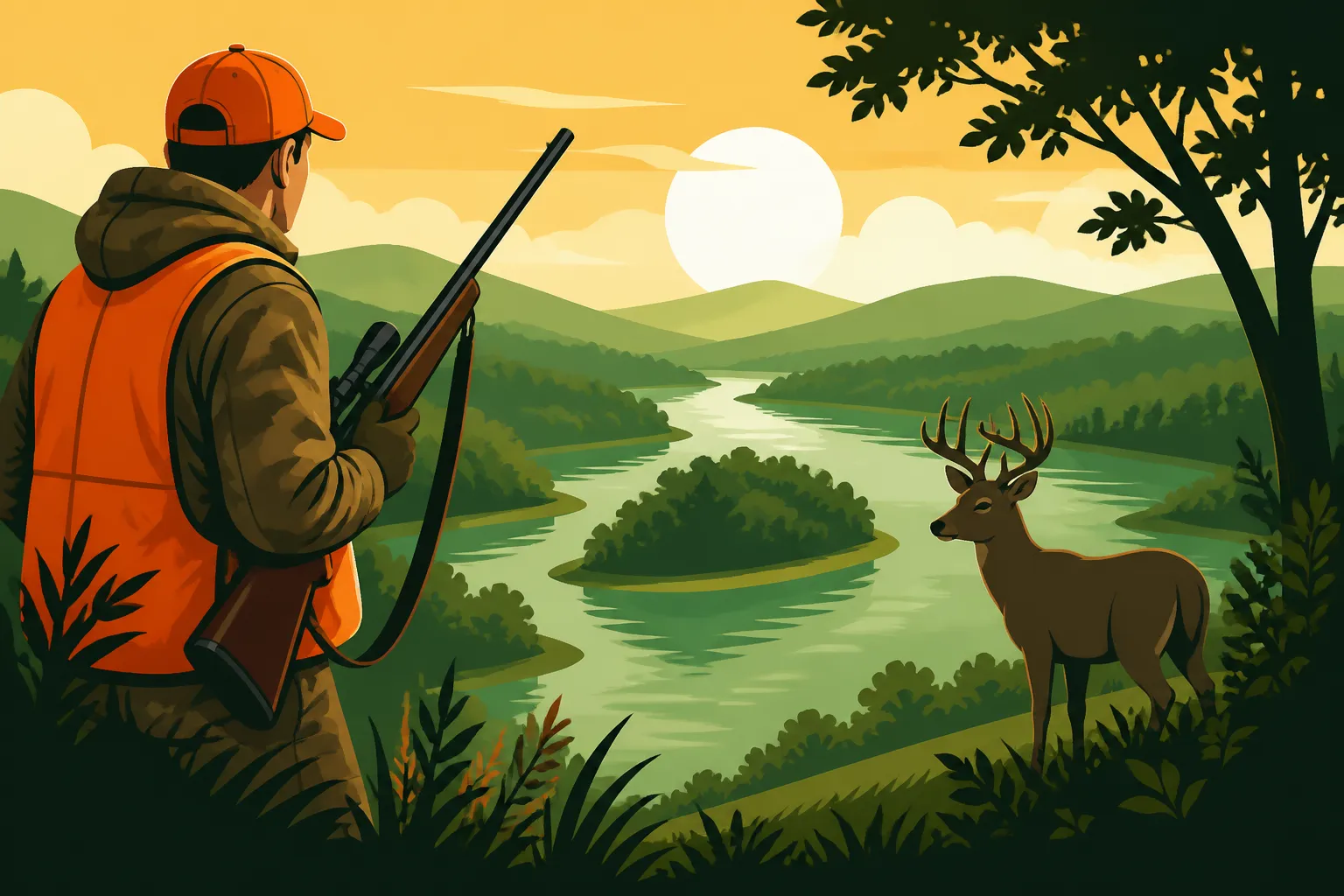
Green River Lake itself is the lifeblood of this hunting ground, influencing everything from the terrain to the wildlife patterns. Managed in part by the U.S. Army Corps of Engineers for flood control and recreation, the fluctuating water levels create dynamic shorelines, mud flats, and areas of dense vegetation that can change dramatically from season to season. You'll find a mosaic of habitat here: towering mature hardwoods on higher ground, thick cedar groves offering crucial winter cover, brushy transition zones, and lowland areas prone to flooding that become prime feeding spots when the water recedes. The topography ranges from gently rolling hills to steeper, rugged sections, particularly where tributaries feed into the lake. This diverse landscape supports a robust ecosystem, making it a hotspot for various game species throughout the year.
Think about how the lake acts as a massive funnel for deer moving between bedding and feeding areas. During periods of lower water, those exposed mud flats can reveal heavily used trails that are otherwise submerged, offering a unique scouting opportunity. Similarly, the abundant mast crops from oak and hickory trees in the mature timber provide vital food sources, drawing deer and turkeys to specific areas depending on the annual acorn yield. Understanding this interplay between water levels, timber type, and food availability is key to unraveling the hunting potential of Green River Lake PHG.
Size and Scope of the Hunting Opportunity
The Green River Lake Public Hunting Ground encompasses a substantial acreage, stretching across portions of Taylor and Adair counties, with smaller fingers possibly reaching into neighboring areas. While specific acreage can vary with water levels and management agreements, it offers thousands of acres of accessible public ground. This vastness provides hunters with plenty of room to roam and escape the immediate pressure often found closer to roads and parking areas. However, this also means you need to be prepared for longer walks and the challenge of covering significant ground to find unpressured pockets of wildlife.
The sheer size means that you're not just limited to one type of hunting experience. Whether you're seeking a secluded spot for a long deer sit, planning a mobile run-and-gun turkey hunt, or looking for prime waterfowl locations, Green River Lake PHG can deliver. It supports thriving populations of white-tailed deer, wild turkeys, and a variety of small game like squirrels and rabbits. The lake environment itself, of course, means excellent opportunities for waterfowl hunting, particularly during the migration periods. For those who embrace the challenge of public land, the scope of the hunting here is truly impressive, inviting exploration and persistence.
Navigating Regulations and Access
Public land hunting always comes with its own set of rules and access considerations. Green River Lake PHG is no exception, and understanding these guidelines is crucial for a lawful and enjoyable experience. Skipping this homework can lead to frustration or, worse, unintended violations.
Key Permits and Season Considerations
First and foremost, anyone hunting at Green River Lake PHG, like any other public land in Kentucky, must possess a valid Kentucky hunting license and any species-specific permits required for the game they pursue. This typically includes a statewide deer permit for deer hunters or a turkey permit for spring and fall turkey seasons. While Green River Lake PHG generally adheres to the statewide season dates and bag limits, it's absolutely vital to check the current Kentucky Department of Fish and Wildlife Resources (KDFWR) hunting guide for any specific regulations or quota hunts that might apply directly to the PHG. Some Wildlife Management Areas (WMAs) in Kentucky have unique rules, and it’s always best practice to confirm. For instance, sometimes certain areas within a WMA might have restricted dates, weapon types, or antlerless deer limits that differ from the broader county regulations. Make sure you understand the rules for your target species; for more detailed information on specific requirements, you can refer to Kentucky WMA Permit Requirement.
Beyond the general license and permits, pay close attention to the details. Are there any youth-only hunting days or specific primitive weapon seasons? Is Sunday hunting allowed in all areas, or are there restrictions? These nuances can significantly impact your hunt planning. Also, remember that migratory bird hunting, such as waterfowl, often requires additional federal and state stamps, along with HIP certification. It's not enough to just have a deer license if you plan to jump-shoot ducks from a creek bank. Always carry proof of your licenses and permits, whether a physical copy or via the KDFWR mobile app, as conservation officers frequent these popular public hunting areas.
Public Access Points and Designated Areas
Accessing Green River Lake PHG can be straightforward, but it often requires a good map and a willingness to walk. Numerous boat ramps and public access areas are maintained by the Corps of Engineers or KDFWR around the lake, which serve as excellent starting points. However, these easily accessible points are often where hunting pressure is highest, especially on opening day. To find less-pressured areas, you'll need to venture deeper into the timber or utilize boat access to reach more remote shorelines and secluded coves that are inaccessible by vehicle. This is where tools like onX Hunt truly shine. Using the satellite imagery and public land overlays on onX Hunt, you can identify potential entry points, locate property lines, and scout remote pockets of habitat from the comfort of your home. It’s an indispensable resource for planning your attack on expansive public lands like this.
Vehicle access on the PHG itself is generally limited to designated roads and parking lots. Driving off-road is almost universally prohibited, and fines for doing so can be steep. Respect these rules not only to avoid penalties but also to preserve the natural integrity of the habitat and prevent disturbing other hunters. Some sections may also have specific regulations regarding camping or the use of ATVs, so always look for posted signage at trailheads or access points. For an even deeper dive into digital mapping, consider referencing Using the Kentucky Hunt Fish Map Tool to familiarize yourself with how the state provides its own mapping resources, which can be a valuable cross-reference to commercial apps. Remember, good access planning minimizes wasted time and maximizes your hunting opportunities.
Hunting Strategies for Green River Lake PHG
Hunting effectively on Green River Lake PHG means adapting your strategies to its unique environment. From the steep ridges overlooking the water to the dense bottomland timber, each habitat type calls for a slightly different approach.
Deer Hunting Tactics in Varied Terrain
Deer hunting at Green River Lake PHG offers a diverse challenge due to the varied terrain. Along the lake's edge, particularly where the water level fluctuates, look for deer feeding on exposed vegetation or using the shoreline as a travel corridor. Creek bottoms that feed into the lake are also high-traffic areas, serving as natural funnels and providing crucial water sources. Setting up near these natural pinch points, especially during the rut, can be highly effective. You might find success by still-hunting slowly along these creek beds, taking advantage of the cover and listening for subtle movements. Keep an eye out for old logging roads or faint trails that run parallel to the water, as these often provide easier travel for deer and hunters alike. For insights into hunting specific topographic features, consider exploring Hunting Western Kentucky River Bottoms, as many principles apply even though Green River is more central.
As you move away from the immediate shoreline, you'll encounter rolling hills and steeper ridges, particularly in the sections that haven't been heavily logged. Here, deer will often utilize saddles and benches as travel routes, especially during the breeding season. Identifying these subtle terrain features on a topo map or with an app like GoHunt is crucial. These spots offer natural advantages, forcing deer movement into predictable patterns. During the early archery season, focusing on oak ridges with abundant acorns can be incredibly productive, as deer will often bed nearby and feed throughout the day. Later in the season, when temperatures drop, look for dense cedar thickets or areas of thick regrowth that provide thermal cover and protection from the elements. Don't underestimate the power of a well-placed stand in a saddle or funnel; for more specific strategies, refer to Hunting a Ridge-Top Saddle for Rutting Bucks. Persistence and careful scouting are your best allies in unraveling the deer patterns of Green River Lake PHG.
Spring Turkey and Small Game Opportunities
Green River Lake PHG is a fantastic place for spring turkey hunting, with a healthy population of birds roaming its diverse landscape. The key to success often lies in locating roosting birds at dawn and then planning a strategic setup. Focus on the mature timber ridges overlooking the lake or large creek drainages, as these areas provide ideal roosting trees. Listening for gobbling on the roost is critical; once you locate a bird, use the terrain to your advantage to get as close as possible without being detected, then set up and begin calling. The varied habitat also lends itself well to run-and-gun tactics, especially on public land where birds might be pressured. Don't be afraid to move if a gobbler goes silent or hangs up; covering ground and trying different setups can often pay off. You can learn more about general turkey hunting strategies in Spring Turkey Hunting in Kentucky.
Beyond turkeys, Green River Lake PHG offers excellent opportunities for small game hunters. Squirrel hunting is particularly good in the mature hardwood forests, especially during mast years. Look for oak and hickory trees, and listen for the tell-tale cutting of acorns or nuts. Still-hunting quietly through these woods, pausing often to scan the tree canopy, is a classic and effective method. Rabbit hunting can be productive in the brushier areas, along field edges, or in thickets that provide cover. Bringing a good rabbit dog can significantly increase your success, but even without one, working through dense cover with a shotgun can yield results. Hunters seeking a more traditional experience with various small game species can find valuable information in Grouse and Small Game Hunting in Kentucky. These pursuits offer a great way to extend your hunting season and enjoy the outdoors when big game seasons are closed.
Waterfowl and Other Game Potential
While deer and turkey are popular draws, Green River Lake PHG's direct connection to a large body of water opens up fantastic opportunities for waterfowl and other unique hunting experiences.
Waterfowl on Green River Lake
The Green River Lake PHG, by its very nature, is a prime location for waterfowl hunting during the fall and winter migrations. The expansive lake draws in a variety of ducks, including mallards, pintails, gadwalls, and diving ducks like scaup and ringnecks, especially during colder weather. Canada geese also utilize the area, often feeding in nearby fields before returning to the lake to roost. Hunting can take many forms here: setting up decoy spreads in secluded coves, jump-shooting smaller feeder creeks or flooded timber when water levels permit, or layout blind hunting on agricultural fields adjacent to the PHG boundaries. Success often hinges on understanding bird patterns and weather conditions. Cold fronts can push new birds into the area, and scouting to find where birds are actively feeding and resting is paramount. Boating access is almost essential for waterfowl hunting here, allowing you to reach prime locations that land-based hunters can't. For a deeper dive into hunting migratory birds on larger bodies of water, check out Waterfowl Hunting Kentucky Lakes and Rivers, and specifically for divers, Hunting Kentucky Lake Diver Ducks offers applicable insights.
However, waterfowl hunting on a large public lake like Green River comes with its challenges. Competition for prime spots can be high, especially on weekends and during peak migration. Access to good spots might require a shallow-draft boat and motor, along with a full spread of decoys. Understanding state and federal regulations regarding shot type (nontoxic shot is always required for waterfowl) and bag limits is crucial. Persistence and adapting to changing conditions are key. Sometimes the best hunting is found far from the main lake, in flooded backwaters or small ponds that collect migrating birds. Scouting during the week and knowing when to adjust your setup based on where birds are working can make all the difference.
Predator and Furbearer Hunting/Trapping
Beyond the traditional big game and waterfowl, Green River Lake PHG also provides opportunities for predator and furbearer hunting and trapping. Coyotes are abundant throughout Kentucky and thrive in the diverse habitats found around Green River Lake, from timbered ridges to agricultural edges. They can be hunted year-round in Kentucky, making them an excellent quarry to pursue outside of primary hunting seasons. Calling coyotes, either with mouth calls or electronic callers, can be very effective, particularly in the early morning or late evening. Setting up near known travel corridors or food sources, such as deer bedding areas or fields, can increase your odds. For those interested in pursuing these cunning predators, Coyote Calling in Kentucky Farm Country offers excellent starting points for tactics.
For those with the proper licenses and knowledge, trapping furbearers like raccoons, opossums, skunks, and even bobcats (during regulated seasons) can be a rewarding endeavor on Green River Lake PHG. The creeks, drainages, and lake shorelines provide ideal habitat for many furbearers. Always review the KDFWR regulations for trapping seasons, legal traps, and checking requirements, as these can be quite specific. The area's mix of water and timber creates excellent scenarios for setting foothold traps or body-gripping traps for various species. Remember that ethical trapping practices and adherence to all regulations are paramount. For detailed guidance on trapping specific species and general techniques, explore Trapping Kentucky Furbearers. These activities not only provide additional hunting opportunities but also contribute to wildlife management efforts by helping to manage populations.
Essential Gear and Scouting Advice
Success on public land like Green River Lake PHG often boils down to preparation. Having the right gear and knowing how to effectively scout can turn a challenging hunt into a memorable one.
Recommended Gear for Diverse Conditions
Hunting Green River Lake PHG means being ready for a variety of conditions, as Kentucky weather can be famously unpredictable. Your footwear is paramount: sturdy, waterproof boots with good ankle support are essential for navigating potential mud, rocky terrain, and steep inclines. Depending on the season, rubber boots might be beneficial for wet creek bottoms or flooded areas. For a deeper dive into selecting appropriate footwear, consult Boots for Kentucky Hollows and Creek Bottoms. Layered clothing is also key. Even on a mild morning, temperatures can drop significantly if rain moves in or you find yourself sitting still for hours. A good base layer, insulating mid-layers, and a waterproof/windproof outer shell will keep you comfortable and focused. Don't forget blaze orange or pink during applicable seasons; it's a legal requirement and a critical safety measure.
Beyond clothing, a reliable map and navigation system are non-negotiable. While paper maps are always a good backup, digital mapping apps like onX Hunt and GoHunt are incredibly powerful for public land. They allow you to pinpoint your exact location, mark waypoints for sign, access points, and stand locations, and confirm property boundaries. A good pair of binoculars (8x or 10x magnification) and a rangefinder will aid in identifying game and making accurate shots. A comfortable day pack to carry water, snacks, first aid, game calls, and extra layers is essential. If you plan on long hikes, a hydration bladder is a great addition. Finally, always have a sharp knife, game bags for meat care, and a reliable headlamp for walking in or out during low light. Being well-equipped not only enhances your comfort but also your safety and overall success.
Scouting Strategies for Success
Scouting is the unsung hero of public land hunting, and at Green River Lake PHG, it's absolutely vital. Don't just show up on opening day hoping for the best. Start your scouting in the off-season. Use aerial and topographic maps (again, onX Hunt and GoHunt are invaluable here) to identify potential travel corridors, pinch points, bedding areas (dense cover, thickets), and food sources (oak ridges, old fields). Look for areas that are difficult to access, as these often hold less-pressured animals. Walking these areas in the late winter or early spring, before leaf-out, allows you to clearly see terrain features and old sign like rubs and scrapes. This off-season reconnaissance helps you develop a game plan and identify specific stand locations long before the season even begins. For more general public land scouting tips, refer to Scouting Kentucky Public Land Before Season.
During the season, adjust your scouting based on real-time conditions. Fresh tracks, active rubs and scrapes, and observations of game movement will tell you where animals are currently spending their time. Pay attention to wind direction and thermals, especially in the hilly terrain, as these will dictate how deer and turkeys use the landscape and how you should approach your hunting spot. Don't be afraid to put boots on the ground, but do so strategically to avoid disturbing the area you plan to hunt. Trail cameras, used ethically and according to WMA rules, can also provide valuable intelligence on game movement patterns. By combining detailed map work with thorough on-the-ground investigation and adapting to seasonal changes, you'll significantly increase your chances of success at Green River Lake PHG.
Green River Lake PHG Hunting Opportunities Summary
To help you visualize the diverse opportunities available at Green River Lake PHG, here's a quick summary by season:
| Season | Primary Game Species | Common Hunting Methods | Key Considerations |
|---|---|---|---|
| Early Archery | Deer, Small Game, Turkey | Still-hunting, stand hunting over food sources | Heat, bugs, early morning fog, finding water sources |
| Fall Archery/Gun | Deer, Turkey, Small Game | Stand hunting, still-hunting, rattling/grunting (deer) | Rut timing, pressure from other hunters, mast crop production |
| Muzzleloader | Deer | Stand hunting, still-hunting | Cold weather, keeping powder dry, visibility in thick cover |
| Late Season | Deer, Small Game | Stand hunting near thermal cover/food plots, drives | Extreme cold, snow/ice, finding remaining food sources |
| Spring Turkey | Wild Turkey | Roost hunting, calling, run-and-gun | Locating gobblers, unpredictable weather, hunter competition |
| Waterfowl | Ducks, Geese | Decoy spreads, jump-shooting, layout blinds | Boat access, non-toxic shot, cold water safety, migration patterns |
| Predators | Coyotes | Calling, spot-and-stalk | Year-round season, wind direction, cover for setups |
| Furbearers | Raccoon, Opossum, etc. | Trapping (with proper permits/seasons) | Adherence to trapping regulations, water sources |
Disclaimer
This article is for general informational purposes only and does not constitute professional advice. Laws, prices and regulations vary by location and change over time. Consult a qualified professional for guidance on your specific situation.