Decoy Placement for Pressured Kentucky Birds
Decoy placement strategies help hunters beat wary Kentucky turkeys that hang up at seventy yards instead of committing to setups.
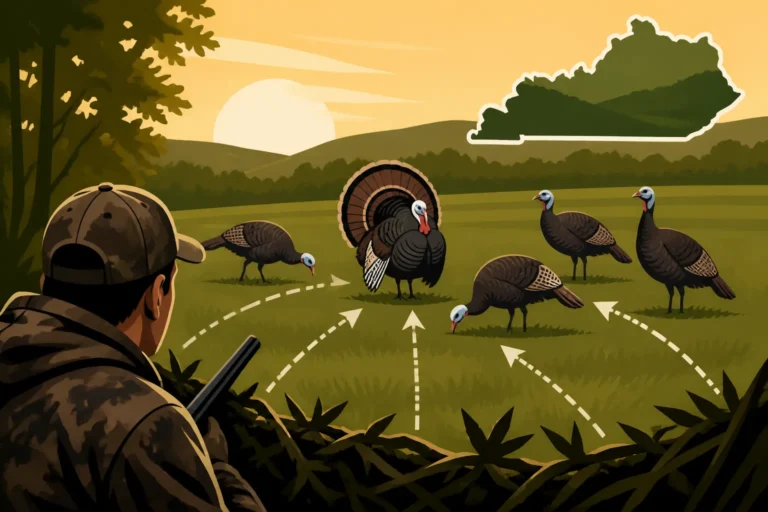
Decoy placement strategies help hunters beat wary Kentucky turkeys that hang up at seventy yards instead of committing to setups.
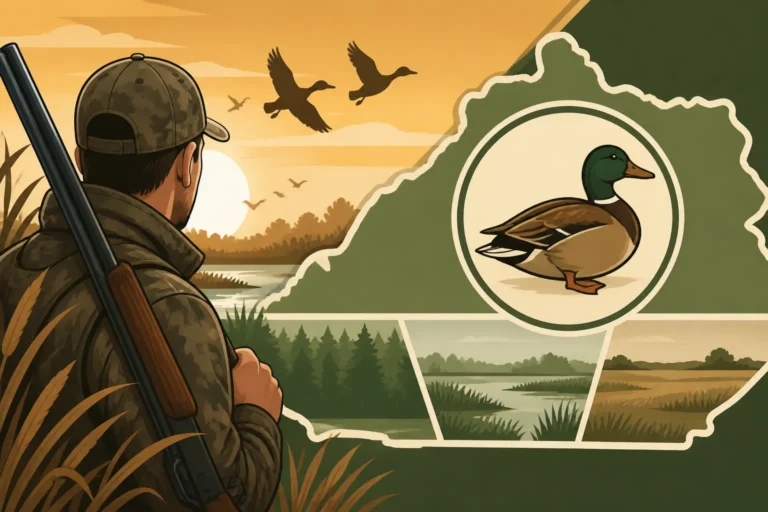
Kentucky turkey hunters facing the one bird per WMA rule learn how regulations protect populations and manage public hunting pressure.
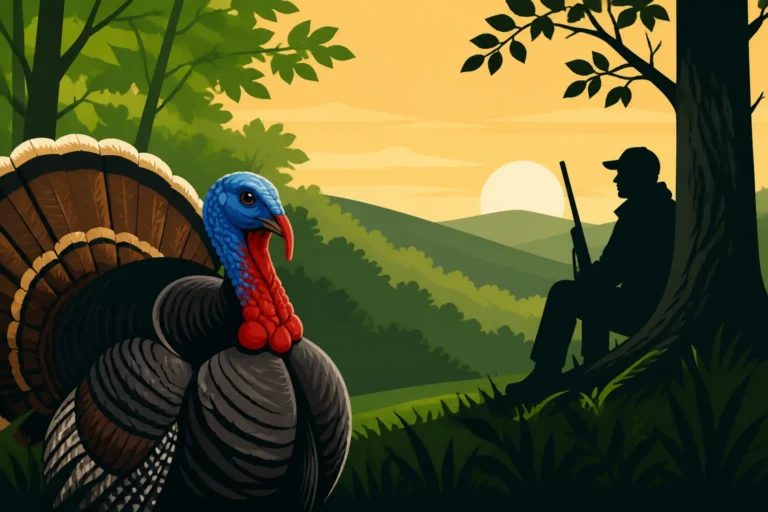
Late May Kentucky turkey behavior changes because breeding slows, hunting pressure increases, and social dynamics shift.
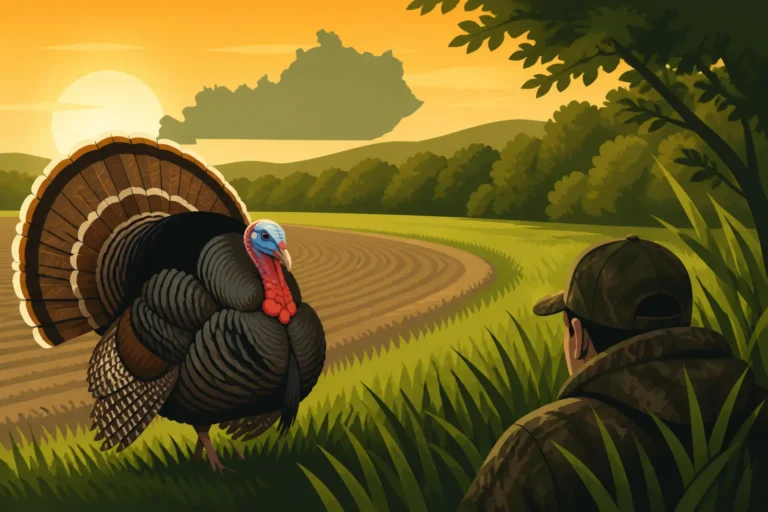
Farmland field edge tactics help Kentucky hunters turn distant spring gobblers at two hundred yards into close range encounters.
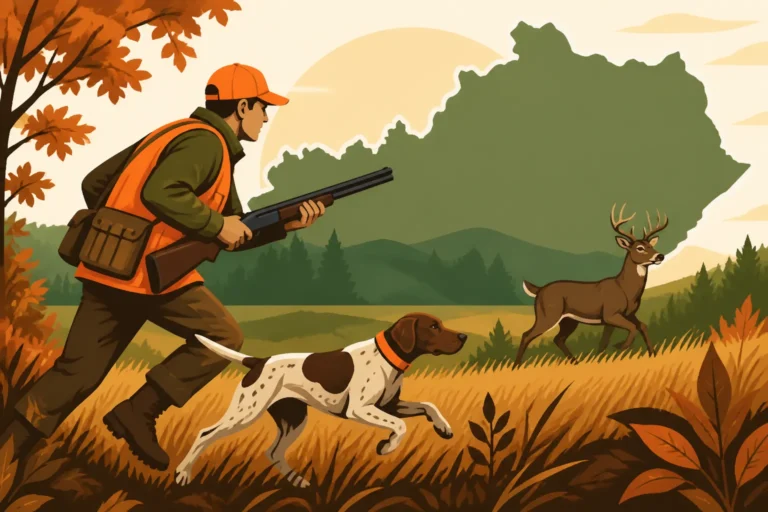
Run-and-gun hunting on Kentucky public land explains how hunters actively track game instead of waiting on Daniel Boone National Forest.
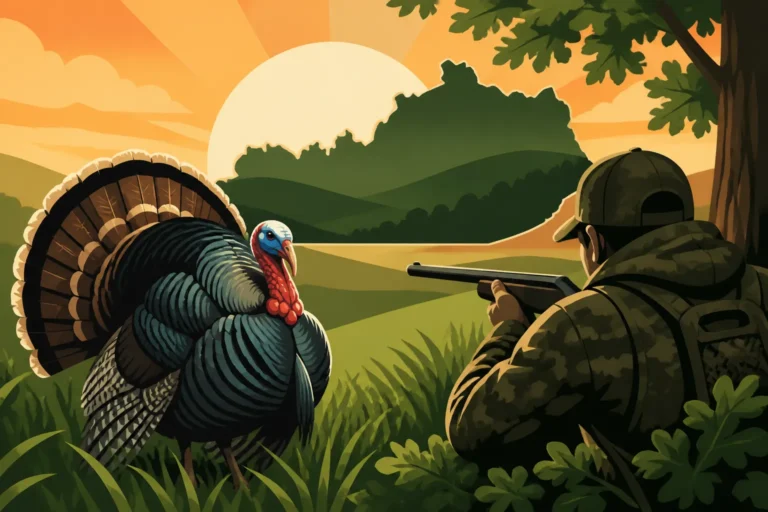
Kentucky spring turkey hunting on the April opener requires understanding gobbler behavior, roosting patterns, and mid-morning lull tactics.
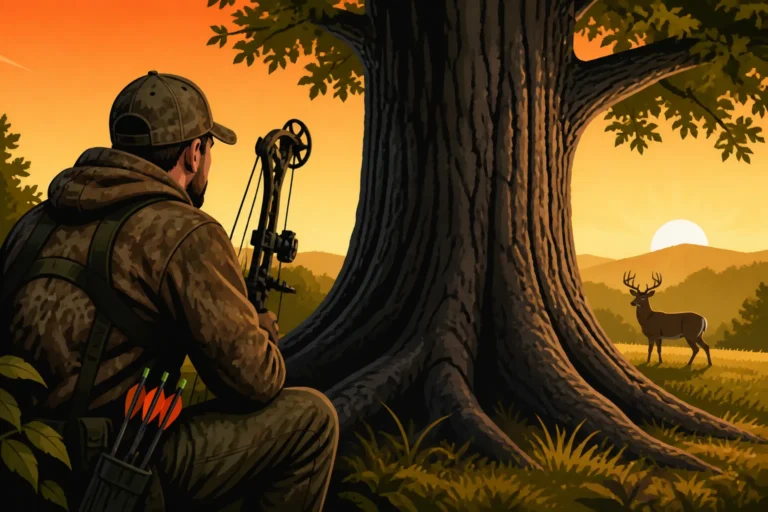
White oak and red oak trees dropping acorns in Kentucky timber provide whitetail deer with high-energy food sources for the rut.
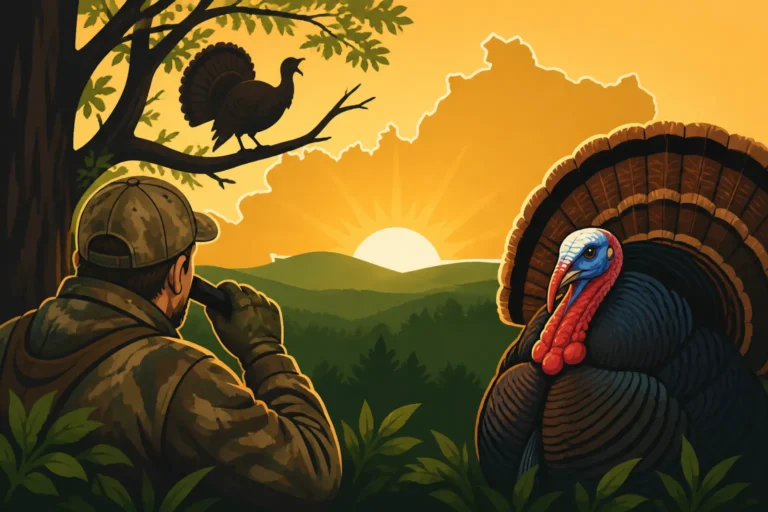
Kentucky turkey scouting and pre-dawn positioning tactics help hunters call stubborn gobblers off roost trees into range.
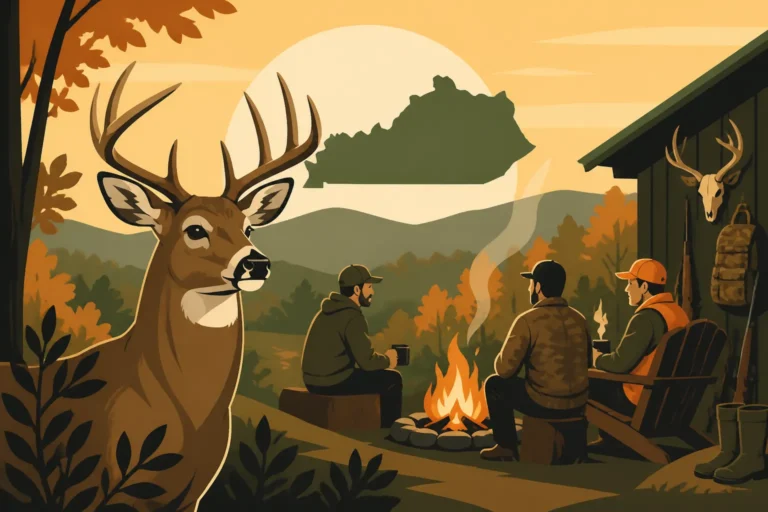
Kentucky deer camp traditions involve shared meals, poker games, tracking techniques, and passing down hunting legacies to younger generations.
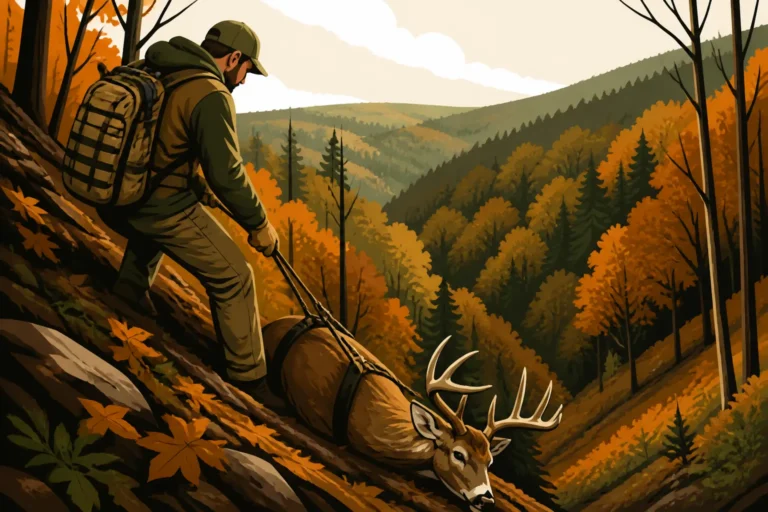
Deer recovery in steep Kentucky hollows requires patience, proper lighting, and specific tracking tactics for challenging terrain.