How Many Acres Land Between the Lakes Covers
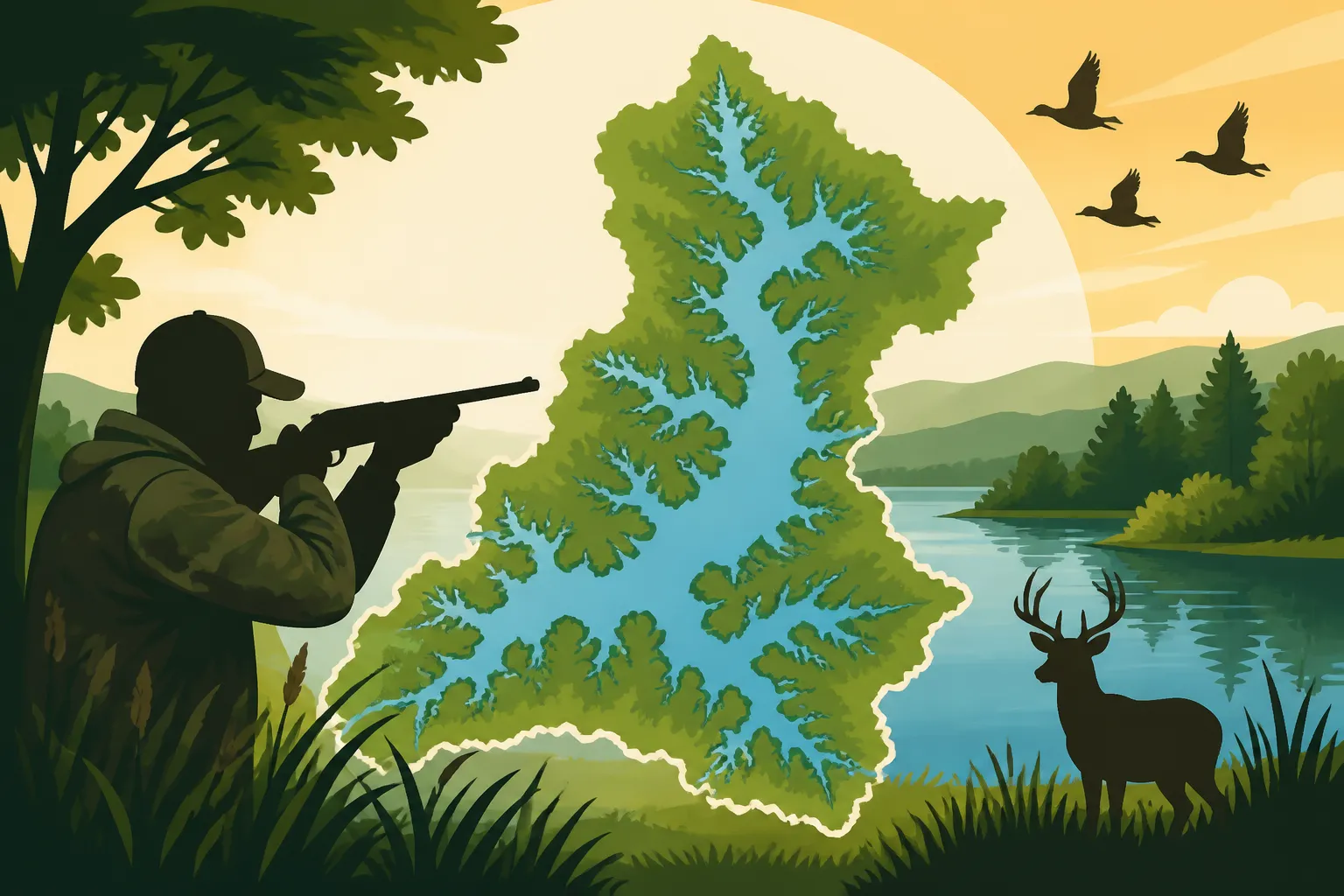
It's easy to look at a map of Land Between the Lakes and feel a little overwhelmed. That vast green expanse stretching between Kentucky Lake and Lake Barkley isn't just a big park; it's a massive, diverse landscape that offers incredible hunting opportunities but can also feel impenetrable if you don't understand its true scale. This guide is here to break down exactly how many acres Land Between the Lakes covers and, more importantly, what that immense size means for you as a hunter trying to navigate and make the most of this unique Kentucky hunting destination.
Understanding the Scale of Land Between the Lakes
When you hear "Land Between the Lakes," you might picture a large state park, but it's much, much more. It's a national recreation area, a sprawling expanse managed for recreation, environmental education, and resource management, including robust hunting programs. The sheer scale is difficult to grasp until you're standing within it, looking out at miles of timber and water, realizing just how much ground there is to cover.
The Grand Total Acreage
Let's cut right to it: Land Between the Lakes National Recreation Area covers approximately 170,000 acres. Think about that for a moment. One hundred and seventy thousand acres. That's larger than some small states! This isn't just a patch of woods; it's a significant chunk of land that offers a diverse array of habitats, from dense hardwood forests and open pine stands to sprawling grasslands and intricate creek bottoms, all nestled between two massive bodies of water. For hunters, this immense size is both a blessing and a challenge. It means there's always new ground to explore, new nooks and crannies where a mature buck might be hiding, or a longbeard gobbler might be roosting. However, it also means that scouting can feel like an endless task, and finding those productive spots requires effort and good navigational tools. Using detailed mapping apps like onX Hunt can be a game-changer here, allowing you to visually comprehend the terrain, identify potential bedding areas, and mark promising funnels even before you step foot in the woods.
Kentucky vs. Tennessee Divisions
While Land Between the Lakes operates as one unified National Recreation Area, it's geographically split between two states: Kentucky and Tennessee. This division is important, not just for state pride, but because while the overall management is federal, the hunting regulations can differ slightly based on which side of the line you're standing on.
Roughly two-thirds of LBL, about 108,000 acres, lies within Kentucky. The remaining one-third, approximately 62,000 acres, is in Tennessee. This means that if you're primarily a Kentucky resident hunter, you'll find the larger portion of LBL's hunting grounds within your home state. Despite the state line, the area is largely contiguous, allowing for fluid movement between zones, though it's absolutely critical to understand the specific hunting regulations for the state you're in. This includes everything from license requirements to specific season dates and bag limits. Hunters often talk about "the Kentucky side" or "the Tennessee side" when discussing hunting strategies, sometimes due to perceived differences in pressure or habitat, even though the overall landscape shares many similarities. Understanding this geographical split is fundamental for any hunter planning an excursion to LBL, especially if you're contemplating hunting both sides. You'll need to make sure you have the appropriate Kentucky Hunting Licenses and What They Cost if you're on the Kentucky side, and Tennessee's equivalent if you cross the border.
What Those Acres Mean for Hunters
The sheer volume of acreage at Land Between the Lakes translates directly into a unique hunting experience, offering both unparalleled opportunities and specific challenges that hunters need to be aware of. It’s not just big; it’s strategically big.
Diverse Habitat and Game Opportunities
With 170,000 acres, LBL boasts an incredibly diverse range of habitats, which in turn supports a healthy population of various game species. You'll find expansive blocks of mature hardwood timber, particularly in the northern reaches, ideal for Hunting Western Kentucky Bottomland Deer or for scouting out acorns during the fall. Interspersed within these forests are significant pine plantations, especially on the Tennessee side and in some central Kentucky sections, providing dense cover and thermal protection for deer and other wildlife. Scattered throughout are old fields, food plots managed by the USDA Forest Service, and riparian zones along the countless creeks and drainages that feed into Kentucky Lake and Lake Barkley.
This variety means LBL offers something for almost every type of hunter. For deer hunters, you can find everything from dense bedding areas to open timber where rattling and grunting might draw in a curious buck. Turkey hunters will appreciate the expansive roosting habitat and the challenge of locating gobblers in such a vast area. Small game hunters can pursue squirrels and rabbits in the numerous woodlots and brushy fencerows, while waterfowl hunters often focus on the sloughs and backwaters off the main lakes. This diversity is a primary reason why LBL remains such a popular destination, even with the inherent challenges of hunting public land.
Managing Hunting Pressure Across Such a Large Area
One of the biggest concerns for public land hunters anywhere is pressure. At Land Between the Lakes, while there are undoubtedly popular spots, the massive acreage actually works in a hunter's favor by helping to disperse that pressure. Unlike smaller WMAs where a handful of trucks can mean every good spot is already occupied, LBL's size allows hunters to truly "get away from it all" if they're willing to put in the effort.
However, the area isn't simply a free-for-all. To manage the game populations and hunting pressure effectively, the USDA Forest Service, in cooperation with the Kentucky Department of Fish and Wildlife Resources (KDFWR) and the Tennessee Wildlife Resources Agency (TWRA), implements various hunting programs and special regulations. Many areas within LBL are designated as quota hunt zones for deer and turkey, requiring hunters to apply for a limited number of permits. This system helps control harvest levels and ensures a quality hunting experience. Other areas are open to general hunting during statewide seasons, though specific rules often apply. Understanding these different zones and the associated Kentucky Deer Management Zone Rules or turkey regulations is paramount. While there are popular access points and roads that see higher traffic, a hunter with a good map and the willingness to walk a mile or two can often find pockets of unpressured game. This is where tools like GoHunt, with its detailed public land overlays and hunt planning features, can be incredibly valuable, helping you identify overlooked ridges or hollows that others might simply walk past.
Navigating the Expansive Landscape
Successfully hunting Land Between the Lakes is as much about navigation and strategic planning as it is about hunting skill. The sheer size, combined with the dense timber and intricate waterways, demands a thoughtful approach to moving through the landscape.
Essential Mapping and Scouting Tools
Given the enormous footprint of LBL, relying solely on intuition or a vague memory of previous trips is a recipe for getting turned around. Physical maps, especially topographic ones, are indispensable for understanding the elevation changes, creek drainages, and ridge systems that define the area. However, in today's hunting world, digital mapping applications have become truly transformative for navigating LBL.
Apps like onX Hunt are practically a requirement for anyone venturing deep into this area. They allow you to:
- Identify property boundaries: Crucial for ensuring you stay on public land, especially where LBL borders private tracts.
- Pinpoint your location in real-time: No more guessing where you are. This is vital for safety and for navigating back to your vehicle in the dark.
- Mark waypoints: You can save locations for rubs, scrapes, food sources, bedding areas, treestand setups, or even just your truck, building a comprehensive scouting database over time.
- Analyze terrain features: Detailed topographic lines and satellite imagery help you identify saddles, funnels, benches, and other key deer travel corridors that might not be obvious from the ground.
- Track your movement: See where you've been, which can be invaluable for understanding how you approach and exit a stand without spooking game.
Combining these digital tools with boots-on-the-ground scouting is the most effective strategy. Spend time in the off-season, or even just the weeks leading up to your hunt, exploring different sections. Look for natural pinch points, areas of dense cover for bedding, and consistent food sources. Remember, what looks like a thick, impenetrable jungle on a map might actually hold the key to where deer are moving undisturbed.
Access Points and Travel Considerations
Land Between the Lakes has numerous access points, from major highways to small, unpaved forest roads. Understanding how to utilize these to your advantage is key. Some popular roads, like US-68/KY-80 and The Trace, cut through the heart of LBL, offering many pullovers and smaller roads that branch off.
However, the sheer density of timber means that even if you can drive to a certain point, getting to your chosen hunting spot often involves a significant hike. This isn't flat, open farmland. You'll encounter steep ridges, deep hollows, and dense undergrowth, especially in areas that haven't been recently timbered. Consider:
- Vehicle limitations: Many of the smaller forest roads might not be suitable for all vehicles, especially after rain. Be aware of signage regarding road closures or restrictions.
- Foot travel: Be prepared for long walks. A good pair of comfortable, supportive boots is non-negotiable. Plan your entry and exit routes carefully, especially if you anticipate Dragging a Deer Out of a Steep Hollow in the dark.
- Navigational aids: Always carry a fully charged phone with your mapping app, and consider a backup GPS unit or a traditional compass and map. Cell service can be spotty in many of the deeper hollows.
- Safety in numbers: If you're hunting particularly remote sections or attempting a deer drive, consider going with a partner or a small group. This also helps with recovery and provides an extra layer of safety.
The more you explore LBL, the more you'll uncover hidden gems and develop a sense for where to find less-pressured areas. Don't be afraid to leave the main roads and push into areas that might seem daunting at first glance.
Planning Your Hunt in LBL's Vastness
Hunting Land Between the Lakes requires more than just showing up with a license and a gun; it demands thorough preparation that matches the scale of the area.
Researching Specific Hunting Zones
While we've discussed the overall acreage, it's crucial to understand that LBL isn't just one giant hunting zone. It's often subdivided into various management units, sometimes called hunt units or areas, each with its own set of rules, season dates, and even bag limits. For example, some units might be open for general archery season, while others require special quota permits for deer or turkey. Some areas might have specific regulations regarding dog use or even temporary closures for other recreational activities or management actions.
Before you even pack your truck, you need to:
- Consult the official LBL hunting guide: This is released annually by the USDA Forest Service in conjunction with KDFWR and TWRA. It will detail all the specific unit boundaries, legal weapons, dates, and permit requirements. This is your bible for planning an LBL hunt.
- Utilize online resources: Both KDFWR and TWRA websites will have information relevant to their respective portions of LBL, as will the official Land Between the Lakes website. The Scouting With the Kentucky Hunt Fish App can also be invaluable for identifying specific public lands and their boundaries.
- Identify your target species: Are you after a Kentucky whitetail? A spring gobbler? Small game? The specific area you choose might vary dramatically depending on what you're hunting and the type of habitat it prefers. For instance, turkey hunting might lead you to more open, oak-hickory ridges, while a deer hunt could focus on dense cover near water sources.
Don't assume that what applies to one section of LBL applies to another, even if they're right next to each other. A small road or a creek could mark a boundary between entirely different hunting regulations.
Gear and Preparedness for Extended Excursions
The vastness of Land Between the Lakes means that "popping back to the truck" isn't always a quick option. You need to be self-sufficient and prepared for whatever the Kentucky and Tennessee wilderness can throw at you.
Here's a quick checklist of essential considerations for your gear and preparedness:
| Category | Essential Items & Considerations |
|---|---|
| Navigation | Fully charged phone with mapping app (e.g., onX Hunt), external battery bank, physical map (waterproof), compass, GPS unit (backup). |
| Clothing | Layered clothing appropriate for the season (Kentucky weather can be unpredictable!), waterproof outer shell, extra socks, blaze orange/pink as required for firearm seasons (check Kentucky Blaze Orange Requirements). |
| Hydration/Food | Plenty of water (more than you think you'll need), high-energy snacks, water filter or purification tablets for emergencies. |
| First Aid | Comprehensive first aid kit for cuts, scrapes, blisters, insect bites, and snake bites. Include any personal medications. |
| Game Recovery | Strong rope or game cart for deer recovery, field dressing kit (Field Dressing a Deer in Cold Weather considerations), game bags if temperatures are warm. |
| Safety | Headlamp with extra batteries, whistle, fire starter, multi-tool, charged two-way radio if hunting with a partner (especially useful on a Deer Drives With Three or Four Hunters). Tell someone your hunting plan and expected return time. |
| Comfort | Comfortable hunting pack to carry all your gear, quality boots broken in, portable seat or cushion for long waits. |
Thinking through these elements before you head out can make the difference between a successful, safe hunt and a miserable, potentially dangerous one. The sheer scale of LBL means that minor issues can quickly escalate if you're not prepared, so always err on the side of caution and carry more than you think you'll need.
Disclaimer
This article is for general informational purposes only and does not constitute professional advice. Laws, prices and regulations vary by location and change over time. Consult a qualified professional for guidance on your specific situation.