How Kentucky WMAs Are Managed
It can feel overwhelming trying to understand the ins and outs of public hunting land in Kentucky, especially when you're just looking for a good spot to chase deer or turkeys. Many hunters wonder how these vast tracts of land are maintained, who makes the decisions, and what all that effort means for their next hunt. This guide is here to pull back the curtain on how Kentucky Wildlife Management Areas (WMAs) are actively managed, giving you a clearer picture of the dedicated work that goes into creating and sustaining these vital outdoor resources.
The Core Mission of Kentucky WMAs
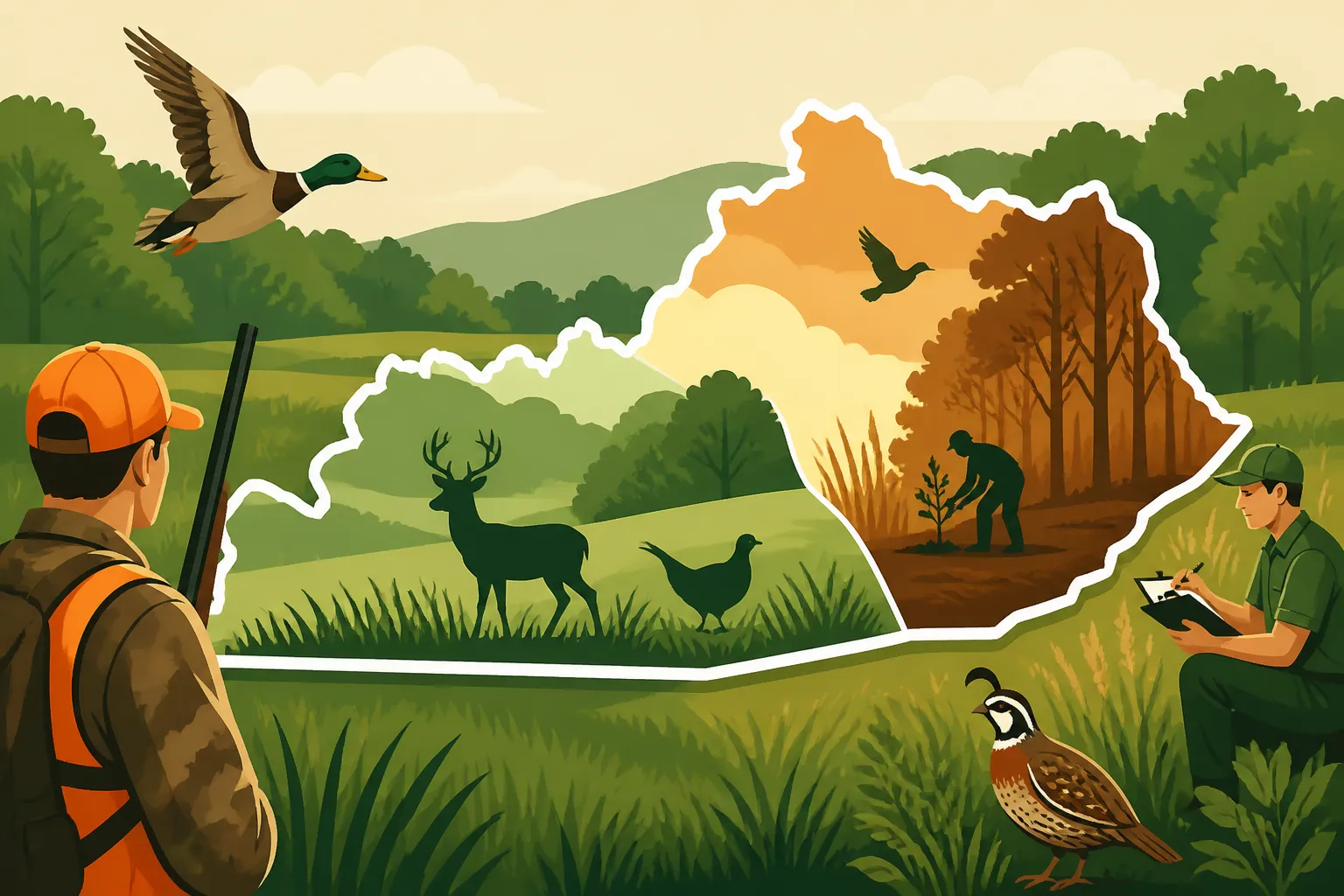
At its heart, the Kentucky Department of Fish and Wildlife Resources (KDFWR) manages WMAs with a dual purpose: to conserve Kentucky’s diverse wildlife populations and their habitats, and to provide accessible, high-quality outdoor recreational opportunities for the public, especially hunting and fishing. It’s a delicate balance, ensuring that the land remains productive for wildlife while also offering experiences for generations of sportsmen and women. This isn't just about setting aside land; it's about actively shaping it to thrive.
Balancing Conservation and Public Access
The management of WMAs is a continuous effort to strike a harmonious balance between the needs of the wildlife and the desires of the public. Conservation efforts on WMAs aren't just about protecting endangered species, though that's certainly part of it; they're also deeply focused on ensuring robust populations of game animals like white-tailed deer, wild turkeys, and various small game species. This involves detailed habitat work, wildlife surveys, and implementing hunting regulations designed to maintain healthy age structures and population densities. Without this careful stewardship, the natural resources would quickly degrade, impacting both animals and future hunting prospects.
Simultaneously, KDFWR strives to make WMAs accessible and enjoyable for everyone. This means providing clear rules, well-maintained access points, and diverse hunting opportunities. From bowhunters seeking solitude in dense timber to waterfowl hunters setting up blinds in flooded impoundments, WMAs are designed to cater to a broad spectrum of outdoor enthusiasts. The goal is to cultivate an environment where ethical hunting practices flourish, contributing not only to personal enjoyment but also directly to wildlife management through regulated harvest. Public Hunting Land in Kentucky is a testament to this commitment.
Funding and Resources for WMA Management
You might wonder where the money comes from to manage these expansive WMAs, maintain infrastructure, and employ the dedicated staff who make it all happen. The primary sources of funding for Kentucky's WMAs, and wildlife conservation in general, largely stem from hunters and anglers themselves. Hunting and fishing license sales, along with federal excise taxes on firearms, ammunition, archery equipment, and fishing tackle (through the Pittman-Robertson and Dingle-Johnson Acts), form the backbone of this financial support. It's a user-pay, public-benefit system that's been incredibly effective for wildlife conservation across the nation.
These funds are meticulously allocated to various facets of WMA management. This includes everything from purchasing new land to expand public access, to funding habitat restoration projects, conducting wildlife research, and maintaining vital infrastructure like roads, parking lots, and boat ramps. Without the consistent investment from hunters and anglers, the robust WMA system we enjoy today simply wouldn't exist. So, every time you purchase your Kentucky Hunting Licenses and What They Cost or a box of shells, you're directly contributing to the health and future of these public lands.
Habitat Management Strategies
The health of a WMA, and its ability to support abundant wildlife, hinges entirely on its habitat. WMA managers aren't just letting nature take its course; they're actively shaping the environment through a variety of targeted strategies. It's a dynamic process, often involving heavy machinery, controlled fire, and careful planting, all with the goal of creating diverse ecosystems that meet the specific needs of different game species throughout the year.
Forest and Timber Management
Many of Kentucky’s WMAs are dominated by forested landscapes, especially in the eastern and central regions. Here, timber management is a critical tool for creating diverse habitat structures. Instead of allowing forests to become uniform stands of mature trees, managers implement strategic logging, often through selective cutting or clear-cutting small patches. These actions mimic natural disturbances and create a mosaic of different forest ages and densities. Younger growth provides dense cover and browse for deer and rabbits, while mature stands offer crucial mast crops like acorns for deer and turkeys.
Prescribed burns are another essential aspect of forest management. By carefully introducing fire under controlled conditions, managers can remove accumulated leaf litter, reduce competition from undesirable plant species, and stimulate the growth of beneficial grasses, forbs, and young woody plants. This not only enhances forage for deer and small game but also creates more open understories, which are vital for species like ruffed grouse, though their numbers face challenges as noted in Kentucky Ruffed Grouse Decline. These burns also help prevent catastrophic wildfires by reducing fuel loads, protecting both wildlife and surrounding communities.
Food Plots and Agricultural Partnerships
Beyond natural forage, WMAs often feature strategically placed food plots designed to supplement wildlife diets and concentrate game for hunters. These plots can range from small, secluded clearings planted with clover, winter wheat, or brassicas, providing year-round nutrition, to larger agricultural fields specifically managed for wildlife. For instance, you might find corn or soybeans left unharvested on a WMA to provide late-season food and cover for deer, turkeys, and waterfowl.
In some cases, KDFWR enters into cooperative farming agreements with local agricultural producers. Farmers cultivate crops on WMA land, often leaving a portion unharvested or planting specific wildlife-beneficial crops in exchange for the use of the remaining land. This symbiotic relationship provides critical food sources for wildlife while also benefiting local farmers. These efforts are crucial, particularly in regions where natural food sources might be limited or during harsh winter months, giving deer and other animals the calories they need to survive.
Waterfowl and Wetland Enhancements
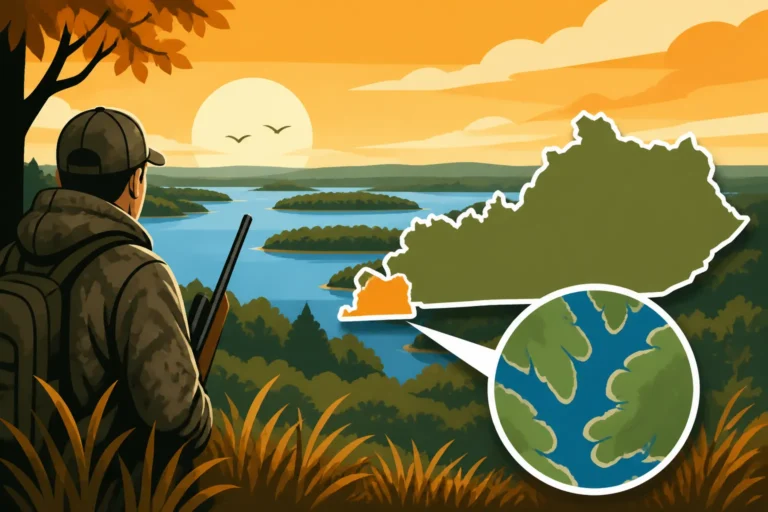
For WMAs located along major river systems or near large reservoirs like Kentucky Lake, wetland management becomes a top priority. These areas are specifically designed to attract and hold migratory waterfowl, offering crucial resting, feeding, and breeding habitat along the Mississippi Flyway. Managers employ a range of hydrological techniques, including constructing dikes, levees, and water control structures to create various wetland conditions.
Moist-soil units, for example, are shallow impoundments that are flooded and dewatered on a rotational basis to promote the growth of specific native plants like smartweed and millet. These plants produce abundant seeds that are highly nutritious for ducks and geese. Other areas might be permanently flooded or managed as shallow water reservoirs with standing timber, providing diverse cover and food sources. These carefully engineered habitats are magnets for ducks and geese, providing exceptional Waterfowl Hunting Kentucky Lakes and Rivers opportunities and supporting healthy migratory bird populations.
Wildlife Population Management on WMAs
Effective WMA management isn't just about manipulating habitat; it's also intensely focused on managing the wildlife populations themselves. This involves constant monitoring, data collection, and setting regulations that ensure healthy, sustainable numbers of game animals. It’s a science-driven process, far from guesswork, aiming to prevent overpopulation and ensure quality hunting experiences.
Deer and Turkey Monitoring and Quotas
Deer and turkey are cornerstone game species on most Kentucky WMAs, and their populations are rigorously managed. Wildlife biologists conduct regular surveys, using methods like spotlight counts, trail cameras, and harvest data submitted by hunters, to estimate population densities and health. They analyze factors like fawn survival rates, buck-to-doe ratios, and overall herd health to make informed decisions. This data is critical for understanding the impact of hunting pressure and environmental factors on these species.
Based on these assessments, specific hunting quotas and regulations are established for each WMA, often differing from statewide rules. These local rules might include antler restrictions, specific antlerless deer limits, or special permit hunts to achieve precise management goals. The aim is to ensure a sustainable harvest, allowing populations to remain robust while providing ample hunting opportunities. For instance, understanding How Kentucky Deer Zones Set Antlerless Bag Limits is crucial, as WMAs may have even more localized rules. This granular approach ensures that management is tailored to the unique conditions of each area.
Small Game and Upland Bird Initiatives
While deer and turkeys often get the spotlight, WMAs also play a vital role in managing small game and upland bird populations like rabbits, squirrels, quail, and grouse. These species often require specific early successional habitats that can be created through different management techniques. For example, managers might implement brush piling, disking, or planting native warm-season grasses to provide the dense cover and food sources that rabbits and quail thrive in.
Efforts to reverse declines in species like bobwhite quail and ruffed grouse are particularly intensive. This involves creating "bugging strips" for poults (young turkeys and quail), managing hedgerows and field edges, and controlling invasive plants that outcompete native forage. These targeted efforts are essential for supporting species that have seen significant habitat loss outside of managed public lands. If you're looking for Rabbit Hunting Kentucky Fencerows or pursuing upland birds, WMAs are often your best bet due to these dedicated habitat projects.
Predator and Invasive Species Control
Managing wildlife populations sometimes requires addressing challenges from predators and invasive species. While native predators like coyotes are a natural part of the ecosystem, overly high densities can impact vulnerable game populations, especially fawns and turkey poults. WMA managers may implement control measures to mitigate these impacts, ensuring that game populations have a better chance to thrive.
Invasive plant species, such as Japanese honeysuckle, autumn olive, or multiflora rose, pose another significant threat. These aggressive plants can outcompete native vegetation, reducing biodiversity and diminishing food and cover for wildlife. WMA staff continually work to control these invaders through mechanical removal, herbicide application, and prescribed burns, ensuring that native plant communities can flourish and support the diverse wildlife that depends on them. This constant battle against invasive flora is a critical, often unseen, aspect of maintaining healthy WMA ecosystems.
Infrastructure and Hunter Services
A WMA isn't just a wild tract of land; it's a managed recreational area. This means careful attention to infrastructure and services that make hunting and other outdoor activities accessible, safe, and enjoyable for the public. From the moment you pull off the highway, the intent is for you to have a positive, well-supported experience.
Access Roads, Parking, and Trail Systems
Getting to your hunting spot is the first step, and WMA managers understand this well. They are responsible for maintaining a network of access roads, from paved entry points to gravel interior roads, ensuring that hunters can reach different parts of the property. Alongside these roads, strategically placed parking areas are created and maintained, often large enough to accommodate multiple vehicles and trailers, especially during peak seasons. These aren't just convenient; they also help distribute hunting pressure more evenly across the WMA, preventing overcrowding in certain spots.
Beyond vehicle access, many WMAs feature extensive trail systems. These might be old logging roads, hiking trails, or designated walking paths that allow hunters to penetrate deeper into the property on foot. Maintaining these trails—clearing fallen trees, preventing erosion, and marking routes—is an ongoing task. When you're Scouting Kentucky Public Land Before Season, having a clear understanding of these access points and trails, perhaps by using an app like onX Hunt, can make all the difference in planning your hunt and finding those elusive pockets of unpressured game.
Designated Hunting Zones and Safety
Safety is paramount on WMAs, especially with various activities occurring simultaneously. To manage this, many WMAs implement designated hunting zones or specific usage rules. For example, some areas might be archery-only, while others allow modern firearms during specific seasons. Certain zones might have restrictions on motorized vehicles, or even designate areas as "safety zones" around buildings or residences where hunting is prohibited.
These zones and rules are clearly marked with signage, and maps are often available online or at WMA kiosks. Understanding these regulations is crucial for a safe and legal hunt. It prevents conflicts between different user groups—hunters, hikers, birdwatchers—and ensures that everyone can enjoy the WMA responsibly. Remember to always check the specific regulations for the WMA you plan to visit, as they can vary significantly from one location to another. Ground Blind Rules on Kentucky WMAs is a good example of specific regulations you might encounter.
Information and Education for Hunters
KDFWR is dedicated to educating and informing the public about WMA rules, opportunities, and wildlife management principles. This isn't just about posting signs; it involves a multifaceted approach to information dissemination. Physical kiosks at WMA entrances often display maps, regulations, and contact information. Online resources, including the KDFWR website and the Kentucky Hunt Fish App, provide comprehensive details, allowing hunters to research areas before they even leave home.
Furthermore, hunter education programs, workshops, and outreach events are frequently hosted at or near WMAs. These programs teach everything from firearm safety and ethical hunting practices to detailed information about wildlife biology and habitat management. The goal is to create informed, responsible hunters who understand their role in conservation. Utilizing tools like the Kentucky Hunt Fish App, or even premium mapping services like GoHunt, can further enhance a hunter's understanding of WMA boundaries, terrain, and specific regulations, equipping them for a more successful and compliant hunt. Using the Kentucky Hunt Fish Map Tool is an excellent starting point for any hunter planning a WMA trip.
Challenges and Future Directions
Managing Kentucky's WMAs is far from a static process. It's an ongoing challenge that involves adapting to environmental changes, managing increasing public pressure, and embracing new technologies to become even more efficient and effective. The future of these vital public lands depends on continuous innovation and dedication.
Managing Public Pressure and Conflict
As outdoor recreation continues to grow in popularity, Kentucky’s WMAs face increasing public pressure. More hunters, hikers, anglers, and other recreational users mean more potential for crowding and user conflict. This can manifest as competition for prime hunting spots, concerns about noise, or disagreements over how certain areas should be managed. WMA managers are constantly looking for ways to mitigate these issues, whether through staggered opening times for certain activities, creating specific zones for different user groups, or simply educating the public on etiquette and shared use.
Another aspect of managing pressure involves balancing the desire for robust game populations with the need to offer ample hunting opportunities. It’s a fine line between providing enough harvest to satisfy hunters and maintaining enough animals to ensure healthy breeding populations. This requires clear communication with the public about management goals and explaining why certain regulations, like limited quota hunts or specific bag limits, are put in place. The aim is always to provide a quality experience while protecting the resource for the long term.
Adapting to Environmental Changes
Environmental changes, both large and small, present ongoing challenges for WMA management. Climate shifts can alter precipitation patterns, impacting water levels in wetlands or affecting plant growth, which in turn influences food availability for wildlife. The increasing frequency of severe weather events, such as prolonged droughts or intense storms, can damage habitat and infrastructure, requiring significant repair and restoration efforts.
Furthermore, the threat of wildlife diseases, like Chronic Wasting Disease (CWD), is a constant concern. WMAs play a critical role in monitoring disease outbreaks, implementing testing protocols, and educating hunters on safe carcass handling and movement restrictions. The spread of invasive plant species remains a persistent battle, requiring continuous effort to protect native habitats. WMA managers must remain vigilant and adaptable, continuously researching and implementing new strategies to address these evolving environmental threats. Kentucky's Chronic Wasting Disease Surveillance Zone is an example of such adaptive management.
Technology and Modern WMA Management
Just like in many other fields, technology is revolutionizing how WMAs are managed. Geographic Information Systems (GIS) mapping allows managers to analyze habitat types, track wildlife movements, and plan prescribed burns with incredible precision. Drones and remote sensing provide valuable aerial perspectives, helping assess habitat conditions, identify invasive species, and monitor changes over time, all more efficiently than traditional ground surveys.
For hunters, applications like onX Hunt and GoHunt have become indispensable tools, offering detailed satellite imagery, property boundaries, and even specific WMA regulations directly on their smartphones. These tools empower hunters to navigate complex public lands, understand land ownership, and pinpoint optimal hunting locations with greater confidence. This integration of technology not only makes hunting more accessible and safer but also provides valuable data to managers about public land use, helping them refine their strategies for future generations. For example, knowing the exact boundaries of a WMA, even if it borders private property, is made incredibly easy with these digital mapping platforms.
Here's a quick look at some common WMA management activities and their benefits:
| Management Activity | Primary Goal | Key Wildlife Benefited | Hunter Benefit |
|---|---|---|---|
| Prescribed Burning | Regenerate habitat, reduce fuel loads | Deer, Turkey, Quail, Rabbits | Improved visibility, better forage |
| Timber Thinning/Harvest | Create diverse forest age classes | Deer, Squirrels, Turkey, Grouse | More browse, diverse cover, better access |
| Food Plot Planting | Supplement diet, attract game | Deer, Turkey, Rabbits, Waterfowl | Concentrated game, increased harvest potential |
| Wetland Impoundment Mgmt. | Provide waterfowl habitat | Ducks, Geese, Wading Birds | Quality waterfowl hunting |
| Invasive Plant Control | Restore native plant communities | All native wildlife | Healthier ecosystem, better native forage |
| Road & Trail Maintenance | Ensure access, prevent erosion | Hunters, Hikers | Easier access, improved navigation |
| Population Monitoring | Assess herd health, set harvest quotas | Deer, Turkey, Elk, Bear | Sustainable populations, fair chase |
Disclaimer
This article is for general informational purposes only and does not constitute professional advice. Laws, prices and regulations vary by location and change over time. Consult a qualified professional for guidance on your specific situation.