Mange in Kentucky Coyotes and Foxes
It's disheartening when you're out scouting or hunting and spot a coyote or fox that just doesn't look right—its fur patchy, skin crusty, and the animal clearly suffering. This sight can be jarring, raising concerns not just for the individual animal, but for the local wildlife population and even the health of your hunting dogs. This guide will walk you through what mange is, how to identify it in Kentucky's wild canids, and what steps you can take as a responsible hunter or outdoors enthusiast.
Understanding Sarcoptic Mange in Kentucky Wildlife
Sarcoptic mange, often just called mange, is a highly contagious skin disease caused by microscopic mites that burrow into an animal's skin. It’s not just a superficial irritation; these tiny parasites cause intense itching, inflammation, and hair loss, leading to a host of other health problems for the affected animal. While mange can affect many different mammals, it’s particularly notorious in canine species, including our wild coyotes and foxes here in Kentucky.
When those mites dig in, they lay eggs, and the larvae hatch and mature, continuing the cycle. This isn't just a mild inconvenience for a wild animal; it’s a debilitating condition that can significantly impact their ability to survive. Imagine the constant, relentless itching, making it impossible to hunt effectively, rest properly, or even regulate body temperature in cold weather. This is the reality for an animal afflicted with severe mange.
The Culprit: Sarcoptes Scabiei Mites
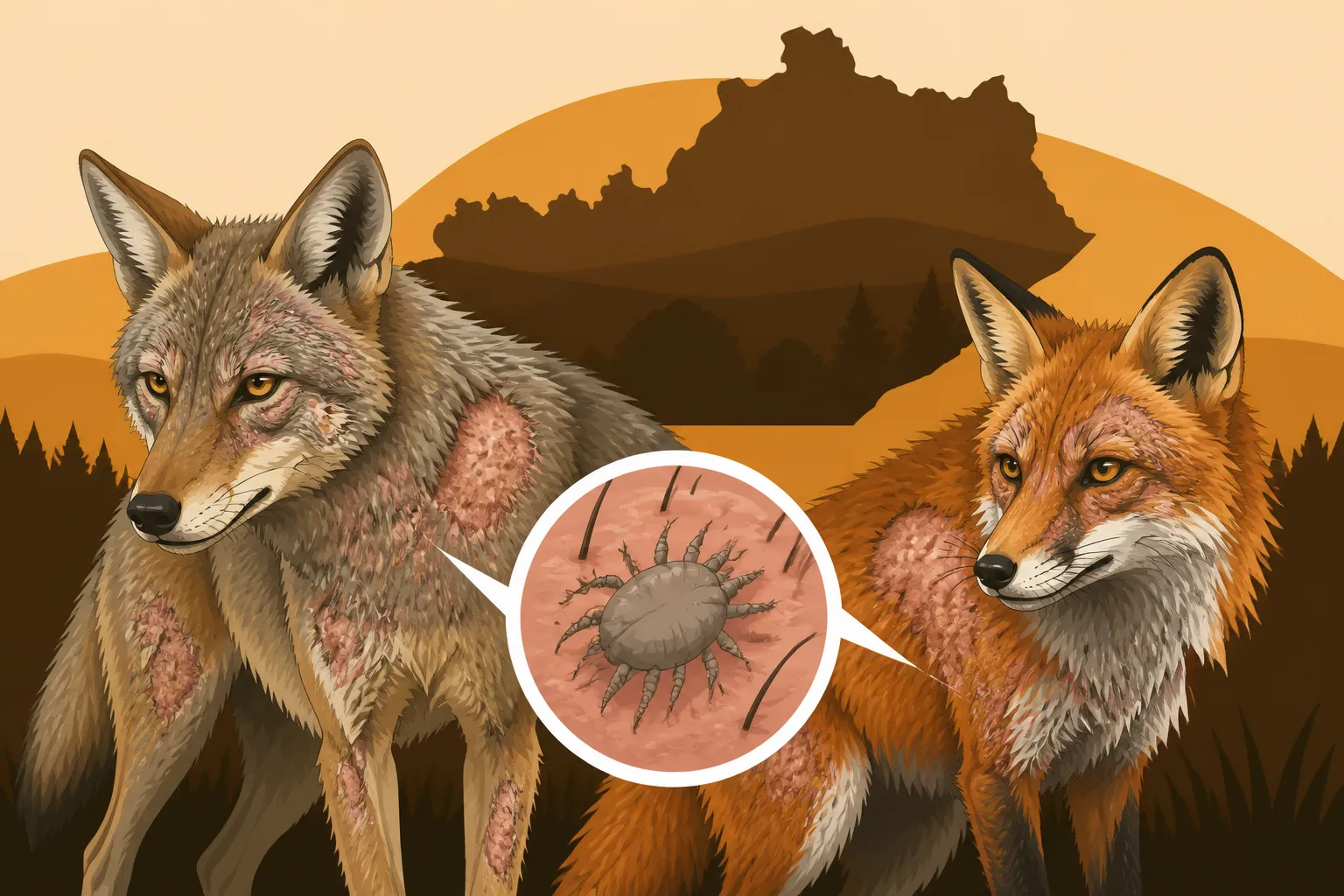
The specific culprit behind this misery is the Sarcoptes scabiei mite. These aren't ticks you can just pull off; they're microscopic, burrowing deep under the skin. They're related to the mites that cause scabies in humans, and while it's less common, it is possible for humans or domestic pets to temporarily pick up these mites from an infected wild animal, though the infection is usually self-limiting in non-canid hosts. However, for a coyote or fox, without intervention, this infestation can escalate rapidly.
The mites prefer areas with less fur initially, like the muzzle, ears, and elbows, but they quickly spread across the entire body as the infestation grows. It's a cruel disease because the animal's constant scratching, driven by the intense irritation, only makes the skin worse, opening up wounds to secondary bacterial infections. This is where it goes from bad to worse, leading to even more severe health decline.
How Mange Spreads Among Wild Animals
Mange spreads primarily through direct, prolonged contact between an infected animal and a healthy one. Think about how coyotes might interact, sharing dens, hunting territories, or even scent-marking posts. A mother can pass it to her pups, and two coyotes fighting or playing could easily exchange mites. It’s not necessarily a quick touch; it often requires a bit more sustained contact for the mites to transfer successfully.
Indirect transmission is also possible, though less common. This could happen if a healthy animal beds down in an area where an infected animal has recently rested, shedding mites onto the bedding. In Kentucky, where Kentucky Coyote Range and Density means these animals often overlap territories, the chances for transmission are unfortunately quite high once an outbreak begins in a local population. The mites can survive off a host for a limited time, especially in cool, humid conditions, creating small "hot spots" of infection in the environment.
Identifying Mange in Kentucky Coyotes and Foxes
Spotting mange in a wild animal isn't always obvious at first glance, especially if the infestation is in its early stages. However, as the disease progresses, the signs become quite distinct and distressing. As hunters and outdoor enthusiasts, we spend a lot of time observing wildlife, and recognizing these symptoms is crucial for understanding the health of our local populations and making informed decisions.
It's common to see a scraggly, thin coyote or fox in the late fall or winter, but a mangy animal looks distinctly different from one that's just shed its summer coat or is lean from a tough season. Pay close attention to their coat condition, skin, and overall demeanor.
Visual Cues: Fur Loss and Skin Lesions
The most unmistakable sign of sarcoptic mange is progressive hair loss, also known as alopecia. This usually starts on the face, ears, legs, and belly, often giving the animal a "ratty" or moth-eaten appearance. As the mites proliferate and the animal scratches incessantly, these bare patches become larger and more widespread. You might see:
- Patchy Fur: Irregular areas where fur is thin or completely missing.
- Thickened, Crusted Skin: The skin in affected areas often appears red, inflamed, and can develop thick, grayish-white crusts or scabs. It might look dry, leathery, and flaky.
- Open Sores and Wounds: Constant scratching can lead to secondary bacterial infections, resulting in raw, weeping sores or pustules.
- Swelling: In severe cases, particularly around the eyes and muzzle, the skin can become swollen.
When you're out Scouting Kentucky Public Land Before Season or waiting on a deer stand, taking a moment to observe any canid you spot can help you understand if mange is present in your area. Coyote Calling in Kentucky Farm Country often brings these animals into view, offering an opportunity for closer observation of their health.
Behavioral Indicators: Constant Itching and Lethargy
Beyond the physical appearance, the behavior of a mangy animal is a huge giveaway. The itching caused by the mites is profound and unrelenting.
- Excessive Scratching and Biting: An infected coyote or fox will spend an abnormal amount of time scratching, biting, and rubbing itself against trees, rocks, or the ground. This behavior is desperate and often frantic.
- Restlessness: The constant discomfort can make it difficult for the animal to rest or sleep peacefully.
- Lethargy and Weakness: As the disease progresses, leading to malnutrition, secondary infections, and exhaustion from constant itching, the animal will become visibly weak, lethargic, and less responsive. They might move slowly, appear disoriented, or simply lie down listlessly.
- Weight Loss: Difficulty hunting and constant energy expenditure fighting the mites and infection lead to significant weight loss, making the animal appear emaciated.
Consider a healthy coyote, alert and constantly scanning, versus one that's barely moving, its head drooping, preoccupied with scratching. The difference is stark.
Here's a quick comparison of a healthy vs. severely mangy coyote:
| Trait | Healthy Coyote | Severely Mangy Coyote |
|---|---|---|
| Coat | Full, thick, glossy, even color | Patchy hair loss, matted, dull, "moth-eaten" appearance |
| Skin | Supple, smooth, hidden by fur | Red, inflamed, thick, crusty, scabby, raw sores, flaking |
| Itching Behavior | Occasional grooming | Constant, frantic scratching, biting, rubbing against objects |
| Activity Level | Alert, energetic, swift movement, constantly observing | Lethargic, slow, weak, often disoriented, struggles to move |
| Body Condition | Muscular, good weight, often sleek | Emaciated, bony, visible ribs, hip bones, sunken flanks |
| Eyes | Clear, bright, alert | Often dull, squinting, crusty around the edges |
| Overall Demeanor | Wary, cautious of humans | May appear less wary, unafraid, or oblivious due to sickness |
Impact on Wildlife Populations and Hunters
Mange isn't just a grim individual struggle; it has wider ecological implications. When a significant portion of a local coyote or fox population becomes infected, it can have noticeable effects on the overall health and dynamics of that wildlife community. For hunters, encountering mangy animals can raise questions about ethical harvest, disease transmission, and the broader health of game species like deer and turkeys.
Knowing that animals like coyotes and foxes play a role in Kentucky Predator Impact on Fawn Recruitment, their health is indirectly linked to the well-being of deer herds. A decline in a predator population due to disease could, in theory, impact prey dynamics, though mange is usually chronic and debilitating rather than causing mass mortality events that drastically alter predator numbers overnight.
Population Health and Dynamics
For coyotes and foxes, sarcoptic mange can be fatal, especially for younger animals, those with compromised immune systems, or those living in harsh environmental conditions. The secondary infections, starvation, and exposure due to fur loss are often what ultimately kill them. A severe outbreak can lead to:
- Increased Mortality: More coyotes and foxes dying, particularly during cold Kentucky winters when they need their fur to survive.
- Reduced Reproductive Success: Sick animals are less likely to successfully breed, raise healthy pups, or survive long enough to pass on their genes.
- Behavioral Changes: Severely affected animals may become less wary of humans, appear confused, or even act aggressively if cornered due to their weakened state. This can sometimes lead to unusual encounters in suburban or rural areas.
- Local Population Declines: While not typically wiping out an entire species, localized outbreaks can significantly reduce coyote or fox numbers in a specific area for a time.
This interconnectedness highlights why understanding diseases like mange is part of appreciating the complex ecosystem we hunt in.
Implications for Hunters and Hunting Dogs
If you're out Hunting the Kentucky Rut in Early November or Hunting Kentucky's Record Elk Herd, it's not unusual to encounter other wildlife. Seeing a mangy predator can understandably cause concern.
- Ethical Considerations: If you encounter a mangy animal while hunting, particularly if you're targeting coyotes for Predator and Furbearer Hunting in Kentucky, you'll face an ethical decision. Some hunters feel it's a mercy to dispatch a suffering animal. Others might hesitate due to concerns about handling a diseased carcass.
- Risk to Hunting Dogs: This is perhaps the most direct concern for many hunters. Mites can transfer from a mangy wild animal to your hunting dog through direct contact or by your dog sniffing or rolling in an area where an infected animal recently was. Always keep your dogs up-to-date on their parasite prevention medications and monitor them closely after they've been in areas with known mangy wildlife. If you suspect your dog has mange, consult your veterinarian immediately.
- Carcass Handling: If you harvest a mangy coyote or fox, it's wise to take precautions. Wear gloves, and avoid direct skin contact with the animal. While the mites typically don't thrive on humans long-term, they can cause temporary itchy rashes. The meat from such an animal is generally not recommended for consumption, and proper disposal of the carcass is important to prevent further spread of mites to the environment or other animals.
Resources like the GoHunt app often have features that allow hunters to log wildlife sightings, which could potentially include observations of sick animals, helping to track trends, though always confirm with official channels for disease reporting.
Reporting and Management of Mange in Kentucky
As hunters and stewards of Kentucky's wildlife, we play a vital role in monitoring the health of our game and non-game species. Spotting a mangy coyote or fox isn't just an interesting observation; it's an opportunity to contribute valuable data to wildlife agencies that are working to understand and manage disease within the state. The Kentucky Department of Fish and Wildlife Resources (KDFWR) relies on public reports to track wildlife health trends across the Commonwealth.
While the KDFWR generally doesn't intervene to treat individual wild animals with mange, especially widespread ones, your reports help them understand the prevalence, geographic distribution, and potential impacts of the disease. This data can inform future management strategies, particularly if mange appears to be affecting larger populations or having significant impacts on other wildlife.
What to Do When You Spot a Mangy Animal
If you observe a coyote or fox that appears to be suffering from mange, the most important step is to report it to the KDFWR.
- Do Not Approach or Handle: Resist the urge to get closer to the animal, especially if it seems disoriented or unafraid. Wild animals, even sick ones, can be unpredictable. Do not attempt to capture or treat it yourself.
- Document Your Sighting: If possible and safe to do so, take a clear photo or video of the animal. Note the exact location (county, nearest road, GPS coordinates if you have them) and the date and time of your sighting. Describe the animal's condition and behavior as accurately as possible. Many hunters use tools like GoHunt which have mapping features that can help pinpoint locations accurately for reporting.
- Report to KDFWR: Contact the Kentucky Department of Fish and Wildlife Resources directly. They have wildlife biologists and conservation officers who track disease prevalence. You can usually find contact information for reporting sick or diseased wildlife on their official website. This direct communication is crucial, as it allows professionals to assess the situation. Reporting a Sick Animal in Kentucky is a specific process that hunters should be familiar with.
Remember, your report helps the KDFWR gather a more complete picture of wildlife health across the state. This is especially important for diseases like mange that can fluctuate in prevalence and severity.
Wildlife Agencies' Role in Disease Surveillance
The KDFWR actively monitors various wildlife diseases, including mange, through a robust Kentucky Wildlife Disease Monitoring program. Their role includes:
- Data Collection: Compiling reports from the public and field observations from their own personnel.
- Disease Diagnostics: In some cases, if a carcass is found or an animal is collected, they may perform necropsies or submit samples to labs to confirm the presence of mange or other diseases. This helps differentiate mange from other conditions that might cause similar symptoms.
- Public Education: Providing information to hunters and the general public on how to recognize diseases, prevent spread, and safely interact with wildlife.
- Management Strategies (Limited for Mange): For widespread diseases like mange, direct intervention on individual animals is usually not feasible or effective in wild populations. However, understanding the disease's impact can inform broader management decisions, such as harvest quotas or habitat improvement projects that support healthier wildlife.
While we might wish we could cure every suffering animal, the reality of managing disease in vast wild populations is incredibly complex. Our best contribution as responsible Kentuckians is to observe, report accurately, and practice responsible hunting and outdoor ethics. By doing so, we help ensure the health and sustainability of Kentucky's incredible wildlife heritage for generations to come.
Disclaimer
This article is for general informational purposes only and does not constitute professional advice. Laws, prices and regulations vary by location and change over time. Consult a qualified professional for guidance on your specific situation.