Kentucky Duck Harvest Numbers
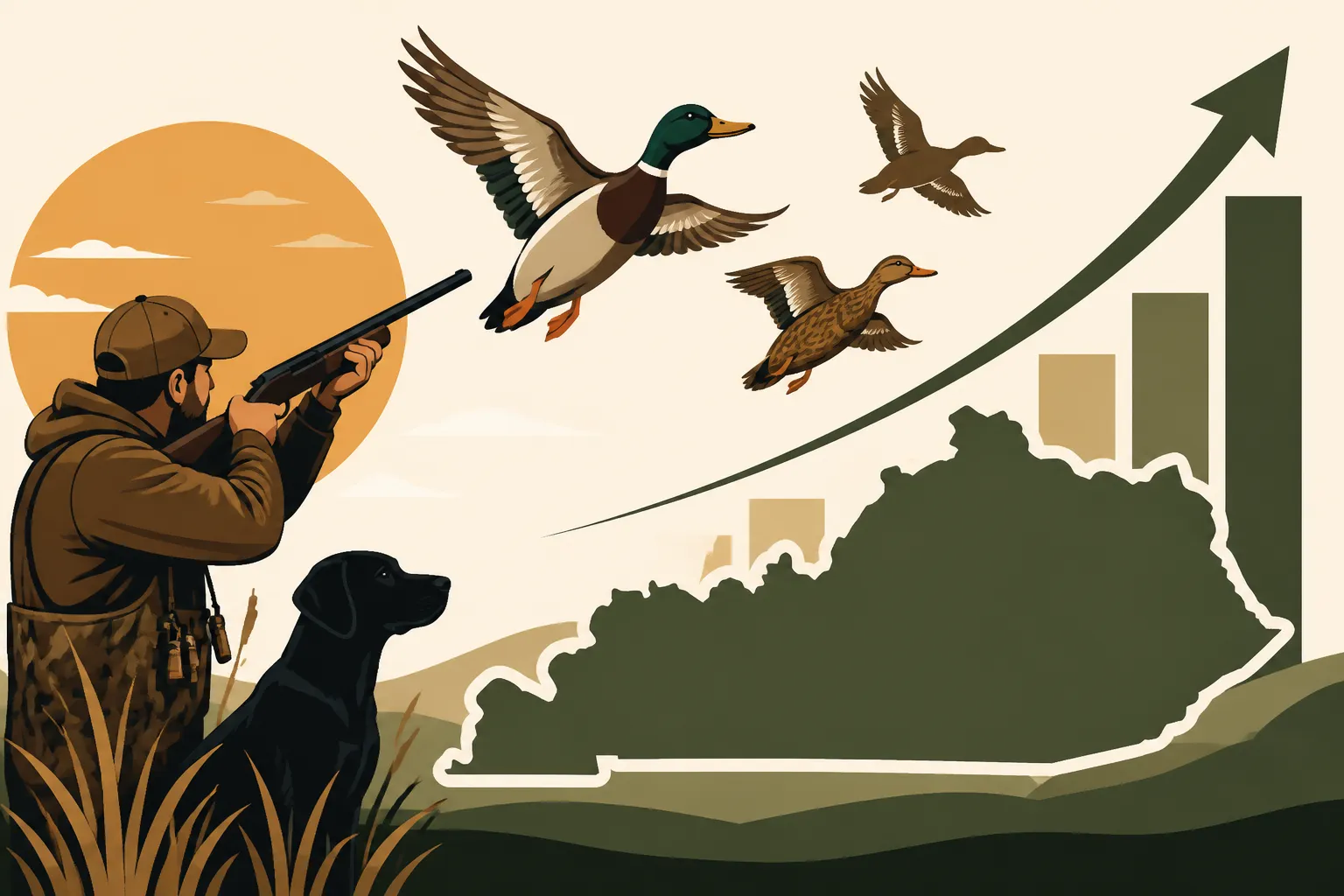
It can be incredibly frustrating to look at official wildlife reports and feel like you're drowning in numbers, especially when all you really want to know is what it means for your next duck hunt. Understanding Kentucky's duck harvest numbers isn't just about raw statistics; it's about gaining insight into migration patterns, population health, and where you might find birds this season. This guide will break down those complex figures, helping you interpret the data so you can hit the water with more confidence.
What Are Kentucky's Duck Harvest Numbers and Why Do They Matter?
When we talk about Kentucky's duck harvest numbers, we're referring to the total count of ducks taken by hunters within the state during a given season. These figures are collected and analyzed by the Kentucky Department of Fish and Wildlife Resources (KDFWR) in cooperation with the U.S. Fish and Wildlife Service (USFWS). It's not just a tally; it's a vital part of waterfowl management, conservation efforts, and even predicting future hunting success.
The Science Behind the Numbers
Harvest data isn't just pulled out of thin air. It’s a meticulous process involving various surveys and reporting mechanisms. Hunters who pursue migratory birds, including ducks, are required to register for the Migratory Bird Harvest Information Program (HIP). This program creates a database of migratory bird hunters, from which a statistically valid sample can be drawn for harvest surveys. These surveys, often conducted by mail or online, ask hunters about the species they harvested and how many. This allows wildlife agencies to estimate the total harvest across the flyway, and specifically within Kentucky.
For instance, if a survey shows a certain percentage of HIP-registered hunters in Kentucky harvested a specific number of mallards, that information is then extrapolated to the entire pool of HIP hunters to estimate the statewide mallard harvest. This is crucial because it helps KDFWR understand population trends, hunting pressure, and the overall health of different duck species moving through the state. Without this data, making informed decisions about season lengths, bag limits, and habitat projects would be far more challenging. It’s a shared responsibility, and every hunter who accurately reports their harvest contributes to the bigger picture of waterfowl conservation.
Decoding the Data: Key Factors Influencing Duck Harvest
Understanding the why behind the numbers is just as important as knowing the numbers themselves. Kentucky's duck harvest figures aren't static; they fluctuate year to year due to a complex interplay of environmental factors, migration patterns, and hunting pressure. Getting a handle on these influences can give you a real edge when planning your hunts, especially when looking at broader trends or even drilling down into specific areas like Hunting Land Between the Lakes Waterfowl.
The Role of Weather and Water Levels
Weather is arguably the biggest driver of duck harvest success in Kentucky. Waterfowl are highly migratory, and their movements are dictated by temperature, ice lines, and frontal systems pushing them south. A mild winter in the northern states can mean ducks linger longer up north, resulting in fewer birds pushing into Kentucky during the early and mid-season. Conversely, a strong cold front that freezes up northern marshes can send a flood of ducks into our state, leading to peak numbers and potentially higher harvest rates. This is a critical consideration for Duck Migration Timing Through Kentucky.
Water levels, particularly on large bodies like Kentucky Lake and Lake Barkley, and in river systems and associated bottomlands, also play a huge role. When major rivers like the Ohio and Mississippi are at flood stage, ducks might disperse into newly flooded timber and fields, making them harder to find and hunt. Lower water levels can concentrate birds into fewer, more predictable areas, which can lead to higher harvest numbers. Drought years, for example, can force ducks into remaining pockets of water, while very wet years might spread them out significantly. Being able to access current water level reports and weather forecasts is almost as important as having your shotgun patterned.
Habitat Conditions and Food Availability
Ducks need food, water, and sanctuary, and the availability and quality of these resources directly impact where they stage and how long they stay. Agricultural fields, especially those with waste grain like corn or soybeans, are huge magnets for mallards and other dabblers. A season with a good crop harvest followed by timely flooding can create an absolute smorgasbord for migrating birds. For instance, Mallards on Kentucky Lake often rely heavily on flooded agricultural lands adjacent to the main lake. Similarly, the health of flooded timber habitat along river bottoms is crucial for species like Wood Ducks in Kentucky Bottomland.
Wetland restoration projects, conservation easements, and even specific farming practices can all contribute to creating better duck habitat, which in turn can influence where birds decide to spend their winter. When these factors align—good habitat, abundant food, and a strong push of migrating birds—Kentucky's harvest numbers tend to climb. Hunters often rely on tools like GoHunt to scout these areas virtually, looking for key features like water sources near standing grain or timber, which can be difficult to find without a bird's eye view.
Kentucky's Place in the Mississippi Flyway
Kentucky isn't just a destination for duck hunters; it's a critical stopover and wintering ground within the vast Mississippi Flyway. Understanding our position in this larger system is key to making sense of our local harvest numbers and predicting seasonal shifts. We're a funnel, of sorts, for birds traveling from the prairie potholes of Canada and the northern U.S. down to the Gulf Coast.
The Mississippi Flyway: A Waterfowl Superhighway
The Mississippi Flyway stretches from the Canadian Arctic to the Gulf of Mexico, guiding billions of migratory birds annually. Kentucky sits squarely in the middle of this aerial superhighway. This means that our duck populations are heavily influenced by conditions far to our north. For example, successful breeding seasons in the Dakotas or Canada often translate to higher overall populations of ducks entering the flyway, and consequently, more birds potentially moving through Kentucky. However, if those birds encounter favorable conditions (unfrozen water, abundant food) in states directly north of us, they might short-stop and not continue their journey into Kentucky until much later in the season, or not at all.
Our major river systems, especially the Ohio River, and massive reservoirs like Kentucky Lake and Lake Barkley, serve as crucial resting and feeding areas. These features, combined with extensive bottomland hardwoods and agricultural lands, make Kentucky incredibly attractive to a wide variety of duck species. Hunters applying for controlled hunts or scouting public land should always consider the larger flyway picture; what's happening two or three states north often directly impacts what you'll see in Kentucky.
Major Waterfowl Concentrations and Their Impact on Harvest
Within Kentucky, certain regions consistently draw and hold the vast majority of migrating waterfowl. The Western Kentucky Coalfields and the Land Between the Lakes (LBL) region are prime examples. Places like the Sloughs Wildlife Management Area and Ballard WMA are specifically managed to attract and hold large numbers of ducks, and often see high hunter participation and, consequently, significant harvest numbers. These areas are vital wintering habitats for Canada Geese on Kentucky Farmland as well as various duck species.
However, hunting pressure in these popular areas can also influence harvest. While there might be many birds, those birds can become "educated" quickly, making them harder to decoy. This can lead to a situation where there are plenty of ducks, but the harvest per hunter might decline as birds become warier. Meanwhile, hunters who venture to less-pressured areas or smaller, overlooked water sources might find surprising success, even if those spots don't show up in the broad statewide harvest reports. This is where scouting tools and local knowledge truly shine.
Reading and Utilizing Kentucky Duck Harvest Reports
So, you've got the general idea of how the numbers are compiled and what influences them. Now, how do you actually use this information to become a more effective duck hunter in Kentucky? It's about looking beyond the raw totals and extracting actionable insights. Understanding the trends in Kentucky Duck Zone Boundaries and how they relate to harvest can be particularly enlightening.
Interpreting Species-Specific Data
Statewide harvest reports usually break down the numbers by species. This is where it gets really interesting for hunters. For example, a report might show a high overall duck harvest, but if you look closer, you might see that the increase was primarily driven by wood ducks in early season, with mallard numbers actually remaining flat or even decreasing. This tells you something valuable: if you're a mallard hunter, don't necessarily get too excited by the total number; focus on the species you target.
Pay attention to which species show consistent harvest numbers versus those that fluctuate wildly. Consistently high numbers for a particular species might indicate a stable population passing through Kentucky, or excellent local habitat. Wild fluctuations could point to highly weather-dependent migrations or changes in breeding success farther north. This information can help you decide which species to prioritize in your scouting and hunting efforts. Maybe one year the total Kentucky Duck Harvest Numbers look great, but it's all green-winged teal, not the mallards you typically pursue.
Here's a simplified look at how harvest numbers might be presented, focusing on a few key species:
| Species | Previous Season Harvest | Current Season Harvest (Estimate) | Change (%) | Trends/Notes |
|---|---|---|---|---|
| Mallard | 55,000 | 58,000 | +5% | Strong flight with good late-season cold fronts. |
| Wood Duck | 32,000 | 30,000 | -6% | Mild early season, fewer birds held locally. |
| Gadwall | 15,000 | 18,000 | +20% | Growing population, strong mid-season migration. |
| Green-winged Teal | 28,000 | 26,000 | -7% | Variable depending on early cold fronts. |
| Canada Goose | 12,000 | 13,000 | +8% | Steady resident population, some migratory boost. |
Note: These numbers are illustrative and do not reflect current or historical harvest data.
This table, if it were based on real data, would immediately tell you that while Mallards and Gadwall had a good year, Wood Ducks and Teal were down slightly. This insight could prompt you to adjust your decoy spread or hunting locations.
Leveraging Data for Your Next Hunt
Thinking about Scouting Kentucky Public Land Before Season becomes much more effective when armed with harvest data. If statewide mallard numbers were up, but you know the early season was mild, it suggests the birds pushed through later. This might mean shifting your focus to late-season food sources like flooded standing timber or cut cornfields. Similarly, if How Many Ducks Winter on Kentucky Lake is a key indicator for you, reviewing past harvest data for that region specifically could reveal trends.
Consider also the concept of "hunter days" often reported alongside harvest. Hunter days indicate the total number of days hunters spent afield. If harvest is up but hunter days are down, it suggests higher success rates per hunter. If both are up, it means more people hunted and they killed more birds. This distinction can help you understand hunting pressure and potentially find less-pressured areas. Resources like GoHunt can help integrate some of this data with mapping tools, allowing you to visualize potential hot spots or historical harvest zones. Combining official data with your personal scouting and a deep understanding of Kentucky Waterfowl Zones and Seasons is the ultimate strategy for success.
Disclaimer
This article is for general informational purposes only and does not constitute professional advice. Laws, prices and regulations vary by location and change over time. Consult a qualified professional for guidance on your specific situation.