Bears Moving Into Central Kentucky
It can be quite a shock to round a corner on a backroad in places like Pulaski or Lincoln County and suddenly come face-to-face with a black bear, or to find their tell-tale claw marks on your backyard tree. For years, bears were largely confined to Kentucky's rugged eastern coalfields, but those days are rapidly changing. This comprehensive guide will help you understand why these incredible animals are expanding their territory, what it means for central Kentucky residents and hunters, and how we can all learn to coexist safely.
Kentucky's Expanding Black Bear Population and Historic Range
For generations, the idea of seeing a black bear outside of the deepest reaches of Eastern Kentucky was almost unheard of. Our grandfathers would tell tales of historical bear populations, but for most of our lives, the Appalachian foothills were the only place you'd realistically encounter one. However, thanks to dedicated conservation efforts and natural recolonization from neighboring states, Kentucky's black bear population has been on a remarkable upswing, leading to their exciting—and sometimes startling—expansion westward.
From Eastern Strongholds to New Horizons
Historically, black bears roamed across most of Kentucky before extensive habitat loss and unregulated hunting pushed them into isolated pockets, primarily in the mountainous regions of the southeastern part of the state. Places like Harlan, Bell, and Leslie counties became the traditional strongholds, where the dense forests and rugged terrain provided ample cover and food sources. If you were thinking about hunting these magnificent animals, your focus was almost exclusively on areas that shared borders with states like Tennessee or Virginia. Many hunters who sought to participate in Bear Hunting Southeastern Kentucky understood that this was where the action was.
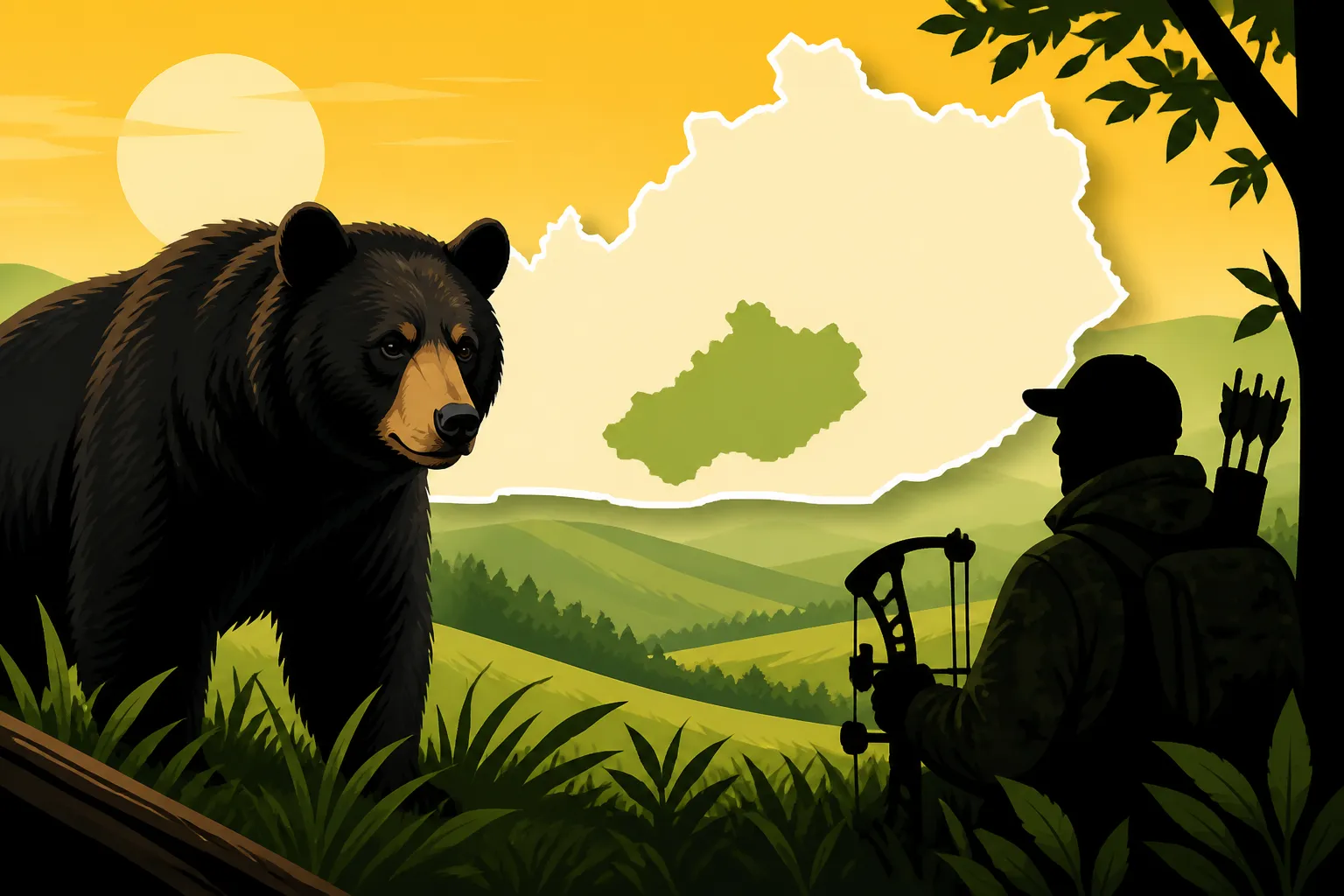
Fast forward to today, and these eastern counties are still the heart of the bear population, but the story doesn't end there. As the population has grown and reached a certain density, younger bears, particularly males, naturally start to disperse to find new territories. This drive to find unoccupied habitat and less competition for resources is a powerful force. We're now seeing verifiable evidence of bears moving into counties much further west, venturing into the central part of the state, an area traditionally considered bear-free for decades. It's a testament to the resilience of these animals and the success of conservation efforts.
Understanding Recent Population Dynamics
The Kentucky Department of Fish and Wildlife Resources (KDFWR) has been closely monitoring this expansion, using a variety of methods from trail camera surveys to reports from the public. What they've found is a healthy, growing population that continues to thrive. We can look at Kentucky's Black Bear Population data to see just how significant this growth has been over the past few decades. This isn't just a handful of transient individuals; we're talking about established populations in areas that were once considered fringe territory.
This increase in numbers, coupled with the natural dispersal instinct of young bears, means that sightings are becoming more common in counties like Pulaski, Rockcastle, and even parts of Lincoln and Casey counties. While these areas might not yet have the density of, say, Knox or Bell counties, the fact that bears are setting up shop, establishing home ranges, and even reproducing in these new regions is a clear indicator of a significant and ongoing shift. Hunters and outdoor enthusiasts using tools like GoHunt to scout new public land should be aware that what used to be a remote possibility is now a distinct reality when venturing into these expanding bear habitats.
The Driving Forces Behind Westward Bear Movement
It’s easy to wonder why, after so many years, bears are suddenly making these longer treks into central Kentucky. It’s not a random occurrence; there are several clear ecological factors at play that are pushing these animals beyond their traditional ranges and into new areas. Understanding these drivers is key to predicting future movements and adapting to their presence.
Habitat Availability and Food Sources
One of the primary reasons for this westward shift is quite simply the availability of suitable habitat and, more importantly, a robust food supply. The Eastern Kentucky coalfields, while rugged and wild, can only support so many bears. As the population grows, competition for prime foraging areas and den sites naturally increases. Younger, less dominant bears are often the ones pushed out to seek new territories. They follow river corridors, forested ridges, and other natural travel lanes that offer cover and a path to greener pastures.
Central Kentucky, particularly areas on the eastern edge of the Bluegrass region and the Cumberland Plateau, offers a surprising amount of quality bear habitat. This includes vast tracts of timber, particularly oak and hickory forests that produce abundant mast crops – acorns and nuts – which are critical food sources for bears. Additionally, many of these areas have a mix of agricultural lands and natural areas, providing a diverse buffet for an opportunistic omnivore like a black bear. Berries, fruits, insects, and even some agricultural crops become attractive food options that draw them further west. The dense thickets and steep terrain found in some of these central counties also offer excellent bedding and denning cover, making them attractive for a bear looking to settle down.
Limited Competition and Dispersion
Another significant factor is the relatively low competition for resources in these new areas. In the established bear zones, bears have to contend with other bears for food, mates, and prime habitat. As young bears mature, they often disperse from their mother's home range to avoid conflict and establish their own territory. This is a natural behavior, and when you combine a growing population with this dispersal instinct, it acts like a pressure valve, pushing individuals outwards.
When a young bear ventures into central Kentucky, it encounters an environment where other large predators that might compete for food or territory are virtually non-existent. Without a high density of other bears, or large carnivores like wolves (which are long extirpated from Kentucky), these dispersing bears find relatively open real estate. This makes it easier for them to establish a home range, find mates (if other dispersing bears of the opposite sex are present), and ultimately contribute to the expansion of the population. It’s a classic example of wildlife naturally filling available niches, slowly but surely making their way across the landscape. Hunters looking to understand game movement across various landscapes should utilize mapping tools like GoHunt to identify these key travel corridors and potential new habitats.
Navigating Bear Encounters in Central Kentucky
The reality of bears moving into central Kentucky means that encounters, whether you're hunting or just enjoying the outdoors, are becoming more probable. It's crucial for everyone to understand how to recognize their presence and, more importantly, how to react if you come across one. Panic is the enemy of safety, so knowing what to do ahead of time is your best defense.
Identifying Bear Sign in Unfamiliar Territory
Even if you don't see a bear, they often leave behind plenty of clues. In areas where bears are a newer phenomenon, recognizing these signs is incredibly important. One of the most obvious indicators is scat – bear droppings can vary widely depending on their diet but are typically larger than deer scat and often contain berries, seeds, or insect parts. Keep an eye out for tracks: large, five-toed paw prints that often show claw marks. A front paw print can be up to 4-5 inches wide, with the hind paw being longer, often resembling a human footprint.
Beyond tracks and scat, bears leave other tell-tale signs. Look for claw marks on trees, especially on the smooth bark of beech trees or on the trunks of older oaks where they might be climbing for acorns. You might see overturned rocks or logs where they've been foraging for insects, or disturbed ground where they've dug for roots or grubs. If you’re scouting a new piece of public land or even a private woodlot, keep an eye out for these subtle clues. For instance, when looking for optimal locations for Treestand Setups in Daniel Boone National Forest, paying attention to these signs can tell you more than just deer activity; it can alert you to bear presence, changing your approach. Fresh bear sign suggests recent activity, meaning you might need to adjust your plans or simply be more vigilant.
What to Do When You See a Bear
Encountering a bear, particularly a black bear, can be an exciting but also potentially nerve-wracking experience. The most important thing to remember is to stay calm. Black bears are generally not aggressive towards humans and usually prefer to avoid confrontation. The vast majority of encounters end with the bear simply moving away.
If you encounter a bear:
- Do Not Run: Running can trigger a chase response in the bear, much like it would a dog.
- Make Yourself Look Large: Stand your ground, wave your arms above your head, and speak in a loud, firm voice.
- Back Away Slowly: Give the bear plenty of space to escape. Do not block its path.
- Do Not Approach: Never try to get closer to a bear, especially a sow with cubs. They are most protective when cubs are nearby.
- Fight Back if Attacked: While rare, if a black bear does attack you, fight back aggressively with anything you have (sticks, rocks, fists). This is different from a grizzly bear encounter, where playing dead might be advised. For black bears, fighting back often deters them.
Carry bear spray in areas with known bear activity, and know how to use it. It's a non-lethal deterrent that can protect both you and the bear in a close encounter. Always remember that prevention is the best approach; make noise when hiking, especially in dense cover, so bears are aware of your presence and have time to move away before you surprise them.
Hunting Considerations in Expanding Bear Zones
The westward migration of Kentucky's black bear population has direct implications for hunters, particularly those accustomed to hunting deer or turkey in areas where bears were once non-existent. These changes impact everything from how the KDFWR manages seasons to the tactics hunters might employ in the field.
Kentucky's Evolving Bear Zones and Regulations
Kentucky's bear management strategy has always been dynamic, adjusting to population changes and dispersal patterns. As bears expand, so too does the need for expanded management zones. Initially, bear hunting was largely restricted to the deep southeastern counties. However, the KDFWR has actively tracked this expansion, leading to the creation of new bear zones. Just recently, we saw the establishment of Kentucky's New Bear Zone Three, which encompasses additional counties like Clinton and Wayne, and possibly others as the population continues its natural spread. These zone changes are not arbitrary; they reflect actual increases in bear presence and population density in those areas.
Hunters need to stay incredibly current with regulations. What was legal last year in a particular county might be different this year. This includes season dates, method of take, and whether a county is open for bear hunting at all. The KDFWR website and its annual hunting guides are your absolute best resource for up-to-date information. Ignoring these updates isn't just irresponsible; it can lead to serious legal trouble. When checking the rules for Kentucky Bear Harvest Trends or specific season dates, ensure you're looking at the most recent guide. Always double-check your target county's status before heading into the woods.
Adjusting Hunting Tactics for Bear Activity
Even if you're not specifically hunting bears, their presence can affect your deer or turkey hunt. For example, bears will frequent many of the same food sources as deer, like oak ridges laden with acorns, or thickets with berry bushes. If you're Hunting After a Poor Acorn Year, bears will be even more focused on alternative food sources, potentially bringing them into direct conflict with deer and, consequently, your hunting spot. They can also affect game movement patterns. A bear moving through an area can push deer or turkeys out, at least temporarily.
For hunters, this means a heightened sense of awareness. When scouting, don't just look for deer or turkey sign; also keep an eye out for bear tracks, scat, and tree rubs. If you're using trail cameras, don't be surprised to capture images of bears, even in areas previously thought to be bear-free. This intel is valuable. If you know bears are active in your hunting area, you might want to rethink leaving out strong-smelling attractants for deer, as these can draw bears in. If you're hunting in a treestand, make sure your climbing sticks and stand are sturdy, and always use a safety harness. If you harvest an animal, field dress it quickly and remove the carcass from the woods as soon as possible to avoid attracting bears to the gut pile, especially in warmer weather. Understanding these new dynamics is key to safe and successful hunting in central Kentucky's evolving landscape.
Coexisting with Bears: Property Protection and Community Awareness
The expansion of Kentucky's black bear population is a conservation success story, but it also brings new challenges, particularly for residents and property owners in counties that are now experiencing regular bear activity. Learning to coexist means taking proactive steps to minimize negative interactions and fostering a community-wide understanding of bear behavior.
Securing Your Home and Property from Bears
Bears are incredibly intelligent and opportunistic, constantly on the lookout for an easy meal. For homeowners in areas where bears are becoming more common, securing potential food attractants around your property is the single most effective way to prevent conflicts. Garbage is the number one attractant. Make sure trash cans are bear-resistant or stored in a secure shed or garage until collection day. If you have an outdoor garbage can, consider a robust, wildlife-proof model like those offered by Toter or similar brands.
Pet food left outdoors is another major draw. Feed pets inside or bring in food bowls immediately after feeding. Bird feeders, while lovely, can be irresistible to bears. Consider taking them down at night or during peak bear activity periods, especially in spring and fall when natural food sources might be scarcer. Grills should be cleaned thoroughly after each use, as residual grease and food smells can lure bears. Even compost piles can attract them, so keep these secured or consider a bear-proof composter. The goal is to make your property as uninteresting as possible to a hungry bear, so they move on to natural food sources in the forest.
Reporting Sightings and Contributing to Data
Every bear sighting in a new area is valuable information for wildlife managers. The KDFWR relies heavily on public reports to track bear movement, population expansion, and areas of conflict. If you see a bear, especially outside of the traditional Eastern Kentucky bear zones, report it to the KDFWR. You can usually do this through their website or by calling your local conservation officer.
Providing details such as the date, time, location (GPS coordinates are ideal), and a description of the bear's behavior (was it just passing through, or actively foraging?) helps biologists understand patterns and make informed management decisions. It’s also important to report any instances of property damage or aggressive bear behavior. This data helps the state define things like Kentucky Bear Zone One and Two Rules and adjust them as the population expands. This community involvement isn't just about problem reporting; it's about actively contributing to the scientific understanding and conservation of these animals.
Public Safety and Prevention Strategies
Beyond securing attractants and reporting sightings, a few simple public safety strategies can help ensure harmonious coexistence. If you're camping or hiking in an area with potential bear activity, store all food and scented items in bear-resistant containers or hung from a tree well away from your campsite. Never feed bears, intentionally or unintentionally. A fed bear is a dead bear, as they can quickly lose their natural fear of humans and become a public safety hazard, often necessitating their removal or euthanasia.
Educate your neighbors, especially those new to bear country, on these best practices. Community-wide efforts are far more effective than individual actions. Consider taking a Kentucky Hunter Education Requirements course, even if you’re not planning to hunt, as they often cover wildlife safety, including bear encounters. Ultimately, the presence of bears in central Kentucky is a sign of a healthy ecosystem. By understanding their behavior and taking sensible precautions, we can ensure that these magnificent creatures continue to thrive alongside us, enhancing the wild character of our beautiful state.
| Bear Activity/Sign | Description | Interpretation |
|---|---|---|
| Scat | Variable, often tubular, containing berries, seeds, fur, or insect parts. | Recent feeding activity, diet varies by season and availability. |
| Tracks | Five toes, usually visible claw marks; front paw ~4-5" wide, hind paw longer. | Indicates presence and direction of travel. Look for size and distinctness for freshness. |
| Tree Marks | Claw marks, particularly on smooth bark or around nut-bearing trees. | Climbing for food, scent marking, or rubbing. More common where bears are active. |
| Overturned Rocks/Logs | Signs of disturbed earth or moved debris. | Foraging for insects, grubs, or small mammals. Common in wooded areas. |
| Damaged Garbage Cans | Ripped open bags, displaced bins, scattered trash. | Bear actively seeking human food sources. High conflict potential. |
| Disturbed Bird Feeders | Broken feeders, scattered seed, bent poles. | Opportunistic feeding on high-calorie seeds. |
| Daytime Sighting | Bear seen during daylight hours. | Can indicate a bear comfortable with human presence, or actively foraging for food. |
| Evening/Night Sighting | Bear seen during twilight or dark hours. | More typical bear activity, often less human interaction. |
Disclaimer
The information provided in this guide is for general informational purposes only and is not a substitute for official regulations or professional advice. Hunting regulations, bear zones, and safety guidelines can change. Always consult the latest official publications from the Kentucky Department of Fish and Wildlife Resources (KDFWR) before engaging in any hunting activities or making decisions regarding bear encounters. Safety in the outdoors is paramount, and it is every individual's responsibility to understand and follow all applicable laws and best practices.