Kentucky’s Black Bear Population
It wasn't that long ago that the very idea of a black bear roaming the Kentucky woods felt like something out of an old folklore tale, a distant memory from pioneer days. But if you've been out in the eastern part of our state, or even heard whispers from folks further west, you know that those tales are now very much a reality. Black bears are back, and they're thriving, bringing with them both excitement and a new set of considerations for anyone who loves spending time in our beautiful outdoors. This comprehensive guide is here to walk you through everything you need to know about Kentucky's incredible black bear population, from their remarkable return to how we can all learn to coexist safely with them.
The Resurgence of Black Bears in Kentucky
For many generations, the Kentucky black bear was little more than a ghost, a creature relegated to history books and the occasional exaggerated campfire story. But over the last few decades, a quiet, yet powerful, natural comeback has been unfolding right under our noses. It's a testament to the resilience of wildlife and the changing landscape of our Appalachian region.
From Extirpation to Rebound: A Historical Look
Imagine Kentucky before European settlement. Dense, old-growth forests covered much of the land, providing perfect habitat for a thriving population of black bears. They were an integral part of the ecosystem, a powerful symbol of the wild. However, as pioneers moved in, clearing land for agriculture, logging vast tracts of timber, and hunting without regulation, the bears faced insurmountable pressure. By the mid-1800s, black bears were effectively extirpated from Kentucky, meaning they were completely wiped out from our state's wild lands. It was a tragic loss, silencing a part of Kentucky's natural chorus.
For over a century, Kentucky's forests remained largely bear-less. But nature, given half a chance, has an amazing ability to heal and recolonize. Starting in the late 1980s and early 1990s, the first whispers of a return began. Bears from established populations in neighboring states like West Virginia, Virginia, and Tennessee, where conservation efforts had allowed their numbers to grow, started to naturally wander back into the rugged, reforested mountains of eastern Kentucky. These pioneering bears found suitable habitat, abundant food sources, and relatively low human population density in areas like the Daniel Boone National Forest and Pine Mountain. It wasn't a reintroduction program initiated by the state, but rather a slow, organic re-establishment by the bears themselves, proving that if we provide the space, wildlife will often find its way home.
The initial sightings were infrequent, often met with disbelief or confusion by local residents. "Was that really a bear?" people would ask, surprised and sometimes a little apprehensive. This natural recolonization process has picked up steam significantly in the 21st century, with bears not only establishing permanent breeding populations but also expanding their range. This incredible rebound is a source of immense pride for conservationists and outdoor enthusiasts, even as it presents new challenges for managing human-wildlife interactions.
Understanding Kentucky's Bear Range and Habitat
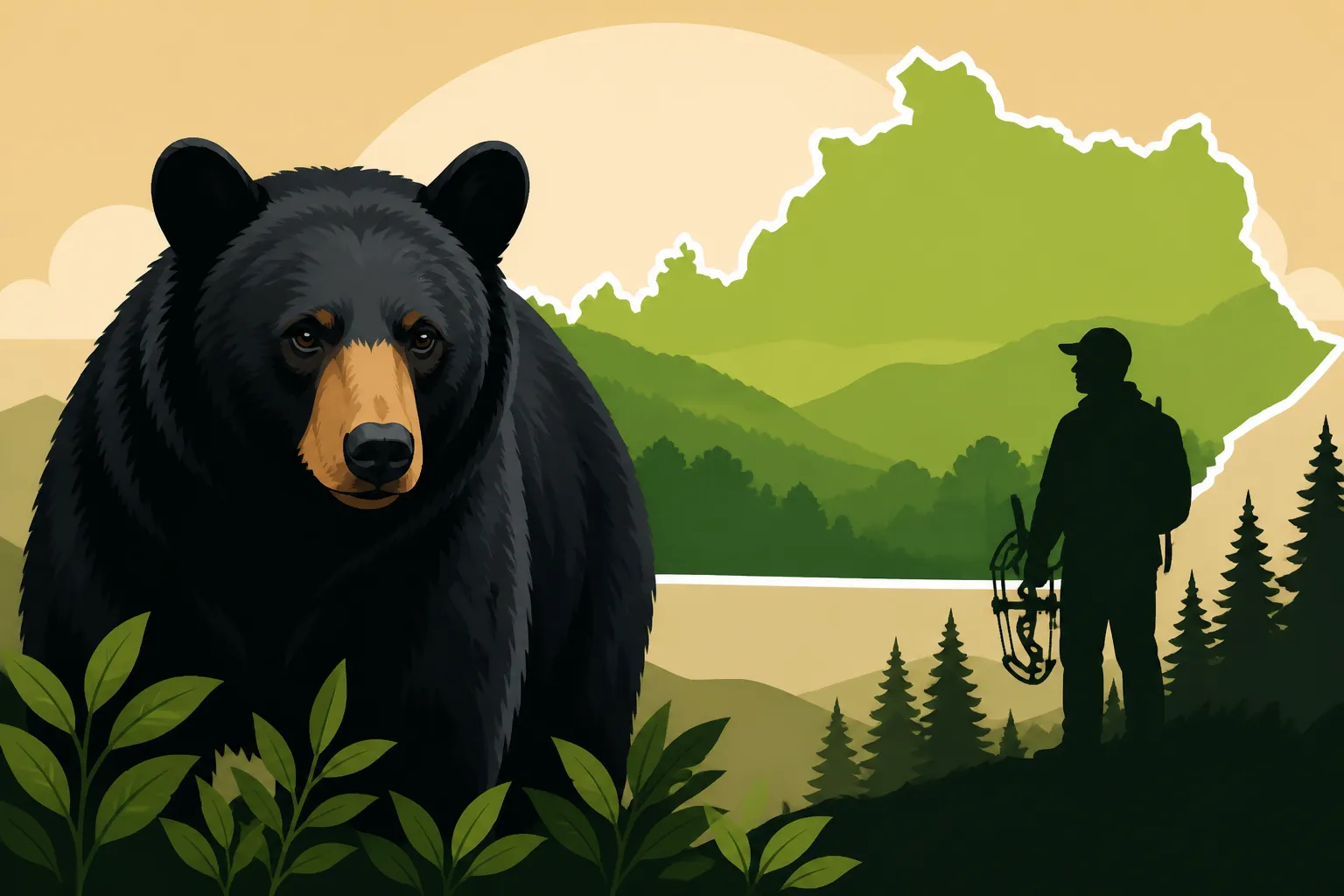
Today, Kentucky's black bear population is largely concentrated in the mountainous, heavily forested counties of the southeast. This region provides the ideal blend of dense timber, rugged terrain, and ample food sources that bears need to thrive. Counties like Harlan, Bell, Letcher, Pike, Leslie, and Knox are considered the strongholds, where breeding populations are well-established and sightings are increasingly common. These areas are characterized by extensive deciduous and mixed forests, often with steep slopes, remote hollows, and abundant mast-producing trees like oaks and hickories.
However, the bears aren't staying put. As their population grows, and younger males, in particular, disperse to find new territories, their range is steadily expanding. We're seeing more and more bears venturing into counties further west and north, pushing the boundaries of what was once considered "bear country." There have been confirmed sightings and even established individuals in areas closer to Central Kentucky. This expansion brings them into closer proximity with more populated areas and agricultural landscapes, leading to increased interaction, and sometimes, conflict.
Their preferred habitat really boils down to dense cover and food. They love remote areas where they can feel secure, but they’re not shy about venturing out when the call of a ripe berry patch or a heavy acorn crop beckons. You'll find them in places with thick underbrush, mature timber with large den trees, and near water sources. Many of Kentucky's Wildlife Management Areas (WMAs) and national forest lands, particularly within the Daniel Boone National Forest, offer prime bear habitat. Hunters exploring these areas, perhaps scouting for deer or turkeys, should always be aware of the potential for a bear encounter. When you're in the deep woods of the Cumberland Mountains, it's not just a possibility; it's a probability that you're sharing the landscape with these magnificent animals.
How Many Black Bears Does Kentucky Have?
This is a question many folks ask, and it's a tough one to answer with absolute certainty. Counting wild, elusive animals like black bears in dense forest is notoriously difficult. Unlike deer, which can be easily surveyed from the air or through spotlight counts, bears prefer thick cover, making direct observation challenging. However, the Kentucky Department of Fish and Wildlife Resources (KDFWR) employs a variety of methods to estimate the population and track its growth. These include DNA hair snare surveys, where bears rub against barbed wire, leaving behind hair samples for genetic analysis, and monitoring nuisance reports, harvest data, and confirmed sightings.
Based on these efforts, the KDFWR estimates that Kentucky's black bear population is well into the thousands, with conservative figures often suggesting between 2,000 to 5,000 individuals, and likely growing. What's truly remarkable is not just the sheer number, but the continuous upward trend. For folks who haven't seen a bear in the wild, this number might seem surprising. "Are there really that many?" is a common and understandable reaction. But for those of us who regularly traverse the deep hollers and ridges of eastern Kentucky, the increased frequency of tracks, scat, and occasional sightings confirms the data.
This population growth is a success story for wildlife conservation. It signifies that Kentucky's landscapes are healthy enough to support these large predators once again. However, it also means that human residents and recreationists, especially hunters, need to adapt to a new reality. Understanding the scale of this population helps us appreciate the importance of responsible behavior and management strategies to ensure continued coexistence. We've gone from zero bears to a thriving, expanding population, and that's something to celebrate, cautiously, with respect for these powerful animals.
Bear Biology and Behavior in the Commonwealth
Understanding black bear biology and behavior isn't just fascinating; it's crucial for anyone who lives or recreates in Kentucky's bear country. Knowing what they eat, when they reproduce, and how they move through the landscape helps us minimize conflicts and appreciate their role in the ecosystem.
Diet and Foraging Habits Through the Seasons
Black bears are true omnivores, meaning they eat both plants and animals, and their diet shifts dramatically with the changing seasons in Kentucky. This adaptability is key to their survival and thriving population. In spring, after emerging from their dens, bears are often looking for easily digestible greens, tender shoots, and any carrion they can find. As spring progresses into summer, berries become a primary food source. Think blackberries, raspberries, and blueberries. They'll spend hours meticulously stripping bushes clean. You might also find them overturning rocks and logs in search of insects like grubs and ants, or even raiding beehives if they find them.
But the real feast begins in late summer and fall. This is when Kentucky's forests truly deliver a bounty of "hard mast" – acorns from our abundant oak trees, hickory nuts, and beechnuts. These high-calorie, high-fat foods are absolutely critical for bears to pack on enough weight to survive the winter denning period. A good mast year means healthy, fat bears; a poor mast year can lead to bears being more active, moving further in search of food, and potentially increasing interactions with humans as they look for alternative sustenance. This is why you'll often hear about increased bear activity during times of natural food scarcity. They are driven by an instinctual need to build up fat reserves, and if the woods aren't providing, they'll seek out other options, sometimes leading them into yards or campgrounds.
While primarily vegetarians, bears are opportunistic feeders. They'll eat fawns, small rodents, and even occasionally livestock or poultry if given the chance. More often, however, they're scavenging on deer carcasses left by hunters or roadkill. Their powerful sense of smell, far superior to a bloodhound's, guides them to these food sources, which is why securing attractants around your home or campsite is so vital. Failing to do so can quickly teach a bear that human areas offer an easy meal, leading to nuisance behavior.
Denning and Reproduction Cycles
For Kentucky's black bears, the cooler temperatures of late fall signal the approach of denning season. While not true hibernators in the same sense as some other mammals, bears enter a state of torpor, a deep sleep where their metabolic rate, heart rate, and body temperature all decrease significantly. The timing of denning can vary based on food availability and weather, but generally, bears in Kentucky will seek out dens from late November through December. They look for protected spots: hollow trees, rock crevices, brush piles, or even simply a shallow depression under a fallen log. These dens offer shelter from the elements and predators, allowing them to conserve energy through the lean winter months.
It's during this denning period that the miracle of reproduction often takes place. Pregnant sows will give birth to their cubs, typically in January or February, while still in the den. A litter usually consists of one to three cubs, though occasionally four. These newborns are incredibly small and helpless, weighing only about half a pound, blind and nearly hairless. They rely entirely on their mother's rich milk for survival, growing rapidly within the warmth and safety of the den. By the time spring arrives and the family emerges, the cubs have grown considerably, often weighing several pounds and ready to explore the world with their mother.
The sow will keep her cubs with her for about a year and a half, teaching them everything they need to know to survive: what to eat, where to find food, how to recognize danger, and how to avoid humans. This long maternal care period means that if you see a small bear, its mother is almost certainly nearby and will be very protective. As the cubs approach two years old, typically in their second summer, the sow will separate from them, preparing to breed again. This is when these young bears disperse, sometimes traveling significant distances in search of their own territory, which explains why we occasionally see Bears Moving Into Central Kentucky or other areas outside the primary range. Understanding their reproductive cycle is crucial for management, especially when considering the impact of Kentucky Bear Harvest Numbers on population health and growth. We need to ensure enough sows are left to continue growing the population.
Understanding Black Bear Movement and Activity Patterns
Black bears are not static creatures; they are constantly on the move, driven by the search for food, mates, or new territory. Their daily and seasonal activity patterns are influenced by a combination of factors, including food availability, human presence, and weather. While bears are often characterized as primarily nocturnal, they can be active at any time of day, particularly in areas with less human disturbance. Many sightings in Kentucky occur during daylight hours, especially during early morning or late evening when they might be foraging in open areas or crossing roads.
The home range of a black bear can vary significantly. Adult males generally have much larger home ranges than females, sometimes covering hundreds of square miles as they roam to find mates or diverse food sources. Females, especially those with cubs, will have smaller, more concentrated territories, particularly if food is abundant. These movements are often what lead to surprising sightings. A young male, perhaps newly independent from its mother, might travel 50 to 100 miles or more in search of an unoccupied territory, leading to reports of bears in unexpected counties.
Seasonal movements are also pronounced. As discussed, bears are focused on foraging in the spring and summer, leading to more widespread activity. In the fall, their movements become intensely focused on mast crops. If acorns are abundant on one ridge, bears will concentrate their activity there, sometimes traveling miles to reach a preferred feeding area. When mast crops fail in one area, they might be forced to make longer journeys, increasing their visibility and potential for human interaction. This is where tools like GoHunt's mapping features can be incredibly useful for hunters or hikers, helping them understand the terrain and potential travel corridors for bears, as well as finding areas that might hold better food sources. Knowing these patterns, such as where Kentucky Gobblers Roost or where elk might be found, can also give you insight into where bears might be present, as they often share similar habitat preferences and food sources. It validates the varied sightings we hear about, reminding us that these animals are dynamic and adaptable, constantly responding to their environment.
Living and Recreating Safely in Bear Country
With Kentucky's black bear population thriving and expanding, it's more important than ever for residents and visitors alike to learn how to coexist safely with these magnificent animals. Conflicts typically arise when bears associate humans with food, so prevention is always the best strategy.
Minimizing Human-Bear Conflicts Around Homes and Campsites
The vast majority of human-bear conflicts stem from bears getting access to human food sources or garbage. Bears are incredibly intelligent and have an exceptional sense of smell, capable of detecting odors from over a mile away. Once a bear learns that a human residence, campsite, or dumpster is an easy source of high-calorie food, it will repeatedly return, becoming what is known as a "nuisance bear." This is where the old saying, "a fed bear is a dead bear," unfortunately rings true, as nuisance bears often have to be euthanized for public safety.
To avoid this, securing attractants is paramount. If you live in or visit bear country, even if you’re just on the edge of it, you need to:
- Secure your garbage: Use bear-resistant trash cans if available, or keep garbage stored in a sturdy garage or shed until collection day. Never leave trash out overnight.
- Remove bird feeders: While charming, bird feeders are calorie bombs for bears. Take them down from April through November, or if bears are known to be active in your area.
- Store pet food indoors: Pet food, especially dry kibble, is highly attractive to bears. Feed pets indoors or ensure any outdoor food is removed immediately after they've eaten.
- Clean grills: After using a barbecue grill, make sure to clean it thoroughly and either store it in a secure location or burn off all food residue.
- Protect livestock and beehives: Electric fencing is often the most effective deterrent for bears seeking out chickens, goats, or honey.
- Pick ripe fruit: If you have fruit trees, pick ripe and fallen fruit regularly.
When camping in areas like the Big South Fork or the Daniel Boone National Forest, the rules are similar but intensified. Never leave food unattended. Store all food, cooking gear, and scented items (like toothpaste or deodorant) in bear-resistant containers, hung from a tree using a bear bag system, or locked inside your vehicle. Do not cook or eat in your tent. Proper food storage practices are critical to preventing Bear Encounters Around Eastern Kentucky Cabins and campsites, ensuring a safe and enjoyable experience for everyone.
What to Do If You Encounter a Bear
Even with all the precautions, encountering a bear in the wild is always a possibility. The key is to know how to react calmly and appropriately to minimize any potential danger. Most black bear encounters are harmless, as bears typically want to avoid humans.
If you see a bear from a distance:
- Do not approach the bear: Give it plenty of space.
- Do not run: Running can trigger a chase response.
- Make noise: Talk loudly, clap your hands, or bang pots and pans to alert the bear to your presence.
- Back away slowly: Move in a direction that gives the bear an escape route.
If a bear approaches you:
- Stand your ground and make yourself look large: Raise your arms, open your jacket, and speak in a loud, firm voice.
- Make loud noises: Yell, clap, and make as much commotion as possible.
- Do not make eye contact: This can be seen as a challenge.
- If you have bear spray, prepare to use it: Bear spray (a highly concentrated pepper spray) is an effective deterrent for aggressive bears, but only use it if the bear is within close range (typically 15-30 feet) and exhibiting aggressive behavior. Always know the regulations for carrying bear spray on public lands you are visiting.
Distinguishing between a defensive bear and a predatory bear is important, though predatory attacks are extremely rare with black bears. A defensive bear, usually a sow with cubs or a bear protecting a food source, might bluff charge, swat the ground, or make huffing sounds. In these cases, continue to make noise and back away slowly. A predatory bear, which is almost unheard of with black bears, would approach silently, stalk you, and view you as prey. In the extremely unlikely event of a predatory attack, fight back aggressively. However, most bears are simply curious or trying to figure out what you are, and making your presence known usually convinces them to leave.
Reporting Bear Sightings and Conflicts
The KDFWR relies heavily on public reports to track bear activity, manage the population, and address conflicts. Every sighting, whether it's a bear crossing the road, raiding a bird feeder, or simply a set of tracks, provides valuable data that helps wildlife biologists understand bear distribution, population trends, and expansion.
If you see a bear, especially if it's exhibiting unusual behavior, appears injured, or is creating a nuisance situation, it's crucial to report it. You can do this by contacting your local KDFWR conservation officer or by calling the department directly. They have dedicated staff who can assess the situation and provide guidance.
For hunters and outdoor enthusiasts, the KDFWR also offers digital tools to help. Many have found the Kentucky Hunt Fish App to be incredibly useful not just for licenses and regulations, but often for reporting various wildlife observations. This app is a great resource for seeing the general outline of Kentucky Wildlife Management Areas and other public lands where bear activity is prevalent. Your reports contribute directly to the department's knowledge base and influence future management decisions, ensuring that both bears and humans can safely share Kentucky's natural resources. It's about being a responsible steward of our wildlife.
Kentucky's Black Bear Management Strategy
Managing a growing population of a large, charismatic species like the black bear requires a thoughtful, science-based approach. The Kentucky Department of Fish and Wildlife Resources (KDFWR) has developed a comprehensive strategy that balances conservation, public safety, and responsible recreation.
The Role of Hunting in Population Management
For many non-hunters, the idea of hunting bears might seem counterintuitive to conservation. However, regulated hunting is often a vital and effective tool in modern wildlife management, and it plays a significant role in managing Kentucky's black bear population. As bear numbers have grown and their range expanded, so too have the instances of human-bear conflict, such as property damage, livestock depredation, and general nuisance behaviors. Unchecked growth can lead to an overpopulation that strains available natural resources and increases negative interactions with humans.
A carefully managed hunting season helps to:
- Control population growth: By harvesting a sustainable number of bears, the KDFWR can help stabilize the population at a level that is compatible with both the carrying capacity of the habitat and human tolerance. This prevents the population from becoming so dense that it leads to widespread starvation or disease among the bears themselves, or excessive conflicts with people.
- Reduce conflicts: Hunting can target areas where conflicts are highest, effectively reducing the number of bears in specific problem zones. It also helps to instill a healthy fear of humans in bears, making them more wary and less likely to approach residential areas.
- Provide data: Each harvested bear provides valuable biological data, such as age, sex, and physical condition, which helps KDFWR biologists monitor the health and dynamics of the overall population. This information is crucial for making informed decisions about future hunting seasons and management strategies, contributing to the overall understanding of Kentucky Bear Harvest Numbers.
- Fund conservation: The sale of bear permits and hunting licenses generates revenue that directly supports wildlife research, habitat improvement projects, and law enforcement efforts, benefiting bears and all other wildlife in the state.
The decision to open a bear hunting season in Kentucky was not taken lightly, but was a necessary step as the population demonstrated its robust recovery and continued growth. It reflects a commitment to active management to ensure the long-term health of the bear population and safe coexistence with Kentucky's human residents.
Kentucky's Bear Zone System Explained
To effectively manage a species with a varied distribution and differing levels of human-bear interaction across the state, the KDFWR implemented a specialized Bear Zone system. This system divides the state into different zones, each with its own set of regulations and harvest quotas, allowing for more localized and responsive management. This approach ensures that hunting pressure can be applied where it's most needed, without over-harvesting in areas where bear populations are still establishing themselves.
- Bear Zone One: This zone encompasses the core counties in southeastern Kentucky where bear populations are most dense and well-established. Counties like Harlan, Leslie, and Bell are typically included. These areas often have higher harvest quotas and longer season dates, reflecting the robust bear numbers and the need for more active management to mitigate conflicts and stabilize the population. Check out the Kentucky Bear Zone One County List for exact boundaries, as these can be updated by KDFWR.
- Bear Zone Two: Surrounding Zone One, this zone includes counties where bears are present but perhaps not as densely populated or as widely distributed. Counties like Clay, Knox, Laurel, and McCreary might fall into this category. Regulations here are often more conservative than in Zone One, with lower quotas and shorter seasons, allowing for continued population growth while still offering hunting opportunities. The Kentucky Bear Zone Two County List details these specific counties.
- Bear Zone Three: This is a newer addition to the system, created to manage bears in counties that have seen increasing bear activity due to population expansion, but are not yet considered core habitat. It often includes counties where bears are still establishing breeding populations or where isolated individuals are moving through. For instance, Why Clinton and Wayne Joined Bear Zone Three reflects the KDFWR's adaptive management as bears expand their range, necessitating specific regulations to manage these newer populations. These zones often have very limited quotas or specific harvest criteria, focusing on data collection and targeted removals if conflicts arise.
The Bear Zone system allows KDFWR biologists to fine-tune hunting opportunities and management efforts based on local bear population dynamics, habitat conditions, and levels of human-bear conflict. Hunters must be intimately familiar with which zone they are hunting in, as the rules can vary significantly, especially regarding Kentucky Bear Archery Season Dates and Kentucky Bear Firearms Season Dates.
Research and Monitoring Efforts by KDFWR
The KDFWR is continuously engaged in robust research and monitoring efforts to ensure their bear management strategies are effective and based on the most current scientific data. This isn't just about setting seasons; it's about understanding the health, growth, and distribution of the entire population.
These efforts include:
- Mark-Recapture Studies: Biologists capture bears, apply ear tags and sometimes GPS collars, and then release them. This allows them to track individual movements, estimate survival rates, and monitor population size. GPS collars provide invaluable data on habitat use, denning locations, and range expansion, helping to understand where Bears Moving Into Central Kentucky are coming from and how far they travel.
- DNA Hair Snare Surveys: As mentioned earlier, placing barbed wire around attractants collects hair samples without needing to capture the bear. Genetic analysis of these samples can identify individual bears, estimate population size, and track genetic diversity.
- Harvest Data Collection: Every hunter who harvests a bear must report it through the Telecheck system and often provide biological samples (like a tooth for aging) and information on the harvest location. This data, collectively forming the Kentucky Bear Harvest Numbers, is crucial for assessing the age structure, sex ratios, and overall health of the population. This information directly influences decisions like Why Kentucky Dropped the Bear Harvest Quota in some years, as KDFWR can make real-time adjustments based on harvest trends.
- Nuisance Bear Response and Conflict Monitoring: Every call about a nuisance bear or human-bear conflict is logged and investigated. This helps identify "hot spots" where conflicts are frequent and informs public education efforts and targeted management actions. Monitoring Bear Encounters Around Eastern Kentucky Cabins, for example, helps guide homeowner education and prevention programs.
These comprehensive research and monitoring programs are foundational to Kentucky's successful black bear conservation story. They provide the KDFWR with the scientific backing to manage this growing resource responsibly, ensuring a healthy bear population for future generations while minimizing potential issues for human residents.
Hunting Kentucky Black Bears
For those drawn to the unique challenge and reward of pursuing big game, hunting black bears in Kentucky offers an unparalleled experience. It requires preparation, a deep understanding of regulations, and respect for the animal.
Navigating Kentucky's Bear Season Rules and Regulations
Embarking on a Kentucky bear hunt means first and foremost understanding and adhering to the state's specific rules and regulations. This isn't like hunting deer or turkey, where seasons are usually more straightforward. Bear hunting often has more nuanced rules due to the ongoing management of a recovering population.
Here’s a breakdown of what you need to know:
- Permit Requirements: You'll need a Kentucky hunting license and a specific bear permit. Don't forget to check the current Kentucky Bear Tag Cost, as fees can change from year to year. Make sure you purchase these well in advance of the season.
- Season Dates: Bear hunting seasons are typically short and often split into archery/crossbow and firearms seasons, and sometimes even by method (e.g., still hunting vs. dog hunting). The Kentucky Bear Archery Season Dates and Kentucky Bear Firearms Season Dates will be critical to note, as they are usually brief windows. These dates can also vary by the specific Bear Zone you intend to hunt.
- Harvest Quotas: This is perhaps the most unique aspect of Kentucky bear hunting. Historically, KDFWR has managed bear hunting with statewide or zone-specific quotas. This means that hunting in a particular zone, or for a specific sex of bear, will close immediately once the pre-determined harvest quota is met, regardless of the published season dates. This is why you should always check the KDFWR website or their official app daily during the season to see if a zone or sex has been closed to hunting. The decision to implement or modify these quotas, such as Why Kentucky Dropped the Bear Harvest Quota in some recent seasons, is a direct reflection of population health and harvest objectives.
- Checking Requirements: If you're fortunate enough to harvest a bear, the work isn't over. You are legally required to report your harvest via Telecheck. Additionally, you will often need to present the bear at a KDFWR check station within a specified timeframe for biological data collection. This is where the Kentucky Bear Checking Requirements come into play, which may include providing a tooth for aging or other samples. Failing to follow these steps can result in serious penalties.
- Blaze Orange Requirements: During firearms seasons, and often during archery seasons when firearms deer seasons overlap, blaze orange or blaze pink is required. Always double-check the current regulations for the specific season and weapon you're using.
Staying up-to-date with the KDFWR hunting guide and any in-season updates is absolutely vital for a legal and successful bear hunt in Kentucky.
Essential Gear and Tactics for Bear Hunting
Hunting black bears in Kentucky, especially in the rugged terrain of the eastern mountains, demands reliable gear and effective tactics. The dense cover and steep topography present unique challenges.
When it comes to firearms, you'll want something with enough power for a clean, ethical harvest. Many hunters opt for popular deer calibers like the .30-06, .308, or .270, which are also suitable Rifle Calibers for Kentucky Bear. Some prefer larger calibers like the .300 Win Mag or .338 Win Mag for increased stopping power, especially in thick cover. Accuracy is paramount, so ensure your rifle is sighted in properly for the distances you anticipate shooting. For those using archery gear, a powerful compound bow or crossbow with heavy arrows and strong, sharp broadheads (fixed blade preferred for penetration) is essential for timber shots. Your draw weight should be sufficient to punch through the thick hide and bone of a bear.
Optics are crucial for spotting bears in low light or dense vegetation. Quality binoculars (10×42 or 12×50 are popular) can help you pick apart distant ridges and identify subtle movements. A reliable rangefinder is also key for ethical shot placement in varying terrain, especially when you might be looking across deep hollows. Consider a GPS unit or a reliable hunting app like GoHunt for navigation, as many bear hunting areas, such as the Pine Mountain Bear Zone Public Ground, are vast and can be disorienting, and cell service can be spotty.
Tactically, still-hunting or spot-and-stalk are common methods during archery and firearms seasons. This involves moving slowly and quietly through likely bear habitat, often focusing on areas with abundant mast crops (acorns, hickory nuts) or berry patches. Bears often utilize logging roads, old trails, and creek bottoms as travel corridors, so scouting these areas for fresh sign like tracks, scat, and overturned rocks can be highly productive. If legal and ethical in the specific zone, hunting over natural food sources (not baiting in prohibited areas) is another approach. Bear Bait Barrels and Site Gear might be permitted in some states or on private land, but always verify current Kentucky regulations, as baiting for bears is typically prohibited on public lands. During the specialized bear dog season, hunters use trained hounds to track and tree bears. This requires a different set of gear, including GPS Collars for Pine Mountain Bear Hounds and robust cut vests for the dogs. Regardless of your method, patience, stealth, and an understanding of bear behavior are your greatest assets.
Ethical Considerations and Post-Harvest Procedures
Ethical hunting is about respect for the animal and the resource. When bear hunting, this means ensuring a clean, quick harvest and proper care of the animal after the shot.
- Shot Placement on a Kentucky Black Bear: Bears have vital organs located in a slightly different configuration than deer, and their thick hide, heavy fur, and dense fat layers can make penetration challenging. Aiming for the shoulder or just behind it, targeting the heart and lungs, is crucial. Avoid head or neck shots, as these are often unreliable and can result in a wounded animal. Wait for a broadside or quartering-away shot that offers the best opportunity for a lethal strike.
- Tracking and Recovery: After the shot, give the bear plenty of time before beginning to track. Bears are incredibly tough and can travel significant distances, even with a mortal wound. If you're unsure of your shot, waiting several hours (or even overnight if conditions are cold and safe) is often advisable. Tracking a large bear through dense Kentucky leaf litter or steep hollers can be challenging, so having a good blood trailing kit, a bright headlamp, and a clear plan is essential. For safety, it's always best to track with a partner, especially when approaching a downed bear.
- Handling a Bear After the Shot: Once recovered, bears should be field dressed quickly to cool the meat, especially in warmer early season conditions. Bears have a thick layer of fat, and if not cooled properly, the meat can spoil rapidly. Many hunters opt for the gutless method in the field to minimize weight and make dragging easier. You'll need stout knives and perhaps a bone saw. Pack out as much meat as possible, ensuring you follow all regulations regarding mandatory parts to be presented at a check station.
- Meat Care and Processing: Bear meat can be delicious, but like all wild game, proper care is essential. It's often best to remove as much fat as possible during butchering, as bear fat can sometimes impart a strong flavor. Bear meat also needs to be cooked thoroughly to an internal temperature of at least 160°F (71°C) to kill any potential parasites, like Trichinella, which are rare but can be present. Freezing and shipping game meat is also an option for those who live out of state.
Bear hunting in Kentucky is a privilege that comes with significant responsibility. By adhering to regulations, practicing ethical hunting techniques, and showing respect for the animal, you contribute to the continued health and sustainable management of this incredible comeback story.
Future of Black Bears in Kentucky
The return and expansion of black bears in Kentucky represent one of the state's most compelling conservation success stories. Looking ahead, the future involves continued management, adaptation, and a growing understanding of how humans and bears can truly coexist.
Challenges and Opportunities for Expansion
Kentucky's black bear population has shown a remarkable ability to rebound and expand, but this growth also brings inherent challenges and new opportunities. The primary challenge lies in the increasing interface between bears and human populations. As bears venture out of their traditional southeastern strongholds, they encounter more homes, farms, and roadways, leading to more frequent human-bear conflicts, from property damage to vehicle collisions. Public acceptance can wane if these conflicts become too common, making education and proactive prevention measures even more critical.
Habitat connectivity is another challenge. While eastern Kentucky offers vast tracts of forested land, further west, the landscape becomes more fragmented by agriculture, urban development, and infrastructure. Creating and maintaining safe travel corridors for bears between suitable habitat patches is an opportunity to facilitate natural expansion while minimizing isolated populations that might struggle. Continued management of Kentucky's elk herd, particularly the application for a Kentucky Elk Quota Hunt, might also indirectly impact bear movement, as both species utilize similar dense woodland habitat.
On the opportunity side, the expansion of bears into new territories could lead to their re-establishment in parts of the state where they haven't been seen in over a century. This broadens the genetic diversity of the population and strengthens its overall resilience. It also provides incredible research opportunities for KDFWR biologists to study how bears adapt to new environments and how management strategies need to evolve. For outdoor enthusiasts, it means the chance to encounter these magnificent animals in an ever-widening area, deepening our connection to Kentucky's wild heritage.
Ongoing Conservation Efforts
The ongoing success of Kentucky's black bear population is not accidental; it's the result of dedicated, long-term conservation efforts spearheaded by the KDFWR, supported by hunting license fees, and aided by public cooperation. These efforts are multifaceted:
- Habitat Protection and Enhancement: KDFWR works to protect existing bear habitat, particularly in core zones, and improve it where possible. This can involve forest management practices that promote mast production, protecting riparian corridors, and working with private landowners on habitat restoration. The health of the Daniel Boone National Forest, for example, is paramount to the continued well-being of the bear population.
- Public Education and Outreach: A huge part of conservation in a growing bear population involves educating the public on how to live safely with bears. This includes campaigns on securing attractants, what to do during a bear encounter, and the importance of reporting sightings. These efforts are vital to fostering understanding and reducing negative interactions.
- Research and Monitoring: As discussed, continuous research into bear population dynamics, health, movements, and genetics is fundamental. This scientific foundation allows KDFWR to make informed, adaptive management decisions, such as adjusting harvest quotas or expanding bear zones. Monitoring efforts like those focused on Bear Cub Survival Rates help understand the population's reproductive success.
- Law Enforcement: Conservation officers play a crucial role in enforcing regulations, investigating poaching, and responding to human-bear conflicts. Their presence helps ensure that bears are treated with respect and that illegal activities are curbed.
These comprehensive conservation strategies are critical to ensuring that Kentucky's black bears continue to thrive and remain a valued part of our natural heritage for generations to come.
Coexisting with a Growing Bear Population
The ultimate goal for Kentucky's black bear population is harmonious coexistence between humans and bears. This isn't just about managing numbers; it's about fostering a culture of respect, awareness, and shared responsibility. The success story of Kentucky's bear population is a testament to what can be achieved through sound wildlife management and public cooperation.
As bears continue to expand their range, more Kentuckians will find themselves living in or near bear country. This means adapting our habits and perceptions. We need to move beyond fear or sensationalism and embrace a realistic understanding of black bears as generally shy, intelligent animals driven by instinctual needs, primarily food.
The future of black bears in Kentucky depends on:
- Continued Public Education: Ongoing campaigns about bear-wise practices are essential, especially as new communities become accustomed to having bears around.
- Adaptive Management: The KDFWR will need to remain flexible, adjusting regulations, hunting seasons, and educational programs as the bear population evolves and expands.
- Responsible Recreation: Hunters, hikers, campers, and all outdoor enthusiasts must take personal responsibility for their actions in bear country, minimizing their impact and maximizing safety. Using resources like GoHunt to scout areas and understand wildlife patterns is a great example of this responsibility.
- Understanding the "Why": Recognizing that bears are simply seeking food, mates, or new territory helps frame our response to their presence. Most "nuisance" behavior can be prevented by removing attractants.
Kentucky's black bears are a symbol of wildness returned. Their presence enriches our ecosystems and adds an incredible dimension to our outdoor experiences. By understanding them, respecting their needs, and responsibly managing our interactions, we can ensure that these magnificent creatures continue to roam the hills and hollers of the Commonwealth for a long, long time.
Disclaimer
The information provided in this guide is for general informational purposes only and is subject to change. Hunting regulations, season dates, and zone boundaries are determined by the Kentucky Department of Fish and Wildlife Resources (KDFWR) and can be updated annually or even in-season. Always consult the most current official KDFWR hunting guide and any in-season updates for the most accurate and up-to-date regulations before participating in any hunting activities. It is the individual hunter's responsibility to know and follow all applicable laws.