Kentucky Managed Hunt Sign-Up Deadlines
It’s a tale as old as time for Kentucky hunters: you hear whispers of an incredible managed hunt on a prime piece of land, maybe even a state park or a specific WMA, but by the time you look into it, the application deadline has already come and gone. It’s incredibly frustrating to miss out on these fantastic, often less-pressured opportunities simply because the dates and processes felt like a moving target. This guide is here to untangle the complexities of Kentucky’s managed hunt sign-up deadlines, helping you stay on top of the opportunities and finally throw your hat into the ring for those coveted hunts.
Understanding Kentucky's Managed Hunt System
Managed hunts in Kentucky are special, controlled hunting opportunities designed to balance wildlife management goals with quality hunting experiences. Unlike general season hunting where you can simply hit public or private land with the right license, managed hunts operate on a limited-entry, often lottery-based system. They are typically held on specific Wildlife Management Areas (WMAs), state parks, or other designated lands where hunter numbers are carefully regulated. This helps reduce pressure on game animals, allows for specific population control, and often results in a higher quality hunt for those lucky enough to draw a tag.
Think of it as gaining access to a VIP section of Kentucky's hunting grounds. These aren't just random dates; they're carefully planned events that consider everything from breeding cycles to crop damage, ensuring sustainable hunting while offering unique experiences. Missing a deadline here means missing a chance at some of the best hunting experiences Kentucky has to offer, which is why staying informed is so crucial.
What Makes Managed Hunts So Special?
The allure of managed hunts is multifaceted, drawing in thousands of applicants each year. First and foremost, they offer significantly reduced hunter pressure. On a typical opening weekend of Kentucky's statewide modern gun season, you might feel like you're sharing the woods with half the county. Managed hunts, by contrast, limit the number of participants, creating a much more peaceful and often more productive environment. This reduced pressure can lead to animals exhibiting more natural behavior, making them more predictable for savvy hunters.
Beyond the tranquility, many managed hunts take place on properties that are otherwise closed to hunting, such as certain state parks or private land tracts. This gives hunters access to unique landscapes and potentially unpressured game. Often, these areas have excellent habitat, leading to bigger, healthier animals. For example, some managed deer hunts on state parks have reputations for producing impressive bucks simply because the deer aren't constantly harassed. These hunts also play a vital role in conservation by allowing the Kentucky Department of Fish and Wildlife Resources (KDFWR) to manage specific populations, like antlerless deer, more precisely to maintain herd health and balance with available habitat.
The Lottery System: How it Works and What to Expect
The vast majority of managed hunts in Kentucky operate through a lottery or draw system. This means you apply during a specific window, and then KDFWR conducts a random drawing to select participants. It's not about being the fastest finger; it's about getting your application in on time. For some highly coveted hunts, like certain elk permits or special quota deer hunts, the odds can be quite low, which only adds to the excitement if you do draw.
While Kentucky generally doesn't have a complex preference point system like some western states, your best strategy is simply to apply consistently. Each application is typically treated as a fresh entry, though some specialized draws might have unique rules. You'll usually apply online through the KDFWR website, often needing your Kentucky hunting license and any species-specific permits (like a deer or turkey permit) already purchased. It’s also common to pay a small application fee. Don't forget that you can often apply as a group, which is a fantastic way to coordinate a hunt with friends or family. Just be sure to read the specific hunt rules carefully, as group size limits and requirements can vary.
Navigating the Managed Hunt Application Windows
Keeping track of managed hunt deadlines can feel like a full-time job if you're not organized. The Kentucky Department of Fish and Wildlife Resources (KDFWR) is the primary source for all official dates, but those dates can shift slightly from year to year. Generally, the application periods are tied to the species and the timing of the hunt itself. Staying proactive is key to not missing out.
Annual Application Timelines for Major Species
While specific dates are always subject to change by KDFWR, we can generally outline the typical windows you should be watching for Kentucky's most popular managed hunts.
- Deer Managed Hunts: These are the most common managed hunt opportunities. Applications for managed deer hunts, which often occur in the early fall (archery, crossbow, muzzleloader, or modern gun), typically open in mid-to-late July and close in mid-to-late August. Results are usually announced in early September. This gives successful applicants time to prepare for hunts that might start as early as late September or run through October and November. Many state parks and WMAs, like Green River Lake Public Hunting Ground or portions of Daniel Boone National Forest, will have specific managed deer hunts.
- Spring Turkey Managed Hunts: If you dream of chasing gobblers on limited-access land, mark your calendar for late winter. Applications for spring turkey managed hunts generally open in late January or early February and close in late February or early March. The draw results often come out in mid-March, just a few weeks before the Kentucky spring turkey opening day. These hunts are especially popular, as they can offer incredible success rates on less-pressured birds.
- Elk Quota Hunts: These are the big ones! Kentucky's elk herd is world-renowned, and drawing an elk permit is a once-in-a-lifetime opportunity for many. The application period for Kentucky's Elk Quota Hunt Rules is typically quite long, often opening in January and closing in late April or early May. Results are usually announced in mid-to-late May. Given the low draw odds, applying every year is crucial for anyone hoping to hunt Kentucky's Record Elk Herd.
- Bear Quota Hunts: While Kentucky's Bear Zone System has evolved, and opportunities are primarily in southeastern Kentucky, managed bear hunts also exist. Application periods are less frequent for specific managed hunts, but generally, interest in these coincides with the broader big game draws. Specific bear managed hunts (if offered) will typically follow similar timelines to deer/turkey, often in late summer, but always check the current KDFWR Big Game and Furbearer guide for the latest details.
It's critical to note that these are general windows. Always double-check the KDFWR website or the current Hunting & Trapping Guide for precise dates for the upcoming season.
Essential Resources for Hunters
Staying informed doesn't have to be a scramble. There are several key resources Kentucky hunters should bookmark and check regularly:
- KDFWR Official Website: This is your absolute primary source. Look for sections titled "Managed Hunts," "Quota Hunts," or "Draw Results." They will post official application dates, rules, and the results of the draws. They also often provide detailed maps and specific regulations for each managed hunt location.
- KDFWR Hunting & Trapping Guide: This annual publication is invaluable. It contains all the season dates, bag limits, and general regulations, but also a dedicated section for managed hunts. It’s available online as a PDF and often in print at license vendors.
- Email Newsletters and Social Media: The KDFWR often sends out email alerts when managed hunt application periods open or close. Following their social media channels can also provide timely reminders.
- Online Hunting Platforms: Beyond KDFWR, platforms like GoHunt can be incredibly useful. GoHunt offers tools to track application deadlines, research draw odds for different states (including Kentucky where data is available), and even help you discover new hunting opportunities you might not have known about. While KDFWR is the official source, GoHunt can be a fantastic supplementary resource for staying organized and informed about the broader landscape of hunting applications, often consolidating information that might be scattered across various state agency pages. They can help you set reminders for upcoming managed hunt sign-up deadlines, ensuring you don't miss that critical window.
- The Kentucky Hunt Fish App: This mobile app is a great resource, too. It often provides access to regulations, maps, and sometimes even direct links to application portals, making it easier to manage your hunting endeavors right from your phone.
The Application Process: Step-by-Step
Once you've identified the managed hunt you're interested in and know the deadlines, the actual application process is relatively straightforward. However, overlooking a small detail can disqualify your entry, so it pays to be meticulous.
Getting Your Hunter ID and Licenses in Order
Before you even think about applying for a managed hunt, you need to ensure your foundational hunting credentials are up to date. This means purchasing your annual Kentucky Hunting Licenses and What They Cost. For most managed deer or turkey hunts, you’ll also need the appropriate statewide deer or turkey permits already in your possession or purchased concurrently with your application. The KDFWR system will typically verify these during the application process.
If you're a first-time hunter or haven't hunted in Kentucky recently, make sure you meet the Kentucky Hunter Education Requirements. While you can sometimes utilize an apprentice hunter license, having your full hunter education certification is usually the most straightforward path. Without the proper base licenses and permits, your managed hunt application will likely be rejected, which is a heartbreaking way to miss out. Always make sure your customer ID is correct and consistent across all your purchases and applications.
Filling Out Your Application Successfully
The actual application is usually done online through the KDFWR portal. Here's a general walkthrough and some crucial tips:
- Log In: You’ll need your KDFWR customer ID and password. If you don't have one, you'll need to create an account, which typically involves providing personal details and confirming your residency status.
- Navigate to Managed Hunts: Look for a prominent link or section on the KDFWR website related to "Managed Hunts," "Quota Hunts," or "Drawings."
- Select Your Hunt: Browse the available managed hunts. Each entry will typically list the species, the location (WMA, State Park, etc.), the dates, the number of permits available, and the specific rules (e.g., archery only, either-sex, antlered only). Carefully read these details to ensure the hunt aligns with your expectations.
- Review Regulations: Before applying, download and read the specific regulations for that particular managed hunt. These can include restrictions on weapons, stand types, camping, and even vehicle access. For instance, some Pioneer Weapons Only WMAs might restrict your gear significantly.
- Individual vs. Group Application: Decide if you're applying as an individual or part of a group. If applying as a group, one person usually initiates the application and then invites others by their customer ID. All group members must also meet eligibility requirements and have the necessary licenses. Make sure everyone's details are correct.
- Payment: There's usually a non-refundable application fee. Have your credit card ready.
- Confirmation: Once submitted, you should receive a confirmation email. Keep this for your records. This is your proof that your application was received.
- Check Results: After the deadline, KDFWR will conduct the drawing and post the results online. You might also receive an email notification. It’s always a good idea to periodically check the KDFWR website for draw results, especially for high-demand hunts like applying for a Kentucky Elk Permit.
Common pitfalls include submitting incomplete applications, failing to purchase the required base licenses beforehand, or simply missing the deadline. Pay close attention to all instructions, and if you're unsure about anything, don't hesitate to contact KDFWR directly. Remember that while GoHunt can remind you of the deadlines, the actual application process is always through the official KDFWR channels.
Types of Managed Hunts and Opportunities
Kentucky offers a diverse array of managed hunting opportunities, catering to different species and hunter preferences. Understanding the various categories can help you target the hunts that best fit your goals.
Deer and Turkey Managed Hunt Opportunities
These are the bread and butter of Kentucky's managed hunt system. You'll find numerous opportunities for both deer and turkey across various WMAs and State Parks. For deer, managed hunts can include archery, crossbow, muzzleloader, or modern gun seasons, often with unique antlerless or either-sex tags that aren't available in general seasons. Some popular locations that frequently host managed deer hunts include Peabody Wildlife Management Area in western Kentucky, or Green River Lake Public Hunting Ground in the central part of the state. These hunts are crucial for managing local deer populations and often provide excellent harvest opportunities. You can find detailed regulations for these in the Kentucky Deer Season Structure Explained document.
Spring turkey managed hunts are incredibly sought after. They offer a unique chance to hunt prime ground with minimal competition. Locations like Land Between the Lakes or various state parks often have specific spring turkey draws, with rules that might differ from the general Kentucky Spring Turkey Season Rules. Success rates on these hunts can be quite high due to the managed population and limited hunter numbers. If you're looking to fill your tag or just enjoy a quality spring gobbler experience, these draws are definitely worth applying for.
Elk and Bear Quota Hunts
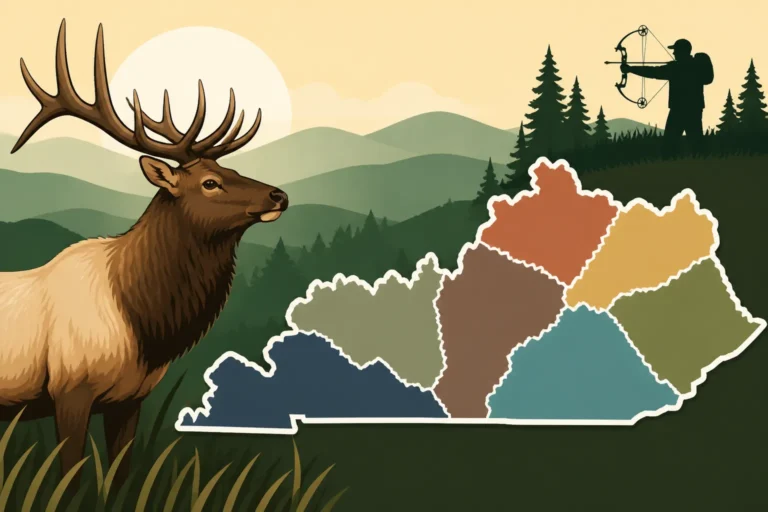
These are the crown jewels of Kentucky's managed hunts. The Kentucky Elk Quota Hunt Rules govern access to the largest elk herd east of the Mississippi River. These hunts are incredibly competitive, with thousands of applicants vying for a limited number of permits. There are bull, cow, and either-sex permits available, each with different application criteria and draw odds. The hunts take place within the Elk Restoration Zone, primarily in eastern Kentucky's coalfield counties. Successfully drawing an elk tag is a monumental achievement for any hunter and requires diligent annual applications.
Bear hunting in Kentucky is also managed, primarily through the Kentucky's Bear Zone System, but specific managed bear hunts can occasionally be offered. These are less frequent than elk draws but still provide controlled access to Kentucky's growing black bear population. Hunters interested in bear must be highly attentive to KDFWR announcements, as the rules and opportunities can evolve. These hunts are generally located in the rugged terrain of southeastern Kentucky.
Youth and Specialty Managed Hunts
Kentucky is dedicated to fostering the next generation of hunters, and as such, often provides special youth-only managed hunts. These are fantastic opportunities for young hunters to experience a high-quality hunt in a safe, controlled environment, often with a higher chance of success. Keep an eye out for dedicated youth deer or turkey hunts, which are sometimes tied to the Free Youth Weekend in December or the Kentucky Youth Turkey Weekend. These hunts often have less competition and are designed to provide an encouraging introduction to hunting.
Additionally, KDFWR sometimes offers specialty managed hunts, such as those for individuals with disabilities, or specific research hunts. These opportunities might be less publicized but are valuable for specific segments of the hunting community. Always check the KDFWR website's managed hunt section for any such niche opportunities.
Remember, regardless of the species or type of hunt, diligent application and adherence to deadlines are paramount. Tools like GoHunt can help you keep track of these diverse opportunities, but the KDFWR website remains your official source for all rules and application processes.
Key Kentucky Managed Hunt Application Deadlines
To help you stay organized, here's a general overview of typical application windows for major managed hunts. Please remember these dates are approximate and can change annually. Always verify the exact dates on the official KDFWR website for the current year.
| Managed Hunt Type | Typical Application Open | Typical Application Close | Approximate Draw Results |
|---|---|---|---|
| Deer Managed Hunts | Mid-July | Mid-August | Early September |
| Spring Turkey Managed Hunts | Late January | Late February | Mid-March |
| Elk Quota Hunts | January | Late April/Early May | Mid-to-Late May |
| Bear Quota Hunts | Varies (often late summer) | Varies (often early fall) | Varies (often mid-fall) |
| Youth Managed Hunts | Varies (often summer) | Varies (often late summer) | Varies (often early fall) |
This table serves as a quick reference guide. It's best practice to start looking for official announcements a few weeks before these typical opening dates to ensure you don't miss any early notices. Using the Kentucky Hunt Fish App or a platform like GoHunt to set reminders can be incredibly helpful for keeping these critical sign-up deadlines straight. Don't let a missed date be the reason you're not in the woods for a truly special hunt this year!
Disclaimer
The information provided in this guide is for general informational purposes only and is subject to change. Hunting regulations, season dates, and application deadlines are set by the Kentucky Department of Fish and Wildlife Resources (KDFWR) and can be modified at any time. Hunters are solely responsible for verifying all current regulations, licenses, and permit requirements directly with KDFWR before participating in any hunting activity. We are not liable for any misinformation or changes to official regulations.