How Much Blaze Orange Kentucky Requires
It's an age-old question that can stir up a lot of confusion and even a little anxiety for Kentucky hunters: "How much blaze orange do I really need?" Let's be honest, deciphering the Kentucky Department of Fish and Wildlife Resources (KDFWR) regulations can sometimes feel like trying to track a ghost buck through a fresh snow. But when it comes to hunter safety, there's no room for guesswork. This guide is all about cutting through the noise, breaking down exactly what Kentucky law requires for blaze orange, and ensuring every single one of us can enjoy our time afield safely and legally.
Understanding Kentucky's Blaze Orange Mandate for Hunter Safety
Let’s face it, out in the woods, especially during peak deer season, things can get pretty busy. You've got folks still-hunting, others doing small drives, and a fair share of folks posted up in their favorite stand. In that mix, being easily seen by other hunters isn't just a suggestion; it’s absolutely critical for preventing accidents. Kentucky, like many states, recognizes this, and that's why blaze orange isn't just a fashion statement—it's a lifesaver.
Why Blaze Orange is Non-Negotiable in the Field
Think about it from another hunter's perspective. You're scanning the woods, looking for movement, for that tell-tale flicker of a deer's tail or the horizontal line of a deer's back. The last thing you want to mistake is another human for game. That's where blaze orange comes in. Its vibrant, unmistakable color stands out dramatically against the natural greens, browns, and grays of the Kentucky landscape. It doesn't appear in nature in a significant way, making it a clear signal: "Hey, I'm a person here!" It's designed to grab attention, even in low light conditions or thick cover where shadows play tricks on the eyes. Without it, the risks of mistaken identity or simply not being seen by a fellow hunter increase dramatically. It's a simple, effective tool in our collective effort to keep everyone safe and make sure every hunting trip ends with good stories, not tragedies. It's a key part of the broader safety education covered in Kentucky Hunter Education Requirements, ensuring new hunters understand these foundational principles right from the start.
The Legal Minimum: What Kentucky Law Actually Says
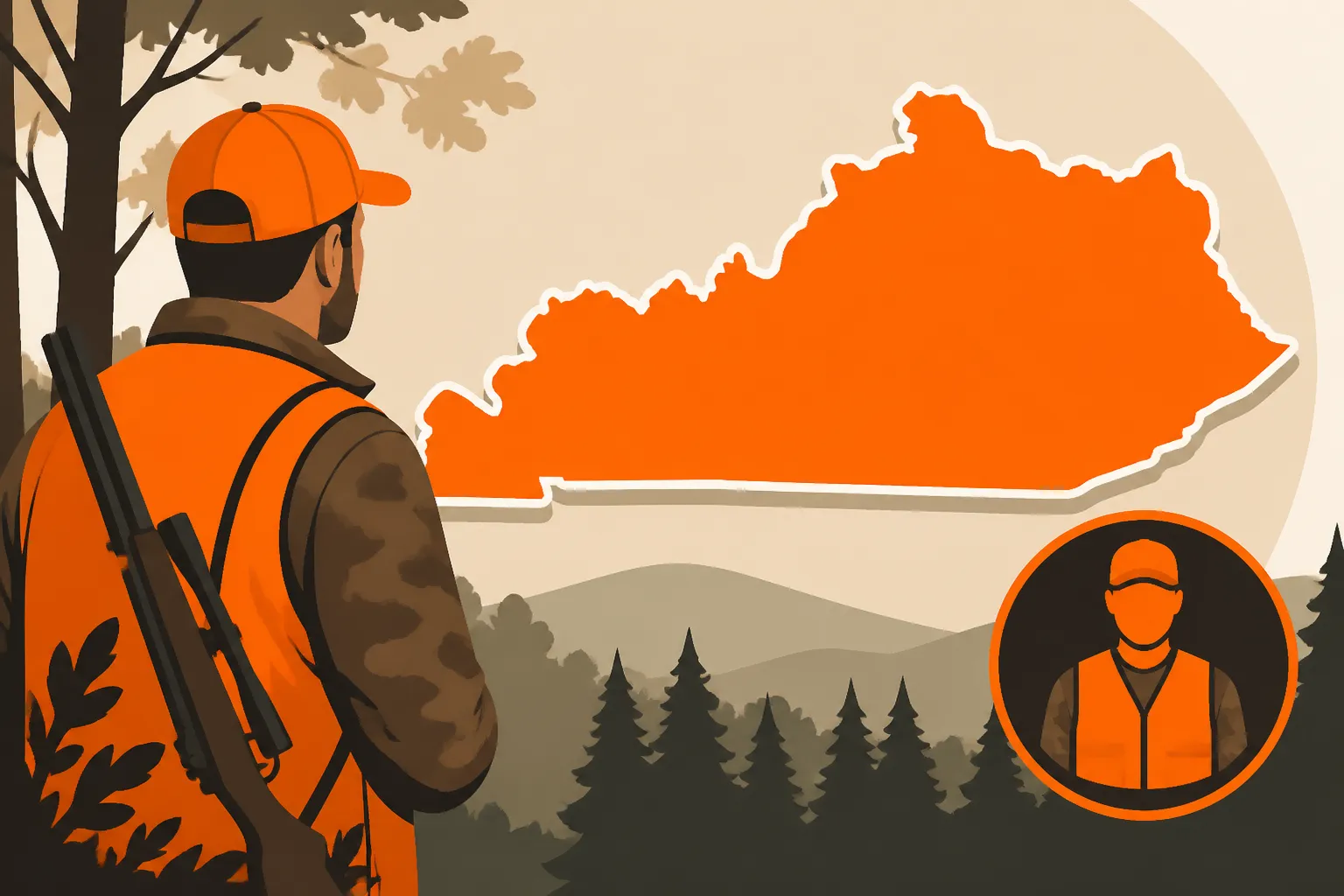
Okay, let's get down to the brass tacks of the law itself. Kentucky's regulations are pretty clear, but they do have specific nuances depending on when and how you're hunting. For deer, elk, or bear hunting with modern firearms or a muzzleloader, the rules are at their most stringent. All hunters, and anyone accompanying them (even if not hunting), must wear solid, hunter orange (also known as blaze orange) clothing on the head, back, and chest. This isn't just a vest; it needs to be visible from all sides. The requirement specifies that the orange must be visible from 360 degrees, which typically means a vest or jacket and a hat. This applies during the statewide modern gun seasons, which you can find outlined in detail in guides like Kentucky Modern Gun Season Dates. It's also critical during Muzzleloader Deer Hunting in Kentucky seasons. No camouflaged orange, no little strips of orange fabric sewn onto your jacket. It must be solid and prominently displayed. This ensures maximum visibility in the woods, especially when hunters might be moving through varied terrain or thick undergrowth. It’s not just about meeting the minimum; it’s about making a conscious effort to be as visible as possible for your own safety and the safety of others.
The law even makes specific provisions for those who prefer alternative high-visibility colors. For instance, hunters have the option to wear blaze pink in Kentucky, which offers the same level of visibility and adherence to safety standards. You can explore the specifics of this option in Kentucky Blaze Pink Options Under Kentucky Law, offering a choice for those who want to stand out safely in a different hue.
Specific Season Requirements: When and Where to Wear Your Orange
Understanding Kentucky's blaze orange rules means diving into the specifics of each hunting season. The requirements aren't universal; they change based on the type of weapon you're using and the game you're pursuing. This is where many hunters get tripped up, thinking "orange is orange" for every scenario, which isn't always the case.
Modern Gun and Muzzleloader Seasons: The Brightest Rules
Without a doubt, these are the seasons where blaze orange is absolutely, unequivocally mandatory for deer, elk, and bear hunting. During any firearm deer, elk, or bear season in Kentucky, you, and anyone hunting with you (even if they aren't carrying a weapon), must wear a solid hunter orange hat, and an outer garment (like a vest or jacket) that displays at least 500 square inches of solid hunter orange on the head, back, and chest, clearly visible from all sides. This isn't just a suggestion; it's the law. The logic here is simple: during firearm seasons, especially during the crowded opening weekends, there are a lot of hunters in the woods, and rifles can project bullets over significant distances. The heightened risk necessitates maximum visibility. For anyone Hunting the Kentucky Rut in Early November, which often coincides with popular firearm seasons, this level of visibility is paramount given the increased hunter activity. It's not uncommon to encounter other hunting parties, and proper blaze orange ensures everyone knows where everyone else is.
Consider a scenario: you're still-hunting a ridge during a brisk November morning, focused on finding that trophy buck. With your full blaze orange ensemble, another hunter cresting the hill 200 yards away instantly identifies you as a human, not a deer. Conversely, if you're not wearing adequate orange, you become a grey blur against the timber, a potentially dangerous silhouette. The 500 square inches might sound like a lot, but it’s a calculated measure to make sure you're seen, not just glanced at. It’s a small price to pay for peace of mind and, more importantly, for safety.
Archery and Crossbow Seasons: Nuances and Exemptions
Now, this is where it gets a little more nuanced, and where many hunters breathe a sigh of relief (or get confused!). Generally, during Kentucky's open archery and crossbow-only seasons for deer, elk, or bear, blaze orange is NOT required. This is a significant distinction from firearm seasons. When you're Bowhunting Kentucky's Long Archery Season or hunting with a crossbow, you're often relying on stealth, camouflage, and close-quarters shots. The logic is that bows and crossbows have a much shorter effective range than firearms, and the hunting style often involves sitting quietly in a stand or blind, minimizing movement. This reduced range and different hunting methodology mean the risk profile is different.
However, there's a crucial caveat: if you are archery or crossbow hunting during a concurrent firearm deer, elk, or bear season, then you ARE required to wear the same amount of blaze orange as firearm hunters. This is a critical point that many overlook. For example, Kentucky's archery deer season often overlaps with portions of the statewide muzzleloader or even the youth firearms seasons. If you’re out with your bow in late October when the youth firearms season is open, you absolutely need to be wearing your blaze orange. It’s about being seen when high-powered weapons are also being used in the same woods. Always check the KDFWR hunting guide for specific season dates and overlaps before you head out. A quick check on the GoHunt app for Kentucky's regulations can save you a lot of headaches and keep you compliant.
Youth Hunts and Special Circumstances
Youth hunts in Kentucky are fantastic opportunities to introduce the next generation to our hunting traditions. However, they also come with their own set of safety considerations, particularly concerning blaze orange. During Kentucky’s designated Kentucky Youth Firearms Season Rules, the same strict blaze orange requirements apply to youth hunters and their adult mentors as they do for regular firearm seasons. This means both the young hunter and the adult accompanying them must wear the solid hunter orange hat and outer garment with at least 500 square inches of blaze orange on the chest, back, and head. Safety is paramount when children are involved, and clear visibility helps foster a secure hunting environment.
Beyond standard seasons, there are also various special hunts, quota hunts, or managed hunts on Wildlife Management Areas (WMAs) or other public lands. While many of these follow the general statewide rules, some might have additional or slightly different requirements, which will always be explicitly stated in the specific hunt details or the WMA regulations. For instance, when planning your hunt using resources like the GoHunt mapping platform, always double-check any specific WMA rules on the KDFWR website or the area's signage. It's always best practice to review the rules for any WMA you plan to visit, as sometimes there are unique stipulations, especially regarding access or specific hunting methods. This also applies when navigating general public lands, as described in guides like Scouting Kentucky Public Land Before Season, where understanding specific area rules is key.
Here’s a quick summary table of the general blaze orange requirements for common Kentucky hunting scenarios:
| Hunting Scenario | Blaze Orange Required? | Minimum Coverage | Key Consideration |
|---|---|---|---|
| Modern Gun Deer/Elk/Bear Season | YES | Solid hunter orange hat and outer garment (vest/jacket) with at least 500 sq. inches visible on head, back, and chest from 360 degrees. | Applies to hunter and anyone accompanying them. |
| Muzzleloader Deer/Elk/Bear Season | YES | Solid hunter orange hat and outer garment (vest/jacket) with at least 500 sq. inches visible on head, back, and chest from 360 degrees. | Applies to hunter and anyone accompanying them. |
| Archery/Crossbow Deer/Elk/Bear (Archery-Only) | NO | Not required unless a firearm deer/elk/bear season is also open concurrently in the same area. | Check for season overlaps! |
| Archery/Crossbow Deer/Elk/Bear (Concurrent w/ Firearm Season) | YES | Solid hunter orange hat and outer garment (vest/jacket) with at least 500 sq. inches visible on head, back, and chest from 360 degrees. | Applies to hunter and anyone accompanying them. |
| Youth Firearm Deer/Elk/Bear Season | YES | Solid hunter orange hat and outer garment (vest/jacket) with at least 500 sq. inches visible on head, back, and chest from 360 degrees. | Applies to youth hunter and adult mentor. |
| Small Game (e.g., Rabbit, Squirrel) with firearms | NO | While not legally required for small game, it is always a highly recommended safety practice, especially during concurrent deer seasons. | Highly recommended for visibility, particularly if others are deer hunting. |
| Turkey Hunting (Fall or Spring) | NO | Blaze orange is generally not required for turkey hunting, as turkey hunters often rely on camouflage. However, be extremely mindful of your background and identify your target completely. | Crucial to identify target accurately; always be aware of surrounding hunters. |
| Hunting in "Suburban Archery-Only Zones" | NO | Specific rules for these zones often allow archery without orange, but always confirm local ordinances as these areas can have unique regulations beyond state law. | Confirm local city/county ordinances and KDFWR specific rules for these areas. |
Disclaimer: This table summarizes general rules. Always refer to the official KDFWR Hunting & Trapping Guide for the most current and complete regulations.
Beyond the Basics: Practical Tips for Staying Safe and Legal
Meeting the minimum legal requirements for blaze orange is crucial, but true hunter safety goes a step further. It's about a mindset, choosing the right gear, and understanding how different environments and situations impact your visibility. Let’s talk about how to really nail this.
Choosing the Right Blaze Orange Gear
When it comes to blaze orange, quality matters. You want gear that is truly solid orange, not faded, and made from durable materials. A cheap mesh vest that tears easily or gets obscured by your pack might meet the letter of the law but falls short on the spirit of safety. Look for vests, jackets, and hats designed specifically for hunting. Brands like Sitka, Kuiu, or even more budget-friendly options from Bass Pro Shops or Cabela's will offer dedicated blaze orange items that are comfortable, durable, and most importantly, highly visible. Consider vests with adjustable straps to fit over layers, and hats that stay securely on your head. Some hunters even choose to wear a blaze orange base layer or a shirt under their vest for added visibility in case they shed outer layers. Remember, the goal is 360-degree visibility, so a vest that wraps around and a solid orange hat are your best friends.
It's also worth noting that weather can play a role. If you're out in a downpour, a wet, dark orange might not be as vibrant as a dry one. Choose waterproof or water-resistant blaze orange gear for inclement weather. And when you're thinking about your overall setup, including your weapon, consider that Kentucky Legal Firearms for Deer Hunting should always be handled with the utmost care, and your visibility helps ensure that care is reciprocated by others in the field.
Navigating Public vs. Private Land Rules
Kentucky's blaze orange requirements generally apply statewide, regardless of whether you're on public or private land. The law doesn't differentiate based on land ownership; if it's a firearm deer, elk, or bear season, you need your orange. However, the practicalities of hunting public versus private land can subtly affect your visibility strategy. On public lands, especially popular WMAs or sections of Daniel Boone National Forest Hunting, you can almost guarantee you won't be the only hunter out there. This makes wearing your blaze orange (when required) even more critical, as hunter density tends to be higher. You might encounter other individuals who are not hunting, such as hikers or bird watchers, who may not be as familiar with hunting safety protocols. The Kentucky WMA Permit Requirement also implies a certain level of regulation and expectation for all users.
On private land, while the legal requirement remains the same, you might feel a bit more isolated. Perhaps you know exactly who else is hunting on the property. Even in these scenarios, complacency is the enemy of safety. Always wear your orange during required seasons, even if you think you're alone. Accidents can happen, and clear visibility mitigates many risks. Furthermore, if you’ve gotten permission to hunt a small private tract, or perhaps you're hunting within a larger cooperative like the Graham WMA (which incorporates private land), the statewide rules still apply. It's also important to remember to always respect posted boundaries and have clear understanding of your hunting area, something a good mapping app like GoHunt can help you with tremendously.
Maximizing Visibility: It's More Than Just a Vest
Simply throwing on a vest and a hat is the minimum, but thinking strategically about maximizing your visibility can further enhance your safety.
- Placement is Key: Ensure your blaze orange isn't obscured by your backpack, tree stand harness, or even a large rifle sling. If you're wearing a big pack, consider a blaze orange pack cover. Some hunters even attach extra strips of orange to their pack to maintain 360-degree visibility.
- Don't Forget the Details: While not legally required, some hunters will tie a small piece of blaze orange flagging to their tree stand or ground blind when they leave it in the woods, especially during firearm seasons. This makes the stand itself more visible to other hunters, reducing the chance of someone accidentally walking into your setup or mistaking it for game.
- Be Mindful of Movement: Even with bright orange, sudden, jerky movements can still be misinterpreted. Move deliberately and make eye contact with other hunters you encounter. A friendly wave or verbal acknowledgement can go a long way in confirming you're a human and ensuring mutual awareness.
- Light Conditions: Blaze orange is effective in most light, but remember that during dawn and dusk, visibility is inherently lower. These are prime hunting times, so be extra cautious and rely on your orange even more heavily.
- Consider Your Hunting Buddies: If you're on a deer drive or hunting with a group, ensure everyone is properly outfitted. Communication is vital in these scenarios. Tools that help you plan routes and mark positions, like the ones offered by GoHunt, can be invaluable for coordinating safe movement and maintaining awareness of your group's location, especially during a large Deer Drives on Kentucky Public Land. This is especially important when you’re out with a group, as even the most experienced hunters need to know where everyone is to prevent accidents.
Ultimately, wearing blaze orange isn't just about avoiding a fine; it's about respecting other hunters and ensuring everyone has a safe and successful day afield. It’s a core tenet of hunter safety, a visible commitment to the well-being of our entire hunting community. And it’s a commitment we should all embrace every time we step into Kentucky’s beautiful woods.
Disclaimer
Please note that hunting regulations, including blaze orange requirements, can change. Always consult the most current Kentucky Department of Fish and Wildlife Resources (KDFWR) Hunting & Trapping Guide or visit their official website before heading afield to ensure you are fully compliant with all state laws and regulations. This article is for informational purposes only and should not be considered legal advice.