Kentucky Turkey Bag Limit Rules
The thrill of a gobbler echoing through the Kentucky hills is unmatched, but nothing sours that experience faster than realizing you've misunderstood the turkey bag limits. It's easy to get tangled in the nuances of spring versus fall, WMA specifics, and youth regulations, leading to confusion and potential violations. This guide is here to untangle those rules, breaking down Kentucky's turkey bag limits into clear, actionable information so you can hunt confidently and legally.
Understanding Kentucky's Turkey Hunting Structure
Kentucky is a fantastic state for turkey hunters, boasting a healthy and well-managed population across its diverse landscapes. From the rugged Appalachian foothills to the sprawling agricultural fields of the west, wild turkeys thrive, offering ample opportunities for both seasoned veterans and newcomers alike. However, with these opportunities come specific rules, particularly concerning how many birds you can harvest. These regulations aren't arbitrary; they are carefully crafted by the Kentucky Department of Fish and Wildlife Resources (KDFWR) to ensure sustainable populations for generations to come.
The Two Distinct Seasons: Spring and Fall
Unlike deer hunting, where seasons can overlap and blend, Kentucky's turkey hunting is sharply divided into two main periods: spring and fall. Each season has its own unique character, its own set of challenges, and most importantly, its own distinct bag limits. The spring season is synonymous with gobbling birds, breeding activity, and chasing those vocal longbeards. The fall season, on the other hand, is a more social affair for turkeys, often involving flocks and different hunting tactics, and it aligns with broader small game seasons. Understanding these fundamental differences is the first step in grasping the bag limits. The KDFWR intentionally designs these seasons to target different segments of the turkey population, ensuring that harvest pressure is distributed appropriately and that critical breeding cycles remain largely undisturbed.
Key Dates and Seasons to Remember
Knowing when you can hunt is just as important as knowing what you can harvest. Kentucky’s turkey seasons, while generally consistent year-to-year, can have subtle shifts in their opening and closing dates. Typically, the general spring season kicks off in mid-April and runs through mid-May, offering several weeks of prime gobbler chasing. This is often preceded by a special weekend for youth hunters. The fall season is a bit more varied, usually starting with an archery and crossbow segment in early September, running concurrently with archery deer season, and then followed by a separate, shorter shotgun season in late October or early November. Always double-check the current year's KDFWR hunting guide or their official website to confirm the exact dates, as these can be updated annually. Ignoring these dates can lead to a forfeited bird or worse, a citation.
Spring Turkey Bag Limits: What You Need to Know
The spring turkey season is arguably the most anticipated for many Kentucky hunters. It's a time of intense action, with the woods alive with the sounds of gobblers vying for hens. But before you head out, it's crucial to understand the specific bag limits for this thrilling period. The rules are designed to protect the breeding population while allowing hunters to enjoy a rewarding experience.
Statewide Spring Bag Limit Breakdown
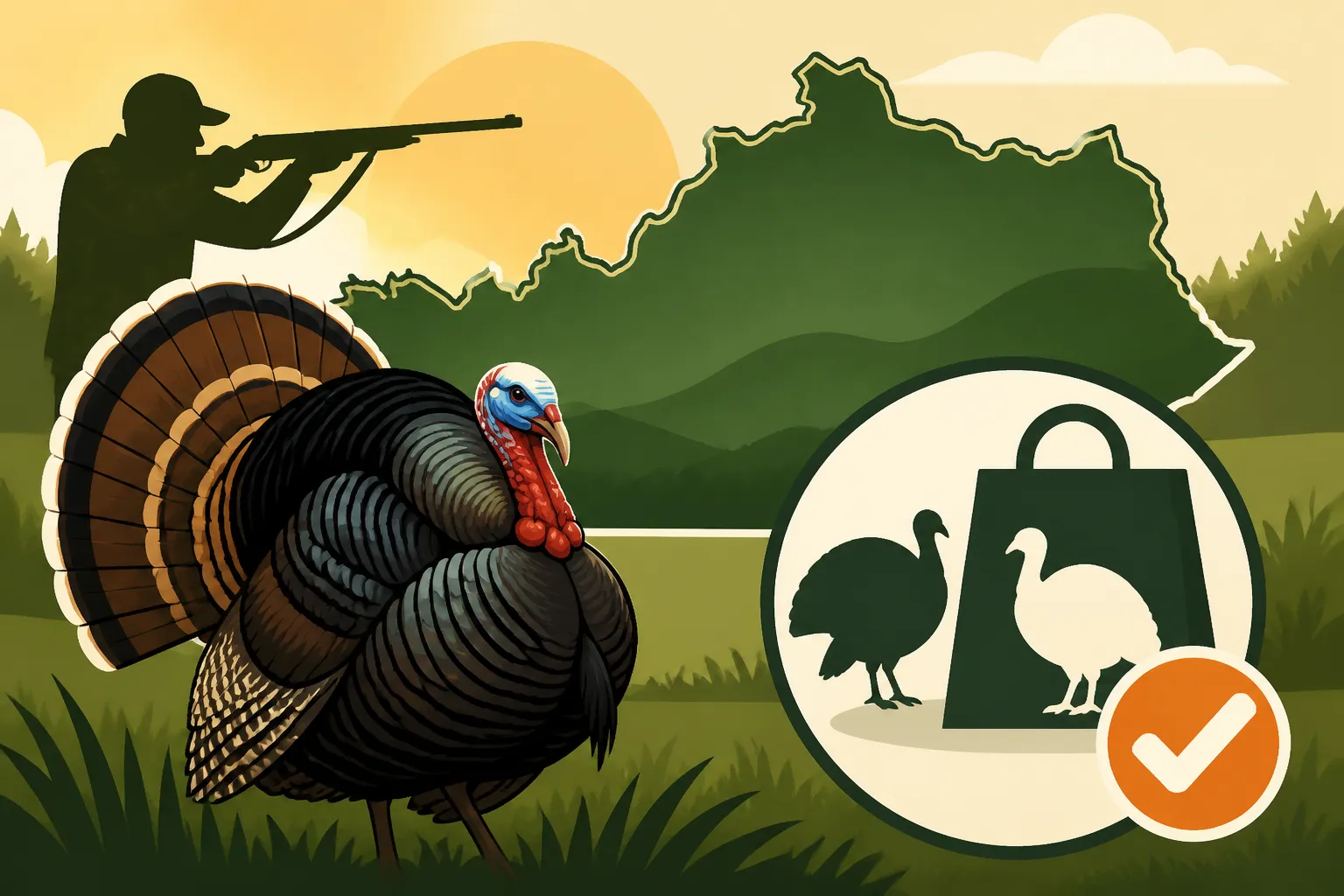
For the general statewide spring turkey season in Kentucky, the bag limit is usually two (2) turkeys per hunter. This sounds simple enough, but there's a critical caveat: both of those birds must be male (gobblers) or male-presenting (bearded turkeys). You cannot harvest a hen during the spring season, regardless of whether she has a beard or not. This regulation is fundamental to turkey conservation, as hens are vital to population recruitment. Harvesting a hen in spring severely impacts the next generation. If you're out there and you come across a hen with a beard, a rare but not impossible occurrence, she is still legally considered a hen and is off-limits during the spring. This is a common point of confusion, so remember: male or bearded turkey only. The idea is to target the Toms that have already done their part in breeding, or those subordinate males that might not get a chance.
Antlered vs. Either-Sex Tags (And Why It Doesn't Apply to Turkeys)
Sometimes hunters, especially those new to Kentucky or crossing over from deer hunting, get confused by the "antlered" vs. "either-sex" terminology. It's a key distinction in deer hunting, allowing for the harvest of antlerless deer to manage populations. However, for spring turkey hunting in Kentucky, this concept doesn't apply. There are no "either-sex" turkey tags in spring. As mentioned, all harvested birds must be male or bearded. This strict regulation protects the breeding hens, ensuring the long-term health and growth of Kentucky's turkey population. It's a different management strategy than deer, where antlerless harvests are often encouraged. The focus in spring is squarely on trophy gobblers and managing the male-to-female ratio to promote robust breeding success.
Single-Bird Per WMA Rule
One of the most important, and often overlooked, rules for spring turkey hunting in Kentucky applies to Wildlife Management Areas (WMAs). While the statewide bag limit allows for two male or bearded turkeys, many WMAs have a more restrictive rule: one (1) turkey per hunter per WMA per spring season. This means if you harvest a gobbler on, say, Peabody Wildlife Management Area, you cannot harvest another bird on Peabody WMA that season, even if you still have an unfilled tag from your statewide limit. You would have to move to a different WMA (if it also allows one bird) or to private land to pursue your second bird. This WMA-specific rule helps to distribute hunting pressure and ensure that these public lands continue to provide quality hunting experiences. For more specific details on why these restrictions are in place, you might want to read our article on Why Kentucky Caps Turkeys at One Per WMA. It's crucial to always check the KDFWR's public land hunting guide or individual WMA regulations before heading out, as some WMAs may even have quota hunts or unique regulations that supersede the general WMA rule.
Fall Turkey Bag Limits: Different Rules, Different Strategies
While the spring season gets most of the glory, Kentucky's fall turkey season offers a completely different, yet equally rewarding, hunting experience. The birds are typically flocked up, less vocal, and often require more scouting and tracking than calling. Correspondingly, the bag limits and acceptable harvest types are different to reflect these behavioral shifts and management objectives.
Archery and Crossbow Fall Limits
The fall archery and crossbow season for turkeys often runs concurrently with the deer archery season, making it a great time to be in the woods. During this period, the bag limit is generally four (4) turkeys per hunter, and here's the big difference from spring: any turkey can be harvested, meaning both gobblers and hens are fair game. This "either-sex" allowance reflects the different management strategy for the fall. By this time, poults have matured, and the focus shifts to reducing overall turkey numbers where needed and providing more recreational opportunities. Harvesting hens in the fall has less impact on the next year's breeding success compared to spring. Many hunters prefer to target jakes or hens for table fare during this time, leaving the mature gobblers for the spring pursuit. You'll often find these birds in larger family groups, feeding on acorns or other mast crops.
Shotgun Fall Limits
Kentucky also offers a short, dedicated shotgun season for fall turkeys. This season usually occurs later in the fall, often overlapping with the early firearm deer seasons. The bag limit for the fall shotgun turkey season is typically two (2) turkeys per hunter, and similar to the fall archery season, these can be any turkey, meaning either gobblers or hens. Again, this differs significantly from the spring where only male or bearded birds are allowed. The shotgun season is generally shorter, often just a week or two, which helps to limit the overall harvest during this time. The combination of archery/crossbow and shotgun opportunities in the fall allows hunters to employ various methods and pursue birds in different scenarios, from stalking dense timber to setting up on a field edge. Be sure to check the specific dates for Kentucky Fall Turkey Season Structure to ensure you're hunting legally.
Total Annual Bag
When you combine the spring and fall seasons, it's important to understand the total potential harvest. While the specific season limits apply, there isn't an explicit annual statewide limit that overrides the individual season limits. For example, if you take two gobblers in spring and four birds in the fall (two by archery, two by shotgun), that would total six birds for the year, and that is perfectly legal under the current regulations. The limits are set per season to manage harvest intensity during those specific periods. Just remember to always report your harvest promptly using the Telecheck system, regardless of which season you harvested the bird in. This data is critical for the KDFWR to monitor Kentucky Turkey Population Trends and adjust future regulations.
Special Considerations: Youth Hunts and WMA Rules
Beyond the general statewide regulations, Kentucky makes specific provisions for youth hunters and imposes unique rules on its Wildlife Management Areas (WMAs). These special considerations are designed to encourage participation, manage hunting pressure, and protect local turkey populations. Overlooking these details can lead to disappointment or, worse, a violation.
Youth Season Bag Limits
Kentucky is committed to fostering the next generation of hunters, and part of that commitment involves special youth hunting opportunities. For spring turkey, there is typically a dedicated Kentucky Youth Spring Turkey Weekend that occurs a week or two before the general season opens. During this special weekend, mentored youth hunters (those under 16) can hunt for two male or bearded turkeys, which is the same type of bird as the general season. The key difference is the timing, giving them a head start before the woods get more crowded. The bag limit for youth hunters during this weekend is usually one (1) male or bearded turkey. If they fill their tag during the youth weekend, they can still participate in the regular spring season and harvest a second male or bearded bird, provided they adhere to all other regulations, including WMA rules. For fall turkey, youth hunters typically follow the same bag limits as the general fall season for archery/crossbow and shotgun, depending on the method and time.
WMA Specific Restrictions
We've touched on the "one bird per WMA" rule for spring, but WMA regulations can be even more complex. Beyond bag limits, many WMAs have specific requirements that differ from statewide regulations. For instance, some WMAs might have different season dates, require a WMA-specific permit (beyond your general hunting license and turkey permit), or even restrict hunting methods (e.g., archery-only areas). Always, and I mean always, check the KDFWR's annual Fall Hunting & Trapping Guide and Spring Hunting & Trapping Guide, specifically looking for the section on public lands. Websites like GoHunt can be a fantastic resource here, offering up-to-date WMA information and often displaying specific regulations overlaid on maps, making it easier to understand exactly where and how you can hunt. For example, some larger WMAs like Daniel Boone National Forest, while public, adhere to general statewide regulations, whereas smaller, intensively managed WMAs may have very strict quotas. This is why resources that consolidate information are invaluable.
Private Land vs. Public Land Differences
When it comes to bag limits, the core distinction between hunting on private land versus public land (like WMAs) primarily revolves around the "one bird per WMA" rule. On private land, if you have access and permission, you are generally subject only to the statewide bag limits (two male or bearded turkeys in spring, four any-sex turkeys in fall via archery/crossbow, two any-sex via fall shotgun). This means you could theoretically harvest both of your spring gobblers from the same private property, as long as you've followed all other regulations. Public lands, by their nature, experience higher hunting pressure, so the KDFWR implements more conservative rules to manage both the turkey population and the quality of the hunting experience. Always ensure you have explicit permission before hunting private land, and understand any additional restrictions the landowner might impose.
Here's a quick summary table of the core turkey bag limits in Kentucky:
| Season | Method | Bag Limit (Per Hunter) | Type of Turkey Allowed | Special Notes |
|---|---|---|---|---|
| Spring | General (Shotgun, Archery, Crossbow) | 2 | Male or Bearded Only | 1 per WMA rule applies; No hens ever. |
| Youth Spring | General (Shotgun, Archery, Crossbow) | 1 (during youth weekend) + 1 (during general season) | Male or Bearded Only | Youth-specific weekend before general season. |
| Fall | Archery & Crossbow | 4 | Any Turkey (Gobbler or Hen) | Often overlaps with deer archery; Statewide. |
| Fall | Shotgun | 2 | Any Turkey (Gobbler or Hen) | Separate, shorter season; Statewide. |
Why These Limits Exist: Conservation and Management
Understanding the specific bag limits is one thing, but knowing why those limits are in place gives you a deeper appreciation for Kentucky's commitment to wildlife conservation. These aren't arbitrary numbers plucked from thin air; they are the result of careful scientific research, population monitoring, and a long-term strategy to ensure robust turkey populations for future generations of hunters.
Population Health and Sustainable Harvest
The primary reason for bag limits is to maintain healthy, sustainable turkey populations. The KDFWR employs biologists who meticulously track turkey numbers, breeding success (poult-to-hen ratios), and harvest data (from Telecheck reports). In the spring, limiting harvest to male or bearded birds protects the reproductive capacity of the flock. Hens are the engines of population growth, and removing them during the breeding season could have devastating effects. By allowing the harvest of gobblers, especially older, dominant Toms, the KDFWR ensures that younger, subordinate males have a chance to breed, contributing to genetic diversity and preventing overpopulation of males, which can sometimes interfere with successful breeding. For insights into how this data is gathered and used, look into Kentucky's Turkey Population Estimate reports. The fall bag limits, allowing the harvest of hens and more birds overall, often correspond to population reduction goals in areas where turkey numbers are stable or slightly increasing, ensuring they don't exceed the carrying capacity of the habitat.
Managing Hunter Pressure
Another crucial aspect of bag limits, especially the "one bird per WMA" rule, is the management of hunter pressure. Public lands, by their very nature, attract more hunters than private lands. Without restrictions, WMAs could quickly become over-hunted, leading to diminished quality experiences, increased competition among hunters, and localized overharvest of turkeys. By capping the number of birds on a WMA, the KDFWR helps to spread hunters out across different areas, reduces the incentive for hunters to "camp out" on a single WMA, and gives the local turkey populations a chance to recover from hunting pressure. This creates a better experience for everyone, promoting ethical hunting practices and reducing conflicts. Hunters often have to get creative, using tools like the GoHunt app to scout different WMAs and identify less-pressured areas. This forces hunters to explore and learn new ground, which is often a rewarding experience in itself.
Navigating the Regulations: Essential Tools and Tips
Even with a clear understanding of the rules, applying them in the field and staying compliant can still feel like a challenge. Kentucky’s regulations are comprehensive, but thankfully, there are excellent resources available to help you navigate them effectively. Don't leave your hunting success to chance or assumption.
The Kentucky Department of Fish and Wildlife Resources KDFWR Resources
Your absolute best, most authoritative source for all Kentucky hunting regulations is the Kentucky Department of Fish and Wildlife Resources (KDFWR). They publish annual hunting guides (both spring and fall) that detail all seasons, bag limits, licensing requirements, and WMA-specific rules. These guides are available for free online on their website, and often in print at license vendors, county clerk offices, and sporting goods stores. Make it a habit to download and review the current year's guide before each season. Pay close attention to any highlighted changes from previous years. Their website also offers an interactive map tool that can show WMA boundaries, regulations, and even harvest reporting requirements. The KDFWR website is also where you can purchase your Kentucky Resident Hunting License Options and turkey permits.
Using Mapping and Information Tools
In today's digital age, hunters have access to an incredible array of tools that can make understanding and adhering to regulations much easier. Mapping apps, like GoHunt (or OnX Hunt, HuntStand), are invaluable. They allow you to overlay public land boundaries, WMA borders, and often include specific regulation notes for those areas directly on your phone or GPS device. This can be a lifesaver when you're deep in the woods, trying to confirm if you're on a "one bird per WMA" tract or if you've crossed onto private land. Many of these apps can also help you scout effectively, showing topography, habitat types, and access points, which can be critical for planning your hunt when you need to move between different public land parcels to fill your tag. Remember that while these apps are powerful, they should always be used in conjunction with the official KDFWR regulations as your primary source of truth. Combining careful pre-season study of the KDFWR guide with real-time field information from a tool like GoHunt will make you a much more confident and compliant hunter. It can also help you with Scouting Kentucky Public Land Before Season, finding those less-pressured spots mentioned earlier.
By taking the time to understand Kentucky's turkey bag limits, you're not just avoiding a ticket; you're becoming a more responsible and effective hunter. Happy hunting, and may your calls be answered by plenty of gobblers!
Disclaimer
The information provided in this guide is for general informational purposes only and is not intended as legal advice. Hunting regulations in Kentucky can change, and it is the responsibility of each hunter to consult the official Kentucky Department of Fish and Wildlife Resources (KDFWR) regulations and legal statutes before engaging in any hunting activities. Always prioritize safety and adherence to all current laws.