Kentucky Fall Turkey Season Structure
Trying to make sense of Kentucky's fall turkey season can feel like deciphering a secret code sometimes, especially if you're used to the more straightforward spring gobbler pursuit. It’s not just a simpler version of spring; it operates on its own unique rhythm, with different rules for different weapons and distinct timeframes. This guide aims to pull back the curtain on the Kentucky fall turkey season structure, helping you understand the dates, bag limits, and the unique challenges and opportunities each segment presents.
The Dual Nature of Kentucky's Fall Turkey Season
Unlike the singular focus of spring turkey hunting, Kentucky’s fall season offers a bifurcated approach, with distinct windows for archery/crossbow hunters and firearms hunters. This structure allows for a prolonged opportunity to pursue turkeys, but it also necessitates a clear understanding of which weapon is permissible when and where. It’s easy to get these mixed up, and nobody wants to be out there with the wrong gear at the wrong time, so let’s break it down.
Archery and Crossbow Opportunities
Kentucky kicks off its fall turkey season with an archery and crossbow segment that typically runs for quite a while, often starting in early September and extending well into the deer seasons. This prolonged window is a fantastic opportunity for hunters who prefer the quiet challenge of a bow or crossbow, but it comes with its own set of considerations. The early part of the season, when temperatures are still mild, sees turkeys often still in relatively small family groups, but as the season progresses, those smaller groups start to coalesce into larger flocks, especially hens and jakes.
Hunting during the archery and crossbow window means contending with dense foliage in the early weeks. The woods are still vibrant green, and visibility can be significantly limited, making spot-and-stalk or even traditional calling tactics tricky. You might find yourself having to get much closer than you’d prefer, or relying heavily on subtle movements and sounds to pinpoint birds. As the leaves begin to drop, visibility improves, but the birds are also becoming more wary and flocked up. It’s a completely different game from spring, where breeding calls are the primary tactic. In the fall, turkeys aren't thinking about breeding; they're thinking about food and security, which means your calling has to shift from seductive yelps to social assembly calls or distress sounds. For specific dates, you’ll want to check the official KDFWR guide, but you can always find the most up-to-date information on Kentucky Fall Archery Turkey Dates.
The Shotgun Season Windows
Kentucky’s fall shotgun turkey season is unique in that it's divided into two separate windows. This isn’t a continuous season like deer firearms; instead, hunters get two distinct chances to chase fall turkeys with a scattergun. The first shotgun season often overlaps with early deer seasons, which means hunters need to be extra mindful of blaze orange requirements and the potential for increased pressure in the woods. The second season typically falls later in the year, often in November or December, after many of the deer seasons have wrapped up.
These separate windows are designed to manage harvest pressure and provide opportunities around peak deer hunting activity. During the shotgun seasons, turkeys are almost always grouped into larger flocks—sometimes dozens of birds. Your tactics here will likely revolve around the classic "break up and call back" strategy, which is incredibly effective for fall turkeys. The idea is to find a flock, scatter them, set up quickly, and then imitate their lost sounds to call them back to you. This is a thrilling, often fast-paced method that requires quick thinking and realistic calling. However, it’s not always easy to get into position without spooking the flock, especially when they're in open fields or on wide ridge tops. The later season shotgun window can be particularly challenging due to colder weather and potentially deep leaf litter, but it can also be highly rewarding if you find a reliable food source the birds are consistently hitting. For the exact timing of these periods, a quick check of the Kentucky Second Shotgun Turkey Season Dates will give you the precise information you need.
Understanding Bag Limits and Permitting
Navigating the legalities of fall turkey hunting in Kentucky goes beyond just knowing the season dates. You also need to be acutely aware of the bag limits and the specific permits required to ensure you're hunting legally and responsibly. It’s easy to assume the rules are the same as spring, but that's a mistake many new fall turkey hunters make. The KDFWR has tailored these regulations to the unique dynamics of fall turkey populations and hunting pressure.
Statewide Bag Limits and Special Zones
Kentucky’s fall turkey season generally offers a generous bag limit, but it’s crucial to understand the specifics. For the statewide fall archery, crossbow, and shotgun seasons combined, the typical bag limit is two turkeys. This can be any combination of either-sex turkeys. Yes, that's right – in the fall, you can harvest hens! This is a significant departure from the spring season, where only gobblers (or bearded turkeys) are legal. This "either-sex" rule is a game-changer for fall tactics, as hens are often the easiest to call in, especially after a flock has been busted.
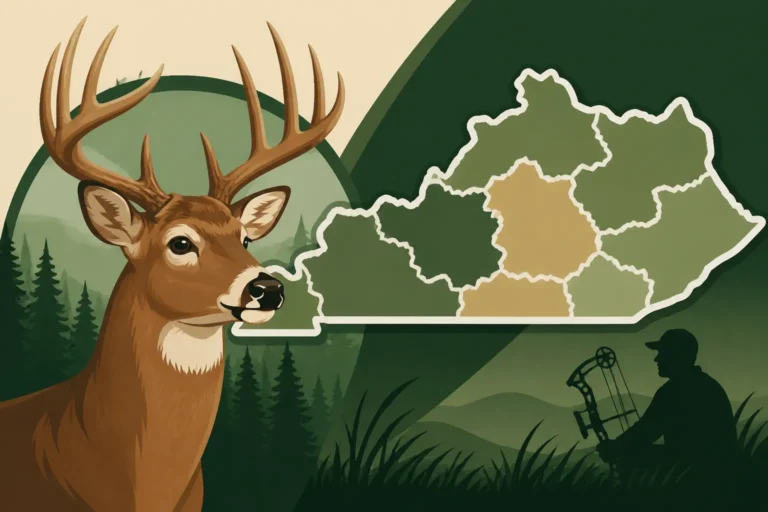
However, it's vital to check the latest KDFWR hunting guide, as specific wildlife management areas (WMAs) or other special hunting areas might have more restrictive rules. For example, some WMAs may have a reduced bag limit or even specific days when hunting is allowed. Don't just assume statewide rules apply everywhere; always cross-reference with the WMA's specific regulations before you hunt. Knowing the Kentucky Fall Turkey Bag Limit is your first step in ensuring a lawful and successful hunt. Furthermore, while most of Kentucky allows for this generous either-sex harvest, always double-check if you're hunting in any unique zones that might have different rules.
Required Licenses and Permits
Before you even step foot into the woods with your bow or shotgun, you need to make sure your paperwork is in order. For fall turkey hunting in Kentucky, you’ll need a valid Kentucky hunting license, along with a Kentucky turkey permit. These are two separate items, and you need both. The general hunting license covers your eligibility to hunt, while the turkey permit specifically grants you the right to harvest turkeys.
For Kentucky residents, there are various options for licenses, including annual licenses or the comprehensive Kentucky Sportsman's License, which bundles several permits, including the turkey permit. Non-residents also have options, though typically at a higher cost. It's always best to purchase your licenses and permits well in advance through the KDFWR website or an authorized vendor. Digital copies on your phone are generally accepted, but having a physical copy or at least a screenshot can save you a headache in areas with spotty cell service. To get a clear picture of what you'll need and how much it might set you back, consult the detailed guide on Kentucky Hunting Licenses and What They Cost and specifically, the breakdown of the Kentucky Turkey Permit Cost. Remember, trying to hunt without the proper licenses and permits can result in hefty fines and the loss of hunting privileges, so don't cut corners here.
Tactical Considerations for Fall Turkeys
Hunting fall turkeys is a vastly different experience from chasing spring gobblers, requiring a significant shift in strategy and mindset. The birds' priorities change with the seasons, moving from breeding to survival, which means hunters must adapt their approach accordingly. You can't just recycle your spring calling sequence and expect results; the woods, the birds, and even the weather demand a fresh perspective.
Key Differences from Spring Hunting
The single biggest difference between spring and fall turkey hunting is bird behavior. In spring, gobblers are focused on breeding, strutting, and responding aggressively to hen calls. In fall, that's all out the window. Turkeys, especially hens and their young, gather into large flocks, sometimes numbering in the dozens or even hundreds. These flocks are highly social, but their primary focus is food and security. Instead of responding to a lonesome hen yelp with a booming gobble, they’re often wary and silent, relying on their numbers for safety.
Calling in fall is about assembly and distress, not breeding. Your goal is to break up a flock and then use various calls—yelps, clucks, purrs, and even kee-kees (the lost call of a young turkey)—to simulate a lost bird trying to rejoin its flock. This requires patience, keen listening, and often quite a bit of subtle calling. Furthermore, fall turkeys are constantly on the move, covering significant ground daily in search of mast crops like acorns, pecans, and various grains in agricultural fields. Their patterns are dictated by food availability and security, not hormonal urges. This often means long walks and careful observation. For a deeper dive into this unique approach, you'll find excellent insights in Fall Turkey Tactics With a Shotgun and the specialized technique of Breaking Up a Fall Turkey Flock.
Scouting and Location Strategies
Given the fall turkey's focus on food, scouting becomes paramount. You need to locate their primary food sources, which can change rapidly throughout the season. Early fall might see them hitting acorns on oak ridges, while later in the season, they might shift to agricultural fields for waste grain or to standing bean or corn fields. River bottoms and creek drains that offer a diverse mix of mast and bugs are also high-traffic areas.
Start by identifying areas with mature hardwood forests, especially those heavy with oak trees. Look for scratched-up leaves under oaks, indicating birds feeding on acorns. As you scout, use mapping tools like the Kentucky Hunt Fish app or even GoHunt to pinpoint potential food sources and understand terrain features that turkeys might use for travel or roosting. Creeks, field edges, and natural funnels are all critical. Pay attention to droppings, tracks, and feather dustings to confirm recent turkey activity. Roosting sites are also key. Turkeys often fly up to roost in large trees near water sources or on prominent ridges. Identifying a consistent roost site can give you a major advantage, allowing you to intercept birds in the morning or evening. You can learn a lot about how to approach this kind of pre-season work by reading up on Scouting Kentucky Public Land Before Season and making the most of mapping applications with Using the Kentucky Hunt Fish Map Tool. Remember, fall turkey hunting is less about calling prowess and more about finding the birds first.
Navigating Specific Season Windows
Kentucky's decision to split the fall turkey season into distinct archery/crossbow and two shotgun windows is a strategic move, but it places the onus on the hunter to understand and adapt to each period. Each window presents its own set of advantages and challenges, and savvy hunters will tailor their gear and approach to maximize their success.
Archery/Crossbow Season Deep Dive
The archery/crossbow season typically runs concurrent with portions of Kentucky’s archery deer season, starting early and stretching deep into the autumn. This extended period gives bowhunters ample opportunity, but it also means dealing with a dynamic environment. Early in the season, when leaves are still thick, visibility is severely limited. This makes ambushing birds difficult, and relying on pure calling can be a gamble if you can't see the birds approach. Your best bet in dense cover might be to try still-hunting through known feeding areas, moving slowly and stopping frequently to listen for subtle turkey sounds. Or, if you can pinpoint a roost, setting up before fly-down in a concealed ground blind or carefully chosen treestand can be effective.
As the leaves fall and the woods open up, sightlines improve dramatically. This is when the "break up and call back" strategy truly shines for archery hunters. If you can get close enough to a flock to scatter them effectively, you can then set up and start calling. The challenge with a bow or crossbow is getting a turkey to come within ethical shooting range, which for most, is 20-40 yards. Decoys can be invaluable here, offering a visual focal point that draws the birds in closer and potentially distracts them from your setup. A jake or hen decoy positioned subtly can make all the difference. Always be aware of the specific Kentucky Fall Archery Turkey Dates as they are your absolute guide for when you can and cannot be in the woods with your bow specifically for turkeys.
The Separate Shotgun Seasons
Kentucky’s two distinct shotgun seasons for fall turkey demand a slightly different strategic approach. The first season, often in October, might overlap with other popular hunting seasons, meaning more hunters in the woods. This can make finding undisturbed birds harder, but it also creates opportunities if other hunters inadvertently scatter a flock your way. Turkeys during this period are usually firmly in their fall patterns, flocking together and feeding heavily. The second shotgun season, typically later in November or even into December, often finds the woods much quieter after the main deer gun seasons. This can be a prime time for focused fall turkey hunting, especially if persistent cold weather concentrates birds on specific food sources.
The advantage of a shotgun is its greater range and pattern density compared to a bow, making it a more forgiving tool for fall turkey hunting. This allows for slightly less precise calling and setup. When you break a flock, you don't need them to come quite as close, which can be a huge relief in thick cover or on open ground. Shotgun hunters often use decoys more aggressively, especially during the colder, later season when turkeys might be less responsive to calls alone. The key is to be mobile and adaptable. Don't be afraid to cover a lot of ground, listen for distant yelps or kee-kees, and be ready to make a quick move if you locate a flock. Staying current on the specific Kentucky Second Shotgun Turkey Season Dates for both windows is paramount, as misinterpreting them could easily lead to an unintentional violation.
Leveraging Technology and Resources
In today's hunting world, technology can be a powerful ally, especially when trying to decipher complex season structures or locate elusive game. Kentucky offers several resources, both digital and traditional, that can significantly improve your fall turkey hunting experience. Don't leave home without using these tools to your advantage.
Utilizing Digital Tools for Season Planning
The Kentucky Department of Fish and Wildlife Resources (KDFWR) has done an excellent job providing digital resources for hunters. The official KDFWR website is a treasure trove of information, including the latest hunting guides, season dates, bag limits, and regulatory updates. It’s your first and most authoritative source for all things legal. Additionally, the Kentucky Hunt Fish app is an absolute must-have. This mobile application provides mapping overlays for public lands, WMA boundaries, and even property ownership lines, which can be invaluable when you're deep in the woods trying to figure out where you stand.
Beyond KDFWR tools, many third-party mapping applications offer even more detailed layers, such as topographical maps, satellite imagery, and even historic weather data. For serious hunters, platforms like GoHunt provide comprehensive data on season structures, tag draw odds, and even harvest reports for specific units or states, including Kentucky. While the core KDFWR information is essential, supplementing it with advanced mapping and data tools can give you a significant edge in planning your hunts, scouting potential areas, and understanding bird movement patterns. Using these tools effectively can mean the difference between wandering aimlessly and having a precise plan of attack. You can learn more about finding public land access and boundaries by checking out Using the Kentucky Hunt Fish Map Tool.
Staying Informed with KDFWR Regulations
While digital tools are incredibly helpful, nothing replaces directly engaging with the official regulations published by the KDFWR. The annual hunting guide is updated every year, and it’s the definitive source for all legal aspects of hunting in Kentucky. Don't rely solely on what you think you know from last year or what someone told you. Regulations can and do change, sometimes in subtle but important ways.
It’s a good practice to download the latest hunting guide to your phone or print out the relevant pages for fall turkey season. Pay close attention to any changes in season dates, bag limits (especially for either-sex birds), and any special regulations for specific WMAs or counties you plan to hunt. For instance, new Chronic Wasting Disease (CWD) surveillance zones might introduce carcass movement restrictions or mandatory testing, which, while primarily focused on deer, could still impact your overall hunting plans or travel. Stay proactive by checking the KDFWR website for press releases or alerts throughout the year. Being informed isn't just about avoiding a ticket; it's about being a responsible, ethical hunter who understands and respects the regulations designed to manage Kentucky's invaluable wildlife resources.
Kentucky Fall Turkey Season Overview
To help you keep track of the different components of Kentucky's fall turkey season, here's a quick reference table. Please remember that these dates are illustrative and can change annually. Always consult the official KDFWR hunting guide for the most current and precise information.
| Season Type | Typical Start Date | Typical End Date | Weapon Permitted | Bag Limit (Statewide) | Notes |
|---|---|---|---|---|---|
| Archery & Crossbow | Early September | Mid-January | Bow, Crossbow | 2 Turkeys (Either-Sex) | Often overlaps with deer archery. Early season foliage, late season cold. |
| First Shotgun Season | Mid-October | Late October | Shotgun | 2 Turkeys (Either-Sex) | Short window, often overlaps with early firearms deer season. |
| Second Shotgun Season | Early December | Mid-December | Shotgun | 2 Turkeys (Either-Sex) | Shorter window, often after main deer seasons. Colder weather likely. |
Note: The total bag limit for all fall turkey seasons combined is 2 turkeys (either-sex) per hunter.
Disclaimer
The information provided in this article is for general guidance and informational purposes only and does not constitute legal advice. Hunting regulations in Kentucky can change frequently. While every effort has been made to ensure accuracy, the most current and definitive source for all hunting rules and regulations is the official Kentucky Department of Fish and Wildlife Resources (KDFWR) website and their annual hunting and trapping guide. Always consult the latest KDFWR regulations before planning any hunting trip.