Trapping Kentucky Muskrat and Beaver
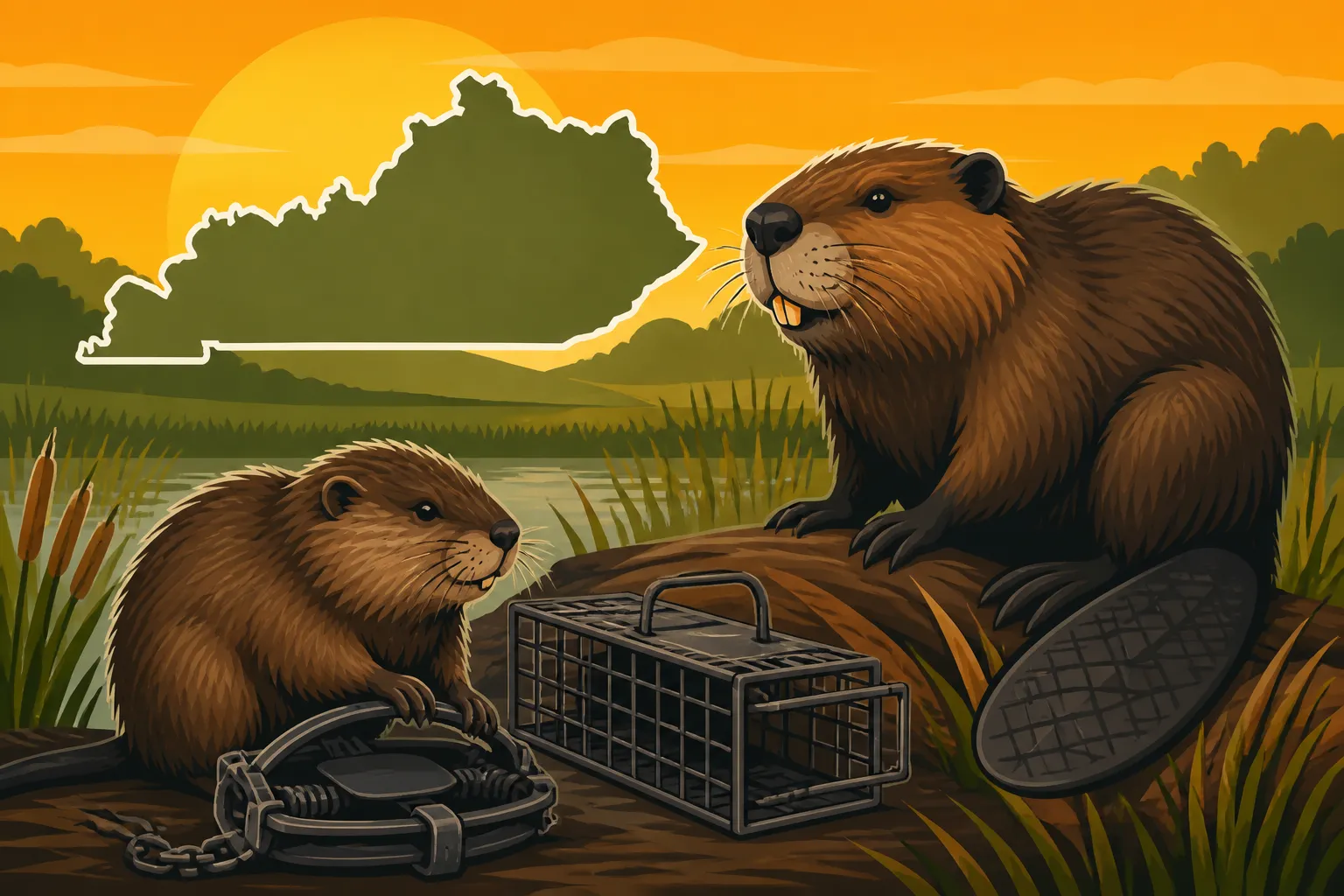
It can feel like a whole different world out there when you're thinking about chasing game that doesn't walk on four legs or fly with feathers. Trapping, in particular, has a steep learning curve, and trying to figure out where to start with species like muskrat and beaver in Kentucky can be downright daunting. This guide is here to walk you through the ins and outs of ethically and effectively trapping these prolific furbearers in the Bluegrass State, covering everything from their habits to the best traps and crucial regulations.
The Lure of Kentucky's Water-Bound Furbearers
Kentucky's waterways, from the smallest creeks to the expansive rivers and lakes, are teeming with life, and among the most industrious residents are muskrats and beavers. While often misunderstood, these animals play significant roles in their ecosystems, and their populations, if left unchecked, can lead to considerable property damage. Understanding their lives is the first step toward successful and responsible trapping.
Understanding Muskrat Habits and Habitats
Muskrats are fascinating semi-aquatic rodents, smaller than beavers but just as adept in the water. They're typically found in freshwater environments across Kentucky, favoring marshes, swamps, ponds, lakes, and slow-moving streams with abundant aquatic vegetation. Think about those cattail stands along a lake shore or the muddy banks of a small farm pond – that's prime muskrat country.
They construct lodges, often smaller and less elaborate than a beaver's, made of vegetation and mud, usually in shallow water. You might also find them burrowing into banks, creating intricate tunnels with underwater entrances and dry chambers above the water line. These burrows can sometimes lead to erosion or damage to pond dams, which is a common frustration for landowners. Muskrats are primarily vegetarians, munching on a variety of aquatic plants, roots, and tubers. They're most active during twilight and nighttime hours, but it's not uncommon to spot them foraging during the day, especially in less disturbed areas. Observing these signs – tracks in the mud, cuttings of vegetation, or distinct "runs" they create through the water – is your first clue to a good trap location.
Unraveling Beaver Behavior and Preferred Locations
Beavers, the largest rodents in North America, are truly engineers of the natural world. Their presence fundamentally alters the landscape, and while their dams create valuable wetlands for many species, they can also cause widespread flooding, block culverts, and fell valuable timber, leading to significant headaches for farmers and homeowners. In Kentucky, you'll find beavers wherever there's a stable water source and available woody vegetation. Rivers, large creeks, ponds, and even smaller tributaries are fair game.
They build impressive lodges from sticks, mud, and rocks, often in the middle of a pond they've created or along the bank of a slow-moving river. Their burrows into banks, much larger than a muskrat's, can also be a major concern for infrastructure. Beavers are strictly vegetarians, with a diet primarily consisting of tree bark (especially willow, aspen, and sweetgum), leaves, and aquatic plants. They’re most active from dusk till dawn, constantly working on their dams, lodges, and foraging for food. Identifying their "sign" is crucial: freshly cut trees with distinctive gnawing marks, well-worn slides leading from the water to feeding areas, and of course, their signature dams are unmistakable indicators of their presence. When you're out Scouting Kentucky Public Land Before Season, keep an eye out for these tell-tale signs near water bodies.
Essential Gear and Setup for Muskrat Trapping
Muskrat trapping, while seemingly simple, requires precision and an understanding of their small habits. The right gear and smart placement are your tickets to success.
Choosing the Right Traps for Muskrats
For muskrats, you're generally looking at smaller, efficient traps that can either hold them or dispatch them quickly and humanely. The most common and effective traps fall into a couple of categories:
- Conibear Traps (Body Gripping): These are extremely effective for muskrats, particularly the 110 or 120 size. They are designed to kill the animal quickly by striking it across the neck and chest. For muskrats, these are usually set in their runs, at the entrances to their bank burrows, or under the ice in winter. The key is to make sure the trap is stabilized and the muskrat has to swim directly through the jaws. Many trappers prefer to set these underwater to ensure a quick submersion and dispatch.
- Foothold Traps: Smaller foothold traps, like a #1 or #1.5 coil spring or longspring, can also be used. When using foothold traps for muskrats, it's absolutely critical to set them in a manner that ensures the animal drowns quickly. This means using a "drowning set" where the trap is firmly anchored, and the chain or cable extends into deep water, often with an added weight, preventing the muskrat from reaching the surface. Without a drowning set, a muskrat caught in a foothold trap can twist out or chew off a limb, which is certainly not the ethical outcome any trapper desires.
- Snare Wires: In certain situations and locations, snare wires can be used effectively for muskrats, particularly in narrow runs or at den entrances. However, Kentucky has specific regulations regarding snares, including break-away devices, so always ensure you're compliant.
A quick comparison of these trap types for muskrats:
| Trap Type | Size | Best Use | Pros | Cons |
|---|---|---|---|---|
| Conibear (Body Grip) | 110, 120 | Runs, den entrances, under ice | Quick, humane dispatch | Can be missed if not guided properly |
| Foothold | #1, #1.5 | Feeding beds, slides (with drowning set) | Versatile, can catch multiple species | Requires drowning set for humane catch |
| Snare | Small diameter | Narrow runs, den entrances (check regulations!) | Very discreet | Requires specific setup and legal compliance |
Remember, always check the current Kentucky hunting and trapping regulations for specifics on trap sizes and legal sets for muskrats and other furbearers like those outlined in Kentucky Muskrat and Mink Trapping Trends.
Setting Muskrat Traps for Success
The success of your muskrat trapping efforts hinges on strategic placement. Muskrats are creatures of habit, and they tend to follow established paths, or "runs," through the water and vegetation.
- Run Sets: This is probably the most common and effective set. Identify narrow channels or trails muskrats consistently use. These might be visible paths through cattails or submerged vegetation. Place a 110 or 120 Conibear directly in these runs, ensuring the trap is stable and the muskrat must swim through it. You can use sticks or guiding wires to funnel the muskrat into the trap.
- Bank Den Entrances: Muskrats often dig burrows into banks, with entrances usually underwater. Setting a Conibear directly in front of these underwater entrances can be very productive. Make sure the trap is submerged.
- Feeding Beds: Muskrats will create small platforms or "feeding beds" where they sit to eat vegetation. A well-placed foothold trap (with a drowning set!) on a feeding bed can work.
- Slide Sets: Similar to beavers, muskrats will create small slides where they enter and exit the water. A foothold trap here, again, requires a proper drowning set.
Always ensure your traps are securely anchored to prevent loss and to ensure an ethical catch. For underwater sets, a strong stake or rebar driven into the bottom works well. For bank sets, secure the trap to a sturdy root, rock, or a separate stake on the bank.
Baiting and Lure Strategies for Muskrats
While muskrats are primarily vegetation eaters, and often "blind sets" in their natural runs are most effective, bait and lure can definitely enhance your success, especially in situations where their runs aren't obvious or highly trafficked.
- Natural Baits: Muskrats are attracted to fresh root vegetables like carrots, apples, sweet potatoes, and parsnips. A small piece impaled on a stick above an underwater trap or near a foothold set can draw them in.
- Commercial Lures: Many commercial muskrat lures are available, often with a sweet, minty, or anise scent that appeals to their curiosity and appetite. A small dab of lure on a stick above the water or on a piece of vegetation near your trap can make a big difference. Brands like GoHunt often carry a variety of reputable trapping lures.
- Location, Location, Location: Even with the best bait, if your trap isn't in a muskrat's natural travel path, it won't be effective. Use bait to enhance an already good location, rather than trying to use it to draw muskrats from a long distance.
Remember, cleanliness is important. Wear gloves when handling traps and bait to minimize human scent, which can deter cautious animals.
Mastering Beaver Trapping in Kentucky
Beaver trapping is a different beast entirely, literally and figuratively. Their size, strength, and engineering prowess demand heavier-duty gear and a more robust approach.
Selecting Effective Beaver Traps
For beavers, you're going to need larger, stronger traps that can withstand their power and ensure a quick, humane dispatch.
- Conibear Traps (Body Gripping): The 330 Conibear is the workhorse of beaver trapping. This large, powerful trap is designed to dispatch a beaver quickly. They are most effective when placed in narrow channels, dam breaks, lodge entrances, or beaver runs where the beaver is forced to pass directly through the trap. It’s crucial to stabilize these traps incredibly well; a beaver’s strength can easily dislodge a poorly anchored trap. Like muskrat sets, underwater placement is usually preferred for a quick, humane dispatch.
- Foothold Traps: Large foothold traps, such as the #3, #4, or even #5 coil spring or longspring, are also highly effective for beavers. Again, when using foothold traps, a proper "drowning set" is absolutely paramount. The trap must be anchored securely, and the drowning cable or wire must extend into deep water, ensuring the beaver cannot reach the surface once caught. Failure to create a proper drowning set is unethical and can lead to the loss of the animal or a prolonged struggle.
- Snare Wires: Heavy-duty snare wires designed for beavers can be very effective in constricted travel ways, like dam breaks or narrow channels. Similar to muskrats, check Kentucky regulations for snare requirements, especially regarding break-away capabilities.
Here's a comparison for beaver traps:
| Trap Type | Size | Best Use | Pros | Cons |
|---|---|---|---|---|
| Conibear (Body Grip) | 330 | Dam breaks, lodge entrances, narrow channels | Extremely effective, quick dispatch | Requires strong anchoring, potentially dangerous to handler |
| Foothold | #3, #4, #5 | Slides, bank sets (with drowning set) | Versatile, strong hold | Requires careful drowning set, can be harder to conceal |
| Snare | Heavy-duty | Narrow channels, dam breaks (check regulations!) | Can be very subtle | Requires specific setup and legal compliance, skill-intensive |
Before you even think about setting steel, make sure you understand the Kentucky Beaver Population and Damage dynamics in your specific area.
Strategic Beaver Set Placements
Beavers are predictable in their movements, which works to the trapper's advantage. Identifying these travel lanes and activity zones is the foundation of successful beaver trapping.
- Dam Break Sets: When beavers find a breach in their dam, they are compelled to repair it. This creates a fantastic opportunity. You can strategically break a small section of a dam and then place a 330 Conibear or a large foothold trap (with a drowning set) directly in the breach. The beaver's instinct to fix the dam will lead it straight to your trap.
- Lodge or Bank Den Entrances: Beavers have clearly defined underwater entrances to their lodges and bank dens. Placing a 330 Conibear directly in front of these entrances, submerged, can be extremely effective. Guide sticks can help funnel the beaver.
- Beaver Slides: These are well-worn paths where beavers enter and exit the water, often leading to feeding areas or timber stands they're working on. A foothold trap, again, must have a drowning setup on a slide set. Conceal the trap carefully, ensuring it's level with the surrounding mud or debris.
- Channel or Run Sets: Beavers create distinct channels through shallow water or mud as they move between feeding areas, lodges, or dams. Setting a 330 Conibear in a narrow, active channel can be very productive.
- Feed Beds/Pillows: Beavers will create spots to sit and feed on branches they've cut. A foothold trap can be strategically placed here, but a drowning set is crucial.
Proper anchoring is non-negotiable for beaver traps. Use heavy rebar stakes, stout logs, or secure cables attached to trees. Beavers are incredibly strong, and a poorly anchored trap is a lost trap and an escaped, possibly injured, animal.
Attracting Beavers with Lures and Scent
Beavers have a keen sense of smell, and while blind sets are often effective, lures can significantly increase your catch rates by drawing curious or territorial beavers into your trap zone.
- Castoreum Lure: This is the gold standard for beaver lures. Castoreum is a natural secretion from a beaver's castor glands, and it acts as a powerful attractant, stimulating territoriality and curiosity. A small amount placed on a stick above the water near your trap, or on a scent mound, can be highly effective. You can find high-quality castoreum lures from reputable trapping suppliers.
- Food Lures: While less potent than castoreum, scents like sweet anise oil or even fresh apple can sometimes entice beavers. These are typically used in conjunction with a castoreum lure or in areas where beavers might be more focused on foraging.
- Scent Mounds: Create a small mound of mud or debris on the bank near your trap. Dab a generous amount of castoreum lure on the top of the mound. Beavers will often swim up to investigate, presenting a good shot for a carefully placed foothold trap (with a drowning set!) or a Conibear in an adjacent channel.
- Fresh Cuttings: Placing some fresh, preferred beaver food, like a section of a peeled willow branch, near your set can also add visual and scent appeal.
When you're out there, observing fresh beaver sign, you might use a tool like the mapping features on GoHunt to mark potential trap locations, access points, and note surrounding habitat features. This can save you a lot of time and effort in the field, allowing you to focus on the best sets.
Navigating Kentucky's Trapping Regulations and Best Practices
Trapping isn't just about setting steel; it's about doing it legally, ethically, and responsibly. Kentucky has specific rules in place to ensure fair chase and the sustainability of furbearer populations. Familiarizing yourself with these is non-negotiable.
Key Regulations for Muskrat and Beaver Trapping
Before you even step foot in the field with a trap, you need to understand the legal framework. Ignoring these rules can lead to fines, loss of equipment, and even loss of hunting and trapping privileges.
- Licensing: First and foremost, you must possess the correct licenses. This usually means a statewide hunting and fishing license, plus a furbearer permit or trapping license. Check out Kentucky Hunting Licenses and What They Cost for a comprehensive breakdown.
- Season Dates: Muskrat and beaver have specific open seasons in Kentucky. These dates can vary slightly year to year, so always consult the most current Kentucky Department of Fish and Wildlife Resources (KDFWR) Furbearer and Trapping Guide. Trapping outside of season is illegal.
- Trap Tagging: All traps must be tagged with the trapper's name and address or KDFWR ID number. This is crucial for identification and enforcement.
- Trap Checking Requirements: Kentucky regulations specify how often traps must be checked. Generally, all traps must be checked at least once every 24 hours. This ensures that any animal caught is either humanely dispatched or released promptly.
- Trap Placement and Set Restrictions: There are often restrictions on where certain traps can be set, especially near public roads or residences. For instance, body-gripping traps (Conibears) over a certain size might have specific placement rules to prevent unintended catches of non-target animals or pets. Always confirm these details in the regulations.
- Drowning Sets: As mentioned, for foothold traps set for semi-aquatic furbearers like muskrats and beavers, a proper drowning set is often legally required or, at the very least, considered ethical best practice.
- Snares: If you plan to use snares, pay extra close attention to the specific regulations regarding cable diameter, length, and break-away devices. These are often the most heavily regulated trap types.
- Landowner Permission: You must have written permission to trap on private land. This isn't just good manners; it's the law. Even on public lands, understand the specific rules for that WMA or public forest. For a broader overview of trapping regulations, you might also look into Kentucky Fox and Bobcat Trapping Season, as many general rules apply across furbearer species.
Understanding the Kentucky Trapping License Requirements is your absolute starting point. Do not skip this step!
Responsible Trapping and Ethical Considerations
Beyond the letter of the law, ethical trapping demands a commitment to responsible practices. This isn't just about avoiding penalties; it's about respecting the animals you pursue and ensuring the longevity of the trapping tradition.
- Humane Dispatch: Your primary goal should be to dispatch caught animals as quickly and humanely as possible. This means knowing how to make quick, clean kills with body-gripping traps and ensuring drowning sets are truly effective. If an animal is caught alive in a foothold trap, know how to quickly and humanely dispatch it.
- Non-Target Catches: It's inevitable that you might occasionally catch a non-target animal, such as a raccoon, opossum, or even a domestic animal if you're trapping near human habitation. If you catch a non-target species, know how to safely release it if it's unharmed and legal to do so, or how to humanely dispatch it if necessary and allowed. Always report any protected species accidentally caught to KDFWR.
- Trap Maintenance: Regularly inspect your traps for damage, rust, or weak springs. A faulty trap can lead to an inhumane catch or a lost animal.
- Weather Considerations: Be mindful of changing weather. Extreme cold can freeze drowning sets, making them ineffective. Heavy rain can cause waterways to swell and dislodge traps. Adjust your sets or pull them if conditions become too challenging for ethical trapping.
- Public Perception: Trapping often faces scrutiny from the non-hunting public. Practicing ethical, responsible trapping helps maintain a positive image for all outdoorsmen. This includes being discreet with your sets, checking them regularly, and always having landowner permission.
- Disease Monitoring: If you observe any animals with signs of illness or unusual behavior, report it to the KDFWR. Trappers are often on the front lines of wildlife observation and can play a crucial role in Kentucky Wildlife Disease Monitoring. Proper handling of carcasses is also important, especially in areas of concern for diseases like CWD, though CWD primarily affects deer.
Disclaimer
Please note: The information provided in this guide is for informational purposes only and is based on general Kentucky hunting and trapping regulations. Regulations can change frequently. It is the individual hunter's and trapper's responsibility to consult the most current Kentucky Department of Fish and Wildlife Resources (KDFWR) hunting and trapping guides and laws before engaging in any hunting or trapping activities. Always prioritize safety, ethics, and legal compliance.