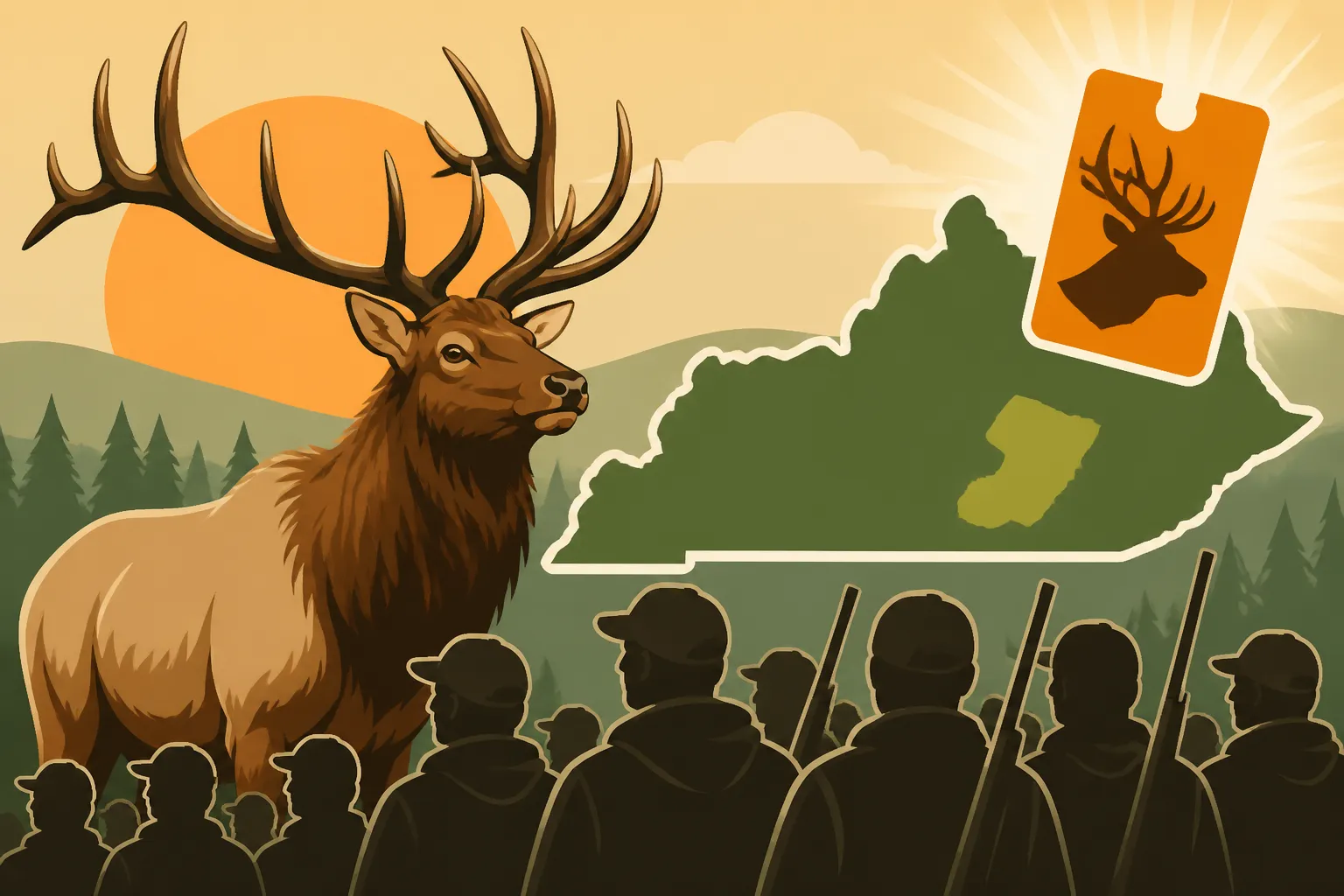
Why Five Hundred Elk Permits Draw So Many Applicants
It’s a tale as old as time for hunters across the country: the dream of drawing a coveted elk tag. In Kentucky, that dream often feels particularly tantalizing, yet incredibly distant, for thousands of hopeful applicants. When you hear that Kentucky issues around 500 elk permits each year, your first thought might be, "That sounds like a good number!" But then you see the sheer volume of applications, and suddenly, the odds feel stacked against you. It's frustrating, isn't it? Pouring your hopes and your application fee into a system that feels like winning the lottery. This guide will dive deep into Why Five Hundred Elk Permits Draw So Many Applicants in the Bluegrass State, shedding light on the immense demand and helping you understand the forces at play, along with strategies to maximize your own chances.
The Irresistible Lure of Kentucky's Elk Herd
Kentucky has quietly, yet spectacularly, become an elk hunting mecca east of the Mississippi. It's not just a regional secret anymore; hunters from all corners of the nation are looking to the rolling hills and reclaimed coal lands of Eastern Kentucky for a chance at a majestic wapiti. The sheer scale of this success story, combined with the accessible nature of the hunt compared to Western states, creates an applicant pool that far outstrips the available tags.
A Thriving Population and Trophy Potential
Let's face it, one of the biggest draws is the incredible success story of Kentucky's elk restoration. Once extirpated from the state, the Kentucky Department of Fish and Wildlife Resources (KDFWR) embarked on an ambitious reintroduction program in 1997. Fast forward a few decades, and the herd has exploded. Today, Kentucky boasts the largest herd east of the Mississippi, with estimates soaring past ten thousand animals. This isn't just a handful of elk; this is a thriving, self-sustaining population that continues to expand its range within the designated Elk Restoration Zone. When you realize the magnitude of this achievement, it's easy to see why so many hunters dream of participating in this success story.
Beyond just the numbers, there’s the undeniable trophy potential. Kentucky’s fertile lands and excellent habitat—much of it on reclaimed mine sites offering a diverse mosaic of grasses, shrubs, and timber—provide incredible nutrition. This translates directly into big-bodied, big-antlered bulls. Every year, impressive bulls are harvested, making headlines and filling record books. Who wouldn't want a chance to chase one of these magnificent animals right here in the East? It’s not uncommon to see photos circulating of bulls that would rival many taken out West, and that kind of potential is a powerful magnet for hunters.
The Unique Eastern Opportunity
For many hunters, a Western elk hunt involves significant travel, specialized gear for high altitudes, and often, expensive outfitted trips. Kentucky offers a different kind of experience that, while challenging in its own right, feels more attainable for those residing in the Eastern and Midwestern United States. It's closer to home, the terrain is often less extreme than the Rockies, and the cost of the tag itself, if drawn, is significantly lower than many out-of-state Western tags.
This blend of proximity, relative affordability, and world-class elk hunting makes Kentucky a truly unique and highly sought-after destination. It's an opportunity that simply doesn't exist in many other places, especially not on this scale. Imagine driving a few hours instead of flying across the country, hunting in timbered hills you might be more familiar with, and still having a legitimate shot at a giant bull. That's the dream Kentucky offers, and it's why so many non-residents, alongside Kentuckians, throw their hats into the ring year after year. The sheer convenience alone makes it worth the investment of an application fee for many.
Navigating Kentucky's Elk Permit Lottery System
The Kentucky Department of Fish and Wildlife Resources (KDFWR) has a crucial job: managing this incredible elk resource sustainably while providing hunting opportunities. With such high demand and limited harvest quotas, a lottery system is the only fair way to distribute permits. Understanding how this system works, including the different types of permits and the role of preference points, is key to developing a sound application strategy.
Different Permit Types and Their Demand
The KDFWR doesn't just issue one generic "elk tag." They break down the available permits into several categories, each with varying levels of demand and success rates. Generally, these include:
- Bull Firearm Permits: These are, hands down, the most coveted and difficult to draw. Everyone wants a chance at a big bull with a rifle. The number of these permits is extremely limited, reflecting the KDFWR's focus on herd growth and maintaining a healthy bull-to-cow ratio.
- Cow Firearm Permits: While not as glamorous as a bull tag, cow permits offer a fantastic opportunity to harvest an elk and fill the freezer. The draw odds for cow permits are typically better than for bull permits, simply because there are more of them available and fewer hunters specifically target cows in their primary application.
- Archery/Crossbow Either-Sex Permits: These permits allow you to hunt an elk (bull or cow) with archery equipment during the designated season. The archery season provides a different challenge and experience, often occurring earlier in the fall. While also highly sought after, their draw odds often fall somewhere between bull and cow firearm permits.
- Youth Permits: A select number of permits are set aside for young hunters. This is a phenomenal program, but still competitive due to the limited number of tags.
Each of these categories contributes to the overall 500-permit total, but the demand isn't evenly distributed. If your primary goal is simply to hunt an elk in Kentucky, understanding these differences is crucial. Applying for a cow permit or an archery permit might dramatically increase your chances over continually applying for only a bull firearm tag. You can find more details on these different permit options by checking out our guide on Bull, Cow and Either-Sex Elk Permit Types.
The Power of Preference Points
One of the most critical aspects of Kentucky's elk lottery system is the preference point system. It’s designed to reward consistent applicants, giving them a slight advantage each year they apply and are unsuccessful. Here’s how it works:
- For every year you apply for an elk permit but don't draw, you earn one preference point.
- These points accumulate, and when the draw is conducted, your accumulated points are factored into your application. Essentially, someone with 5 preference points has a better statistical chance of drawing than someone with 0 points, all else being equal.
- The catch? Once you draw any elk permit (bull, cow, or either-sex), your preference points are reset to zero. This means you start building them up again from scratch for your next application. This mechanism ensures that successful hunters don't perpetually hog the limited tags and helps spread the opportunity around over time.
This system is a major reason why so many hunters apply year after year, even if their immediate odds are low. They're not just applying for this year's hunt; they're investing in future hunts. It creates a loyal base of applicants who understand the long game. You can learn more about how this system benefits you in our deep dive into the Kentucky Elk Preference Point System.
Here's a simplified look at how preference points can impact your chances, though actual draw odds vary wildly by permit type and unit:
| Preference Points | Likelihood of Drawing (Illustrative) | Strategy Implication |
|---|---|---|
| 0 | Very Low | Start applying consistently to build points |
| 1-3 | Low | Maintain consistent applications; consider less popular tags |
| 4-7 | Moderate | Odds improve; research unit-specific draw trends |
| 8+ | Higher | You're in a good position; continue applying for desired tag |
| Reset to 0 | After successful draw | Start over, but with a full freezer and a great memory! |
Note: This table uses illustrative likelihoods. Actual draw odds depend on the specific permit type, unit, number of applicants, and the current year's quota.
Strategies for Improving Your Chances
Given the intense competition, simply filling out the application form and hoping for the best isn't enough for many. Hunters who are serious about drawing an elk tag in Kentucky often employ specific strategies, leveraging data and understanding the nuances of the lottery system.
Consistent Application and Strategic Choices
The most fundamental piece of advice for anyone hoping to hunt elk in Kentucky is to apply every single year. Seriously, don't miss a year. Even if you're strapped for cash one season and can only afford the application fee and no other hunting licenses, make sure you get that elk application in. Those preference points are gold, and skipping a year means losing ground in the long race.
Beyond just applying, be strategic about what you apply for. While that bull firearm tag is the ultimate prize, the odds are incredibly long, especially for non-residents or those with few preference points. Consider diversifying your approach:
- Apply for a cow permit: If your primary goal is to simply hunt an elk, a cow permit offers significantly better odds. Many hunters who just want the experience and the meat will focus on these tags, especially in units with higher quotas.
- Explore the archery/crossbow option: The Kentucky Archery-Crossbow Elk Season Dates often align with cooler weather and potentially the tail end of the bugle, offering an exciting challenge. These permits can also have slightly better odds than bull firearm tags.
- Research Elk Hunting Units (EHUs): Kentucky is divided into several EHUs, and draw odds can vary between them. Some units might be more rugged or have less public land, leading to slightly lower applicant numbers. Tools like GoHunt's Insider platform can provide invaluable data on historical draw odds by unit and permit type, helping you make an informed decision. They compile mountains of data, allowing you to see trends and calculate your chances based on your preference points and the specific EHU you're interested in. This kind of detailed analysis can be a game-changer when deciding where to put your application.
Leveraging Tools and Information
In today's interconnected world, there's no excuse for applying blindly. The KDFWR website is a fantastic resource, providing details on Kentucky Elk Quota Hunt Rules, application periods, and more. However, for a truly deep dive into draw odds and application strategy, external tools can be incredibly beneficial.
Brands like GoHunt specialize in crunching numbers and providing insights into limited-entry draws across various states. Their platforms offer detailed historical draw odds, applicant data, and preference point analyses that can help you understand exactly what you're up against and how to best position yourself. For instance, GoHunt might show you that Unit 4 has consistently higher draw odds for cow tags than Unit 1, or that non-resident archery bull tags require a certain number of preference points to have a realistic chance. This kind of specific, data-driven information is invaluable when every application fee and every preference point counts.
You can also gain insight from local hunting forums, social media groups, and even by talking to KDFWR staff. Learning about the general success rates, the specific challenges of particular units, and even anecdotal experiences can help fine-tune your application. Remember to pay close attention to the Kentucky Elk Application Window Dates to ensure you never miss your chance to apply.
The Reality of Limited Access and Future Hopes
Let's be real: drawing an elk tag in Kentucky is tough. It’s a true lottery, and even with all the strategies and preference points in the world, luck plays a significant role. It's easy to get discouraged after years of rejection letters, but understanding the bigger picture and exploring alternative paths can help manage expectations and keep the dream alive.
Managing Expectations: It's a Long Game
For many, the Kentucky elk hunt is a "once-in-a-lifetime" opportunity, not because you can only draw once, but because it might take a lifetime to draw again after your points reset. It’s crucial to set realistic expectations. You might apply for five, ten, or even fifteen years before your name is finally called. The key is perseverance. Don't let the low odds deter you; instead, let them fuel your consistent application. Think of each application as buying a tiny lottery ticket for the hunting adventure of a lifetime.
Even after you draw, the hunt itself is no guarantee of success. Elk are notoriously challenging animals to pursue, especially in the rugged, thick cover of Eastern Kentucky's Elk Restoration Zone. Factors like weather, elk movement, and your own hunting skills all come into play. However, drawing the tag is the first, biggest hurdle. Once you have it, the real adventure begins. Consider reading up on Calling a Southeastern Kentucky Bull Elk or Spot-and-Stalk Tactics for Pine Mountain Bears if you're looking for strategies that might transfer to elk hunting in similar rugged terrain.
Alternatives to Drawing a Tag
If the draw continues to elude you, or if you simply want to experience Kentucky's elk in a different way, there are alternatives.
- Elk Viewing: Kentucky offers fantastic opportunities for elk viewing, especially in the core of the Elk Restoration Zone. Places like the Begley Wildlife Management Area or the observation points near the town of Hazard offer chances to see these magnificent animals in their natural habitat. It's a wonderful way to connect with the species and the landscape, even without a weapon in hand. You can find more information on Elk Viewing in the Restoration Zone.
- Guided Hunts on Private Land: While the lottery is for public land opportunities, some private landowners in the elk zone may offer guided hunts. These can be expensive but offer a guaranteed opportunity to hunt an elk without going through the lottery. This might be an option for those who prioritize the experience and are willing to invest financially.
- Volunteer Opportunities: Consider volunteering with conservation groups or the KDFWR on elk-related projects. This can offer a unique behind-the-scenes look at herd management, habitat work, and put you in close proximity to the animals you hope to hunt one day. It’s a great way to give back and learn more about this incredible resource.
Ultimately, the immense demand for Kentucky's approximately 500 elk permits stems from a perfect storm of factors: a thriving, trophy-rich elk herd, a unique and accessible Eastern hunting opportunity, and a preference point system that encourages perennial applications. While the odds are challenging, the dream of a Kentucky elk hunt remains a powerful draw for thousands of passionate hunters, making it one of the most competitive draws in the nation. Your best bet? Apply consistently, stay informed, and enjoy the journey, whether you draw a tag or not.
Disclaimer
Hunting regulations and season dates are subject to change. Always consult the official Kentucky Department of Fish and Wildlife Resources (KDFWR) regulations before planning any hunt. This article is intended for informational purposes only and does not constitute legal advice.