Public Ground Near London
Finding prime hunting ground, especially public land, can feel like searching for a needle in a haystack, particularly when you're looking around a specific spot like London, Kentucky. Many hunters get frustrated with crowded access points or land that just doesn't seem to hold game, leading to wasted time and effort. This guide is here to cut through that frustration, helping you uncover and effectively hunt the abundant public land opportunities available in and around London, Kentucky, ensuring your hunting trips are more successful and enjoyable.
Navigating Public Hunting Opportunities Near London, KY
London, Kentucky, tucked into the southeastern part of the state, sits right on the doorstep of some truly incredible hunting opportunities. However, if you're not familiar with the lay of the land, it can feel overwhelming trying to figure out where to even begin. You might drive past endless tracts of private property with "No Trespassing" signs and wonder if there's any good public ground left for the average hunter. I've been there, feeling that pang of disappointment when every promising-looking area turns out to be off-limits.
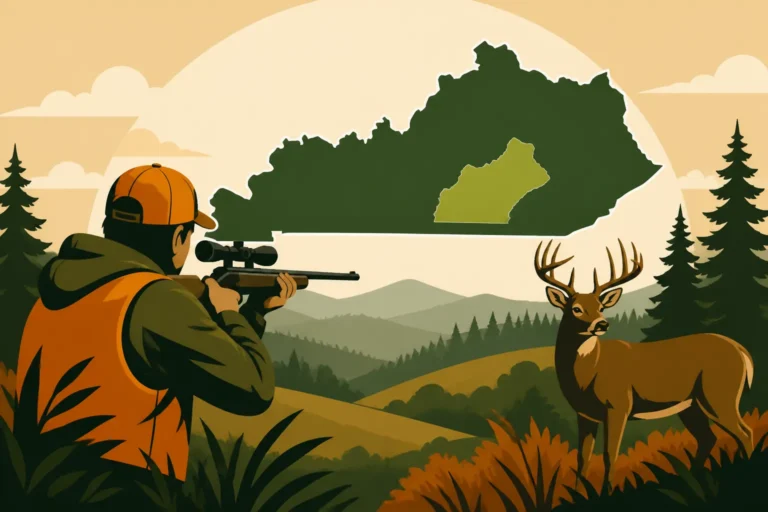
The good news is that London, being the county seat of Laurel County, offers direct access to vast stretches of land managed for public use, primarily within the sprawling Daniel Boone National Forest and several smaller, yet equally valuable, Wildlife Management Areas. It’s not about finding a spot; it’s about understanding the diverse landscape and how to approach it strategically.
The Landscape Around London
The immediate area surrounding London is a mix of urban development, agricultural fields, and rolling timber. As you move away from the city center, especially to the east and south, the terrain quickly transitions into the more rugged, forested hills characteristic of eastern Kentucky. This is where the magic happens for public land hunters. These aren't manicured parks; they are wild, sometimes challenging, landscapes that demand a certain level of preparedness and understanding.
Imagine driving just 15 or 20 minutes from town and suddenly finding yourself surrounded by dense hardwoods, steep hollows, and ridge after ridge stretching into the horizon. This varied topography creates an array of habitats for deer, turkey, small game, and even the occasional bear or elk, given London’s proximity to Kentucky’s Elk Restoration Zone. It's a rich tapestry, but one that requires a bit of homework to unravel. Many hunters find that the sheer scale of the landscape can be intimidating, making it hard to pinpoint specific areas to focus their efforts.
Understanding Different Types of Public Land
Kentucky offers a few different flavors of public hunting land, each with its own characteristics and rules. Near London, you'll primarily be dealing with two main types: the Daniel Boone National Forest (DBNF) and Wildlife Management Areas (WMAs). While both are public, they are managed by different entities and can offer distinct hunting experiences.
The Daniel Boone National Forest, managed by the U.S. Forest Service, is by far the largest contiguous block of public hunting land in the region. It's vast, rugged, and often less intensely managed for specific game species than WMAs. Think big timber, deep drainages, and plenty of room to roam, especially if you're willing to put in the legwork. Hunting here can feel like a true wilderness experience.
Wildlife Management Areas, on the other hand, are typically managed by the Kentucky Department of Fish and Wildlife Resources (KDFWR). These areas are often smaller, more intensely managed, and might have specific regulations or habitat improvement projects aimed at certain game species. While they can sometimes experience higher pressure due to easier access or concentrated game, they also offer fantastic opportunities. Understanding these differences is crucial because it informs your expectations, your strategy, and the specific regulations you need to follow.
Key Public Hunting Areas Within Reach of London
When you're based in London, Kentucky, you're sitting in a fantastic geographical position for accessing prime public hunting. The biggest draw, of course, is the massive Daniel Boone National Forest, but there are also dedicated Wildlife Management Areas that deserve your attention. It's not just about knowing that there's public land, but which pieces offer the best opportunities and what makes them unique. This is where your planning truly begins.
Daniel Boone National Forest: The Largest Playground
The Daniel Boone National Forest stretches across 21 counties in eastern Kentucky, covering over 700,000 acres. From London, you're right next to significant portions of it, particularly the London Ranger District. This vast expanse offers incredible opportunities for deer, turkey, and small game. What makes the DBNF so appealing is its sheer size and ruggedness, which means if you're willing to hike further than most, you can often find untouched areas away from the crowds. Many hunters feel overwhelmed by the scale, but that's also its biggest asset. Daniel Boone National Forest Hunting
Think about the terrain: miles of continuous timber, steep ridges, and deep hollows. This isn't flat ground hunting; it requires stamina and good navigation skills. For deer, focusing on saddles between ridges, natural funnels created by topography, and areas with diverse mast crops (like oak flats) can be highly productive. For turkeys, understanding their roosting habits in these big woods and their preferred strutting areas, often on more open ridge tops or benches, is key. The beauty of the DBNF is the feeling of solitude you can find, pushing past the easily accessible spots and really immersing yourself in the wild. Make sure you check out information on Hunting the Daniel Boone Forest's Proclamation Boundary to understand specific rules.
Specific Wildlife Management Areas (WMAs)
While the Daniel Boone National Forest offers expansive big woods hunting, don't overlook the role of dedicated Wildlife Management Areas near London. These areas are specifically acquired and managed by the KDFWR for public hunting and outdoor recreation, often offering different habitat types or more concentrated efforts on certain species. You might find areas with managed food plots, specific timber stand improvements, or water features that attract game.
A prime example close to London is Begley WMA, located partially in Laurel County. This WMA, like others in the region, is often managed with a focus on both deer and turkey populations, as well as being within the Elk Restoration Zone. WMAs can be fantastic because their management is often geared towards maximizing hunting opportunities, which means better habitat for game. However, this also means they can sometimes see higher hunting pressure, especially on opening weekends. It's always a good idea to research individual WMA regulations before heading out, as rules can vary regarding ATV use, camping, or even specific hunt dates. Finding a WMA near you is easier than ever with digital tools like the Kentucky Hunt Fish App. Finding a Kentucky WMA Near You
Exploring the Elk Zone Influence
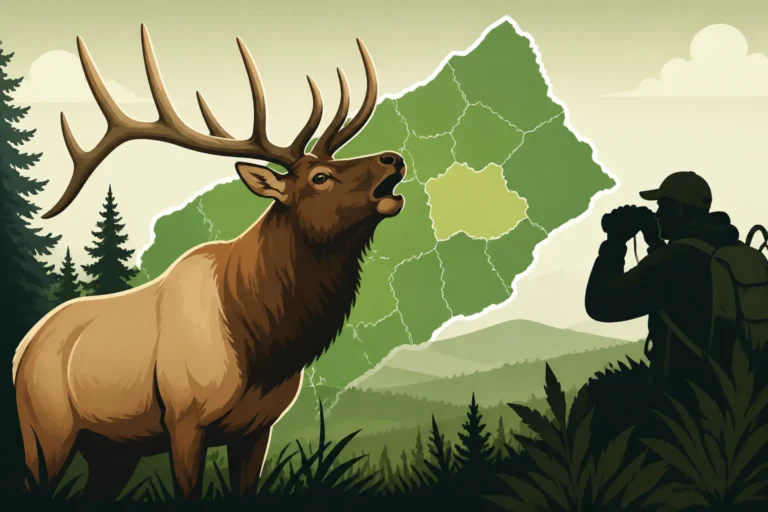
London sits squarely within Kentucky's Elk Restoration Zone, an area that spans several counties in the eastern part of the state. While elk hunting is permit-only and highly sought after, the presence of the elk herd significantly impacts the general ecosystem and hunting experience, even if you're not hunting elk yourself. The habitat management conducted to support the growing elk population, such as creating open grasslands, food plots, and specific timber clearings, benefits a wide range of other wildlife, including deer and turkey.
These managed areas can act as magnets for deer, drawing them in with diverse forage. When scouting for deer or turkey, keep an eye out for areas that show signs of elk activity, as these could also be prime spots for other game. The KDFWR's efforts to maintain and expand the elk herd mean that the region's overall wildlife health is robust. Even if you're just deer hunting, understanding the broader ecological context of the Elk Zone can give you an edge in predicting animal movement and finding productive areas. Hunting Kentucky's Record Elk Herd
Strategies for Success on London-Area Public Land
Hunting public land successfully, especially in an area like London, Kentucky, isn't about luck; it's about smart strategy and a willingness to put in the effort. The challenges of public land—other hunters, varying terrain, and less "controlled" environments—can be overcome with the right approach. It's about being more prepared and more persistent than the next hunter, finding those overlooked pockets where game feels secure.
Pre-Season Scouting and Digital Tools
Effective pre-season scouting is the cornerstone of public land success. This isn't just a suggestion; it's a necessity. You need to identify key features of the landscape long before opening day. This includes finding potential bedding areas, primary food sources (like acorn flats or soft mast), water sources, and most importantly, travel corridors and funnels that deer and turkeys will use to move between them. The deep hollows and steep ridges around London create natural pinch points that can be absolute goldmines.
Modern digital mapping tools like onX Hunt or GoHunt are invaluable here. They allow you to meticulously pore over satellite imagery, topo maps, and land ownership overlays from the comfort of your home. You can mark potential stand locations, identify access points, and plan your entry and exit routes, all before stepping foot in the woods. These tools show you terrain features that might be difficult to discern on the ground, such as subtle benches on a steep hillside or hidden creek bottoms. Combine this digital scouting with actual boots-on-the-ground recon to verify sign like rubs, scrapes, and tracks. Checking out a guide on Scouting With the Kentucky Hunt Fish App can help refine your digital approach.
Dealing with Hunting Pressure
Let's be realistic: public land often means hunting pressure. There's no way around it, especially on popular WMAs or easily accessible sections of the National Forest. That feeling of pulling up to a trailhead on opening morning and seeing five other trucks can be deflating. However, this doesn't mean success is impossible. It simply means you need to adjust your strategy.
The most common tactic for escaping pressure is to simply walk further. Most hunters won't venture more than a half-mile or a mile from the road. If you're willing to put in two or three miles, especially over rugged terrain, your chances of encountering less disturbed game increase dramatically. Another effective strategy is to hunt during off-peak times—mid-week instead of weekends, or during less popular seasons. Deer and turkey quickly learn to pattern human activity, and they will seek refuge in the thickest, nastiest, hardest-to-reach cover. Learn to identify those security cover areas on your maps and be prepared to go after them. For more specific insights, consider reading Hunting Pressure on Kentucky Public Land.
Terrain-Specific Hunting Tactics
The rugged, mountainous terrain near London demands specific hunting tactics. Unlike flatter, agricultural areas, deer and turkey movement in eastern Kentucky is heavily influenced by elevation changes, ridge lines, and hollows. You can't just set up anywhere and expect success; you need to understand how animals use these features.
For deer, hunting ridge tops and saddles can be highly effective, especially during the rut when bucks are cruising for does. Deer often bed on secluded benches or thick points along ridges and will travel these features to move between feeding and bedding areas. Understanding how wind and thermals behave in these environments is also critical. In the mornings, thermals often rise, carrying scent up the hillside, while in the evenings, they fall, carrying scent down. Setting up to account for these shifts can make or break a hunt. Reading a Ridge for Cumberland Deer provides excellent detail on this. Still-hunting, slowly moving through the timber, can also be a productive method in this dense cover, allowing you to cover more ground and react to what you find. For tips on this, look into Still-Hunting Eastern Kentucky Ridges.
| Public Land Type | Primary Management Body | Typical Characteristics | Common Game Species | Proximity to London |
|---|---|---|---|---|
| Daniel Boone Nat. Forest | U.S. Forest Service | Vast, rugged, forested; less intensive habitat management | Deer, Turkey, Small Game, Bear | Immediate East/South |
| Wildlife Management Area | KY Dept. Fish & Wildlife | Smaller, more intensively managed; specific habitat goals | Deer, Turkey, Small Game, Waterfowl | Within & Near Laurel Co. |
| Elk Restoration Zone | KY Dept. Fish & Wildlife | Habitat managed for elk; benefits all wildlife | Deer, Turkey, Elk (permit only) | London is within |
Essential Tools and Mindset for Public Land Hunters
Having the right gear and, just as importantly, the right mindset can significantly impact your success and enjoyment when hunting public ground near London. This isn't a stroll in the park; it's an adventure that requires preparation, resilience, and respect for the wild places you're entering.
Gear Considerations for Rugged Terrain
When you're tackling the steep hills and dense timber of Daniel Boone National Forest or the various WMAs around London, your gear choices become paramount. First and foremost, invest in high-quality, comfortable, and waterproof boots with excellent ankle support. You'll be covering miles over uneven ground, and wet, blistered feet will end your hunt quickly. A reliable backpack is also crucial, not just for carrying your essentials but also for comfortably packing out game. Think about what you absolutely need for a full day in the woods: water, snacks, first-aid, navigation tools, and game processing supplies. Packs for a Daniel Boone Forest Day Hunt offers excellent guidance on this.
Optics are another key consideration. While you might not need a massive spotting scope, a good pair of binoculars (8×42 or 10×42) will be invaluable for glassing distant ridge lines, identifying potential game, and even locating signs like rubs or scrapes from afar. A rangefinder is also extremely useful, especially in terrain where judging distance can be tricky due to elevation changes. For more insights on this, check out Optics for Eastern Kentucky Ridges. Don't forget your blaze orange; Kentucky has specific requirements for outer clothing during certain seasons, which are designed to keep you safe when other hunters are in the woods. Kentucky Blaze Orange Requirements outlines these rules clearly.
Persistence and Adaptability
The most crucial tool you can bring to public land hunting isn't something you buy; it's your attitude. Public land hunting is often challenging, and it demands persistence. You might not see anything for hours, or you might get busted multiple times before you have a successful encounter. Giving up after a tough morning is easy, but sticking with it, trying a new ridge, or adjusting your setup based on new information is what separates successful public land hunters from those who get frustrated.
Be adaptable. The weather can change quickly in Kentucky, turning a warm, sunny morning into a cold, rainy afternoon. Other hunters might push deer or turkeys into areas you hadn't considered. Being able to shift your plan, move to a different location, or change your tactics on the fly is a huge asset. This might mean switching from a treestand sit to a still-hunt, or moving to a different part of a WMA if your initial spot is too crowded. Embrace the challenge, learn from every outing, and remember that every tough hunt builds experience. Most importantly, always practice ethical hunting and leave no trace, ensuring these precious public lands remain healthy and accessible for generations to come.
Disclaimer
This article is for general informational purposes only and does not constitute professional advice. Laws, prices and regulations vary by location and change over time. Consult a qualified professional for guidance on your specific situation.