Best Kentucky Ground for Public Land Turkey
Hunting for wild turkeys on Kentucky's public lands can feel like a real puzzle. You're out there, just like everyone else, trying to find those elusive gobblers, and sometimes it feels like every prime spot is already taken or the birds have been pressured into oblivion. It’s tough to know where to even start, especially if you're new to an area or just want to avoid the crowds. This comprehensive guide is here to cut through the noise, offering practical advice and specific insights into identifying and successfully hunting productive public land for turkeys across our beautiful state.
Understanding Kentucky's Public Land Turkey Potential
Kentucky is blessed with a diverse landscape, from the rugged mountains of the east to the rolling hills and agricultural fields of the west, all of which offer unique opportunities for turkey hunting on public land. But just because an area is public doesn't mean it's equally good for turkeys. Understanding the foundational elements that draw and hold these birds is your first step to success.
The Lay of the Land: Habitat and Distribution
Wild turkeys, particularly the Eastern subspecies we have here in Kentucky, are creatures of specific habits. They need a combination of things to thrive: good roosting timber, abundant food sources, and plenty of cover for nesting and escape. In mountainous regions, this often means mature hardwood ridges interspersed with open clearings or logging roads. In the rolling agricultural counties, they might utilize small woodlots, creek bottoms, and fencerows that provide a refuge within vast crop fields. Kentucky Turkey Population Trends show that these birds are resilient, but their distribution is directly tied to suitable habitat.
Think about it: a turkey isn't going to roost in a sapling if there's a towering oak nearby. They prefer big, mature trees with strong, horizontal limbs for security against predators. These roosts are often found near water or on prominent ridge lines. Food sources are crucial, too. Acorns, soft mast like berries, insects, and agricultural grains all play a role in their diet throughout the year. If you can find an area with a consistent supply of these, especially where diverse timber stands meet fields or clearings, you've likely found a turkey hotspot. For example, during the fall, mature oak stands are goldmines, while in the spring, those green fields and bugging areas become vital.
Pressure Points: What to Expect on Public Ground
Let's be real, public land hunting in Kentucky can sometimes feel less like a peaceful solo venture and more like a community gathering, especially on opening weekend. Everyone has the same idea: find a gobbler. This means you're going to encounter other hunters. It’s a reality we all face. This pressure can make birds incredibly wary, causing them to shut down their gobbling, move silently, or simply move off to less disturbed areas. It’s not uncommon to hear multiple calls from different directions, or even stumble upon another hunter's setup.
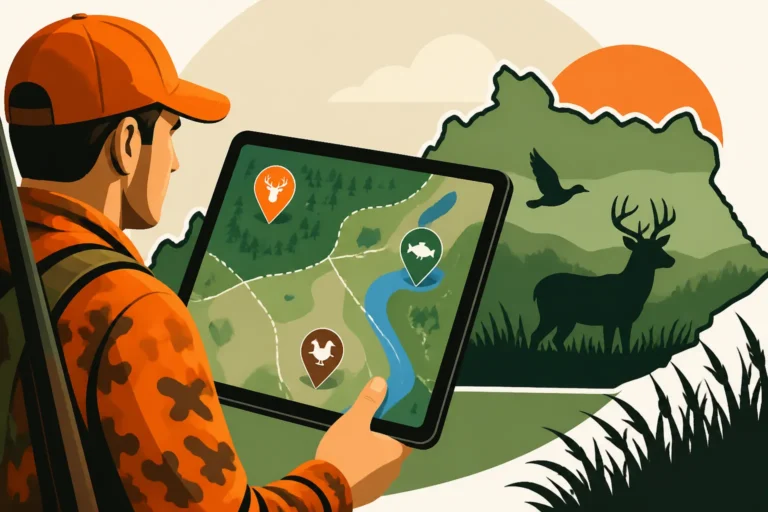
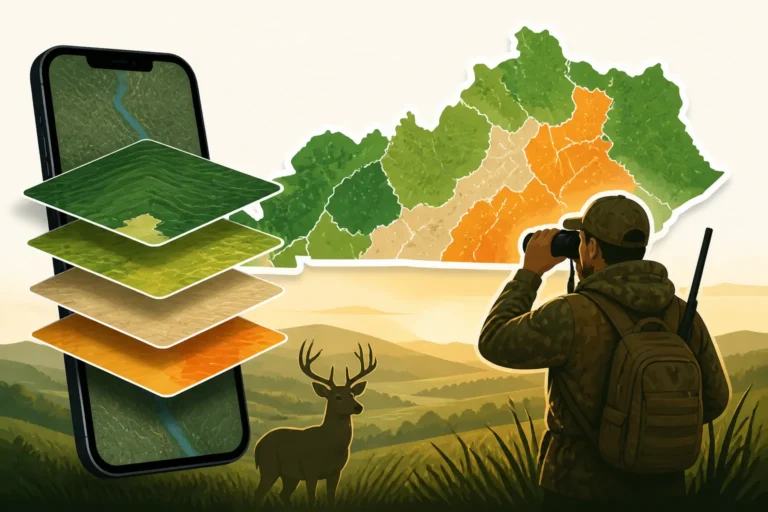
However, this doesn't mean public land is a lost cause. Far from it. The key is to understand how pressure affects turkeys and then strategize to counter it. Often, simply walking an extra half-mile further than most hunters are willing to go can put you into unpressured territory. Using mapping tools like onX Hunt can be a game-changer here, allowing you to scout remotely for those hard-to-reach ridges, deep hollows, or isolated pockets of timber that others might overlook on a topo map. It helps you visualize the terrain, identify potential travel routes, and pinpoint areas that require a bit more effort to access, which often translates to fewer boots on the ground.
Top Public Land Categories for Turkey Hunting
Kentucky offers a variety of public land options, each with its own character, challenges, and rewards for the turkey hunter. Knowing what to expect from these different types of areas can help you tailor your approach and increase your odds.
Daniel Boone National Forest: Mountainous Challenges and Rewards
The Daniel Boone National Forest (DBNF) spans over 700,000 acres across the eastern part of the state, offering vast tracts of rugged, timbered land. This is big woods turkey hunting at its finest – and most challenging. The terrain is often steep, with deep hollows, sharp ridges, and dense cover. Turkeys here tend to be spread out, and locating them can require a lot of walking and patient listening.
The rewards, however, can be immense. When you find an unpressured gobbler deep in the DBNF, it's an experience unlike any other. Tactics often involve getting to a high point before dawn to listen for roosted birds, then making a strategic move to set up. Hunting the Redbird Ranger District or similar remote areas within the DBNF are perfect examples of places where effort pays off. Focus on ridge systems, creek bottoms that serve as travel corridors, and any signs of recent logging or clear-cutting that can create new growth and bugging areas for turkeys. Remember that covering ground is essential, and being physically prepared for steep ascents and descents is crucial.
Wildlife Management Areas WMAs: Diverse Habitats, Varied Rules
Kentucky's Wildlife Management Areas (WMAs) are tracts of land managed specifically by the Kentucky Department of Fish and Wildlife Resources (KDFWR) for wildlife habitat and public recreation, including hunting. These areas are incredibly diverse, ranging from large timbered properties to smaller parcels mixed with agricultural fields, flooded timber, or reclaimed mine lands. Each WMA is unique, and it’s critical to understand its specific rules and habitat.
Many WMAs have excellent turkey populations due to dedicated habitat management. However, they also tend to see higher hunter pressure due to their accessibility and known wildlife populations. It's not uncommon for a WMA to have specific regulations, such as Making the Most of a One-Bird-Per-WMA Rule or limitations on hunting methods. Always check the KDFWR's guide for the specific WMA you plan to hunt. Mapping tools are invaluable here; you can use services like GoHunt or the KDFWR's own public land map tools to understand boundaries, access points, and terrain features. Some WMAs, particularly those with a mix of timber and agricultural fields, can offer fantastic opportunities if you scout thoroughly and adapt your tactics to the local landscape. For instance, finding a hidden field edge where turkeys feed can be productive.
Land Between the Lakes: A Unique Experience
The Land Between the Lakes (LBL) National Recreation Area, straddling the Kentucky and Tennessee border, offers another distinct public land hunting opportunity. This vast peninsula between Kentucky Lake and Lake Barkley is characterized by a mix of mature hardwood forests, pine plantations, open fields, and numerous small ponds and lakes. Its proximity to large bodies of water adds another dimension, particularly if you're looking for birds near water sources.
LBL is managed under specific federal guidelines, so hunters will need to acquire a separate LBL hunt permit in addition to their Kentucky hunting license. Turkey populations here are generally healthy, and the varied habitat offers good opportunities. However, like WMAs, LBL can experience significant hunter pressure, especially on popular weekends. Scouting is paramount, and being willing to get off the beaten path can lead to success. Look for areas with a good mix of timber and clearings, and pay attention to ridge systems and creek bottoms where turkeys might travel or roost. The sheer size of LBL means there are still plenty of pockets where you can find solitude and unpressured birds.
Strategies for Success on Public Land Turkeys
Finding the "best" public land isn't just about showing up; it's about employing smart strategies before, during, and after the hunt. Turkeys on public land are often educated birds, meaning you'll need to be more adaptable and observant.
Scouting is King: Pre-Season Reconnaissance
I can't stress this enough: successful public land turkey hunting starts long before opening day. Scouting isn't just an advantage; it's a necessity. You need to know where the birds are, where they're roosting, and what their daily patterns are. This involves both digital and physical scouting.
Start with aerial maps. Tools like onX Hunt allow you to virtually scout vast areas from your couch. Look for key terrain features: prominent ridges, deep hollows, creek drainages, clear-cuts, and openings within the timber. Identify potential roosting areas (tall timber near water or on ridge points) and feeding areas (oak flats, old logging decks, green fields). Reading Aerial Photos for Eastern Kentucky Deer offers great insights that can be applied directly to turkey scouting, as deer and turkeys often use similar habitat features. Once you've identified potential spots, it's time to put boots on the ground.
Walk the land. Look for actual turkey sign: droppings, tracks, scratchings in the leaf litter, and dusting bowls. Listen for gobbling in the early morning or late evening. Pay attention to food sources, especially acorns from the previous fall or emerging greenery in the spring. Finding a fresh roost site with scattered droppings and feathers below tells you exactly where the birds are spending their nights. The more time you spend scouting, the more confident you'll be in your setup. Scouting Kentucky Public Land Before Season is not just for deer; it's invaluable for turkeys too.
Tactics for Pressured Birds: Going the Extra Mile
When you're sharing the woods with other hunters, you have to adjust your approach. Simply calling from the truck isn't going to cut it.
- Walk Further, Hunt Deeper: This is the golden rule of public land. Most hunters won't venture more than a quarter to half-mile from an access road. If you're willing to go a mile or two back, your chances of encountering less-pressured birds skyrocket. These birds are often more responsive to calls and less likely to bolt at the first sign of human presence.
- Go Against the Grain: Don't just follow the obvious trails. Look for steep, difficult terrain or thick cover that others might avoid. Turkeys will often retreat to these areas.
- Vary Your Calling: Loud, aggressive calling might work on private land, but on public land, subtle and patient calling often yields better results. Start soft, listen, and only increase volume if necessary. Don't be afraid to go silent for extended periods. Sometimes, the best call is no call at all, just patience. Turkey Calls Worth Carrying in Kentucky discusses various types and how to use them.
- Run-and-Gun or Sit and Wait?: Both tactics have their place. Run-and-Gun Turkey Tactics on Public Land is excellent for covering a lot of ground, especially if you're trying to locate a bird in vast timber. But if you've pinpointed a roost or a primary travel corridor, setting up quietly and patiently waiting can be deadly.
- Decoy Strategy: Decoys can be highly effective, but on pressured ground, choose wisely. A lone hen or a jake decoy can draw a curious gobbler in close. Be aware of your surroundings and other hunters if using decoys. Turkey Decoys That Work on Pressured Birds can offer more specialized advice.
Adapting to Conditions: Weather and Turkey Behavior
Turkeys are sensitive to weather changes, and understanding how these affect their behavior can give you an edge.
- Rainy Days: Turkeys generally don't like heavy rain. They'll often seek roost in thick pines or heavy cover and become less vocal. Light drizzle or mist can sometimes make them more active and vocal as they come down to feed on wet ground, but heavy downpours usually mean a tough hunt.
- Windy Conditions: Wind is a turkey hunter's nemesis. It makes it hard for you to hear them, and hard for them to hear you. Gobbling also decreases significantly. On windy days, focus on sheltered leeward slopes or deep hollows where the wind is buffered. You'll need to get closer to the birds, and calling might need to be more aggressive to cut through the noise.
- Cold Fronts: Following a cold front, especially in early spring, turkeys can become more active as they seek out food sources. They might also be more vocal as they try to regroup after a night of cold.
- Mid-Day Lulls: Don't give up at 9 AM! Many public land hunters head out after the initial morning rush. Turkeys often become active again mid-morning and mid-afternoon, especially if they've been pressured early. Consider a long sit or a slow, careful stalk during these quieter periods. Remember, Kentucky Public Land Hunting Hours are typically generous, so you can hunt all day.
Essential Gear and Mindset for Public Land Turkey Hunters
Being prepared for the unique demands of public land hunting, both in terms of gear and attitude, will make your experience more enjoyable and successful.
The Right Tools for the Job
Your gear doesn't have to be top-of-the-line, but it needs to be reliable and fit for purpose.
- Comfortable Boots: You're going to walk, a lot, often over rugged terrain. Invest in comfortable, waterproof boots with good ankle support. Nothing ruins a hunt faster than sore feet.
- Good Quality Calls: A variety of calls is helpful. Mouth calls are excellent for hands-free operation. Slate or glass calls offer different tones, and a box call can produce loud, far-reaching sounds to locate birds. Learn to use them proficiently.
- Shotgun and Ammunition: A reliable 12-gauge or 20-gauge shotgun with a tight turkey choke and heavy-hitting turkey loads is standard. Pattern your shotgun beforehand to know its effective range.
- Decoys: As mentioned, use them wisely. A lightweight, collapsible hen decoy is a good choice for public land.
- Navigation: A GPS unit or a robust mapping app on your phone (like
onX Hunt) is non-negotiable for public land. You need to know where you are, where the boundaries are, and how to get back to your vehicle. Always carry a power bank for your phone. - Layered Clothing: Kentucky weather in spring can be fickle. Dress in layers so you can adjust to changing temperatures throughout the day.
- Other Essentials: Headlamp, knife, small first-aid kit, water, and snacks are always good to have.
Respecting Other Hunters and the Land
A positive mindset and respect for others go a long way on public land.
- Hunter Etiquette: Be mindful of other hunters. If you hear someone working a bird, give them space. Don't crowd them or try to "cut" their bird. A simple wave or a quiet conversation can prevent misunderstandings. Public land is for everyone to enjoy.
- Safety First: Always identify your target clearly and be absolutely certain of your shot. Wear Kentucky Blaze Orange Requirements if required by regulation, especially when walking in or out, even if not mandatory for turkey hunting in spring in some areas (check regulations carefully, as fall turkey may have different rules).
- Leave No Trace: Pack out everything you pack in. Leave the woods cleaner than you found them. This ensures these precious public lands remain beautiful and productive for generations to come.
Hunting turkeys on Kentucky's public land is an incredible experience that builds character and sharpens skills. It demands preparation, patience, and a willingness to work harder than the next hunter. But when that gobbler finally commits, when he strides into view, drumming and strutting through the big timber or along a green field edge, all that effort becomes truly worth it.
| Public Land Type | Typical Terrain | Hunter Pressure | Key Turkey Behavior | Advantages | Challenges |
|---|---|---|---|---|---|
| Daniel Boone NF | Rugged mountains, steep hollows, vast timber | Moderate to Low (deep areas) | Spread out, wary, travel ridge lines | Immense solitude, less pressured birds, big woods experience | Steep terrain, extensive walking, locating birds |
| Wildlife Management Areas | Diverse: timber, fields, creek bottoms, reclaimed land | High (especially opening day) | Adaptive, may be quiet, use diverse habitat | Managed habitat, good bird numbers, varied hunting options | High pressure, often require specific WMA rules, crowded access |
| Land Between the Lakes | Rolling hills, mixed hardwoods/pines, fields, water access | Moderate to High | Utilize varied cover, can be pressured | Diverse habitat, scenic, good mix of opportunities | Separate permit required, can be crowded, specific regulations |
| Small Public Tracts | Often timbered edges, creek bottoms, isolated woodlots | Variable (can be high if known) | Utilize edge habitat, move between public/private | Convenient, might find hidden gems | Very high pressure, limited space, quick overpressure |
Disclaimer
This article is for general informational purposes only and does not constitute professional advice. Laws, prices and regulations vary by location and change over time. Consult a qualified professional for guidance on your specific situation.