Kentucky State Park Hunting Rules
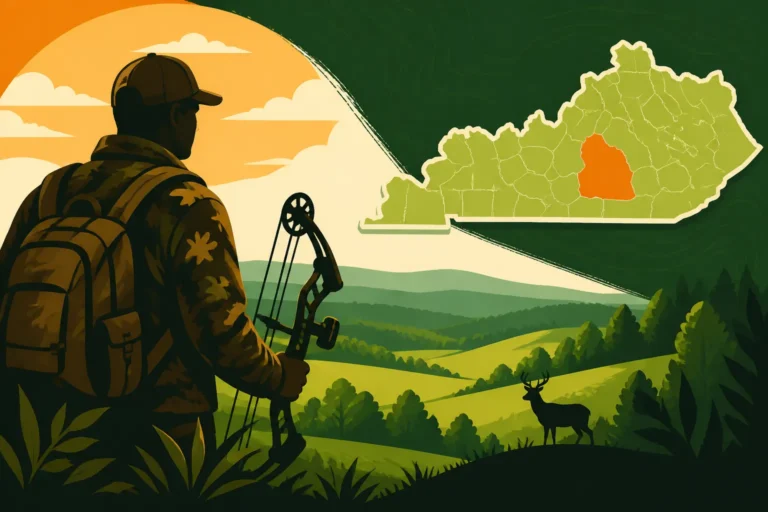
It's a common misconception among Kentucky hunters that our beautiful state parks are entirely off-limits for hunting. Many folks just assume these treasured public lands are solely for hiking, camping, and sightseeing, leading them to overlook valuable opportunities. This guide is here to shed light on the reality: hunting is permitted in many Kentucky State Parks, but it operates under a very specific set of rules, often through tightly controlled managed hunts designed to balance conservation with public enjoyment.
The Unique Nature of State Park Hunting in Kentucky
Hunting in a Kentucky State Park isn't like heading out to a vast national forest or even a dedicated Wildlife Management Area (WMA). The entire philosophy and operational structure are different, and understanding this distinction is crucial before you even consider applying for a hunt. It's a special privilege, not a given right, and that comes with a different level of responsibility and regulation.
Why State Parks Are Different from WMAs and National Forests
When we talk about public lands in Kentucky, hunters often default to thinking about places like Daniel Boone National Forest or the various WMAs managed by Kentucky Fish and Wildlife Resources. These areas are, by and large, established with wildlife habitat and public hunting as core, primary objectives. Their expansive nature and management goals are intrinsically linked to providing robust hunting opportunities across a wide range of species. You can often walk into these areas during open seasons, purchase a license, and start hunting, adhering to statewide regulations with some WMA-specific nuances.
Kentucky State Parks, however, operate under a different mandate. Their primary purpose is often to preserve natural and historical sites, provide recreational facilities for a broad public, and support local tourism. Hunting, if offered, is typically a secondary or even tertiary consideration, carefully integrated to achieve specific wildlife management objectives, usually controlling overpopulation of deer. This means that instead of open seasons, you're almost exclusively looking at highly structured, limited-entry hunts. The acreage available for hunting within a park might also be far more restricted, carving out specific zones away from high-traffic tourist areas.
General Philosophy Behind State Park Hunts
The very existence of hunting opportunities within Kentucky State Parks often stems from a critical need for wildlife management, particularly for deer. In many parks, unchecked deer populations can lead to overbrowsing, damaging sensitive plant communities and impacting the overall health of the ecosystem. Hunting, when done under controlled conditions, becomes an essential tool to maintain a healthy balance. However, due to the high volume of non-hunting visitors—hikers, birdwatchers, campers, families enjoying picnics—public safety becomes paramount.
This focus on safety and coexistence means that state park hunts are usually designed to be minimally disruptive and as safe as possible for all park users. You won't find general open gun seasons here. Instead, expect carefully selected archery-only hunts, youth hunts, or specific primitive weapon seasons, all tightly scheduled during times of lower park visitation. The regulations are often more stringent than general statewide rules, demanding hunters be exceptionally diligent and courteous. It's about demonstrating that hunting can indeed be a responsible and integral part of state park management, while ensuring everyone, hunter and non-hunter alike, can enjoy these beautiful spaces safely.
Understanding Kentucky State Park Managed Hunts
If you're eyeing a Kentucky State Park for a hunting opportunity, you're almost certainly looking at what's called a "managed hunt" or "quota hunt." These aren't your typical walk-on hunts; they require advanced planning, an application, and a bit of luck to draw a tag. It's a system designed to control hunter numbers, minimize impact, and ensure that those who do participate adhere to very specific guidelines.
The Application and Draw Process
The path to hunting in a Kentucky State Park almost always begins with the application process for a quota hunt. The Kentucky Department of Fish and Wildlife Resources (KDFWR) typically opens these applications during specific windows each year. It’s absolutely vital to pay close attention to the KDFWR website or their annual hunting guides for these dates, as missing the window means missing the opportunity entirely. While specific dates can vary, applications for deer often open in late summer, with results typically announced a few weeks later.
When you apply, you're usually entering a lottery. For popular state parks or high-demand hunt types, the odds can be quite low. Many hunters apply year after year, hoping their number will finally be called. While Kentucky doesn't have a complex preference point system for all quota hunts that guarantees you a spot over time, consistency in applying is still your only shot. You'll specify which park and hunt type you're interested in, and if drawn, you'll receive notification and instructions. Remember, each park's quota hunt is unique, so applying for one doesn't mean you're eligible for another. Always read the specific hunt details carefully. You can find more details on this process by checking out Kentucky Quota Hunt Application Window.
Specific Regulations and Hunt Structures
Once you're lucky enough to draw a state park hunt, you'll find the regulations are quite precise and often more restrictive than general season rules. The most common restrictions you'll encounter involve weapon types. Archery-only hunts are by far the most prevalent in state parks, reflecting the need for quieter, less intrusive hunting methods in areas with high public use. Sometimes, youth-only hunts are offered, providing a fantastic opportunity for younger hunters in a controlled environment. Occasionally, a primitive weapons hunt (muzzleloader or crossbow during an archery window) might be available, but firearms are often significantly restricted or completely prohibited depending on the park and the specific hunt.
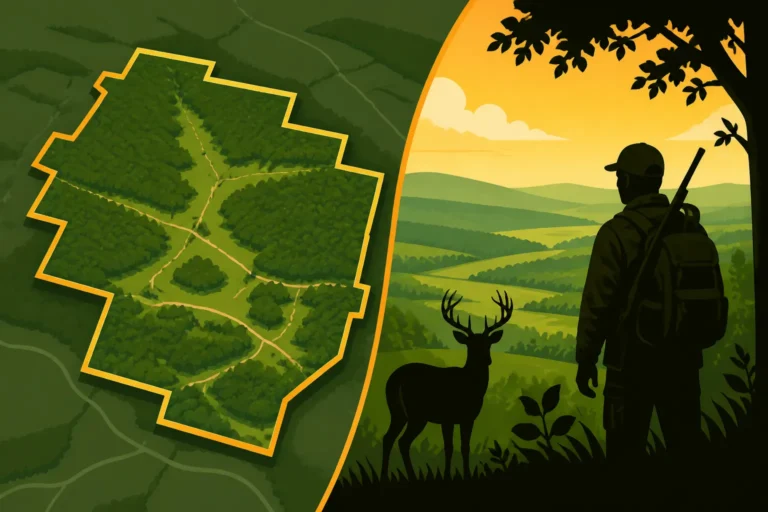
Successful applicants will usually receive detailed hunt packets or be directed to online resources that include maps of designated hunting zones within the park. It's critical to study these maps meticulously. There will be specific areas marked as "no hunting zones," "safety zones" around facilities, or "open to public recreation." Violating these boundaries is a serious offense. You'll also likely have specific check-in and check-out procedures, mandatory reporting requirements for your harvest, and potentially unique bag limits that differ from the statewide county limits. These hunts are truly managed down to the fine details. If you're interested in other specific state park deer hunts, you might find more information in Kentucky State Park Deer Quota Hunts.
Examples of Participating State Parks
It's important to understand that the list of Kentucky State Parks that offer hunting opportunities can change from year to year. What was available last season might not be this season, and new opportunities might arise. That said, certain parks tend to participate more regularly due to factors like their size, existing deer population issues, or geographical layout that allows for safe hunting zones.
For instance, larger parks with extensive undeveloped acreage or those with significant habitat issues from overbrowsing are more likely candidates. These hunts are almost always focused on white-tailed deer, aiming to control populations that might otherwise outstrip the natural forage, leading to unhealthy herds and environmental damage. While I can't provide a current, definitive list without live data, I can tell you that the KDFWR is the sole authority for announcing which state parks will host managed hunts each year. Always consult their official publications or website for the most up-to-date schedule and application details. Don't rely on word-of-mouth or last year's information; active verification is key to securing your chance.
Rules and Restrictions Unique to State Park Hunting
The reason state park hunts are so appealing to many, despite the challenge of drawing a tag, is precisely because they're so controlled. This control means that when you're in, you often have a unique, less crowded experience in beautiful settings. But it also means adhering to a more stringent set of rules designed to protect both the wildlife and the diverse range of park visitors.
Public Safety and Non-Hunter Interactions
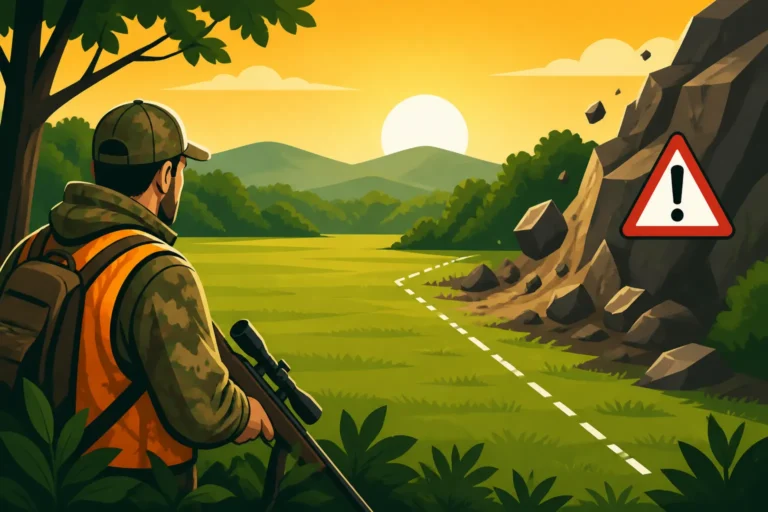
When you're hunting in a state park, you're sharing the landscape with a wide array of non-hunting users who may not be accustomed to seeing hunters or understanding hunting practices. This dynamic places a heightened emphasis on public safety and courteous interaction. Blaze orange requirements, for instance, might be stricter or apply more broadly in certain state park hunts, even for archers, to ensure maximum visibility. Always check the specific hunt regulations for the park you're drawn for, but generally, wearing more visibility clothing is a wise choice. Kentucky Blaze Orange Requirements is a good resource to review.
You'll need to be hyper-aware of your surroundings: hiking trails, picnic areas, campgrounds, playgrounds, and even scenic overlooks where non-hunters might be present. Your ethical responsibility extends beyond just the game animal; it includes ensuring the safety and comfort of every other person enjoying the park. This means absolute certainty of your target and what lies beyond it, being discreet when moving through common areas, and being prepared to pause your hunt if you encounter other park visitors. A friendly wave and a polite answer to questions can go a long way in fostering positive public perception of hunters. Remember, you're an ambassador for all of us.
Weapon and Ammunition Limitations
The vast majority of Kentucky State Park hunts impose strict limitations on the types of weapons and ammunition allowed, again, with public safety and the park's multi-use nature in mind. Archery-only restrictions are extremely common, requiring hunters to use traditional bows or compound bows. Crossbows might be permitted during an archery season, but always verify this for the specific park and hunt you're attending. Kentucky Crossbow Rules During Archery Season is a good general guide, but park rules can add further specifics.
When firearms are permitted, which is less common, they are usually limited to primitive weapons like muzzleloaders, or specific straight-wall cartridge rifles, to reduce range and potential for over-penetration compared to high-powered rifle cartridges. Shotguns with slugs might also be an option in certain situations. It's rare to see general modern rifle seasons in state parks due to the aforementioned safety concerns with other park users and infrastructure. Always, always confirm the exact legal firearms for deer hunting, and any special restrictions specific to the state park hunt, before you even pack your vehicle. You don't want to show up with the wrong gear and risk disqualification.
Access, Stand Placement, and Game Retrieval
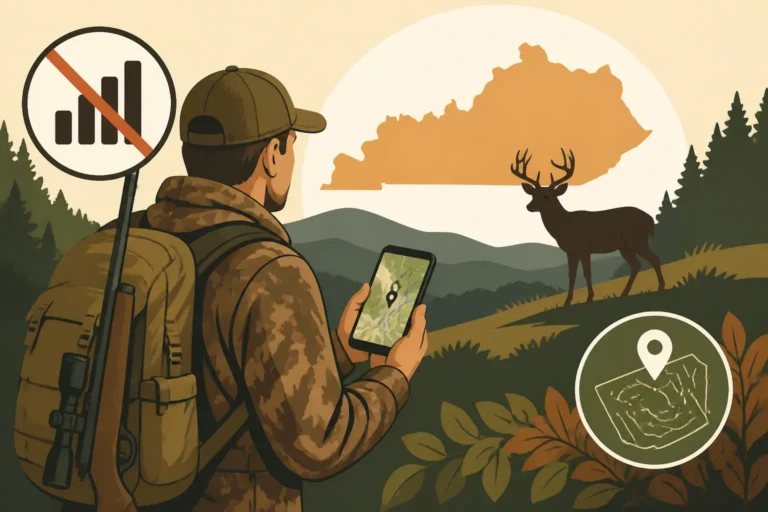
Access within a Kentucky State Park hunt area is often highly regulated. Expect designated parking areas and specific entry/exit points to the hunting zones. You might find certain roads or trails closed to vehicles, requiring you to walk further than you're used to. Always consult the park's specific hunt map for these access details. For navigating these areas, especially where cell service might be spotty, a GPS app like onX Hunt or GoHunt can be invaluable for staying within boundaries and finding your way back to your vehicle.
When it comes to treestand rules, state park hunts often align with general public land guidelines but can have additional stipulations. Screw-in steps or any method that damages trees are typically prohibited. Portable treestands and ladder stands are generally allowed, but they must be removed daily or within a specified timeframe (e.g., 24-48 hours after the hunt ends). Permanent stands are almost universally forbidden. Always check Treestand Rules on Kentucky Public Land and then verify park-specific additions. Game retrieval can also present unique challenges. If you harvest an animal in a remote or difficult-to-access part of the park, park staff might have specific protocols for how you can retrieve it, possibly involving limited vehicle access or requiring manual hauling from designated points. Always be prepared for a difficult pack-out and respect any directions from park personnel during this process.
| Feature | Kentucky State Park Hunts | WMAs/National Forests (General) |
|---|---|---|
| Primary Purpose | Recreation, preservation, tourism, then wildlife mgmt. | Wildlife habitat, public hunting, conservation (primary focus). |
| Access Type | Almost exclusively limited-entry quota/managed hunts. | Mostly open access during season, statewide rules, some WMA specifics. |
| Hunter Density | Very low due to strict quotas. | Can be high, especially opening day or popular areas. |
| Weapon Restrictions | Often archery-only or primitive; firearms highly limited. | Broader weapon allowances, including modern firearms, per statewide law. |
| Other Users | High potential for encountering hikers, campers, sightseers. | Moderate to low, primarily other hunters, some hikers/campers. |
| Application Process | Required, lottery system, specific windows. | Generally not required, just purchase license/tags. |
| Rules Complexity | High; park-specific rules often override general regs. | Moderate; statewide regs with WMA-specific nuances. |
| Bag Limits | Often unique to the hunt; may differ from county limits. | Typically align with county deer management zone rules. |
Maximizing Your Chances on a State Park Hunt
So, you've beaten the odds and drawn a tag for a Kentucky State Park hunt – congratulations! Now the real work begins. Success in these unique environments demands more than just basic hunting skills; it requires meticulous preparation, adapting your tactics to highly pressured deer, and maintaining impeccable ethics throughout your experience.
Scouting and Preparation
Pre-season scouting is absolutely critical for any successful hunt, but it takes on an even greater importance in the limited, often complex terrain of a state park. Start by pouring over maps. KDFWR usually provides maps of the hunt unit, but supplementing this with satellite imagery from apps like onX Hunt or GoHunt can give you an incredible advantage. Look for topographical features like ridge lines, saddles, creek bottoms, and thickets that might funnel deer movement. Identify potential bedding areas, food sources like oak stands (especially after a good acorn year), and natural travel corridors. Even though the park might be smaller, understanding the lay of the land is key.
However, be mindful of scouting restrictions. Many state parks have rules about when and where you can scout, particularly to avoid disturbing wildlife or other park visitors. Some may only allow scouting during specific off-season windows or on foot in non-hunting zones. Always check the park's specific guidelines to ensure you're not violating any rules before the season even starts. Your goal is to identify exactly where the hunt boundaries lie, where public use areas are, and where you'll focus your efforts. A well-scouted area can make all the difference when your actual hunt days arrive. For more general scouting advice, you can check out Scouting Kentucky Public Land Before Season.
Tactics for Pressured Deer in Limited Areas
Deer in Kentucky State Parks, especially during managed hunts, are often accustomed to human presence but also highly wary of actual hunting pressure. They've likely been pushed around a bit, even in a short hunt window, and will quickly adapt to evade hunters. This means your tactics need to be subtle, patient, and precise. Instead of relying on aggressive calling or wide-ranging movements, consider a more "still-hunting" approach. Move slowly, deliberately, pausing frequently to observe your surroundings. Pay attention to subtle changes in elevation, thick cover, and pinch points where deer are likely to feel secure. Still-Hunting Eastern Kentucky Ridges offers principles that apply well here.
Understanding wind and thermals is paramount, particularly in rolling or mountainous state park terrain. Deer will use these air currents to detect threats, so always hunt with the wind in your favor. If you're on a ridge in the morning, thermals will typically rise; in the evening, they'll fall. Positioning yourself correctly can make you practically invisible. Wind and Thermals on a Kentucky Ridge covers this in detail. Because these areas are limited, deer will often seek out the densest, nastiest cover during daylight hours. Focus your efforts on these often-overlooked spots, not just the open woods. Patience, quiet movement, and being scent-conscious are your biggest allies when dealing with pressured deer in these more confined spaces.
Post-Harvest Procedures and Ethical Considerations
The moment you harvest an animal in a Kentucky State Park, your responsibilities continue, and they often include specific post-harvest procedures. First and foremost, you must adhere to Kentucky's telecheck requirements. This usually means reporting your deer harvest through the KDFWR Telecheck system, either online or by phone, within a specified timeframe. Some state park hunts may have an additional on-site check-in requirement, so always confirm. Missing this step can result in serious penalties. For detailed instructions, refer to Reporting a Deer Through Kentucky Telecheck.
Beyond the official reporting, ethical considerations are amplified in a state park setting. Field dressing your deer in cold weather is usually straightforward, but in warmer early season hunts, rapid cooling is essential, especially if you have a long pack-out ahead. Field Dressing a Deer in Cold Weather provides good tips. Be discreet and clean. You’re often near trails or areas where non-hunters might pass, so being mindful of your actions, from the moment of harvest to the pack-out, is important. Pack out all trash, avoid leaving visible signs of your field dressing, and handle the animal respectfully. Your actions reflect on the entire hunting community, and in sensitive areas like state parks, maintaining a positive image is crucial for ensuring these unique opportunities continue for future generations.
Disclaimer
This article is for general informational purposes only and does not constitute professional advice. Laws, prices and regulations vary by location and change over time. Consult a qualified professional for guidance on your specific situation.