Heaviest Bears Killed in Kentucky
Kentucky black bear populations have grown, allowing hunters to pursue exceptionally heavy animals in the southeastern counties.
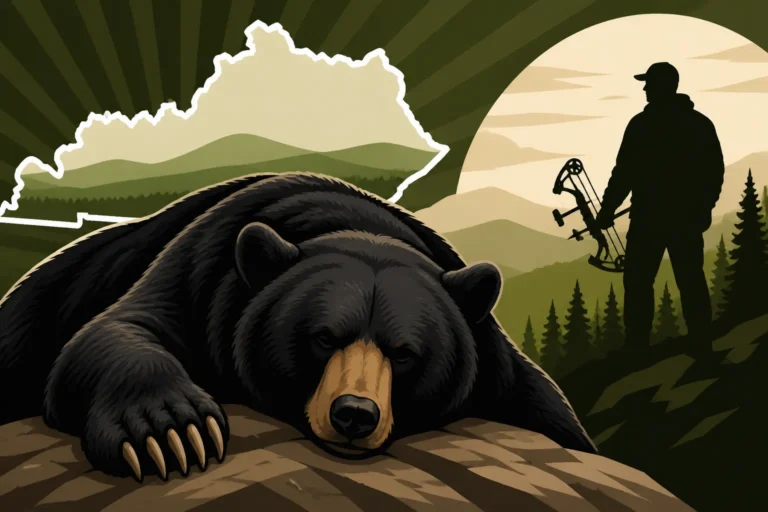
Kentucky black bear populations have grown, allowing hunters to pursue exceptionally heavy animals in the southeastern counties.
Kentucky black bear harvest numbers, population trends, and official checking requirements help hunters plan strategies across designated zones.

Black bear populations near the Big South Fork border are growing due to conservation and natural expansion from neighboring states.
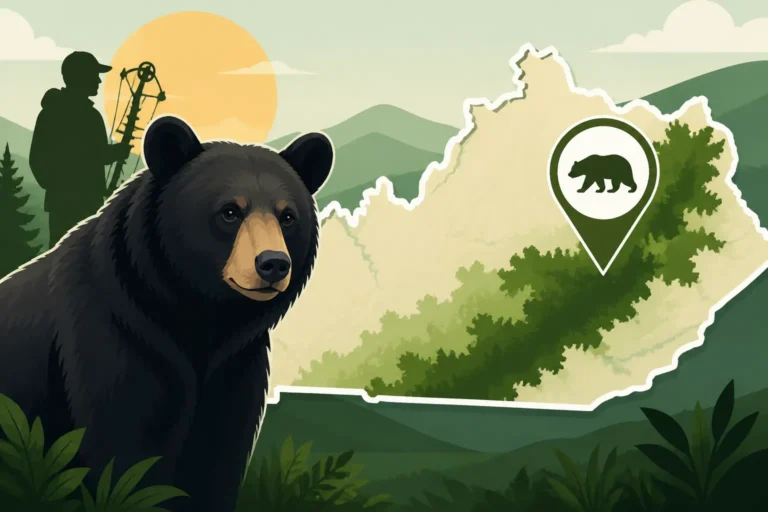
Kentucky black bear habitats, historic population resurgence, and natural territorial expansion into southeastern forests and the Daniel Boone National Forest.

Kentucky black bear population numbers, natural migration patterns, and habitat recovery history across southeastern forests.
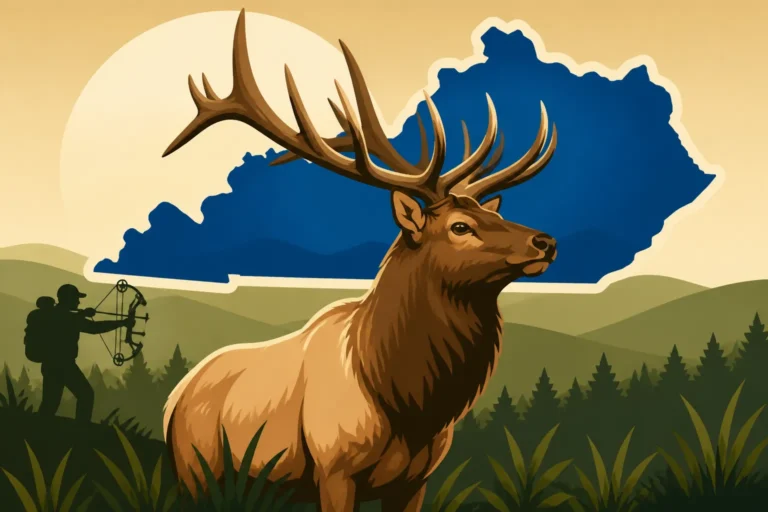
Pursuing a record book bull elk in Kentucky means competitive applications and scoring systems, in a state whose herd rivals giants east of the Mississippi.

Kentucky public viewing areas provide opportunities to observe wild elk without a tag across sixteen southeastern counties.
Kentucky elk bugling and rut timing depend on photoperiod, weather, herd health, and hunter pressure in the mountains.

Kentucky elk restoration history explains why the southeastern coalfields became the ideal habitat for returning elk herds.

Historical conservation efforts and reintroduction programs rebuilt the massive Kentucky elk herd after native animals vanished by 1890.