Bear Bait Barrels and Site Gear
Kentucky bear baiting regulations, permitted food types, and site gear help hunters establish legal stations across state zones.
See it before it sees you.
Binoculars, spotting scopes, and rangefinders, plus packs, boots, layering systems, blinds, and stands that earn their weight.

Kentucky bear baiting regulations, permitted food types, and site gear help hunters establish legal stations across state zones.

Specialized optics and glassing techniques help hunters spot deer, elk, and bear at extreme distances on Kentucky reclaimed mine lands.

Kentucky elk hunters learn to interpret complex vocalizations like challenge bugles and cow mews to communicate effectively with the herd.
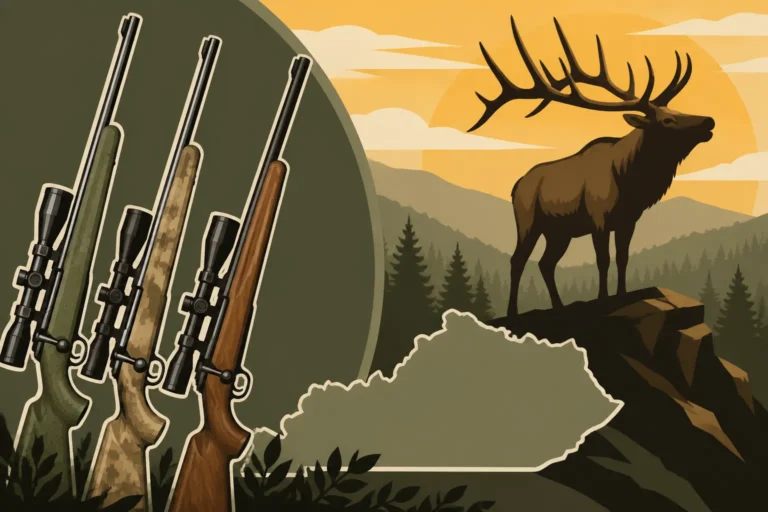
Kentucky elk hunting demands specific rifles to handle rugged terrain and shot distances from fifty to four hundred yards.
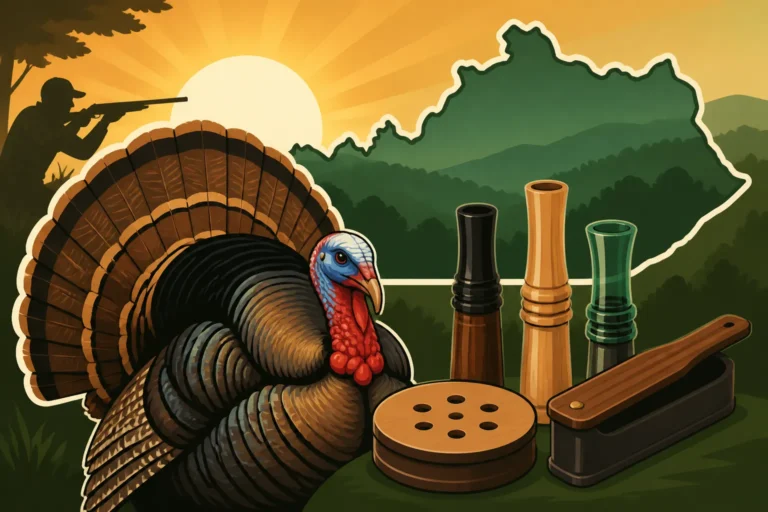
Friction and mouth diaphragm calls help hunters imitate hens and attract Kentucky longbeards in the Daniel Boone National Forest.
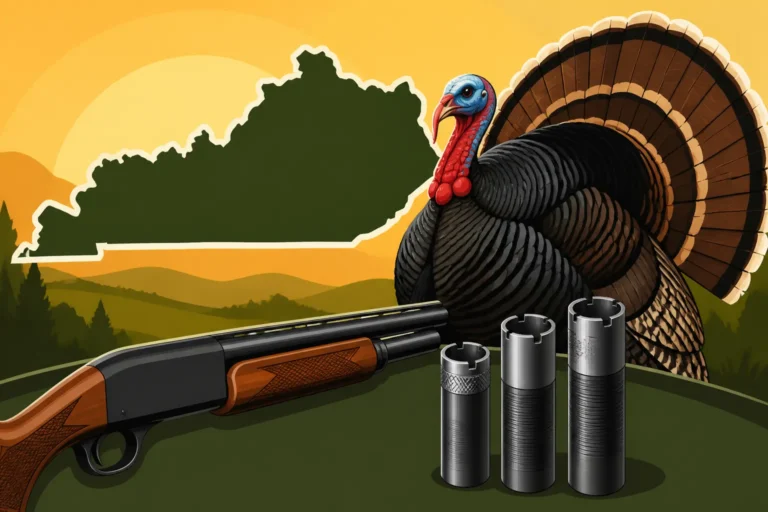
Kentucky turkey hunting gear details, covering 12-gauge, 20-gauge, and point-four-one-zero shotguns, gauge selection, and action types.
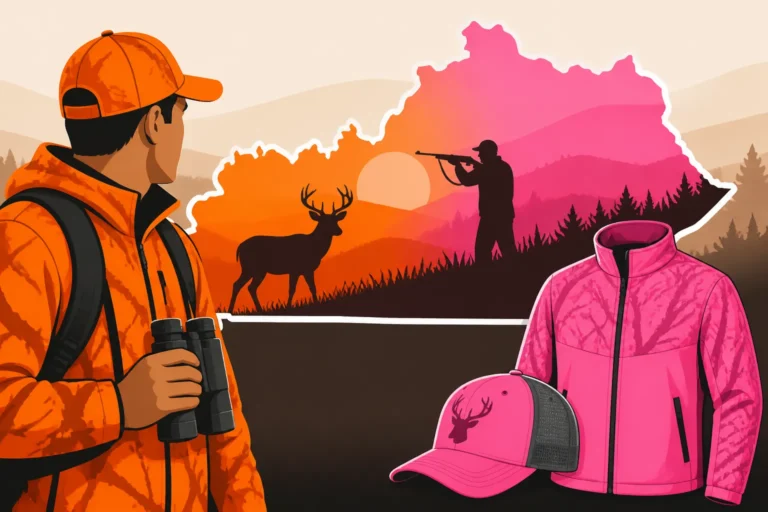
Kentucky hunter visibility mandates explain when wearing blaze orange or blaze pink is required during deer, elk, and bear firearms seasons.
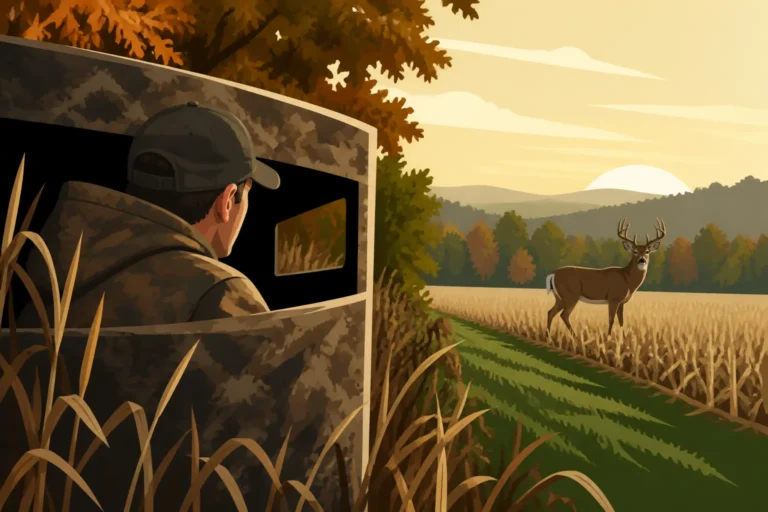
Ground blinds on Kentucky field edges protect hunters from weather while improving concealment and stealth during deer season.

Climbing sticks provide mobile hunters the portability needed to access remote trees in dense Daniel Boone National Forest hardwoods.
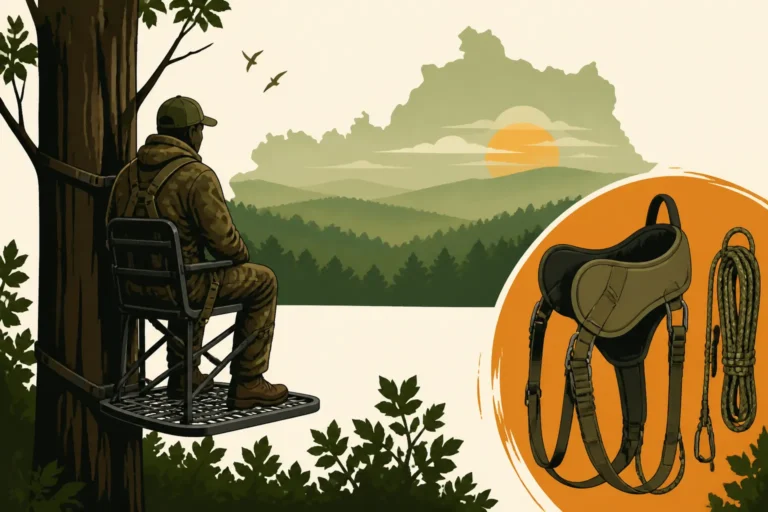
Treestands and saddle hunting systems on Kentucky public land require navigating strict regulations, mobility, and hunter pressure.