Kentucky Predator Impact on Fawn Recruitment
There's nothing quite as disheartening as spending countless hours scouting, hanging stands, and putting in the work, only to notice that the young deer just don't seem to be around like they used to be. Many Kentucky hunters, myself included, have watched prime areas that once teemed with fawns now seem eerily quiet. It's a frustrating shift, and it often leads us to wonder what's really happening to our future deer herd. This guide will dive deep into a critical piece of that puzzle: the impact of predators on fawn recruitment in Kentucky, offering insights into why it matters and what, if anything, can be done.
Understanding Deer Fawn Recruitment in Kentucky
Before we can truly grasp the impact of predators, it’s essential to understand what we mean by "fawn recruitment" and why it's such a cornerstone of a healthy deer population. It's more than just seeing a few spotted fawns in July; it's about their journey to adulthood.
What is Fawn Recruitment?
Fawn recruitment, in simple terms, is the number of fawns that survive from birth until they are six months old and can contribute to the breeding population or be harvested. It's not just about how many fawns are born, but how many make it through those incredibly vulnerable first few months of life. Think of it as the nursery class of the deer world; not every student makes it to graduation. A strong recruitment rate ensures a sustainable population for future generations of deer and, by extension, future hunting seasons.
Various factors influence this crucial survival rate. Disease, starvation during harsh winters, accidents like vehicle collisions, and even drowning in flooded creek bottoms all play a part. But for many hunters, the most visible and concerning factor is often predation. When you're constantly seeing coyote sign but fewer and fewer fawns, the connection is hard to ignore. We rely on healthy recruitment rates to maintain Kentucky Deer Herd Size and ensure the sport we love continues.
Why Fawn Survival Matters to Hunters
For hunters, fawn survival is directly linked to the quality and quantity of future hunting opportunities. If recruitment rates are low year after year, it means fewer young deer entering the population. This ripple effect eventually leads to fewer mature bucks and does available for harvest, and a noticeable decline in deer density across the landscape. Imagine hunting your favorite ridge, and instead of seeing multiple deer, you're lucky to spot one or two. That's a direct consequence of poor fawn recruitment.
It’s not just about the numbers you see on a hunt, either. Low fawn survival can throw off the natural age structure of a herd, potentially leading to an aging population with fewer young animals to replace those that are harvested or die naturally. Wildlife agencies closely monitor Kentucky Fawn Survival Rates because they are a key indicator of the herd's overall health and sustainability. For hunters using platforms like GoHunt, understanding these dynamics can help make more informed decisions about where and when to hunt, aligning with the long-term health of the deer population.
Kentucky's Primary Fawn Predators
Kentucky is home to a diverse array of wildlife, and while many species coexist peacefully, some are undeniable predators of young deer. Over the past few decades, the landscape of predator populations has shifted, bringing new challenges to fawn survival.
The Role of Coyotes
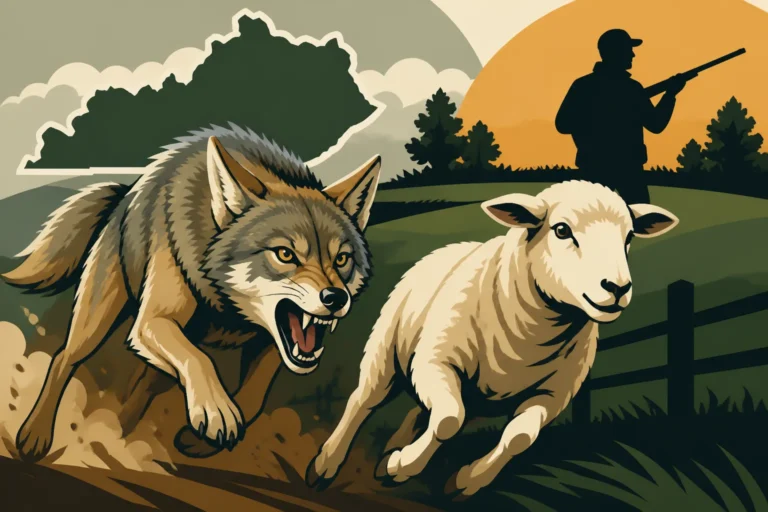
Without a doubt, coyotes have become one of the most significant and widespread predators of white-tailed deer fawns in Kentucky. These incredibly adaptable canines were not historically a prominent feature of Kentucky's landscape, but they've expanded their range and population dramatically over the last century. Today, they are found in every county, from the dense forests of Eastern Kentucky to the open farmlands of the west. For hunters, their presence is often felt more acutely than any other predator.
Coyotes are opportunistic hunters, meaning they'll take whatever is easiest and most available. For a few critical weeks each spring and early summer, newborn fawns are exactly that: easy and available. A doe typically hides her fawn for its first few weeks, leaving it bedded down while she feeds nearby. This strategy works well against many threats, but coyotes, with their keen sense of smell and relentless pursuit, are masters at finding these hidden bundles of vulnerability. Anecdotal evidence from hunters and scientific studies alike point to coyotes as a major limiting factor on fawn recruitment in many areas. Understanding Kentucky Coyote Range and Density helps paint a clearer picture of where their impact might be most pronounced.
Bobcat and Black Bear Predation
While coyotes often take center stage in discussions about fawn predation, bobcats and black bears also play a role, albeit a more localized one for bears. Bobcats are stealthy, efficient predators native to Kentucky, and their populations have seen a healthy resurgence in recent decades. These ambush hunters are perfectly equipped to stalk and take down a small, vulnerable fawn. A bobcat's compact size and incredible agility allow it to navigate dense cover where fawns often hide, making them a significant threat in areas with good bobcat numbers. Check out Kentucky Bobcat Population for more information on where these elusive felines are thriving.
Black bears, though primarily omnivores, are also opportunistic and won't pass up a newborn fawn if the opportunity arises. As the Kentucky Black Bear Population continues to grow and expand its range, particularly in the rugged terrain of southeastern Kentucky, so does the potential for bear predation on fawns. A sow bear emerging from her den with cubs might be particularly keen to find an easy, high-protein meal, and a helpless fawn fits the bill perfectly. While not as widespread as coyote predation, bear encounters with fawns can be locally significant in areas where their populations overlap.
Other Potential Predators and Threats
It’s easy to focus solely on the "big three" predators, but other factors, both wild and domestic, can also contribute to fawn mortality. Domestic dogs, particularly those that are allowed to roam freely, can be incredibly destructive to fawn populations. These dogs often hunt in packs, driven by instinct, and can decimate fawns in a local area. Their impact is often underestimated because it's not a "wild" predator.
Feral hogs, while not primary predators of fawns in the same way coyotes or bobcats are, can still pose a threat. Their aggressive nature and tendency to root up fawning cover can lead to fawns being displaced or harassed, making them more vulnerable to other predators or stress. While the hog population in Kentucky is more localized than in some southern states, it's a growing concern in certain regions. Even avian predators, like large raptors, could potentially take a very young, exposed fawn, though this is much rarer than mammalian predation.
Factors Influencing Predator-Fawn Interactions
The relationship between predators and fawns isn't a simple equation. It's a complex dance influenced by a variety of environmental, biological, and even human-driven factors. Understanding these nuances is crucial to truly grasp the impact of predation.
Habitat Quality and Cover
One of the most significant defenses a fawn has against predators is dense, protective cover. A doe will instinctively seek out thickets, tall grass, downed timber, or dense stands of saplings to hide her newborn fawns. This "hide-and-seek" strategy is highly effective when quality fawning cover is abundant. The more places a doe has to hide her fawn, and the thicker those places are, the lower the chances a predator will stumble upon it.
Unfortunately, changes in land use and management practices can significantly impact the availability of this vital cover. Extensive timber harvesting without adequate regeneration plans, conversion of forest to pasture, or large-scale agricultural operations can reduce secure fawning habitat. When cover is sparse, fawns are more exposed, making them easier targets for cruising coyotes or stalking bobcats. When you're out Scouting Kentucky Public Land Before Season, pay close attention to areas with good, thick undergrowth; those are often prime fawning zones.
Doe Health and Nutrition
A healthy, well-nourished doe is much more likely to produce strong, viable fawns that have a better chance of survival. Does that enter the fawning season in good physical condition are more likely to:
- Produce multiple fawns: Healthy does often give birth to twins or even triplets.
- Have healthier fawns: Fawns born to well-nourished mothers are typically larger, stronger, and more vigorous, making them better equipped to evade predators.
- Be more attentive mothers: Does in good condition can dedicate more energy to nursing and protecting their fawns.
Conversely, does that are stressed by poor nutrition, harsh winters, or disease will often produce smaller, weaker fawns. These fawns are inherently more vulnerable to predation simply because they lack the strength and agility to escape. This highlights the importance of year-round habitat quality, ensuring does have access to good forage and essential minerals, particularly during the late gestation period. Monitoring factors like Kentucky Buck-to-Doe Ratio by Region can also provide insights into herd health and reproductive potential.
Human Hunting Pressure and Management Strategies
Our role as hunters and land managers also subtly influences predator-fawn interactions. While it might seem counterintuitive, in some situations, a well-managed deer harvest can indirectly benefit fawn survival. Overpopulation of deer can lead to reduced habitat quality, meaning less fawning cover and poorer nutrition for does, which, as we discussed, impacts fawn viability. By maintaining a healthy deer density, through informed harvest strategies, we can ensure the remaining deer have access to better resources.
Wildlife agencies utilize data from sources like Reading a Kentucky Harvest Report to make decisions about antlerless harvest quotas and season structures, aiming to keep the deer population in balance with its habitat. Hunter pressure itself can also shift predator behavior. Areas with high hunter activity might indirectly deter some predators, though this is difficult to quantify. For hunters looking to deepen their understanding of deer management and data, GoHunt offers robust tools and analyses that help connect the dots between harvest, habitat, and overall herd health. This information empowers hunters to be part of the solution by making responsible decisions in the field.
| Predator Type | Primary Fawn Predation Method | General Impact on Fawn Recruitment | Key Characteristics |
|---|---|---|---|
| Coyote | Opportunistic, scent-tracking | High, widespread | Highly adaptable, intelligent, widespread |
| Bobcat | Stalk and ambush | Moderate, localized | Elusive, solitary, good in dense cover |
| Black Bear | Opportunistic | Low to Moderate, highly localized | Omnivorous, strong, expanding range |
| Domestic Dog | Chase and kill | Highly localized, potentially severe | Pack mentality, often uncontrolled |
| Feral Hog | Harassment, resource competition | Low, indirect | Destructive, aggressive, localized |
Mitigating Predator Impact for Healthier Herds
So, what can we actually do about predator impact on fawn recruitment? While completely eliminating predators is neither feasible nor desirable from an ecological standpoint, there are strategies hunters and landowners can employ to help improve fawn survival rates. It's about giving those little ones a fighting chance.
Habitat Enhancement for Fawn Survival
This is arguably the most effective long-term strategy for boosting fawn recruitment. By improving the habitat, we give does more options for hiding their fawns and provide better nutrition, which leads to stronger fawns. For landowners, this can involve creating or enhancing areas of dense cover. Think about native warm-season grass plantings, which provide excellent bedding and fawning cover. Controlled burns, when properly managed, can stimulate new growth and create diverse cover types that benefit deer.
Hinge cutting timber to create brush piles and thickets, leaving areas of dense regenerating clear-cuts, or even strategically planting rows of conifers can offer critical escape and hiding cover. Even on public lands, knowing what good fawning cover looks like can help you identify areas where fawns might have a better chance. Healthy, diverse habitat not only helps fawns evade predators but also supports a wider array of wildlife.
Predator Management and Hunter Involvement
The debate over predator control is ongoing, but in localized situations, active predator management can certainly reduce pressure on fawns during critical periods. For coyotes, regulated hunting and trapping can help manage local populations. Many hunters participate in Coyote Calling in Kentucky Farm Country during the off-season, which can reduce coyote numbers in their hunting areas. While it's unlikely to have a statewide impact on overall fawn recruitment, localized efforts can absolutely make a difference on your specific property or hunting lease.
It's important to understand the regulations around predator hunting and trapping in Kentucky. By being an active, responsible hunter, you are contributing to a balanced ecosystem. While complete eradication isn't the goal, a reduction in pressure during the critical spring fawning period can give those young deer a better shot at reaching maturity. Hunters utilizing tools from platforms like GoHunt can often find specific regulations, season dates, and even localized data that might inform their predator management efforts.
Monitoring and Data Collection
Finally, understanding the ongoing health of the deer herd and the factors affecting it is paramount. Wildlife agencies constantly monitor deer populations, including recruitment rates, through various methods. Hunters play a vital role in this by accurately reporting their harvests via Telecheck. This data helps biologists understand trends, assess herd health, and make informed management decisions that ultimately benefit all hunters. When you Reading a Kentucky Harvest Report, you're looking at a snapshot of the herd's health.
For individual hunters, keeping detailed records of your observations in the field—how many fawns you see with does, the condition of the deer, and any predator sign—can provide valuable personal insights into your hunting area. Combined with official data on Kentucky Fawn Survival Rates and Kentucky Wildlife Disease Monitoring, this comprehensive approach allows for a clearer picture of the challenges facing our deer. GoHunt provides great ways to track personal observations and compare them against broader data, helping hunters become more engaged and effective stewards of Kentucky's wildlife.
Disclaimer
This article is for general informational purposes only and does not constitute professional advice. Laws, prices and regulations vary by location and change over time. Consult a qualified professional for guidance on your specific situation.