Feral Swine Sightings in Central Kentucky
It can be incredibly disheartening, and frankly, a bit unsettling, to suddenly see signs of feral swine in areas like Central Kentucky where they historically haven't been a widespread concern. Many folks are waking up to destroyed crop fields, rooted-up food plots, and even trail camera photos of these destructive animals, wondering how they got there and what on earth can be done. This guide aims to demystify the issue, explaining what you need to know about feral swine sightings in Central Kentucky, their impact, and how we can all play a part in managing this challenging problem.
The Growing Concern of Feral Swine in Central Kentucky
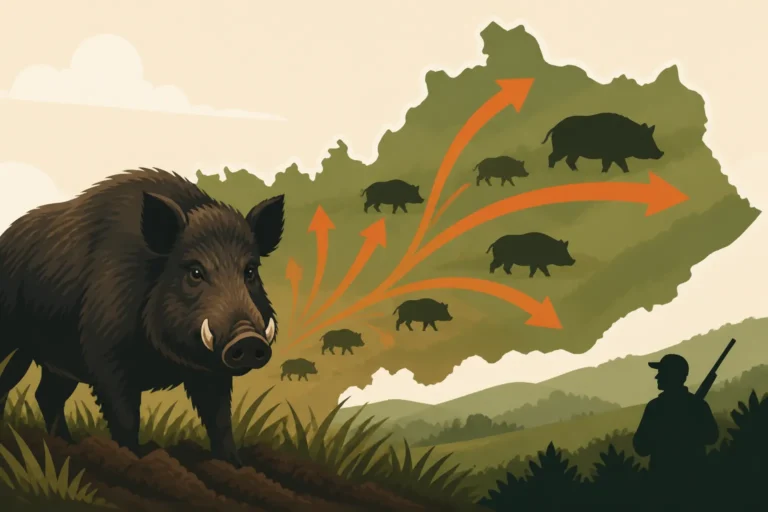
For a long time, serious feral hog issues in Kentucky felt like something primarily relegated to our neighboring states or the far-flung corners of our own. But that's changing, and quickly. More and more, landowners, farmers, and even casual hikers in Central Kentucky are reporting signs or direct sightings of these notoriously destructive animals. It’s a real headache for agricultural producers and a genuine threat to our native wildlife and ecosystems. The key is understanding what we're up against and why these animals are popping up in places many never expected.
Understanding the Threat: What Are Feral Hogs?
Let’s be clear: when we talk about feral swine, we're not talking about your friendly neighborhood pot-bellied pig. These are domestic pigs that have either escaped or been intentionally released and have reverted to a wild state. They breed incredibly fast, often having two litters of four to eight piglets each year, and those piglets can start reproducing themselves in just six months. This explosive reproductive rate means a small group can quickly become a massive problem. They're intelligent, adaptable, and incredibly tough, capable of thriving in a wide range of habitats, from dense timber to agricultural fields. They can grow quite large, developing thick hides and tusks, making them formidable animals. Many hunters are discovering their tenacity firsthand when trying to deal with them.
Their diet is omnivorous, meaning they'll eat just about anything – crops, acorns, roots, insects, small animals, and even fawns or ground-nesting bird eggs. This indiscriminate feeding habit is one of the primary reasons they're so detrimental to native flora and fauna. They're also vectors for numerous diseases that can affect livestock, wildlife, and even humans, which adds another layer of concern for farmers and wildlife managers alike.
Why Central Kentucky?
It's a fair question: how did these animals, typically associated with more southern states, get established in the heart of the Bluegrass? The answer is multi-faceted. Natural expansion from established populations in bordering states plays a role, with hogs slowly but surely moving into new territories. However, a significant — and infuriating — factor is often human-assisted translocation, where individuals illegally capture and transport hogs to new areas, sometimes for hunting purposes, without understanding or caring about the devastating ecological consequences.
Central Kentucky offers a prime environment for feral swine once they arrive. The landscape is a rich tapestry of agricultural lands, dense woodlots, creek bottoms, and numerous water sources. This provides ample food, cover, and water, allowing small populations to quickly become established and expand. Farmers, who often have diverse crops from corn and soybeans to hay, provide a buffet. The mix of private and public lands can also make containment difficult, as hogs move freely between properties. What might start as a few isolated individuals can, in just a couple of breeding cycles, turn into a sounder – a group of feral hogs – that causes significant damage. It’s a disheartening scenario for anyone who cherishes Kentucky's natural beauty and agricultural bounty.
Where and How Sightings are Happening
The sporadic nature of early feral hog infestations means that sightings in Central Kentucky often catch people by surprise. They aren't evenly distributed, but rather tend to pop up in pockets, often linked to river systems or areas with good cover and food. Knowing what to look for and how to document it is crucial for effective management.
Pinpointing Central Kentucky Hotspots
Sightings in Central Kentucky are often concentrated along riparian corridors – the areas near rivers and creeks – which provide excellent travel routes, water, and dense cover. Counties with significant agricultural activity bordering these natural travel corridors are particularly vulnerable. Farmers are reporting extensive rooting in fields, sometimes looking like a rototiller went through overnight, utterly destroying planted crops or pastures. Deer hunters are discovering them on their trail cameras, often at night, showing sounders moving through food plots or timber stands. Where to Hang a Camera on a Logging Road can provide insight into typical game camera placement, and now, unfortunately, this also applies to capturing images of feral swine.
Other signs include distinctive tracks, often wider and rounder than deer tracks, with dewclaws that frequently show up even on firm ground. You might also find wallows – muddy depressions where hogs cool off and remove parasites – or rubs on trees where they scratch themselves. Landowners should be especially vigilant after heavy rains, as hogs will often root more easily in soft ground, making their destructive work more evident. Understanding your property's topography and potential travel routes, perhaps by utilizing advanced mapping tools like those offered by GoHunt, can help you anticipate where these animals might appear and focus your scouting efforts.
The Importance of Reporting
If you see a feral hog or signs of their activity, please, please report it. This isn't just about curiosity; it's vital intelligence for wildlife management agencies. The Kentucky Department of Fish and Wildlife Resources (KDFWR) needs to know where these animals are showing up to understand their spread and coordinate control efforts. Many people hesitate, thinking it's just one or two animals and not a big deal, or they worry about bureaucratic red tape. But every single report helps paint a clearer picture of the challenge.
Reporting helps the KDFWR allocate resources, potentially leading to targeted trapping or control efforts in nascent populations before they explode. When you report, try to be as specific as possible: location (GPS coordinates if you have them), date and time of sighting, number of animals, and any observed damage. Photos or videos from trail cameras are incredibly valuable. You can typically find a dedicated reporting mechanism on the KDFWR website or by contacting your local conservation officer. Early detection and rapid response are our best tools in preventing these animals from becoming an even more entrenched problem across the region. If you also happen to see sick animals, it's just as important to report them, which is covered in topics like Reporting a Sick Animal in Kentucky.
Impact on Land and Wildlife
The damage caused by feral swine isn't just cosmetic; it's a profound assault on Kentucky's natural resources and agricultural economy. Their destructive habits reverberate through ecosystems, affecting everything from soil health to the survival of native species. It's a cascade of negative consequences that can take years, if not decades, to undo.
Devastation to Habitat and Agriculture
One of the most immediate and visible impacts of feral swine is their rooting behavior. They use their strong snouts to dig up soil, searching for roots, tubers, and invertebrates. While this might sound innocuous, the reality is anything but. This rooting destroys native vegetation, disrupts forest regeneration, and leaves soil exposed, leading to erosion, especially on slopes or along waterways. Think about a pristine creek bank suddenly looking like it was plowed, muddying the water and affecting aquatic life.
For farmers, the agricultural losses are staggering. They can destroy entire fields of corn, soybeans, wheat, and hay overnight. Beyond direct crop consumption, their rooting can make fields unplantable or significantly reduce yields. Fencing rarely holds them, and their intelligence often means they learn to avoid traditional deterrents. This directly impacts livelihoods and the economic stability of rural communities. Furthermore, feral swine are carriers of numerous diseases, including pseudorabies, brucellosis, leptospirosis, and even hog cholera. These diseases pose serious threats to domestic livestock, such as cattle and pigs, leading to potential outbreaks that can cripple farms and necessitate costly quarantines or depopulation efforts. The financial burden can be immense.
Competition with Native Wildlife
Beyond the damage to vegetation and agriculture, feral swine directly compete with our cherished native wildlife for food and habitat. They are voracious eaters, consuming acorns and other mast crops that are critical food sources for deer, turkeys, squirrels, and bears, especially during lean winter months. When these vital food sources are depleted by hogs, native species suffer, potentially leading to declines in their populations.
Ground-nesting birds, like wild turkeys and quail, are particularly vulnerable. Feral hogs will root out and consume eggs and even young poults or chicks, having a devastating impact on reproductive success. Small mammals and amphibians are also at risk. There's also a growing concern about feral swine potentially contributing to the spread of diseases like Chronic Wasting Disease (CWD). While not direct carriers of CWD themselves, their constant disturbance of soil and interaction with deer could theoretically increase environmental contamination, especially in areas like Kentucky's Chronic Wasting Disease Surveillance Zone. The ripple effect on Kentucky's biodiversity is a significant cause for alarm, as these animals outcompete and displace species that have called this land home for millennia. When you consider the efforts put into managing populations like White-Tailed Deer Across Kentucky and Kentucky Small Game and Furbearers, the threat feral hogs pose is truly disheartening.
Dealing with Feral Swine: Regulations and Safe Practices
Given the destructive nature of feral swine, Kentucky has taken a very straightforward approach to their management: they are considered an exotic, invasive species, and hunters are strongly encouraged to remove them whenever encountered. However, it's important to understand the specifics of these regulations and how to stay safe while doing so.
Hunting Feral Hogs in Kentucky
Kentucky has designated feral swine as unprotected, invasive animals. This means there are essentially no closed seasons, no bag limits, and typically no license required to hunt them on private land with landowner permission. This is a stark contrast to regulated game species like deer or turkey, and it underscores the state's aggressive stance on controlling their population. However, if you are hunting any other game animal during a regulated season (e.g., deer archery season), you do need the appropriate hunting license for that game. If you're simply out targeting hogs, a hunting license might not be explicitly required for the hogs themselves, but it's always best to check the absolute latest regulations from KDFWR.
It's crucial to clarify public land rules. While KDFWR encourages eradication, specific WMAs or public lands may have their own unique restrictions regarding firearms, archery equipment, or hunting hours, which might impact feral hog hunting. Always consult the specific WMA regulations before heading out, using resources like Kentucky Wildlife Management Areas or the KDFWR website.
Many hunters find success targeting feral hogs through baiting, trapping, or opportunistic shooting during other hunting seasons. Trapping is often considered the most effective method for removing entire sounders, as hogs are intelligent and quickly learn to avoid individual hunters. However, successful trapping requires specialized equipment and knowledge. For those who encounter them opportunistically, taking the shot is generally encouraged. It's a year-round effort to try and get ahead of this population surge, and every hog removed is a step in the right direction. Just remember, the goal isn't sport; it's eradication.
| Aspect | Feral Swine Hunting in Kentucky (Generally) | Regulated Game Species (e.g., Deer) |
|---|---|---|
| Season | Year-round | Specific, designated seasons |
| Bag Limit | None (encouraged eradication) | Strict bag limits |
| License Required | No hunting license required IF hunting only feral swine on private land with permission. If hunting any other game simultaneously, applicable licenses are mandatory. Always verify current KDFWR rules. | Yes, applicable hunting licenses and permits |
| Public Land | May have specific WMA/public land rules | Specific WMA/public land rules apply |
| Method | Trapping, shooting, opportunistic | Varies by season/species (archery, modern gun, muzzleloader) |
| Baiting | Generally allowed for feral swine | Often restricted or prohibited |
| Purpose | Eradication of invasive species | Regulated harvest and management |
Safety When Encountering Feral Swine
While hunting feral swine is encouraged, safety should always be your top priority. These animals, especially large boars or sows with piglets, can be aggressive if cornered or provoked. They possess sharp tusks that can inflict serious injury. It's not common, but attacks do happen, and they can be dangerous. Always maintain a safe distance and be aware of your surroundings, particularly in thick cover where a hog might be surprised. If you encounter a group, it’s best to give them a wide berth and let them pass, especially if you're not actively hunting them or if you're alone.
Beyond direct aggression, remember the disease aspect. Always wear gloves when handling a harvested hog. Many diseases they carry, like brucellosis, can be transmitted to humans. Proper field dressing techniques, thoroughly cooking the meat, and washing your hands and tools diligently are non-negotiable. If you notice any unusual lesions or abnormalities during field dressing, exercise extra caution and consider reporting it to KDFWR, and definitely do not consume the meat. Think of it less like handling a deer and more like handling a potentially diseased wild animal. Being prepared and cautious will ensure your hunting experience remains safe and enjoyable, even when dealing with these destructive creatures. Field Dressing a Deer in Cold Weather offers useful general advice, but remember to take extra precautions with feral swine specifically.
Disclaimer
This article is for general informational purposes only and does not constitute professional advice. Laws, prices and regulations vary by location and change over time. Consult a qualified professional for guidance on your specific situation.