How Many Coyotes Kentucky Has
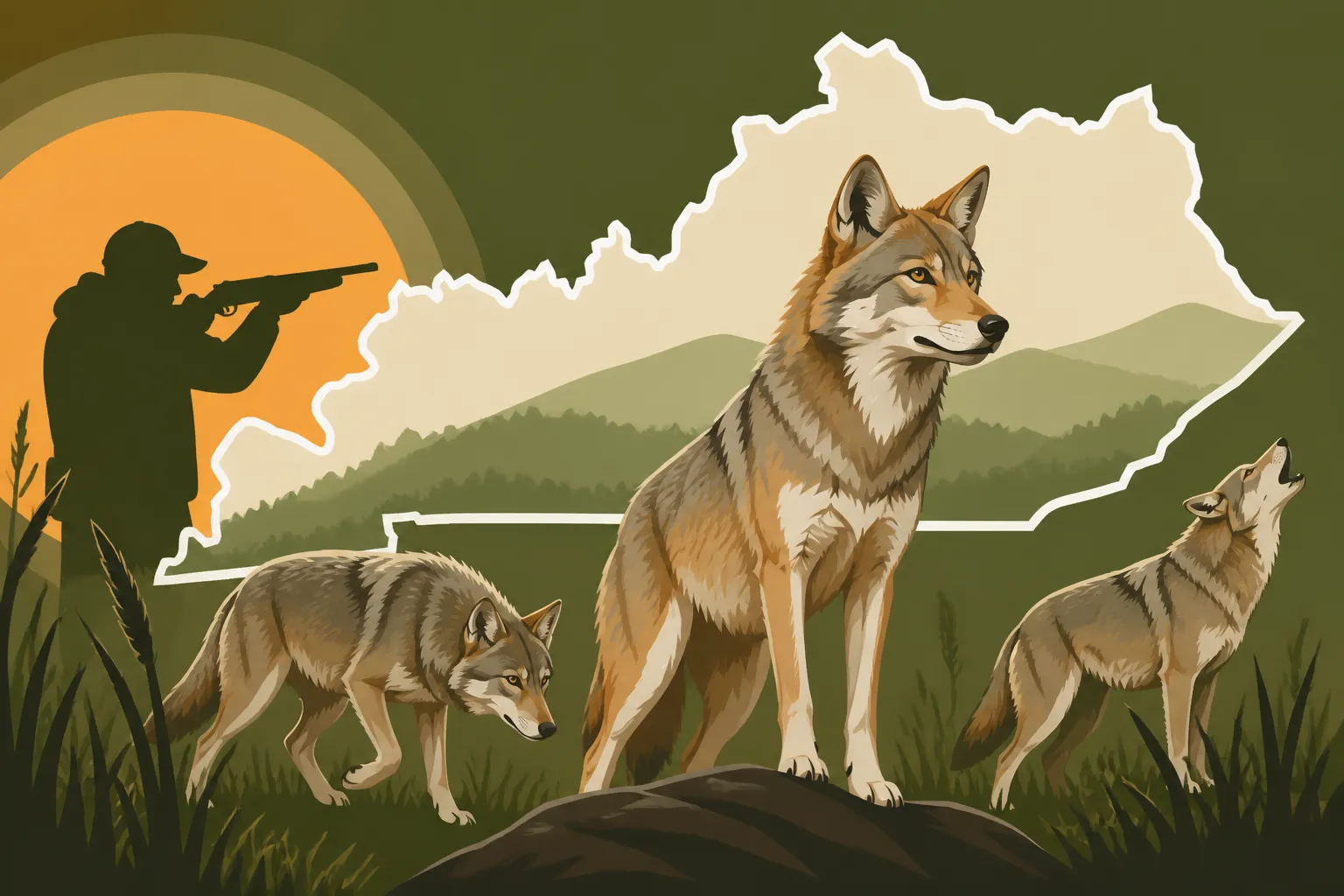
For many Kentucky landowners, farmers, and even deer hunters, the sound of a coyote howling in the distance brings a mix of awe and anxiety. These intelligent canines have firmly established themselves across the Bluegrass State, and understanding their presence, impact, and population trends is crucial for anyone who spends time in the Kentucky outdoors. This guide will dive deep into what we know about Kentucky's coyote population, how they've spread, and what their robust numbers mean for our cherished wildlife and agricultural communities.
The Elusive Numbers: Estimating Kentucky's Coyote Population
It's a common question: exactly how many coyotes are running around Kentucky? The truth is, pinning down an exact figure for a wild, wide-ranging, and often secretive predator like the coyote is incredibly difficult, if not impossible. Unlike deer or elk, which are subject to specific harvest quotas, surveys, and management programs that yield closer estimates, coyotes are largely unmanaged in terms of population control outside of hunting and trapping efforts. They are considered an unprotected species, meaning there are no closed seasons or bag limits. This makes comprehensive population counts a statistical nightmare.
What we can say with certainty is that their numbers are substantial and widespread. Kentucky, much like other states in the eastern U.S., has seen a significant increase in its coyote population over the last several decades. They thrive in a variety of habitats, from dense timber and rugged hillsides to agricultural fields and even suburban fringes. Their adaptability is truly remarkable, allowing them to exploit food sources and cover wherever they can find it. You might not always see them, but their tracks, scat, and especially their vocalizations are undeniable proof of their pervasive presence. When you're using a mapping tool like GoHunt to scout a new piece of land, pay close attention to the features that might attract coyotes – dense creek bottoms, field edges with good cover, and areas with high deer activity. These are often prime coyote habitats.
How Population Estimates Are Made (and Why They're Tricky)
Wildlife agencies often rely on a combination of indirect methods to gauge population trends for species like coyotes. These methods include:
- Harvest Data: While there are no limits, tracking the number of coyotes reported by hunters and trappers can offer a general idea of trends. If harvest numbers are consistently high or increasing, it suggests a healthy, possibly growing, population. However, this only reflects animals taken, not the total living population.
- Scent Station Surveys: Researchers might set up scent stations with an attractant (like a lure or bait) and track how many times coyotes visit these stations. This can indicate relative abundance in specific areas but doesn't translate easily to a statewide number.
- Camera Trapping: Remote trail cameras are increasingly used to monitor wildlife. By identifying individual animals (if they have unique markings) or simply counting sightings over a period, researchers can estimate density in a particular study area. This is labor-intensive and still only provides localized data.
- Public Sightings and Reports: Citizen science initiatives or reports from landowners about coyote activity (sightings, depredation, howls) can contribute to a broader understanding, though these are often anecdotal and difficult to quantify rigorously.
The challenge with coyotes is their incredible ability to reproduce and disperse. They can quickly fill a void if their numbers are reduced in a specific area, meaning that localized efforts at control often have limited long-term impact on the broader population. This is a primary reason why Kentucky Coyote Range and Density are topics of ongoing discussion and study.
The Spread: How Coyotes Colonized Kentucky
Believe it or not, coyotes are not native to Kentucky in the way that deer or turkeys are. Their historical range was primarily in the grasslands and deserts of the western United States. However, with the widespread extirpation of larger predators like wolves and mountain lions in the eastern states, and the fragmentation of forests creating more edge habitat, coyotes found an open niche. They began a remarkable eastward expansion in the early to mid-20th century.
Kentucky provided a near-perfect landscape for this expansion. The state's mix of agricultural lands, regenerating forests, and abundant prey species like deer, rabbits, and small rodents offered ideal conditions for them to thrive. They followed river corridors, highway systems, and even moved through suburban areas, eventually establishing a presence in every single county in Kentucky. This colonization wasn't a sudden invasion but a gradual, persistent spread that saw individual coyotes moving into new territories, establishing packs, and reproducing. Today, a new generation of hunters and outdoor enthusiasts can barely remember a time when coyotes weren't a common sound in the Kentucky night.
| Metric | Historical Eastern Kentucky (Pre-1950s) | Present-Day Kentucky (2000s onwards) |
|---|---|---|
| Population Status | Absent or extremely rare | Widespread, abundant |
| Primary Habitat | N/A (not present) | Forests, farmlands, suburban areas |
| Top Predator Niche | Eastern Cougar, Red Wolf (extirpated) | Coyote, Bobcat (recovering) |
| Dietary Focus | N/A | Deer fawns, rabbits, rodents, carrion |
| Hunter Perception | Unknown | Mixed: nuisance, game, predator |
Coyote Impact on Kentucky's Ecosystems and Livestock
The significant and ubiquitous presence of coyotes across Kentucky naturally leads to questions about their impact. While they are a fascinating and resilient species, their role as an apex predator in many areas certainly affects other wildlife and, in some cases, agricultural interests. Understanding these dynamics is key to appreciating the broader ecological picture.
Impact on Wildlife Populations
Coyotes are opportunistic predators and their diet is incredibly varied. They'll eat just about anything they can catch or scavenge, including mice, voles, rabbits, squirrels, groundhogs, and even insects and fruits. However, their predation on larger game animals, especially deer, is a hot topic among hunters and wildlife managers.
One of the most significant impacts coyotes have on Kentucky Deer Herd Size is through fawn predation. During the spring fawning season, young fawns are vulnerable targets. While adult deer are generally too fast and strong for a single coyote, fawns are easy prey. This can affect the fawn-to-doe ratio in certain areas, particularly where coyote densities are high or other food sources are scarce. It's an issue often discussed, and Kentucky Predator Impact on Fawn Recruitment is a real concern in some regions. It's important to remember that coyotes don't typically "control" healthy, established deer herds, but they can certainly influence recruitment rates, especially in localized areas or during specific times of year. Beyond deer, coyotes also prey on wild turkeys, especially eggs and poults, and other small game species. However, their impact on these populations is generally considered less significant than habitat loss or severe weather events.
Threats to Livestock and Domestic Animals
For farmers and rural landowners, coyotes can represent a more direct threat: livestock depredation. While a healthy adult cow or horse is rarely at risk, younger animals like calves, lambs, and even small goats can become targets. Poultry, especially free-range chickens, are particularly vulnerable. Farmers often experience significant financial losses due to coyote attacks, leading to a strong desire for control measures.
Beyond livestock, coyotes can also pose a threat to domestic pets, particularly small dogs and outdoor cats. While attacks on humans are exceedingly rare, encounters with pets are more common, especially in areas where suburban development encroaches on wildlands. Understanding Kentucky Coyote Attacks on Livestock is critical for farmers, and they often implement measures like fencing, guard dogs, and increased vigilance to protect their animals. If you're using a mapping application like GoHunt to analyze land, look for livestock operations and potential high-traffic areas for coyotes near those farms. This can help you understand the local dynamic.
Management and Hunting Opportunities
Given their widespread presence and potential impacts, many Kentuckians are interested in what can be done to manage coyote populations. For hunters and trappers, coyotes offer a challenging and rewarding pursuit, and they are recognized as a valuable furbearer by many.
Hunting and Trapping as Control Methods
In Kentucky, coyotes are considered an unregulated species, meaning there are no closed seasons or bag limits for hunting or trapping them. This is largely because wildlife agencies recognize their abundant and adaptable nature, making broad population control impractical through regulated harvest alone. Hunters and trappers play a vital role in localized management, helping to reduce numbers where depredation is a concern or simply enjoying the challenge of pursuing a wily predator.
- Hunting: Coyotes can be hunted year-round in Kentucky. Many deer hunters carry a call and a predator rifle, hoping to capitalize on an opportunistic shot. Specialized predator hunters often use electronic calls to lure coyotes into range, particularly during early morning or late evening hours. Coyote Calling in Kentucky Farm Country is an art form, requiring patience and a good understanding of coyote behavior. Hunters can often find success by focusing on areas with high prey populations, thick cover for bedding, and travel corridors along field edges or creek bottoms.
- Trapping: Trapping is often considered a more effective method for localized population reduction, as it can target specific problem animals more precisely. Trappers use various sets, including dirt hole sets and flat sets, often employing lures and urine to attract coyotes. Trapping requires skill and adherence to regulations, which primarily focus on avoiding non-target animals. Kentucky Trapping License Requirements are in place, and trappers must understand and follow them carefully.
Addressing Concerns and Coexisting
While coyotes are a part of Kentucky's landscape, addressing concerns about their presence involves a multi-faceted approach.
- Education: Understanding coyote behavior is crucial. Learning when they are most active, what they eat, and how to avoid attracting them (e.g., by securing trash, not leaving pet food outside) can reduce potential conflicts.
- Preventative Measures: For livestock owners, installing sturdy fencing, using livestock guardian animals (dogs, donkeys, llamas), and bringing vulnerable animals into barns at night can significantly reduce depredation risk.
- Responsible Hunting and Trapping: Hunters and trappers can contribute to healthy ecosystems by participating in coyote management. Familiarizing oneself with Night Hunting Rules for Kentucky Coyotes is important, as these differ from daytime regulations and often involve specific permits or equipment. When you're trying to locate potential coyote hunting spots, a tool like GoHunt can provide invaluable satellite imagery and land ownership maps, allowing you to scout potential travel routes and calling setups from the comfort of your home. You can often identify thickets, clearings, and terrain features that funnel coyote movement.
- Monitoring and Research: Continued monitoring of coyote populations, their health (such as instances of Mange in Kentucky Coyotes and Foxes), and their interactions with other wildlife helps agencies make informed decisions about broader ecosystem health.
Coyotes are here to stay in Kentucky. While they present challenges, they are also a testament to nature's resilience and adaptability. Learning to coexist, understanding their role, and engaging in responsible management efforts are all part of being an ethical and informed outdoorsperson in the Bluegrass State. Remember, before heading out, always consult the current regulations for Kentucky Coyote Hunting Season Rules or any other species you plan to pursue.
Disclaimer
This article is for general informational purposes only and does not constitute professional advice. Laws, prices and regulations vary by location and change over time. Consult a qualified professional for guidance on your specific situation.