Crop Damage Hogs Cause in Kentucky
The problem of wild hogs in Kentucky isn't just a nuisance; for many farmers and landowners, it's a relentless and heartbreaking assault on their livelihoods and the fruits of their hard work. These destructive animals can decimate entire fields of crops overnight, leaving behind a trail of economic loss and environmental degradation. This guide will delve deep into the specific types of crop damage wild hogs cause, explore the broader impacts on land and ecosystems, and discuss current strategies to identify, mitigate, and manage these persistent pests in the Bluegrass State.
Understanding the Wild Hog Threat to Kentucky Agriculture
Wild hogs, often referred to as feral swine, are a formidable opponent for anyone trying to cultivate land in Kentucky. They aren't just some harmless wildlife; they are an invasive, highly adaptable species with a voracious appetite and a knack for rapid reproduction. The damage they inflict goes far beyond simply eating a few ears of corn. It's a systemic problem that undermines agricultural stability and ecological balance.
The Insidious Nature of Feral Hog Damage
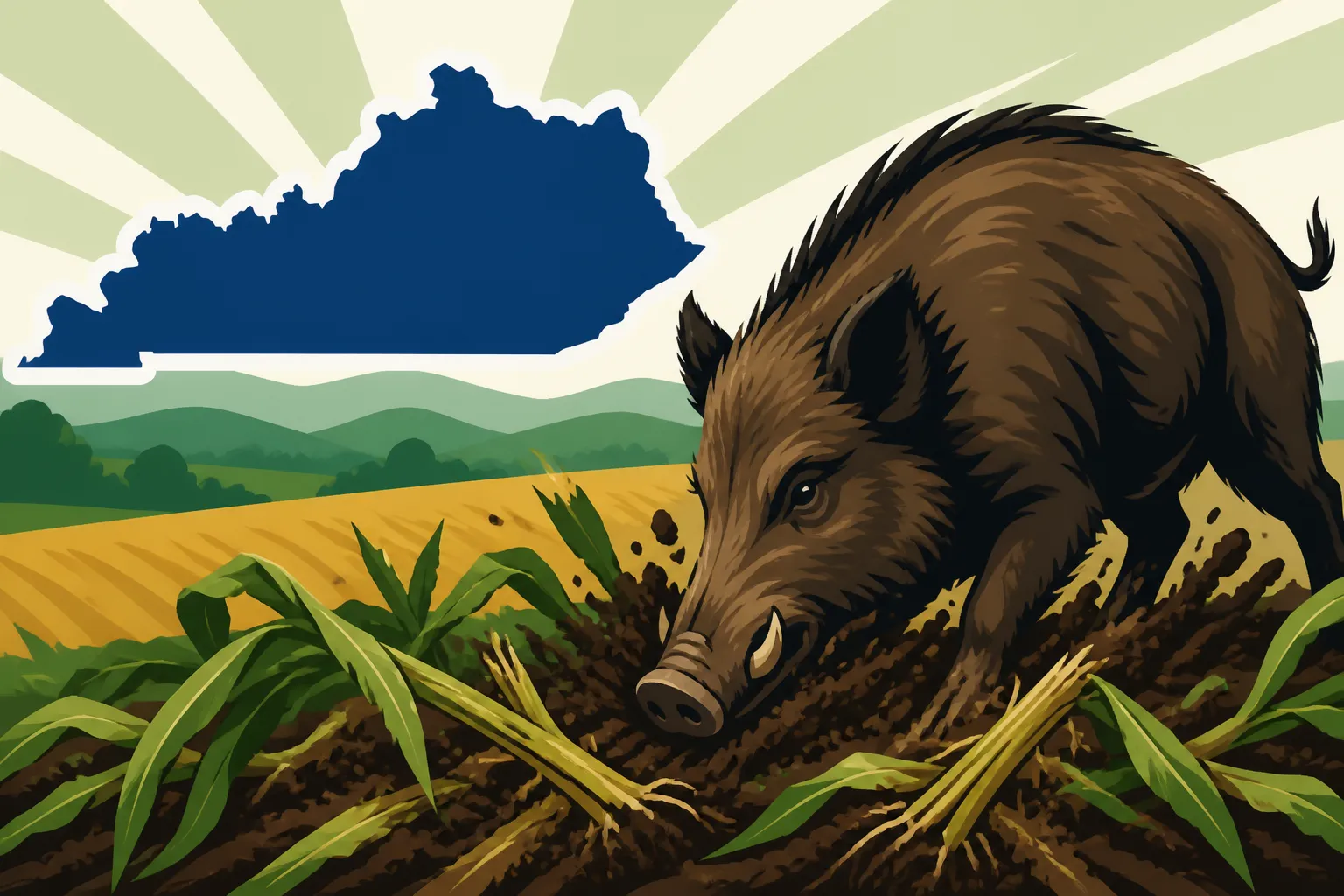
Imagine spending months tilling soil, planting seeds, nurturing young plants, and watching your crops grow, only to wake up one morning and find swaths of your field torn up, trampled, and consumed. This is the reality many Kentucky farmers face. Wild hogs don't graze neatly; they root and dig, turning fertile ground into a churned-up mess. They target crops at various stages of growth, from tender young sprouts to mature, ready-to-harvest produce. The sheer scale of their feeding patterns, combined with their destructive rooting, means that even a small group of hogs can cause significant, widespread damage in a single night. It’s not just about what they eat, but what they utterly destroy in the process.
Their nocturnal habits also make them particularly insidious. Farmers often don't see the hogs themselves, only the devastation they leave behind under the cover of darkness. This constant, unpredictable assault can lead to immense stress and financial strain, as traditional farming methods struggle to contend with an animal that literally plows through their profits. The challenge is magnified by the fact that these aren't native animals, meaning the ecosystem isn't equipped with natural controls to keep their populations in check, leading to explosive growth.
Economic Ramifications for Farmers
The direct economic losses from wild hog crop damage can be staggering. For a farmer, every bushel of corn, every bale of hay, every soybean pod represents an investment of time, money, and labor. When hogs destroy these crops, that investment is lost, and often, there's no way to recover it. This can mean reduced yields at harvest time, lower profits, or even outright financial losses that can jeopardize the farm's viability. The impact can extend to insurance premiums or the ability to secure loans, as lenders become wary of the unpredictable risks associated with hog infestations.
Beyond the immediate crop loss, there are secondary economic effects. Farmers might need to spend additional money on fencing, deterrents, or even hiring professional hog removal services, adding to their operational costs. They may also face higher fuel and equipment repair bills from navigating damaged fields or attempting to replant. In some cases, farmers might even decide to shift away from certain crops that are particularly vulnerable to hog damage, limiting their agricultural diversity and potential income streams. The presence of wild hogs can even devalue agricultural land, as potential buyers or renters are hesitant to invest in properties with known hog problems.
Types of Crop Damage Caused by Wild Hogs
Wild hogs are incredibly versatile in their destructive habits, adapting their methods to whatever food source is available. This adaptability means they can damage a wide variety of crops in multiple ways, making them a year-round threat to Kentucky's agricultural landscape.
Rooting and Tilling Behavior
Perhaps the most iconic, and certainly one of the most destructive, behaviors of wild hogs is their incessant rooting. Using their strong snouts, they churn up the soil in search of roots, tubers, insects, and anything else edible beneath the surface. While they might find a snack, the byproduct is often completely ruined fields. This isn't just a few small divots; it can be large sections of a field that look like they've been plowed multiple times, but without any sense of order or benefit.
This rooting behavior directly damages crops by uprooting young plants, disturbing delicate root systems, and creating uneven ground that makes mechanical harvesting impossible. Imagine trying to run a combine through a field that looks like a war zone – it's a recipe for equipment damage and lost productivity. Even if the crops aren't consumed, the physical disturbance can kill them or stunt their growth. This "tillage" also mixes weed seeds into the soil, potentially increasing future weed problems, and compacts the soil in some areas while loosening it in others, disrupting soil structure and increasing erosion risks.
Consumption and Contamination of Crops
Of course, wild hogs don't just dig; they eat. And they eat a lot. They are omnivores, meaning they'll consume almost any plant material available. This includes corn, soybeans, wheat, oats, milo, peanuts, potatoes, various vegetables, and even pasture grasses and hay. They don't just pick a single ear of corn; they will knock down stalks, tear open husks, and devour multiple ears. In a soybean field, they'll often trample large areas, eating what they can and spoiling the rest with mud and waste.
Beyond direct consumption, hogs contaminate crops with their feces, urine, and even disease. This contamination can render crops unmarketable or unsafe for human or livestock consumption, even if the physical damage is minimal. A farmer might have a field of otherwise healthy produce, but if hogs have moved through it, the risk of pathogens like E. coli or salmonella can make the entire harvest a write-off. This dual threat of consumption and contamination ensures that even if a crop isn't entirely eaten, it can still be entirely lost.
Infrastructure and Field Damage
The destructive capacity of wild hogs isn't limited to the plants themselves. Their size, strength, and persistence mean they can damage significant agricultural infrastructure. Fences, especially those designed to contain livestock or delineate property lines, are frequently trampled, rooted under, or simply pushed through by hogs. This can lead to livestock escaping or other unwanted animals entering fields. Irrigation systems, including lines, sprinklers, and pumps, are often rooted up, broken, or clogged with mud, leading to costly repairs and potential water shortages for crops.
Even the soil itself suffers structural damage, impacting long-term fertility and drainage. In pastures, their rooting creates dangerous uneven terrain for livestock, potentially leading to injuries. Furthermore, the constant trampling can create distinct trails and wallows, compacting soil and destroying beneficial vegetation. These trails can also serve as conduits for erosion, especially on sloped land, washing away precious topsoil during heavy rains. The cost of repairing fences, irrigation, and rehabilitating damaged fields adds another layer of financial burden to already stressed farmers.
Beyond Crops: Ecological and Management Challenges
The presence of wild hogs extends its negative influence far beyond cultivated fields. Their prolific nature and destructive habits pose significant ecological threats to Kentucky's natural environments and complicate wildlife management efforts. Understanding these broader impacts is crucial for appreciating the full scope of the wild hog problem.
Soil Degradation and Water Quality Issues
The extensive rooting behavior of wild hogs has profound consequences for soil health. By constantly churning up the ground, they increase soil erosion, particularly on slopes and near waterways. This loss of topsoil diminishes the land's fertility and its capacity to retain moisture, making it less productive for both agriculture and native vegetation. Furthermore, the loosened soil, along with hog feces and urine, can easily wash into streams, rivers, and lakes during rainfall.
This runoff introduces excess nutrients and harmful bacteria into aquatic ecosystems, leading to water quality degradation. Eutrophication, characterized by algal blooms and oxygen depletion, can harm fish and other aquatic life. The presence of pathogens from hog waste also poses a risk to recreational users and livestock drinking from these water sources. Protecting water resources is a high priority in Kentucky, and wild hogs directly counteract these conservation efforts, creating a persistent source of pollution that impacts everyone, not just farmers.
Disease Transmission Risks
Wild hogs are notorious carriers of numerous diseases and parasites, posing a significant threat to domestic livestock, other wildlife, and even human health. They can transmit diseases like brucellosis, leptospirosis, salmonellosis, tuberculosis, and pseudorabies. Pseudorabies, for instance, can be deadly to swine, cattle, and sheep, though it does not typically affect humans. Brucellosis can cause abortions in livestock and is a concern for human health.
The close proximity of wild hogs to domestic animals on farms creates a direct pathway for disease transmission, leading to potential outbreaks that can devastate livestock herds and incur massive financial losses for producers. Moreover, their interaction with native wildlife populations means these diseases can spread throughout the ecosystem, impacting the health and stability of deer, raccoons, and other species. This aspect of the wild hog problem highlights not only an agricultural concern but a critical public and animal health issue that requires careful monitoring and control. Understanding Kentucky's Chronic Wasting Disease Surveillance Zone for deer, for example, gives us insight into the vigilance required to manage wildlife diseases, and wild hogs add another layer of complexity.
The Cycle of Reproduction and Population Growth
One of the primary reasons wild hogs are so challenging to manage is their incredible reproductive capacity. Sows can begin breeding as young as six months old and can produce two litters of four to twelve piglets per year, sometimes even more under ideal conditions. This rapid reproduction means that even if a significant number of hogs are removed from an area, their population can quickly rebound if control efforts aren't sustained and comprehensive.
This rapid population growth is often referred to as "exponential," meaning the numbers don't just add up, they multiply at an accelerating rate. What starts as a small group of hogs can quickly swell into a large, destructive sounder in a relatively short period. This continuous cycle of birth and growth constantly replenishes the ranks of destructive animals, demanding constant vigilance and adaptive management strategies. Without aggressive and ongoing intervention, their numbers will continue to expand, exacerbating crop damage and ecological harm across Kentucky.
Identifying and Documenting Hog Damage
Effectively managing wild hog populations and mitigating their impact starts with accurately identifying and documenting the damage they cause. This isn't always as straightforward as it sounds, as other animals can also cause similar-looking damage. Learning to distinguish hog signs is key.
Recognizing Common Signs in Fields
When walking your fields, there are several tell-tale signs that wild hogs have been present. The most obvious, as we've discussed, is rooting. Look for churned-up soil, often in distinct patches, where the ground has been turned over as if by a rototiller. This can range from shallow scrapes to deep furrows several inches deep. Unlike deer or rabbits which might browse cleanly, hogs tear and rip vegetation. You'll often see distinct tracks – their cloven hoof prints are typically broader and rounder than a deer's, and often, you'll see dewclaw impressions if the ground is soft.
Beyond rooting and tracks, look for wallows, which are muddy depressions where hogs have rolled to cool off or remove parasites. These are especially common near water sources or in low, wet areas. You might also find rub marks on trees or fence posts, where hogs have scratched themselves, leaving behind mud or hair. Their droppings are irregular in shape and size, often resembling dog scat, but vary greatly depending on their diet. If you spot broken corn stalks, trampled soybean plants, or areas where the ground cover has been completely matted down, it's a strong indicator of hog activity. When you're trying to figure out where they might be coming from, mapping tools like those on GoHunt can help you visualize adjacent public lands or dense cover where hogs might be bedding during the day, giving you a better idea of their movement corridors.
Estimating the Scale of Impact
Once you've identified the presence of hogs, the next crucial step is to estimate the scale of the damage. This involves more than just a quick glance. Walking the perimeter and systematically surveying the affected areas can help you quantify the losses. You might measure the square footage or acreage of rooted-up ground, count the number of damaged plants within a section, or estimate the percentage of a field that has been compromised. This data is vital for several reasons: it helps you understand the severity of the problem, provides evidence for potential crop insurance claims, and informs your management strategy.
Documenting the damage with photographs and notes, including dates and locations, can be incredibly helpful over time. This creates a historical record that can demonstrate trends in hog activity, showing if the problem is worsening or if mitigation efforts are having an effect. For instance, if you're trying to figure out where to place traps or where to focus your Deer Drives on Kentucky Public Land, understanding the pattern of damage can guide your decisions. Detailed documentation allows you to track effectiveness and adjust your approach, moving from reactive damage control to proactive management.
Strategies for Mitigating Crop Damage from Wild Hogs
Dealing with wild hogs is rarely a one-and-done solution; it often requires a multi-pronged, persistent approach. Because these animals are so adaptable and prolific, effective mitigation strategies typically combine several tactics.
Trapping and Removal Programs
One of the most effective and widely recommended methods for reducing wild hog populations and thus mitigating crop damage is systematic trapping and removal. Unlike hunting, which can be less efficient for population control due to hogs' intelligence and ability to adapt to pressure, large-scale trapping efforts aim to capture entire sounders (groups of hogs) at once. This involves using large, durable traps, often equipped with remote-controlled gates, baited with attractive food sources like fermented corn. The key is to pre-bait the area for several days or weeks, allowing the hogs to become comfortable entering the trap before it is finally sprung.
Successful trapping operations require strategic placement, patience, and often, specialized equipment. Farmers or landowners might implement these programs themselves or hire professional hog removal specialists who have the expertise and gear for efficient sounder removal. Organizations like the USDA Wildlife Services also often provide assistance and guidance for hog eradication programs. After capture, the hogs are humanely euthanized or, in some limited cases where legal and feasible, taken to processing facilities. This method, when executed consistently, can significantly reduce localized populations and offer some relief from the relentless crop destruction.
Exclusion Fencing and Deterrents
For specific, high-value areas or smaller plots, exclusion fencing can be a viable strategy to prevent hogs from accessing crops. However, wild hogs are strong and intelligent, so standard fences are often insufficient. Effective hog fencing typically needs to be robust, often involving multiple strands of high-tensile wire, electric fencing, or even sturdy woven wire mesh that extends below ground to prevent rooting underneath. The cost of installing and maintaining such fences can be substantial, making it a more practical solution for smaller, critical areas rather than large-scale agricultural fields.
Beyond physical barriers, various deterrents have been tried, with varying degrees of success. These can include noise makers, lights, and chemical repellents. However, hogs are notorious for habituating to such deterrents quickly, rendering them ineffective over time. For example, while a motion-activated sprinkler might startle them initially, they'll often learn to ignore it. The best deterrents are usually those that combine multiple stimuli or are unpredictable in their deployment. Ultimately, exclusion fencing and deterrents are most effective when used in conjunction with active removal efforts rather than as standalone solutions.
The Role of Hunting in Population Control
While recreational hunting alone is generally not considered sufficient to control rapidly expanding wild hog populations, it certainly plays a critical role in overall management strategies and can provide some relief from localized damage. Unlike deer or turkey, Wild Hogs in Kentucky are classified as unprotected species, meaning they can be hunted year-round without bag limits on private land, often without a license if you're the landowner or have permission. This flexibility allows for continuous pressure on hog populations.
Hunters, especially those targeting other species like deer, often take hogs incidentally. Dedicated hog hunting, particularly at night with appropriate permits and equipment (where legal), can be effective at reducing numbers in specific problem areas. Landowners can encourage hunters to access their property specifically for hogs, providing an incentive for active removal. While it might not eradicate an entire population, consistent hunting pressure can disperse sounders, make them more nocturnal, and contribute to a overall reduction in their presence. For hunters, it offers an exciting challenge and a way to actively contribute to wildlife management efforts that protect Kentucky's agricultural interests. Using a tool like GoHunt's mapping features can help hunters identify areas of dense cover or likely travel corridors on available public or permitted private land, allowing them to scout for signs of hog activity near crop fields.
| Type of Damage | Description | Impact on Crops | Long-Term Consequences |
|---|---|---|---|
| Rooting/Digging | Hogs use snouts to churn soil for food (roots, insects), resembling haphazard tilling. | Uproots young plants, disturbs root systems, makes mechanical harvesting difficult. | Soil erosion, altered soil structure, weed dissemination, equipment damage. |
| Consumption | Direct eating of various crops (corn, soybeans, hay) at all growth stages. | Reduced yield, complete crop loss in affected areas, economic losses. | Financial strain for farmers, potential shift to less vulnerable crops. |
| Contamination | Feces, urine, and mud left on crops, along with potential disease transmission. | Crops rendered unmarketable or unsafe for human/livestock consumption. | Disease spread to livestock/wildlife, public health risks, market access issues. |
| Trampling | Hogs move through fields, flattening large areas of crops and creating trails. | Physical damage to plants, reduced photosynthesis, difficulty in harvesting. | Soil compaction, creation of erosion pathways, increased fuel/equipment repair costs. |
| Infrastructure | Damage to fences, irrigation systems, and other farm equipment. | Costly repairs, escaped livestock, inefficient watering, disrupted farming operations. | Increased operational expenses, reduced property value, perpetual maintenance demands. |
Disclaimer
This article is for general informational purposes only and does not constitute professional advice. Laws, prices and regulations vary by location and change over time. Consult a qualified professional for guidance on your specific situation.