Kentucky Blaze Orange Requirements
It can feel like a maze trying to keep up with all the regulations when you're preparing for a Kentucky hunting trip, and few are as critical—or sometimes as confusing—as the blaze orange requirements. Nobody wants to risk a fine or, worse, an accident because they weren't properly visible. This guide is designed to cut through the confusion, clearly outlining exactly what you need to know about wearing blaze orange (or blaze pink) to stay legal and, most importantly, safe in the Bluegrass State's diverse hunting seasons.
The Unmistakable Logic Behind Blaze Orange
Sometimes, it’s easy to feel like these rules are just another hurdle, but the requirement for blaze orange, and now blaze pink, is rooted in a fundamental principle: hunter safety. It’s about ensuring that every hunter in the field is easily identifiable to other hunters, drastically reducing the risk of accidental shootings. We’re out there in nature, often camouflaged head-to-toe, trying to blend in with our surroundings. But when other humans are also in those same woods, blending in can quickly become a dangerous proposition.
The Core Purpose: Preventing Accidents
Think about those moments when you're deep in the woods, maybe focused on a deer trail, or glassing a distant ridge. Your senses are heightened, and you're looking for subtle movements or shapes that break up the natural lines of the forest. In that intensity, it's tragically easy to mistake a flash of movement or a brown object for game, especially in low light conditions or thick cover. This is where blaze orange steps in as an absolute lifesaver. It creates a stark contrast that stands out to the human eye, even against the vibrant greens, browns, and grays of Kentucky's diverse landscapes. It’s not about making you invisible to deer—they perceive colors differently than we do anyway—but about making you unmistakably visible to people. This simple, bright color is the universal signal that screams, "I am a hunter, not a deer!"
Historical Context and Effectiveness
The concept of requiring hunters to wear high-visibility colors isn't new, but it gained significant traction and became widely adopted across the country, including Kentucky, because it works. Before blaze orange mandates, hunting accident rates due to misidentification were significantly higher. States that implemented these requirements saw a dramatic drop in these types of incidents. It's a testament to its effectiveness. While many hunters naturally prefer to wear camouflage, the legal requirement for blaze orange acknowledges that safety must sometimes override personal preference, especially when shared public land hunting is involved. It’s a collective agreement among hunters to protect one another, ensuring that everyone who steps afield has the best chance of returning home safe and sound. Even when you're out Scouting Kentucky Public Land Before Season, it's a good practice to wear something highly visible, just in case others are out there doing the same or enjoying other recreational activities.
Specific Requirements for Different Seasons
Kentucky's hunting regulations are designed to accommodate a wide array of hunting styles and species, which means the blaze orange rules can vary depending on what you're hunting and when. It's crucial to understand these distinctions to ensure you're compliant, especially if you hunt multiple seasons throughout the year.
Deer Hunting: Modern Gun, Muzzleloader, Youth Seasons
This is where the blaze orange requirements are most stringent and universally applied. If you’re participating in any firearm deer season in Kentucky, you absolutely must wear proper blaze orange (or blaze pink). This includes the ever-popular Kentucky Modern Gun Season Dates, as well as the Kentucky Early Muzzleloader Dates and Kentucky Late Muzzleloader Dates. It also applies to our younger hunters during the Kentucky Youth Firearms Season Rules weekends.
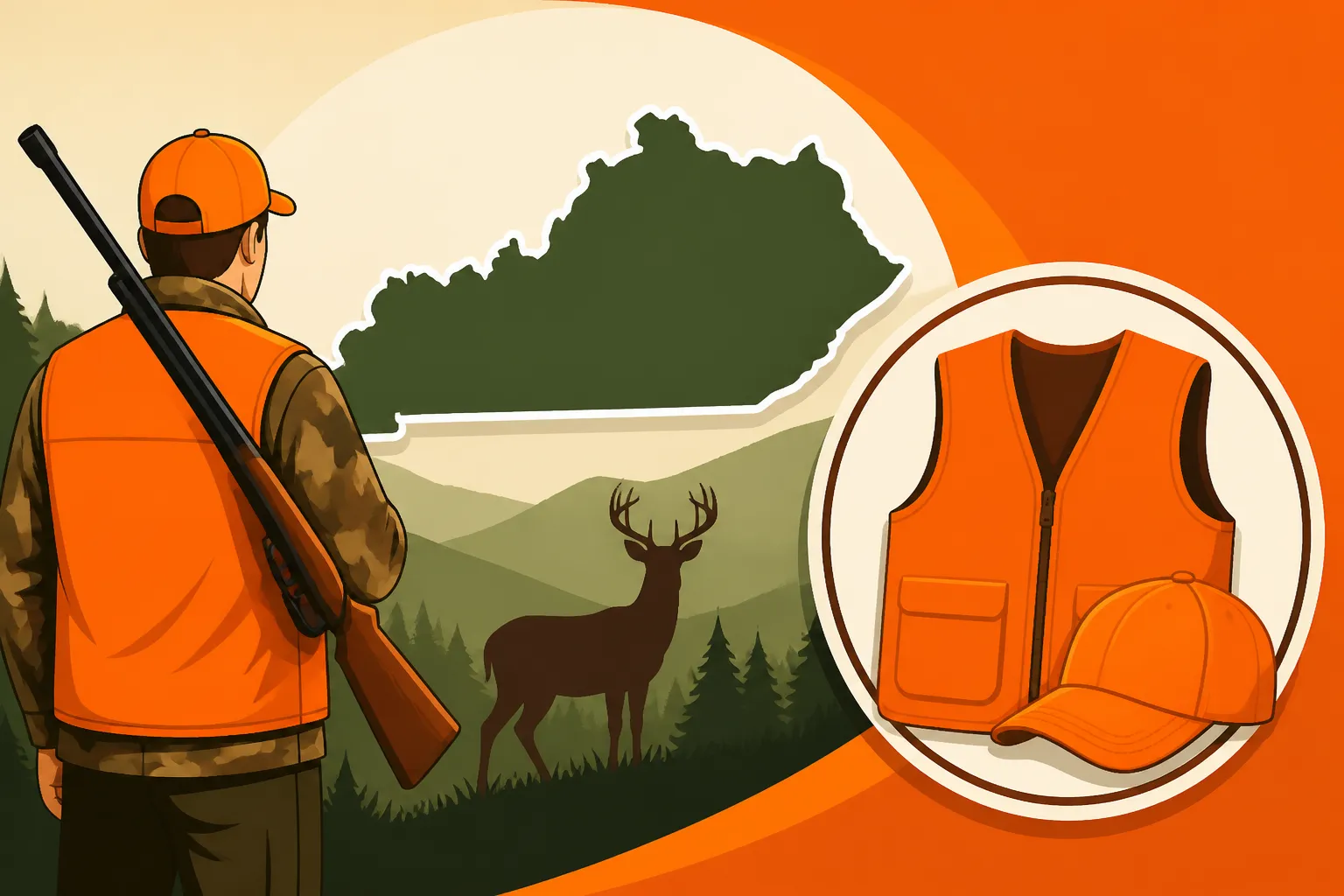
The rule typically mandates that you wear a solid, unbroken article of hunter orange or blaze pink on both your head and your outer clothing above the waist. This means a hat or cap and a vest or jacket. The most common stipulation is for a minimum of 400 square inches of solid blaze orange or pink visible from all sides. So, that cool camo beanie with a little bit of orange? Not enough. A full vest over your camo jacket? That’s what we’re talking about. Even during periods like the Hunting the Kentucky Youth Firearms Weekend, ensuring our newest generation of hunters are visible is paramount.
Bear and Elk Hunts: Overlapping Requirements
For those drawn to the incredible challenge of Hunting Kentucky's Record Elk Herd or pursuing Kentucky’s growing black bear population, the blaze orange rules often align closely with firearm deer seasons, particularly when those hunts overlap. Given that both elk and bear hunts can occur during times when deer hunters are also in the woods, the safety principles remain the same.
During any firearm season for bear or elk, you’ll be expected to meet the same blaze orange or blaze pink standards: headwear and an outer garment with at least 400 square inches visible from all directions. This is especially important in the rugged terrain of the Elk Restoration Zone or the Bear Zone Three, where visibility can be limited by thick timber and steep hollows. Always double-check the specific regulations for the year, but generally, if you're carrying a firearm for bear or elk, assume blaze orange is a must. If you're lucky enough to draw an elk tag, familiarize yourself with the Kentucky Elk Quota Hunt Rules and ensure your visibility gear is top-notch.
Small Game and Archery Considerations
This is where things can get a little more nuanced. For many small game seasons, such as squirrel or rabbit hunting, if they occur outside of the primary firearm deer, bear, or elk seasons, blaze orange might not be explicitly required by law. However, it is always highly recommended, especially if you're hunting on public land where other activities, including archery deer hunting, might be taking place.
For archery deer hunters, the rules are often relaxed during the dedicated archery-only portions of the season, like Bowhunting Kentucky's Long Archery Season. You're typically not required to wear blaze orange if you're strictly archery hunting during these periods. The logic here is that archery hunting is generally more solitary, requires less movement, and deer are the only legal target, reducing the risk of misidentification. However, if you are archery hunting during a period that overlaps with a modern gun or muzzleloader season for any species (even if you're still bowhunting), the blaze orange requirements for firearm hunters often kick in for all hunters in the field. So, if you're in your Treestand Setups in Daniel Boone National Forest during late October when the youth firearm season opens, you'd better have your blaze orange on! The same goes for fall turkey hunters. Always consult the Kentucky Small Game Season Rules and deer season guides for the exact dates and any specific exceptions.
Understanding the Legal Specifications
Kentucky doesn't just say "wear orange"; it specifies how much orange and where it needs to be visible. These details are often overlooked, but they're critical for legal compliance and your safety. It's not enough to just throw on any orange item; you need to meet the minimum standards to truly be seen.
Minimum Square Inches: What the Law Says
The standard legal requirement in Kentucky for solid blaze orange or blaze pink material is typically 400 square inches. Now, that might sound like a lot, or it might sound vague, but let's break down what that generally translates to. A typical blaze orange vest that covers your torso (front and back) and a blaze orange hat or cap usually meets this requirement comfortably.
However, don't assume. A small patch of orange on your hunting pack, or a decorative stripe on your camo jacket, is highly unlikely to cut it. The intent is for a significant portion of your upper body and head to be highly visible. This is why a full vest and a hat are the go-to combination for most hunters. When you’re shopping for gear, look for products that specifically state they meet or exceed Kentucky’s 400 square inch requirement. Many reputable outdoor brands provide this information right on the label. Remember, the game wardens aren't just looking for some orange; they're looking for the right amount of orange.
Visible from All Sides: The 360-Degree Rule
Equally important to the amount of blaze orange is its placement. Kentucky regulations typically state that the blaze orange or blaze pink must be "visible from all sides." This means a vest that only has orange on the front but is camouflaged on the back isn't going to cut it. The goal is 360-degree visibility.
Consider a scenario where you're tracking a deer through dense brush, or simply walking a logging road. Another hunter might approach from any direction. If your orange is only on your front, you're invisible to someone approaching from behind. This rule is designed to ensure that no matter what direction another hunter is viewing you from, you're immediately identifiable. This usually means a full vest that wraps around your torso, paired with a cap or beanie. Some jackets are designed with full blaze orange or pink exteriors, ensuring comprehensive visibility. When planning routes using a tool like GoHunt's mapping features, you can even mark areas where visibility might be lower, reminding you to be extra cautious and ensure your gear is properly displayed.
Acceptable Colors and Materials
When we talk about "blaze orange," we're specifically referring to that very bright, fluorescent orange color. It’s not just any orange. The legal definition often specifies "hunter orange," "fluorescent orange," or "blaze orange." This means muted, dull orange colors often found in some fall fashion items are not acceptable. The color needs to pop, even in challenging light conditions like dawn, dusk, or overcast days.
Similarly, "blaze pink" must meet a similar standard of high visibility. The material itself doesn't typically have specific requirements beyond being durable enough for outdoor use. Whether it's a polyester vest, a fleece beanie, or a waterproof jacket, as long as the color is correct and the square inch and visibility requirements are met, you're usually good to go. The key is the vibrancy and saturation of the color—it needs to be unmistakable.
Blaze Pink: The Newer Option for Kentucky Hunters
For many years, it was strictly blaze orange. But Kentucky, like several other states, has expanded its regulations to include blaze pink as an acceptable alternative. This change reflects growing scientific understanding of color perception and a desire to offer more options to hunters.
When Blaze Pink Became Legal
Blaze pink made its debut in Kentucky as a legal hunting color a few years ago, providing hunters with an alternative to traditional blaze orange. This move was largely influenced by research indicating that blaze pink is just as, if not more, visible to the human eye under certain conditions, while still appearing muted to deer. The introduction of blaze pink was also seen as a way to encourage more women to participate in hunting by offering gear in a color that might appeal to a broader demographic, though it's certainly not limited to female hunters. It simply added another option for anyone wanting to meet the visibility requirements. You can often find specifics on Blaze Pink Options Under Kentucky Law within the annual hunting guide.
The Science Behind Blaze Pink's Visibility
The effectiveness of blaze pink isn't just anecdotal; it's backed by science. Studies have shown that fluorescent pink, like fluorescent orange, registers extremely well in the human visual spectrum, making it highly conspicuous against natural backgrounds. For deer, whose eyes have fewer cone cells that detect red and green, both blaze orange and blaze pink appear as shades of gray or yellow, allowing the hunter to remain camouflaged to the target species while being clearly visible to other humans.
This distinction is crucial. It means you can wear blaze pink with the same confidence in its safety capabilities as blaze orange. The vibrant, almost neon quality of blaze pink makes it cut through foliage and low light, ensuring you stand out as a human, even if you blend in as a blurry form to a whitetail. It's a win-win for safety and personal preference.
Practicality and Hunter Acceptance
Initially, there was some debate and curiosity around blaze pink. Would it be truly accepted by the hunting community? Would gear manufacturers embrace it? The answer, for the most part, has been a resounding yes. More and more brands are offering blaze pink options alongside their blaze orange lines, from vests and hats to full jackets and insulated outerwear.
From a practical standpoint, there's no difference in how you wear or care for blaze pink gear compared to blaze orange. It serves the exact same purpose and meets the same legal requirements for coverage and visibility. For hunters who appreciate having choices, blaze pink provides a stylish yet equally safe alternative. It's about personal expression, but also about the unwavering commitment to safety in the field. When checking specific regulations on the Kentucky Department of Fish and Wildlife Resources (KDFWR) website, or through a platform like GoHunt, you’ll see both colors listed as acceptable.
Common Misconceptions and What to Avoid
Even with clear regulations, certain misunderstandings persist about blaze orange and pink requirements. Clearing up these common errors is just as important as knowing the rules themselves, because getting it wrong can lead to legal trouble or, worse, put you or others at risk.
Thinking Camo Orange is Enough
This is perhaps the most common misconception. Many hunting garments, especially vests and hats, come in camouflage patterns that incorporate some orange elements, often referred to as "camo orange." While these might seem like they fulfill the requirement, they almost never do. Kentucky's regulations specifically call for solid unbroken blaze orange or blaze pink.
Why the distinction? Camo orange breaks up the pattern, making it less detectable by the human eye at a distance or in dappled light. The very purpose of camouflage is to disrupt outlines and blend in. While it might offer a sliver of visibility, it doesn't provide the unmistakable, continuous block of color that 400 square inches of solid blaze orange does. Always err on the side of caution: if it’s not solid and vibrant, it's probably not enough. Stick to a dedicated blaze orange or blaze pink vest worn over your camo, or a full blaze orange jacket.
Forgetting it During Tracking or Scouting
Another mistake hunters sometimes make is removing their blaze orange once the firearm season is underway, especially when tracking a downed animal or doing a quick scouting trip outside of active hunting hours. You might think, "I'm just looking for a blood trail," or "I'm not actively hunting right now." However, if you are afield during a period when blaze orange is required, and other hunters are out, you need to wear it.
Imagine you've shot a deer and are now following the blood trail, your rifle slung over your shoulder. You're focused, moving slowly, and potentially off-trail. You might encounter another hunter who doesn't see you until the last second. The Kentucky Deer Reporting Deadline or the urgency of recovering an animal doesn't negate the safety requirements. The same applies if you're venturing onto public land to check trail cameras or scout new areas. If it's any firearm season that requires it, you need to be visible. Even when you're just Shed Hunting on Kentucky Public Land after the season, wearing something bright is a good idea, as others might be out for similar reasons, or just enjoying nature.
Penalties for Non-Compliance
Ignoring Kentucky's blaze orange or blaze pink requirements isn't just a minor oversight; it's a violation of hunting regulations and can carry real consequences. If a Kentucky Fish and Wildlife Resources (KDFWR) officer encounters you hunting without the proper visibility gear during a mandatory period, you could face a citation.
The penalties can vary, but typically involve fines and potentially court costs. More importantly, repeated or egregious violations could impact your hunting privileges in Kentucky. Beyond the legal ramifications, the greatest penalty is the increased risk to your own safety and the safety of those around you. No deer is worth risking an accident. Always prioritize safety over convenience. Familiarize yourself with Kentucky Wildlife Violation Penalties to understand the full scope of potential consequences.
Practical Tips for Staying Safe and Legal
Meeting Kentucky's blaze orange requirements is straightforward once you understand the nuances. Here are some practical tips to ensure you’re always safe and legal in the field.
Choosing the Right Gear
When it comes to selecting your blaze orange or blaze pink gear, quality and functionality matter. Don't just grab the cheapest vest you can find.
- Vests: Look for vests that are durable and designed for hunting. They should fit comfortably over your normal hunting layers without restricting movement. Many come with pockets for essential gear, which is a nice bonus. Ensure the vest is a full vest, providing coverage on the front, back, and often extending around the sides for that critical 360-degree visibility. Brands like GoHunt often have gear sections or recommendations that can help you find suitable options, even if they don't sell the apparel directly, they can point you to reputable manufacturers.
- Hats/Caps: A simple blaze orange or blaze pink cap is usually sufficient for headwear. Again, make sure it’s solid and clearly visible. Some hunters prefer beanies for warmth in colder weather, which are also perfectly acceptable as long as they are the correct color and solid.
- Jackets/Outerwear: For those who prefer an all-in-one solution, many companies make full blaze orange or pink hunting jackets. These are excellent as they eliminate the need for a separate vest and often provide superior warmth and weather protection. Just ensure they are truly solid and not just a camo pattern with some orange accents.
- Material: Consider the weather you’ll be hunting in. Breathable materials are great for warmer early season hunts, while insulated and waterproof materials are essential for late season sits. Even if you're focused on Hunting the Late-Season January Lull, you'll still need that bright outer layer.
Layering for Visibility and Comfort
Kentucky weather can be notoriously unpredictable, swinging from mild to freezing in a matter of hours. Effective layering is key to comfort, and it also impacts how your blaze orange is worn.
- Outer Layer: Your blaze orange or blaze pink should always be your outermost layer during mandatory periods. It doesn't matter how much blaze orange you have on underneath if it's covered by a camo jacket.
- Base and Mid-Layers: Plan your base and mid-layers for warmth and moisture-wicking properties. Synthetic materials or merino wool are excellent choices. You might start a morning hunt with several layers under your blaze orange vest, then shed them as the day warms up, but the vest stays on.
- Don't Skimp: Don't try to cram too many layers under a vest that’s too small, or you’ll find yourself uncomfortable and restricted. Buy your blaze orange vest or jacket a size up if you plan to layer heavily underneath.
- Backpack Considerations: If you carry a large hunting backpack, ensure that your blaze orange vest still offers sufficient visibility, especially across your back. Some hunters opt for a vest that's designed to go over a backpack, or choose a jacket with ample blaze orange coverage that won't be obscured by their pack. When planning a remote hunt in the Daniel Boone National Forest, a platform like GoHunt can help you determine what gear you need to bring to cover all scenarios.
Staying Visible When Moving
Wearing the right gear is step one, but how you move and position yourself in the woods also plays a role in your visibility and safety.
- Open Areas: When moving through open areas like fields or logging roads, consciously present your full blaze orange profile to potential sightlines. Don't slouch or hunch over in a way that significantly reduces the visible orange.
- Dense Cover: In thick brush, visibility naturally decreases for everyone. Be extra cautious. Slow down, make deliberate movements, and consider periodically stopping to assess your surroundings. If you are still-hunting or stalking through dense cover, periodically scanning ahead for other hunters is crucial.
- Calling and Attracting Attention: If you’re using calls for turkeys or deer, remember that you’re creating sound that could attract other hunters. While blaze orange isn't required for most turkey seasons, it's a critical consideration during deer seasons.
- Group Hunts: If you're participating in a deer drive with three or four hunters, communication is key, but so is maintaining visibility. Make sure every member of the party is clearly displaying their blaze orange or pink.
- Marking Your Spot: Using things like reflective tape on trees or bright markers can help other hunters identify your general location, especially if you're stationary in a treestand. However, these are supplemental to, not replacements for, your personal blaze orange requirements. For longer walks back to the truck after field dressing a deer in cold weather, a bright headlamp is also essential.
By understanding and adhering to Kentucky's blaze orange and blaze pink requirements, you're not just following the law; you're actively contributing to a safer hunting environment for everyone who enjoys the incredible hunting opportunities our state offers.
Disclaimer
Please remember that hunting regulations can change. While this guide provides a comprehensive overview of Kentucky's blaze orange requirements, it is essential to consult the most current Kentucky Department of Fish and Wildlife Resources (KDFWR) hunting guide or website before heading afield. The KDFWR is the authoritative source for all hunting and fishing regulations in the state.