Kentucky’s Chronic Wasting Disease Surveillance Zone
It's an unfortunate truth that as hunters, we often find ourselves facing new challenges that test our resolve and adaptiveness. One of the most pressing concerns gripping the Kentucky hunting community right now is the looming shadow of Chronic Wasting Disease (CWD). This guide aims to thoroughly explain what Kentucky's CWD surveillance zone means for you, how to comply with regulations, and what steps we can all take to help safeguard our cherished deer population.
Understanding Chronic Wasting Disease (CWD)
CWD isn't just another buzzword; it's a real, insidious threat to the health of our deer herds, and consequently, to our hunting traditions. For anyone who has spent countless hours in the Kentucky woods, scouting, hunting, and building memories, understanding this disease is the first crucial step in protecting what we love. It’s not something we can ignore and hope it goes away.
What is CWD and How Does It Affect Deer?
At its core, Chronic Wasting Disease is a neurological illness, specifically a prion disease, that affects cervids – that's deer, elk, moose, and reindeer. It's similar in nature to mad cow disease in cattle, though it's important to note that CWD has not been shown to be transmissible to humans through consumption, unlike mad cow disease. However, public health officials still advise against consuming meat from CWD-positive animals, just to be safe.
The disease works by slowly degenerating the brains of infected animals, causing abnormal behavior, emaciation (wasting away), and ultimately, death. Imagine a deer slowly losing its ability to function, to forage, to evade predators. Symptoms often include drastic weight loss, stumbling, listlessness, excessive drooling, and a lack of fear of humans. These symptoms can take months, even years, to develop after initial infection, which makes detection incredibly difficult in the early stages. The disease agent, a misfolded protein called a prion, can persist in the environment for years, making contaminated soil and plants a potential source of infection.
The Inevitable Spread of CWD Across North America
CWD isn't new; it was first identified in captive deer in Colorado in the late 1960s and has been slowly, relentlessly spreading across the continent ever since. From its origins, it has jumped state lines, crossing into neighboring areas and appearing in both wild and captive cervid populations. This spread is primarily driven by the movement of infected animals, but also by the transport of infected carcasses or contaminated materials.
What makes CWD so challenging is its resilience. Prions are notoriously difficult to destroy with conventional disinfectants, heat, or freezing. This means that once CWD is established in an area, eradicating it is virtually impossible with current science. States like Wisconsin, Illinois, and Arkansas have been grappling with CWD for years, implementing aggressive testing and management strategies, often with mixed results. Kentucky, unfortunately, became another battleground in this ongoing fight.
Why CWD Poses a Serious Threat to Kentucky's Deer Herd
Kentucky's deer herd is a point of pride for our state. We boast a healthy, robust population that provides incredible hunting opportunities and contributes significantly to our rural economies. The thought of CWD running rampant through these herds is a nightmare scenario for every hunter, every landowner, and every wildlife biologist here. CWD can lead to significant population declines over time, especially in areas with high deer densities, which are common across Kentucky.
Beyond the ecological impact, there's a substantial economic and recreational threat. If CWD prevalence grows, public confidence in consuming venison could drop, impacting meat processors, taxidermists, and even local businesses that rely on hunter traffic. Our hunting heritage, which is deeply woven into the fabric of Kentucky life, could be diminished. This is why the Kentucky Department of Fish and Wildlife Resources (KDFWR) takes CWD so seriously, and why every hunter needs to be part of the solution.
Kentucky's Initial CWD Discovery and Response
The news hit the Kentucky hunting community like a gut punch. For years, KDFWR had been monitoring, testing, and hoping to avoid CWD. They had robust surveillance programs in place, especially in counties bordering states where CWD was already present. But despite best efforts, the disease inevitably arrived.
The First Cases: Ballard and Pulaski Counties
Kentucky's first confirmed CWD cases emerged in late 2021, shaking the hunting landscape. The initial findings were particularly concerning because they appeared in two distinct, non-contiguous areas. The first detections were made in white-tailed deer samples from Ballard County, located in the far western part of the state, an area known for its prime waterfowl and deer hunting, especially at the Ballard Wildlife Management Area. Soon after, another positive case was detected in Pulaski County, nestled in the south-central region.
The discovery in Ballard County, unfortunately, had a double impact, with a second confirmed case there shortly after. The presence of CWD in two geographically separated counties immediately indicated that the disease wasn't a single, isolated event. This pattern suggested that CWD might have entered the state through multiple pathways or had been present and undetected for some time, making the response all the more critical and complex. These initial findings immediately triggered the implementation of emergency regulations and heightened surveillance in the surrounding areas.
Rapid Implementation of the Surveillance Zone
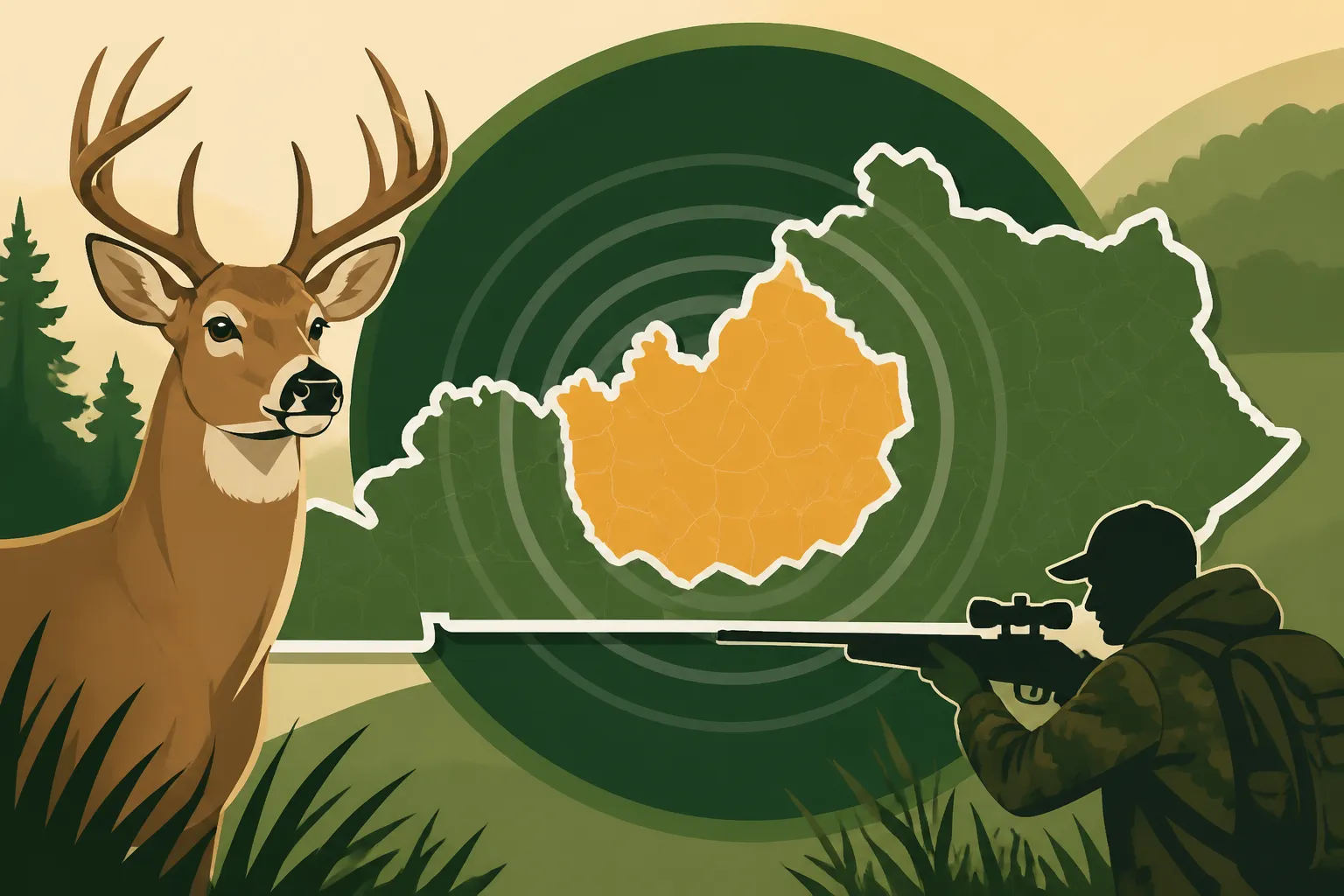
Following the confirmed cases, KDFWR acted swiftly, establishing what they termed the CWD Surveillance Zone. This zone initially encompassed Ballard, Carlisle, and Hickman counties in the west, and Pulaski, Wayne, and Clinton counties in the south-central part of the state. The primary goal of these zones was to contain the disease, prevent its further spread, and gather more data on its prevalence.
Within these surveillance zones, strict regulations were immediately put into effect. These rules focused on two main areas: mandatory testing of harvested deer and strict limitations on the movement of deer carcasses out of the zone. The idea was to prevent hunters from unknowingly transporting CWD-infected materials, such as brain or spinal tissue, to other parts of the state. The establishment of these zones was not just a legal formality; it was a call to action for every hunter in those counties, asking for their cooperation in a critical wildlife management effort.
The Role of the Breckinridge Captive Facility Incident
While the initial wild deer detections were concerning, another incident further underscored the urgency and complexity of CWD management: the detection of CWD at a captive deer facility in Breckinridge County. Although located outside the initial wild deer surveillance zones, this event highlighted another potential pathway for CWD introduction and spread – through the movement of captive cervids.
The discovery at the Breckinridge facility was a stark reminder that CWD doesn't respect fences or property lines. It emphasized the need for comprehensive surveillance across both wild and captive populations, and it led to discussions and, in some cases, enhanced regulations regarding captive cervid operations. This incident, combined with the wild deer cases, painted a broader picture of the CWD threat in Kentucky, reinforcing the need for vigilance and cooperation from all stakeholders, from commercial breeders to the average deer hunter in the woods.
Navigating Kentucky's CWD Surveillance Zone Rules
Understanding the rules within the CWD Surveillance Zone can feel a bit like reading tax code – confusing and intimidating. But as responsible hunters, it's our duty to know and follow these regulations to the letter. This isn't about bureaucracy; it's about protecting the future of hunting in Kentucky. The KDFWR has done its best to simplify things, but the onus is on us to stay informed.
Mandatory Testing Requirements for Harvested Deer
If you're lucky enough to harvest a deer within any of the counties designated as part of the CWD Surveillance Zone, there's a critical step you must take: mandatory CWD testing. This isn't optional; it's a legal requirement. The KDFWR uses a sample from the deer's lymph nodes, typically located near the jaw, to test for the presence of CWD prions. This testing provides invaluable data, allowing biologists to track the disease's prevalence and geographic spread.
During specific periods, usually the opening weekends of modern gun season or other key hunting dates, KDFWR will set up mandatory CWD check stations in or near the surveillance zone counties. Hunters harvesting deer on these dates in these specific counties are required to bring their deer (or just the head with the first two vertebrae attached) to one of these stations. Outside of those mandatory check dates, hunters in CWD counties may still be required or strongly encouraged to submit samples at designated drop-off locations. Always check the current regulations for specific dates and locations, as these can change. Failure to comply can result in citations, so make sure you're up-to-date on the requirements for any area you plan to hunt, especially if it's within a CWD county.
Carcass Movement Restrictions: What You Can and Cannot Do
This is arguably the most impactful regulation for hunters. To prevent the spread of CWD to unaffected areas, strict carcass movement restrictions are in place for deer harvested within the surveillance zone. You simply cannot take certain parts of a deer out of a CWD county. The goal is to ensure that high-risk materials – those parts most likely to contain CWD prions – do not leave the infected zone.
Here’s a breakdown of what can leave a CWD surveillance zone county:
- Meat that is cut and wrapped: This includes quarters or other pieces of meat that have been substantially processed.
- Deboned meat: Meat that has had all bone removed.
- Cleaned skull plate or skull: The skull plate with antlers attached, after all brain and spinal tissue has been removed. Or a clean skull free of any tissue.
- Antlers: Detached antlers.
- Hides and capes: After all excess tissue has been removed.
- Finished taxidermy products: Once fully processed.
What cannot leave the surveillance zone includes:
- Whole deer carcasses.
- Deer heads with brain or spinal tissue still attached.
- Spinal columns.
- Internal organs (other than cleaned hide, skull plate, or meat).
This means if you kill a deer in, say, Pulaski County, and want to take it back to your home in Lexington, you must process it down to deboned meat, a clean skull plate, or a clean hide before leaving Pulaski County. This can be a significant logistical challenge, especially for those who travel some distance to hunt. It requires planning and perhaps even bringing processing equipment with you or utilizing a local processor within the CWD zone.
| Carcass Part | Can Leave CWD Zone? | Notes |
|---|---|---|
| Whole Carcass | No | Must be processed within the CWD zone. |
| Deboned Meat | Yes | All bone, brain, and spinal tissue must be removed. |
| Cut & Wrapped Meat | Yes | Quarters or other pieces, professionally or personally processed. |
| Cleaned Skull Plate | Yes | All brain and nervous tissue removed. |
| Clean Skull | Yes | Thoroughly cleaned, free of all tissue. |
| Antlers (detached) | Yes | If removed from the skull. |
| Hides/Capes | Yes | After all excess tissue and blood have been removed. |
| Finished Taxidermy | Yes | Once fully processed and cleaned. |
| Spinal Column | No | High-risk material, must be disposed of within the CWD zone. |
| Internal Organs | No | Except for cleaned hides. Must be disposed of within the CWD zone. |
Special Considerations for Taxidermists and Processors
The carcass movement restrictions directly impact local taxidermists and meat processors, particularly those operating within or near a CWD Surveillance Zone. These businesses become crucial partners in the KDFWR's efforts to contain the disease. Hunters need to be aware that their chosen taxidermist or processor might have specific protocols in place for handling deer from CWD counties.
Many processors and taxidermists in CWD zones are equipped and educated on how to properly handle and dispose of high-risk materials. They often have special waste disposal procedures to ensure that potentially infected tissues are not released back into the environment. If you plan to use a professional service, it's wise to call ahead and confirm their specific requirements and capabilities for handling deer harvested in a CWD county. They might charge an additional fee for this specialized handling, which is a small price to pay for ensuring compliance and safety. For hunters living outside the zone but hunting within it, finding a reliable local processor or taxidermist can be the key to enjoying your hunt without logistical headaches.
Practical Steps for Hunters in the CWD Zone
Hunting in a CWD Surveillance Zone requires a bit more forethought and planning, but it doesn't have to diminish the experience. In fact, by actively participating in surveillance and mitigation efforts, you become a more integral part of Kentucky's wildlife management. It’s about being proactive, not reactive.
Locating a CWD Sampling Station
One of the first things you need to do if you plan to hunt in a CWD Surveillance Zone county is to identify where and when you can submit your harvested deer for testing. The KDFWR website is your best friend here, providing up-to-date information on mandatory check dates and the locations of sampling stations. These might include temporary stations set up during peak hunting weekends, or permanent drop-off locations at certain KDFWR offices or cooperating businesses.
Many hunters find the official KDFWR "Hunt/Fish KY" app incredibly useful for this, as it often includes maps and directions to sampling sites. Additionally, resources like GoHunt, while primarily focused on Western hunts, often provide valuable tools for understanding regulations and mapping out hunting areas, which can indirectly help in identifying general zones. Knowing exactly where you'll go before you ever pull the trigger will save you a lot of stress after the harvest. Don't wait until you have a deer down to figure out where to get it tested. Have a plan A, B, and even C, especially if you're hunting remotely.
Field Dressing and Transporting Deer Responsibly
Field dressing is a routine part of hunting, but in a CWD zone, it carries added importance. The general rule of thumb is to field dress your deer where it falls, or as close to the harvest site as practically possible. This minimizes the movement of high-risk materials like internal organs, which should be left at the harvest site. If you're on public land, ensure you're a reasonable distance from trails, water sources, and common access points when disposing of entrails.
When it comes to transporting your deer within the CWD zone (before processing), you can generally transport the whole carcass to a processor or your home within the same CWD county. However, the moment you plan to cross a county line out of the surveillance zone, you must adhere to the carcass movement restrictions discussed earlier. This often means having to process the deer into deboned meat or a clean skull plate before leaving the zone. If you're hunting far from home, consider bringing a good cooler, plenty of ice, and game bags.
Deboning and Preparing Your Harvest for Safe Transport
The most common method for complying with carcass movement restrictions is deboning your deer. This involves removing all meat from the bone, leaving behind only bone, spinal column, and skull/brain material. While it adds an extra step to your hunt, it's a skill that pays dividends in terms of compliance and meat care.
Here’s a simplified process for deboning in the field:
- Quarter the deer: After field dressing, separate the four quarters, remove the backstraps, and tenderloins.
- Debone each piece: Carefully cut the meat away from the bone on each quarter. A sharp knife is essential.
- Clean the skull: If you plan to keep the antlers, you must remove all brain and nervous tissue from the skull. This typically involves using tools to scrape and flush out the brain cavity.
- Package the meat: Place deboned meat into game bags or coolers with ice, ready for transport.
- Proper disposal: All high-risk materials (bones, spinal column, skull with brain tissue, internal organs) must be left and disposed of safely within the CWD surveillance zone.
This might sound daunting, especially if you've never done it before. Practicing on non-CWD deer, watching instructional videos, or even taking a wild game processing course can be incredibly helpful. Websites and apps like GoHunt can provide useful insights into hunt planning, which now necessarily includes CWD considerations. Taking the time to properly process your deer not only keeps you compliant but also ensures the best quality venison.
The Impact of CWD on Kentucky's Deer Management
CWD is not just a hunter's problem; it's a significant challenge for wildlife managers. The KDFWR has had to adapt its long-standing deer management strategies to account for this new threat, integrating CWD surveillance and mitigation into every aspect of their work. This is a dynamic situation, and rules can change based on new scientific understanding or shifts in disease prevalence.
Changes to Deer Season Structure and Bag Limits
While Kentucky hasn't implemented drastic, statewide changes to deer season structure or bag limits solely because of CWD at this time, the disease could certainly lead to localized adjustments in the future. In other states battling CWD, managers have sometimes increased antlerless deer quotas in affected zones to reduce overall deer density, under the theory that lower density can slow the spread of the disease. The logic here is that fewer deer interacting means fewer opportunities for transmission.
It’s crucial for hunters to always check the most current Kentucky deer season structure explained, especially if hunting in or near a CWD county. Regulations related to antlerless harvest might be subtly adjusted, or specific dates for mandatory checks could be added, requiring hunters to be extra diligent. For now, KDFWR has focused more on surveillance and carcass restrictions, but more direct management interventions on population levels are always a possibility if CWD prevalence warrants it.
Increased Monitoring and Research Efforts
The KDFWR has significantly ramped up its CWD monitoring and research efforts since the initial detections. This involves not only mandatory hunter-submitted samples but also targeted surveillance of road-killed deer, sick deer reports, and extensive sampling from specific areas, often using advanced GIS mapping systems. These efforts are designed to understand the disease's distribution, prevalence rates, and how it's affecting various segments of the deer population.
Long-term research is also critical, exploring potential impacts on deer health, reproduction, and overall herd dynamics. Collaboration with universities, federal agencies, and other state wildlife departments is essential to pool resources and knowledge. Tools like those provided by GoHunt often integrate mapping and regulations, helping hunters to better visualize and understand the scope of these monitoring efforts in relation to their hunting grounds. The data collected through these rigorous efforts will inform future management decisions, ensuring that Kentucky's approach to CWD is as scientifically sound and effective as possible.
Hunter Education and Awareness Campaigns
Perhaps one of the most vital components of Kentucky's CWD response is widespread hunter education and awareness. KDFWR understands that they cannot fight this battle alone; they need every hunter to be an informed and active participant. They regularly publish updates on their website, social media, and through hunter education programs, explaining the disease, the regulations, and why hunter cooperation is so critical.
These campaigns emphasize simple but powerful actions hunters can take: correctly identifying CWD symptoms, understanding carcass transport rules, and submitting samples for testing. They also stress the importance of not baiting or feeding deer, as concentrating deer in one area can facilitate disease transmission. By empowering hunters with knowledge, KDFWR hopes to create a collective defense against CWD, turning every hunter into a steward of the herd. Without this widespread understanding and compliance, the challenges of managing CWD become exponentially harder.
Beyond the Regulations: Protecting Kentucky's Wildlife
While regulations provide a framework, true conservation goes beyond simply following the letter of the law. It involves a deeper commitment to ethical practices and a proactive mindset to protect our shared wildlife resources. For Kentucky, safeguarding the future of white-tailed deer and other cervids requires everyone to be engaged.
Reporting Sick or Abnormal-Looking Deer
As hunters and outdoor enthusiasts, we spend more time observing deer in their natural habitats than almost anyone else. This unique vantage point makes us invaluable sentinels in the fight against CWD. If you ever encounter a deer exhibiting signs consistent with CWD – things like extreme weight loss, lethargy, stumbling, excessive drooling, or unusual behavior (like showing no fear of humans) – it is your responsibility to report it to KDFWR immediately.
Do not attempt to approach, handle, or harvest a visibly sick deer without first contacting KDFWR. Take careful notes of the location, time, and specific behaviors you observe. You can usually find a dedicated hotline or reporting mechanism on the KDFWR website. Your report could be the critical piece of information that helps wildlife biologists identify new areas of CWD prevalence or prevent an infected animal from spreading the disease further. It's about being an extra set of eyes and ears for the health of the herd.
Best Practices for Hunters to Prevent CWD Spread
Beyond regulatory compliance, there are several "best practices" every hunter should adopt to minimize the risk of CWD transmission:
- Clean Your Gear Thoroughly: After hunting in a CWD-positive area, clean all your gear – boots, knives, ATV tires, treestands, even vehicle tires – to remove any soil or deer tissue that could potentially harbor prions. A simple bleach solution can help, though prions are notoriously resilient.
- Proper Carcass Disposal: Always dispose of high-risk parts (brain, spinal cord, internal organs) within the CWD zone in which the animal was harvested. Never dispose of carcasses or parts on land where other deer could come into contact with them, or where it could contaminate water sources. Use designated disposal sites if available, or bury the material deeply.
- Avoid Baiting and Artificial Feeding: This is a big one. Concentrating deer at bait sites or feeders increases nose-to-nose contact, which is a known transmission route for CWD. Even if baiting is legal in your county (always check Kentucky Deer Management Zone Rules), it's highly discouraged in any area with CWD concerns.
- Know Your Deer Zone: Familiarize yourself with Kentucky Deer Management Zone Rules for your specific hunting area. Understanding the regulations for your zone, especially regarding antlerless harvest, contributes to overall herd health, which can indirectly impact CWD resilience.
- Utilize Local Processors: Whenever possible, especially when hunting in a CWD zone, use local meat processors and taxidermists who are familiar with and equipped to handle CWD-positive deer and dispose of waste properly. This reduces the risk of you inadvertently transporting high-risk materials.
By integrating these practices into your hunting routine, you become a proactive part of the solution, helping to protect our deer herds for generations to come.
The Long-Term Outlook for CWD in Kentucky
The presence of CWD in Kentucky presents a challenging, long-term outlook. There is currently no vaccine or cure for CWD, meaning containment and management are the only tools we have. KDFWR is committed to a science-based approach, continually evaluating surveillance data and adapting management strategies as needed. This will likely involve ongoing mandatory testing, carcass restrictions, and public outreach for the foreseeable future.
The goal isn't necessarily eradication, which is largely considered impossible once the disease is established in the wild. Instead, the focus is on limiting its spread, minimizing its prevalence within affected herds, and mitigating its impact on deer populations and hunting opportunities. This will require sustained effort, robust funding for research and management, and above all, the continued cooperation and vigilance of Kentucky's hunting community. Our state's ability to maintain healthy deer populations in the face of CWD will depend on how effectively we all work together.
Resources and Tools for Staying Informed
Staying informed is perhaps the most powerful tool in a hunter's arsenal when it comes to navigating the complexities of CWD. Ignorance of the regulations is never an excuse, and proactive learning benefits everyone involved in Kentucky's hunting scene. Don't just hear it through the grapevine; get your information straight from the source.
Official KDFWR Channels for CWD Updates
The Kentucky Department of Fish and Wildlife Resources (KDFWR) is the authoritative source for all CWD-related information, regulations, and updates. They maintain a dedicated section on their official website (fw.ky.gov) specifically for CWD. This page is regularly updated with news releases, maps of the surveillance zone, detailed explanations of regulations, and lists of sampling stations.
Beyond the website, KDFWR often uses its social media channels (Facebook, Twitter, Instagram) to disseminate urgent updates or reminders. They also publish press releases, newsletters, and informational pamphlets that can be found at license vendors or KDFWR offices. Subscribing to their email list is an excellent way to ensure you receive timely notifications. Always make it a habit to check these official channels before and during your hunting season, especially if you plan to hunt in or near a CWD-affected county.
Using Mapping Tools for Zone Boundaries
Understanding the exact boundaries of the CWD Surveillance Zone is crucial for compliance. It's not enough to just know the county names; you need to visualize them in relation to your hunting spots. KDFWR provides maps on its website, but many hunters find modern mapping applications even more useful for precise location data.
Mapping tools like the KDFWR's "Hunt/Fish KY" app or popular commercial apps such as GoHunt, onX Hunt, or BaseMap, are invaluable. These platforms often allow you to overlay various data layers, including public land boundaries, property lines, and sometimes even specific CWD zones. By marking your hunting locations on these maps, you can easily determine if you are within a surveillance zone and if specific regulations apply to you. This capability allows you to plan your hunt, your field dressing, and your transport route with confidence, minimizing any risk of non-compliance. These tools are indispensable for modern hunters who want to stay legal and ethical.
Participating in Community and Hunter Forums
While official sources are paramount, local knowledge and community discussion can also be incredibly helpful, provided you verify information with official KDFWR resources. Online forums, local hunting club meetings, and even casual conversations at your local sporting goods store can offer valuable insights into local conditions, recent observations, and practical advice on navigating CWD rules.
These community platforms can be great places to ask questions, share experiences, and learn about the nuances of hunting in specific areas within the CWD zone. For instance, you might learn about a pop-up sampling station that isn't widely advertised yet, or get tips on the best local processor to use. However, always exercise caution and cross-reference any information with KDFWR's official channels to ensure accuracy. The collective wisdom of the Kentucky hunting community is a powerful force, and by engaging thoughtfully, we can all contribute to a more informed and compliant hunting season.
Disclaimer
The information provided in this guide is for general informational purposes only and is not intended as legal advice. Hunting regulations, including those pertaining to Chronic Wasting Disease (CWD) surveillance zones, are subject to change by the Kentucky Department of Fish and Wildlife Resources (KDFWR). It is the sole responsibility of each hunter to review and comply with all current KDFWR regulations and local ordinances before engaging in any hunting activities. Always refer to the official KDFWR website (fw.ky.gov) or contact the department directly for the most up-to-date and accurate information.