Shed Hunting on Kentucky Public Land
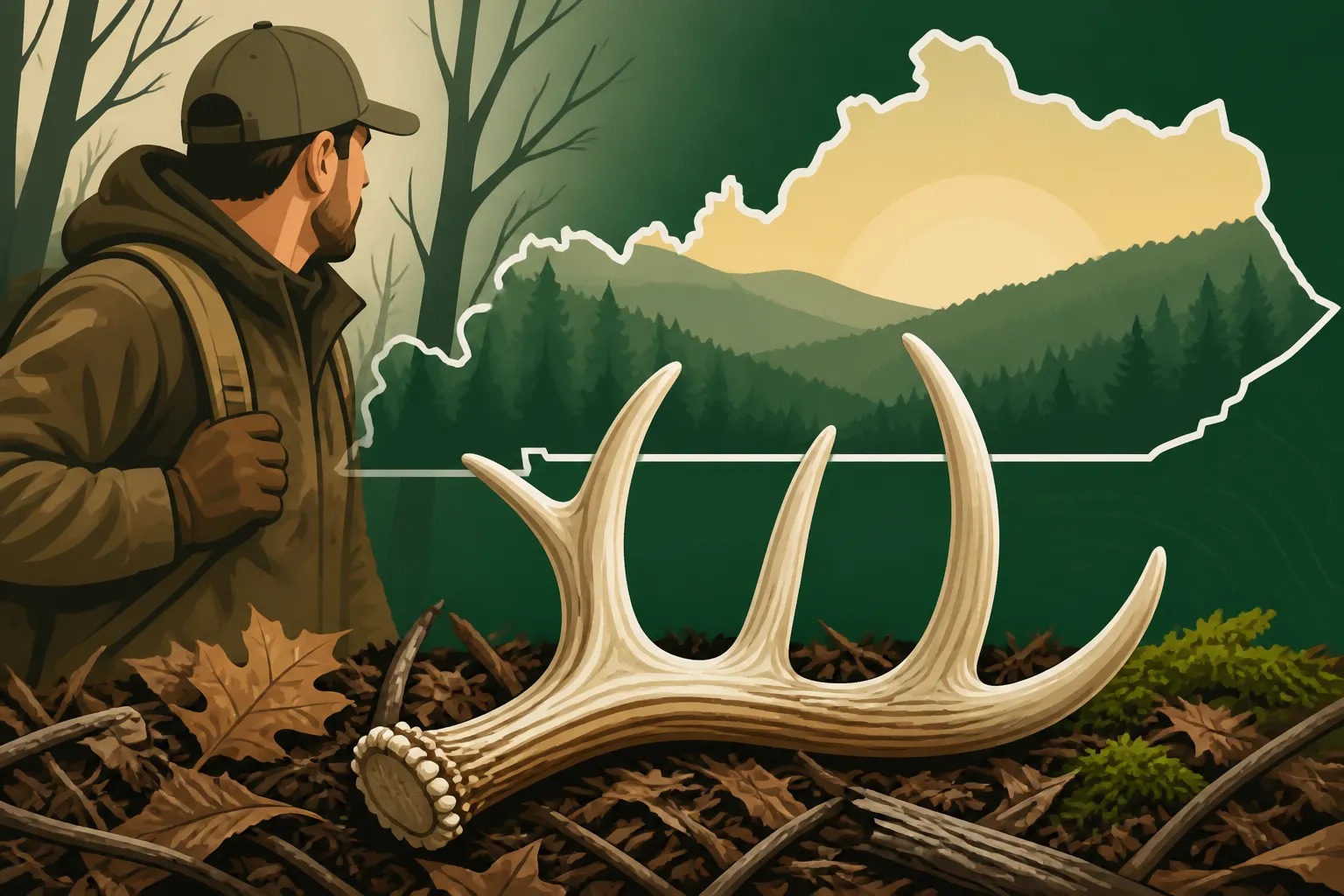
After the thrill of the hunting season winds down, many of us feel that familiar ache, that yearning to still be out there, connected to the woods. It's a real struggle to just pack away the gear and wait for next fall, especially when you know there's still so much to learn from the deer that call Kentucky home. If you're looking for a way to stay engaged, sharpen your scouting skills, and perhaps find a true treasure, shed hunting on Kentucky's public lands is an incredibly rewarding pursuit that keeps you immersed in the rhythms of the wild, long after the last gun blast of deer season fades.
Why Shed Hunting is More Than Just a Winter Walk
Shed hunting isn't just about collecting antlers; it's a deep dive into understanding deer behavior, habitat, and how they navigate their world, especially in the challenging late winter months. For many, it's a crucial extension of their hunting season, transforming a simple walk in the woods into a vital scouting mission.
Understanding Post-Season Deer Movement
Once the pressure of hunting season lifts, and the rut is a distant memory, whitetail deer shift their focus almost entirely to survival. Their primary drivers become food and shelter, especially as winter weather bites down hard. For a shed hunter, this means looking for areas where deer can conserve energy and find readily available nutrition. Think south-facing slopes that get more sun, offering a slightly warmer bed or melting snow quicker to expose browse. You'll often find deer concentrated in thermal cover – thick stands of evergreens like cedars or pines that block the wind.
What you find, or don't find, can tell you a lot about how deer use a particular piece of public land during the most stressful part of the year. If you find a cluster of sheds around a specific field edge or a unique stand of oaks, it’s a strong indicator that deer are bedding and feeding there consistently. This knowledge is gold when you're planning your strategy for the next deer season. It's like finding a hidden map to their winter sanctuaries.
A Powerful Scouting Tool for Next Season
Every shed antler you pick up isn't just a trophy; it's a data point, a breadcrumb leading you to potential future success. Think about it: where you find sheds is where a buck spent significant time. If you find multiple sheds in the same general area year after year, it means that location is a consistent wintering spot for bucks. This information can dramatically influence your strategy for the following hunting season.
You might discover a new travel corridor between a bedding area and a preferred food source that you never noticed during the fall. Perhaps you’ll identify a hidden thermal cover patch on a public WMA that becomes a magnet for bucks in January. This kind of hands-on scouting provides invaluable insights that no trail camera or aerial map can fully replicate. It gives you a "boots on the ground" understanding of the terrain and how deer utilize it. Finding these winter haunts allows you to then refine your summer scouting, focusing trail cameras and further recon on these high-potential areas. It’s a perfect lead-in to things like Scouting Kentucky Public Land Before Season.
Best Times and Places to Find Sheds in Kentucky
Kentucky's varied landscape, from the steep ridges of the east to the rolling farmlands of the west, means shed hunting can vary by region. Knowing when and where to focus your efforts is key to success, especially on public land.
The Ideal Window for Shed Hunting
The exact timing for when Kentucky bucks shed antlers can fluctuate depending on various factors, but generally, it begins in late December and continues through February, with some stragglers dropping into early March. The biggest drivers are daylight hours, nutrition, and the overall health of the buck. A buck that's been run hard during the rut, or one that's under stress from harsh winter conditions, might drop his antlers earlier. Bucks in prime condition, with good access to food, might hold onto them a bit longer.
Starting your search too early in December means you'll likely be walking over a lot of still-antlered bucks. Conversely, waiting too long, into April or May, increases the chances that squirrels, mice, and other rodents have chewed up the antlers, leaving little behind. The sweet spot often seems to be from mid-January through late February. This window usually follows any severe cold snaps, which tend to encourage earlier shedding. Keep an eye on local deer activity and talk to other hunters in your area to gauge the local shedding patterns. It's often during the Hunting the Late-Season January Lull that bucks start dropping their headgear.
High-Probability Areas on Public Land
Kentucky boasts a good amount of public hunting land, including Wildlife Management Areas (WMAs), portions of Daniel Boone National Forest, and land managed by the Army Corps of Engineers around various lakes. Each offers unique challenges and opportunities for shed hunting.
- Food Sources and Bedding Areas: This is your number one priority. Focus on areas that offer late-season food, such as standing corn or bean fields adjacent to public land, or pockets of unharvested mast in oak and hickory bottoms. Look for thick cover nearby – cedar thickets, pine plantations, or dense regenerating clear-cuts – where deer feel secure bedding down after feeding.
- Travel Corridors: Deer don't just magically appear in feeding and bedding areas; they travel between them. Look for pinch points, saddles, creek bottoms, and ridge lines that connect these key areas. These natural funnels can be high-traffic zones.
- Southern-Facing Slopes: As mentioned, these slopes catch more sun, melt snow faster, and provide warmer bedding. Bucks will gravitate to these areas for thermal comfort.
- Fencelines and Creek Crossings: Any obstacle a deer has to jump over or navigate can potentially jar an antler loose. Fences, downed logs, steep creek banks, and even narrow trails through thick brush are all worth extra scrutiny.
- Water Sources: Even in winter, deer need water. Ponds, creeks, and springs can be congregation points.
Remember, public lands often see more pressure, so deer might be more nocturnal or use thicker cover than on private tracts. Don't be afraid to push into dense, nasty spots that other people might overlook. A tool like GoHunt can be invaluable for identifying public land boundaries, mapping out potential bedding areas, and scouting for terrain features like south-facing slopes or thick cover remotely before you ever step foot in the woods. Using features like its onX Layers for Kentucky Land Status can save you a lot of time by ensuring you're only scouting within legal boundaries.
Let's look at a quick comparison of some public land types for shed hunting:
| Public Land Type | Characteristics for Shed Hunting | Pros | Cons |
|---|---|---|---|
| Wildlife Management Areas | Often actively managed for wildlife, including food plots and diverse habitat. | Good deer density, varied habitat, sometimes less expansive than National Forest. | Can experience high hunter pressure during season, leading to wary deer. |
| Daniel Boone National Forest | Vast, rugged, dense timber, steep terrain, remote hollows and ridges. | Less human pressure in deeper areas, potential for older, larger sheds. | Physically demanding, sheds can be few and far between, vastness can be overwhelming. |
| Army Corps of Engineers | Often surrounds large lakes, with mixed timber, fields, and water access. | Access to diverse habitats, often good deer numbers. | Regulations can vary by specific lake, potential for higher recreational use. |
Essential Gear and Strategies for Success
Shed hunting in Kentucky, especially on public land, isn't just a casual stroll. Being prepared with the right gear and a solid strategy will significantly increase your odds of finding those prized antlers and make your experience much more enjoyable.
Must-Have Gear for the Shed Hunter
Just like preparing for a hunt, you need to think about what you’ll need to be effective and safe in the winter woods.
- Comfortable, Durable Boots: You're going to be covering a lot of ground, often uneven terrain. Investing in good, waterproof hiking boots is crucial. Think about the need for Boots for Kentucky Hollows and Creek Bottoms – sturdy, waterproof, and offering good ankle support. No one wants cold, wet feet miles from the truck.
- Layered Clothing: Kentucky winters can be fickle. Dress in layers so you can adjust to changing temperatures and your activity level. Start with a moisture-wicking base, add an insulating layer, and top it with a waterproof outer shell. You’ll heat up fast while walking but cool down quickly when you stop.
- Binoculars: Don't underestimate the power of a good pair of binoculars. They can save you miles of walking. Instead of crashing through every thicket, you can glass open areas, field edges, and brush piles from a distance, looking for the tell-tale curve or tine of an antler. An 8x or 10x power is usually sufficient.
- Backpack: You'll need a way to carry your water, snacks, extra layers, first-aid kit, and, of course, any sheds you find! A comfortable day pack, perhaps a Packs for a Daniel Boone Forest Day Hunt, is ideal.
- Navigation Tools: Whether it's a dedicated GPS unit or a reliable app on your smartphone, navigation is critical, especially on vast public lands. Apps like GoHunt or the
Using the Kentucky Hunt Fish Appcan help you track your progress, mark sheds, and identify property lines. Public land, especially places like Daniel Boone National Forest, can quickly disorient you, and cell service isn't always reliable. - Water and Snacks: Stay hydrated and energized. You'll be expending a lot of energy.
- Walking Stick/Trekking Poles: These can be a lifesaver on steep, uneven ground, helping with balance and reducing fatigue.
Effective Strategies for Public Land Shed Hunting
Successfully shed hunting on public land requires a bit more intentionality than simply wandering aimlessly.
Grid Searching and Targeted Areas
One of the most effective strategies, especially in areas of good visibility or where deer densities are high, is the grid search. Line up with a buddy or two, spaced 10-20 yards apart, and walk in parallel lines, covering the ground meticulously. This is particularly effective in open timber or fields.
However, on vast public lands, a purely grid-based approach can be exhausting and inefficient. A more targeted approach often yields better results. Start by identifying prime areas on your map: known food sources, thick bedding cover, and the routes deer would use to travel between them. Use your scouting app to identify these areas beforehand, looking for topographical features like saddles or benches. Focus your initial efforts on these "high probability" zones. Once you find a shed or fresh deer sign (tracks, droppings, chewed browse), slow down and really pick apart that immediate area, expanding your search in concentric circles. Bucks often drop both antlers close together, but not always.
The "Slow and Steady" Approach
Rushing through the woods isn't going to get you many sheds. Antlers blend into the leaf litter and undergrowth incredibly well. You need to train your eyes to spot the unnatural shape, the subtle glint of bone. Walk slowly, pause frequently, and scan every inch of ground. Look for curves, points, and unusual colors. Often, it's the tip of a tine or a small section of beam that catches your eye first.
Walking into the sun can sometimes help illuminate antlers, making them stand out against the shadows. Don't forget to look under low-hanging branches, beside downed logs, and at the base of trees where deer might have rubbed their antlers loose. Every once in a while, take a moment to look back over the ground you just covered. Sometimes, a change in perspective can reveal something you missed.
What to Do With Your Kentucky Sheds
Finding a shed antler is an exciting moment, a tangible reward for your effort and dedication. But what do you do once you've found one, or a basket full?
Documenting Your Finds
Once you've found a shed, take a moment to appreciate it. Then, before you even move it, snap a photo. Capture it where it lay, giving context to the spot. This isn't just for social media; it’s an invaluable part of your scouting notes. Mark the location precisely on your GoHunt app or other GPS device. Note the date, the type of habitat, and any interesting deer sign in the vicinity.
Later, when you get home, transfer this data to a more permanent record. You might have a dedicated shed hunting journal or simply add notes to your digital maps. This allows you to track patterns year after year. Did you find sheds from a particular buck in the same area? Did a specific food source produce more sheds than another? This kind of detailed record-keeping can unlock incredible insights into Kentucky Deer Population Estimate trends and individual deer behavior.
Preserving and Displaying Your Collection
Once you get your shed antlers home, you'll want to clean them up. A stiff brush and some warm, soapy water will do the trick. You can gently scrub off any dirt, mud, or moss. Avoid harsh chemicals, as they can damage the bone. Let them air dry completely before storing them.
How you display them is entirely up to you. Many hunters simply stack them in a corner, a testament to years of successful treks. Others turn them into works of art, using them for knife handles, furniture, or elaborate antler mounts. You might choose to display them on a shelf, showcasing the unique character of each find. Some hunters even use their smaller, older sheds as training tools for new shed dogs, teaching them the scent of antler. However you choose to use or display them, each shed tells a story of a buck, a winter, and a memory in the Kentucky woods.
Legalities and Ethics of Shed Hunting
In Kentucky, shed hunting is generally legal on public lands where hunting is permitted, and it does not require a special license. However, there are a few important considerations:
- Public vs. Private Land: Always ensure you are on public land or have explicit permission from the landowner to be on private property. Trespassing is illegal and can damage the reputation of all hunters. Remember to check local regulations, as some WMAs might have specific rules. Kentucky Public Land Hunting Hours and access points should also be respected.
- Respect Wildlife: When you're shed hunting, especially in late winter, deer are at their most vulnerable. They are trying to conserve energy and recover from the rut. Avoid intentionally disturbing deer. If you spook a group of deer, move on to a different area to give them peace. The goal is to find antlers, not harass wildlife.
- Leave No Trace: Practice good outdoor ethics. Pack out everything you pack in. Don't litter, and leave the woods as you found them, or better.
- Reporting: No reporting is typically required for shed antlers, as they are naturally occurring parts of wildlife.
Shed hunting is a wonderful way to extend your time in the field, learn more about deer, and build anticipation for the next season. It's a low-impact activity that offers high rewards, both in terms of physical treasures and invaluable knowledge.
Disclaimer
Please note that hunting regulations, seasons, and licensing requirements can change. Always consult the most current Kentucky Department of Fish and Wildlife Resources (KDFWR) regulations before engaging in any hunting or shed hunting activities. This information is for general guidance and educational purposes only.